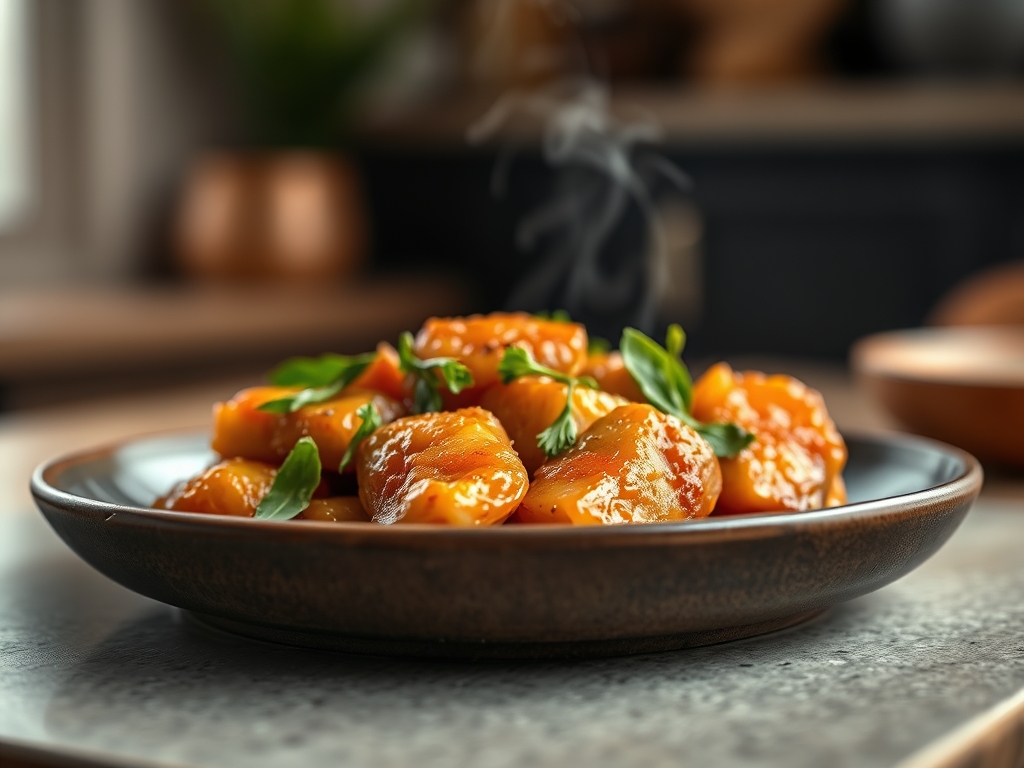
Picture the scene: a Friday night, a stack of cardboard boxes, and that neon-bright, syrupy glaze that usually defines a night of indulgence. We have all been there, but let us be honest; takeout often leaves us with a salt-heavy fog and a soggy crust. If you are hunting for orange chicken recipes easy enough for a weeknight but sophisticated enough for a dinner party, you have found your sanctuary. This version is not just a copycat; it is an upgrade. We are talking about shattering crispness, a sauce that balances vibrant acidity with deep umami, and chicken that remains succulent rather than rubbery. By mastering the molecular dance between cornstarch and high-heat lipids, you will create a dish that rivals the best bistros in the city. We are stripping away the artificial dyes and stabilizers to focus on the raw power of fresh citrus and the Maillard reaction. Grab your apron and your favorite heavy-bottomed skillet; we are about to transform your kitchen into the hottest spot in town.
The Gathers:
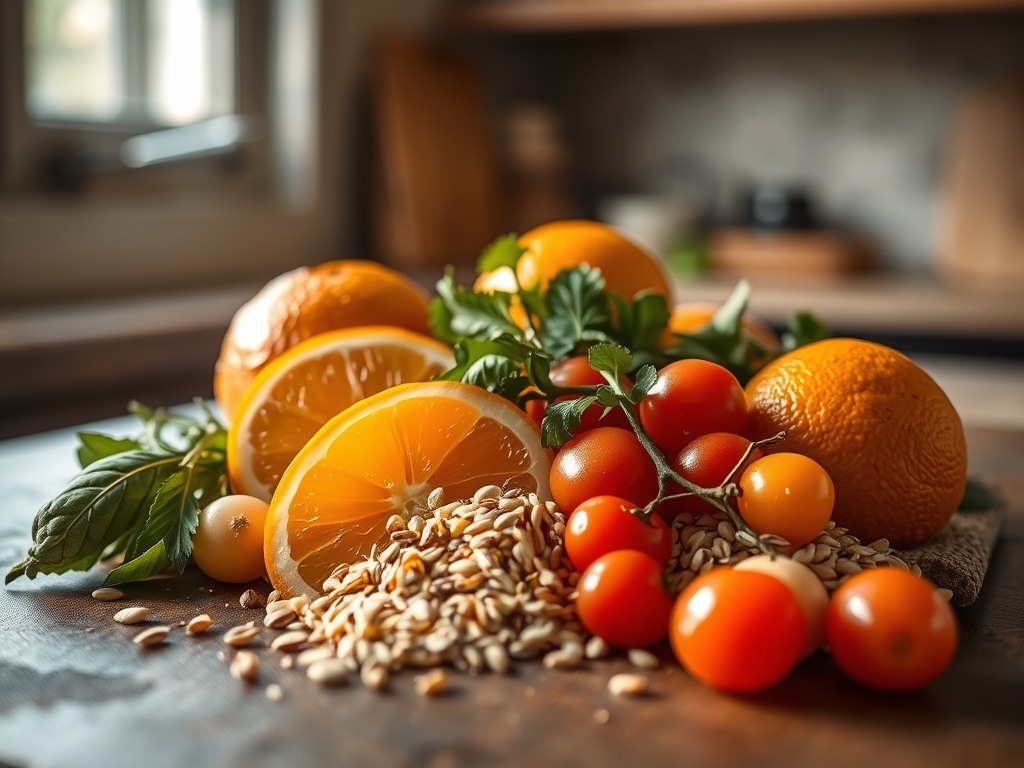
To achieve that signature viscous coating, your mise-en-place must be precise. Start with 1.5 pounds of boneless, skinless chicken thighs. Thighs are superior to breasts here because they contain more connective tissue and intramuscular fat, which renders beautifully and prevents the meat from drying out during the double-fry process. For the breading, you will need a 2:1 ratio of cornstarch to all-purpose flour. The cornstarch provides that glass-like crunch, while the flour offers structural integrity.
Your flavor profile relies on the sauce. You will need the zest and juice of two large navel oranges; the zest contains essential oils that provide a piquant aroma that juice alone cannot replicate. Combine this with fermented soy sauce for salinity, rice vinegar for brightness, and a touch of toasted sesame oil for a nutty finish. Do not forget the aromatics: fresh ginger and garlic are non-negotiable. Use a microplane to grate these into a fine paste; this increases the surface area and allows the flavors to infuse the sauce almost instantly.
Smart Substitutions: If you are avoiding refined sugars, use honey or agave nectar. The fructose in honey caramelizes at a lower temperature, so watch your heat to avoid scorching. For a gluten-free version, swap the flour for extra cornstarch or arrowroot powder and use tamari instead of soy sauce.
The Clock
Efficiency in the kitchen is about "Chef's Flow," which means overlapping tasks to minimize downtime. Your total active prep time is approximately 20 minutes, with a cook time of 15 minutes.
- Prep (0-15 mins): Cube the chicken, zest the oranges, and whisk the sauce. This is the time to use your bench scraper to clear your workstation.
- The Coating (15-20 mins): Dredge the chicken. Let it sit for five minutes to allow the moisture to hydrate the starch; this prevents the coating from flaking off in the oil.
- The Sizzle (20-30 mins): Fry in batches. Never crowd the pan, as this drops the oil temperature and leads to grease absorption.
- The Glaze (30-35 mins): Reduce the sauce in a saucier until it coats the back of a spoon. Toss and serve immediately.
The Masterclass
1. The Velvet Dredge
Toss your chicken cubes in a bowl with a beaten egg and a splash of soy sauce before coating them in the starch mixture. Ensure every nook and cranny is covered.
Pro Tip: This technique, known as velveting, creates a protective barrier. The egg proteins denature and form a shield that traps the juices inside the meat while the exterior starches dehydrate to create a crisp shell.
2. The First Fry
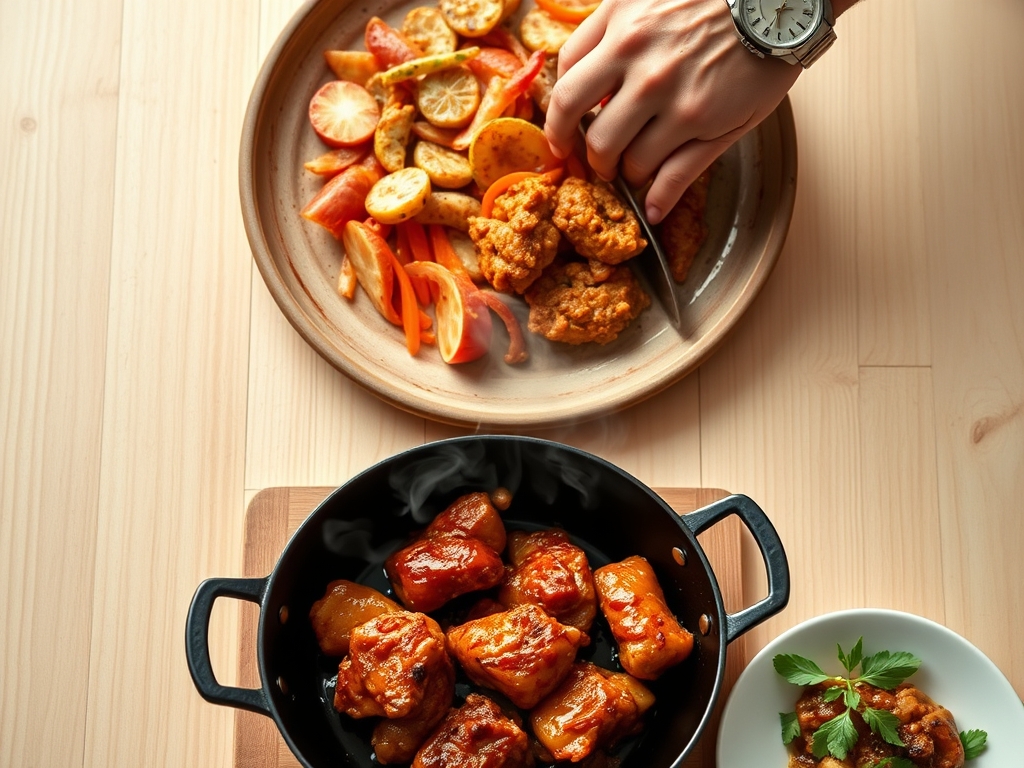
Heat a neutral oil with a high smoke point in your skillet to 350 degrees Fahrenheit. Use a digital scale to ensure your chicken pieces are uniform in size for even cooking. Fry until pale gold.
Pro Tip: This initial fry is about setting the structure. Thermal carryover will continue to cook the interior of the chicken even after you remove it from the oil; don't wait for it to brown fully yet.
3. The Double-Crunch Technique
Increase the heat to 375 degrees Fahrenheit and flash-fry the chicken a second time for 60 seconds. Use tongs to move the pieces constantly.
Pro Tip: The second fry drives out any remaining moisture from the crust. This is the secret to orange chicken recipes easy to love because the crust stays crunchy even after being tossed in the liquid sauce.
4. Reducing the Piquant Glaze
In a separate saucier, bring your orange mixture to a simmer. Use a whisk to ensure the cornstarch slurry is fully integrated so the sauce becomes translucent and glossy.
Pro Tip: As the water evaporates, the sugar concentration increases, leading to enzymatic browning and a deeper flavor profile. The sauce should be thick enough to resist gravity but thin enough to flow.
5. The Final Emulsification
Add the fried chicken to the sauce and toss vigorously over high heat for no more than 30 seconds. Finish with a sprinkle of green onions and toasted sesame seeds.
Pro Tip: This quick toss creates a temporary emulsification between the fats in the chicken coating and the sugars in the sauce, resulting in that iconic "lacquered" look.
The Deep Dive
From a nutritional perspective, this homemade version slashes the sodium content by nearly 40 percent compared to commercial brands. A standard serving provides roughly 35 grams of protein and 450 calories. For my Keto friends, swap the starch for unflavored whey protein isolate and use monk fruit sweetener in the sauce. Vegan? Cauliflower florets or extra-firm tofu work beautifully; just ensure you press the tofu for at least 30 minutes to remove excess moisture.
The Fix-It:
- Sauce is too thin: Whisk one teaspoon of cornstarch with cold water and stream it into the boiling sauce. Never add dry starch directly to hot liquid or it will clump.
- Chicken is soggy: Your oil temperature was likely too low. Use a thermometer to maintain a steady 350-375 degrees.
- Sauce is too bitter: You may have grated too deep into the orange pith. Add a pinch of salt or a teaspoon of rice syrup to neutralize the bitterness.
Meal Prep Science: To reheat, avoid the microwave. The waves agitate water molecules, turning your crisp coating into mush. Instead, use an air fryer or a toaster oven at 375 degrees for four minutes to re-crisp the starches and aerate the coating.
The Wrap-Up
There is something incredibly empowering about mastering a classic. You have moved beyond basic cooking and into the realm of culinary science. By understanding how starches react to heat and how acids balance sugars, you have created a masterpiece. This dish is vibrant, textured, and infinitely better than anything that comes in a plastic container. Go ahead and take a bow; you have officially won the dinner game.
The Kitchen Table
How do I make orange chicken recipes easy for weeknights?
Prep your sauce and chop your chicken the night before. Store them in airtight containers. When you are ready to eat, the active cooking time drops to under fifteen minutes, making it faster than waiting for a delivery driver.
What is the best oil for frying chicken?
Use oils with high smoke points like peanut, canola, or grapeseed oil. These fats can withstand the 375-degree heat required for the double-fry method without breaking down or releasing acrid flavors into your delicate orange glaze.
Can I bake the chicken instead of frying?
Yes, though the texture will be less "shattering." Coat the chicken in panko breadcrumbs and spray generously with oil. Bake at 425 degrees Fahrenheit until golden. The sauce will still provide that signature flavor and glossy finish.
Why is my orange sauce cloudy?
Cloudiness usually occurs if the cornstarch slurry has not cooked long enough. Ensure the sauce reaches a full boil for at least thirty seconds. This allows the starches to fully hydrate and clear, resulting in a beautiful, translucent lacquer.