
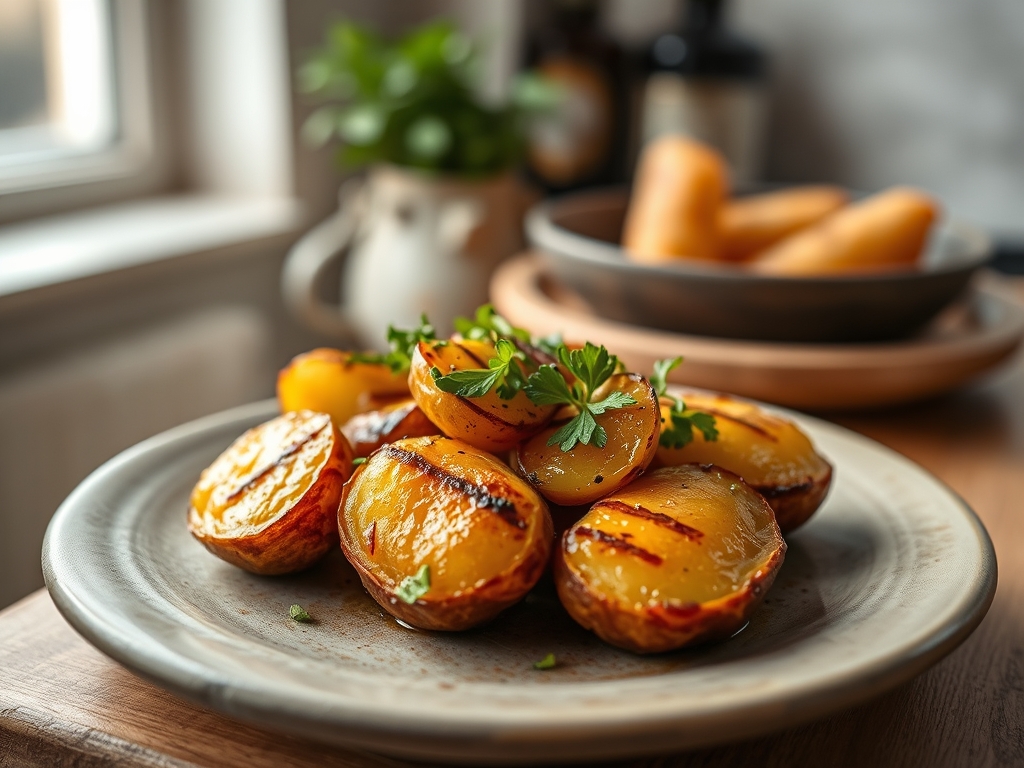
Close your eyes and imagine a landscape where the earth yields over four thousand varieties of tubers. We are traveling to the Andes; the spiritual home of the potato. If you want to master authentic peru potato recipes, you have to understand that here, the potato is not just a side dish. It is the star of the show. We are talking about textures ranging from buttery and waxy to floury and starchy; all acting as canvases for the piquant punch of aji amarillo peppers and the creamy luxury of queso fresco. Whether it is the chilled elegance of Causa or the crispy, fried indulgence of Papa Rellena, these dishes rely on the perfect balance of starch and acid.
The secret to these recipes lies in the molecular structure of the potato itself. We are looking for that specific point of gelatinization where the starch granules swell and burst, creating a velvety mouthfeel. Peruvian cuisine is a masterclass in emulsification and temperature contrast. You will learn how to turn a humble root vegetable into a gourmet centerpiece using tools you already have in your kitchen. Get ready to transform your pantry staples into a South American feast that tastes like a warm hug from a lime-scented cloud.
The Gathers:
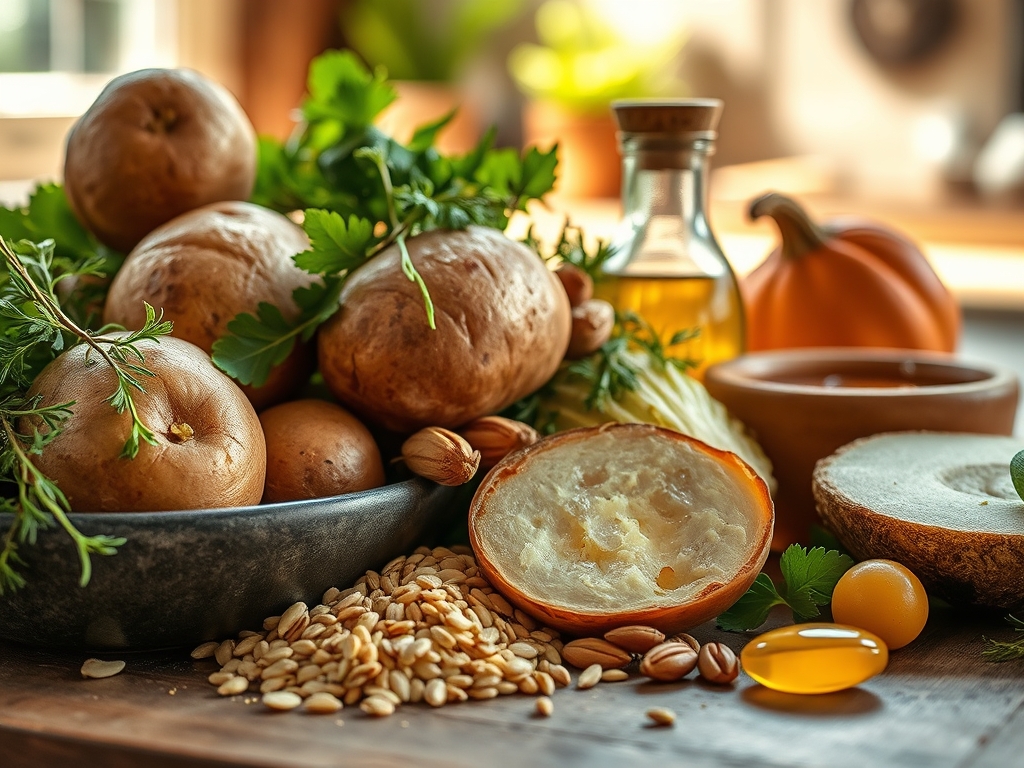
To execute these peru potato recipes with precision, your mise-en-place must be flawless. Start with your potatoes. For dishes like Papa a la Huancaina, you want a starchy yellow potato like a Yukon Gold. If you can find authentic Papa Amarilla from a specialty market, grab them immediately. Their high solids content creates a crumbly, delicate texture that melts upon contact with the palate.
You will also need aji amarillo paste. This is the backbone of Peruvian flavor; a vibrant orange chili that provides a fruity heat without overwhelming the senses. Keep a block of salty, firm queso fresco nearby, along with evaporated milk for that signature viscous sauce consistency. Fresh lime juice is non-negotiable for its ability to denature proteins and brighten heavy starches.
Smart Substitutions:
If you cannot find aji amarillo, a blend of red bell pepper and a pinch of habanero can mimic the color and heat, though you will miss the specific floral notes. No queso fresco? A mild, unaged feta soaked in water to remove excess brine works in a pinch. For a vegan twist, use cashew cream and nutritional yeast to replicate the savory depth of the traditional cheese sauces.
The Clock
Efficiency in the kitchen is all about the Chef's Flow. Total active prep time for a spread of three to four of these dishes is approximately 45 minutes, with a total cook time of one hour. The strategy is to boil all your potatoes in one large batch to save energy and time.
Start by simmering your tubers in salted water. While they reach the point of fork-tenderness, use your high-speed blender to whip up your sauces. By the time the potatoes are cooled and peeled, your emulsions are ready to be drizzled. This overlapping workflow ensures that cold dishes like Causa stay chilled while fried elements like Lomo Saltado potatoes remain crisp and hot.
The Masterclass
1. The Perfect Puree for Causa
Start by passing your boiled yellow potatoes through a fine-mesh ricer or a food mill while they are still warm. This is the only way to achieve a smooth, aerated texture without overworking the starch. Mix in lime juice, oil, and aji amarillo paste until you have a malleable, bright yellow dough.
Pro Tip: Passing potatoes through a ricer prevents the development of long-chain starches. If you mash them too vigorously with a spoon, you risk a "gluey" texture caused by excessive starch release.
2. Crafting the Huancaina Sauce
In a blender, combine sautéed onions, garlic, aji amarillo, queso fresco, and evaporated milk. Blend on high until the mixture is perfectly smooth and coats the back of a spoon. This is a classic stable emulsion where the fats from the cheese and milk are suspended in the liquid.
Pro Tip: Use a digital scale to measure your ingredients for consistency. The ratio of liquid to solids determines the viscosity; a sauce that is too thin will slide off the potato rather than hugging it.
3. Searing for Lomo Saltado
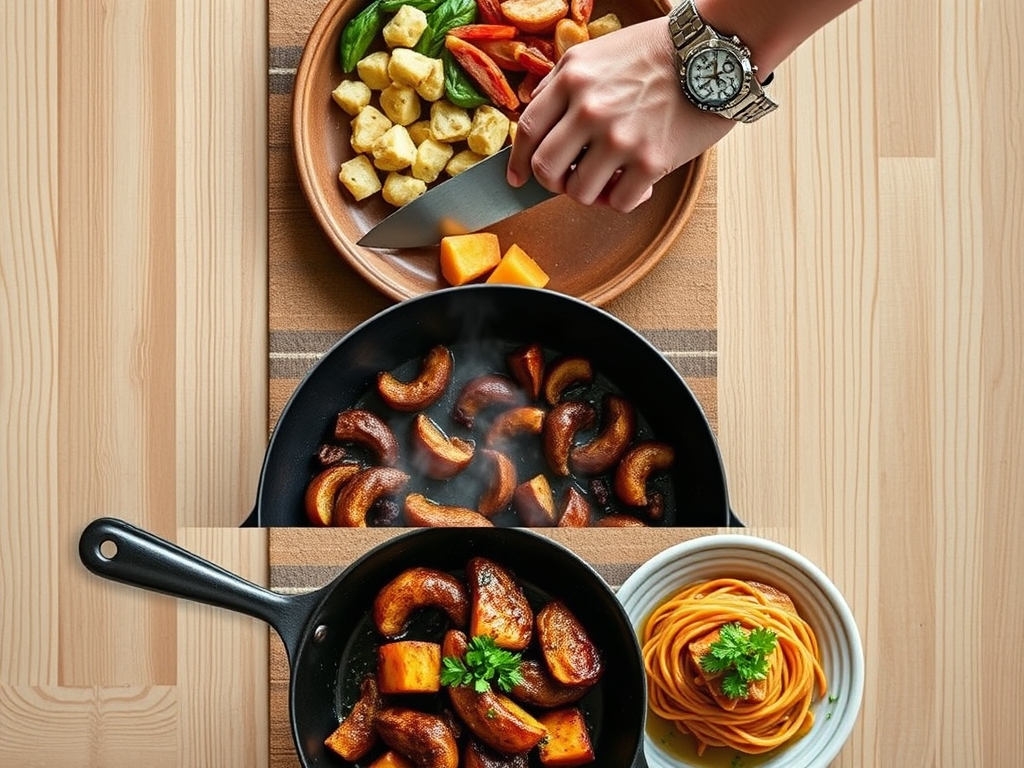
While the potato is the focus, the stir-fry technique is vital. Cut your potatoes into thick batons and fry them until golden. In a heavy-bottomed skillet or wok, sear your beef at high heat to trigger the Maillard reaction, then toss in the fries at the very last second to coat them in the pan juices.
Pro Tip: Thermal carryover will continue to cook the beef after it leaves the pan. Remove it just before it reaches your desired doneness to ensure it remains succulent.
4. Stuffing the Papa Rellena
Take your chilled mashed potato dough and form a small bowl in your hand. Fill it with a savory mixture of ground beef, raisins, olives, and hard-boiled eggs. Seal the dough around the filling, dredge in flour, and deep fry until a crisp crust forms.
Pro Tip: Chilling the dough before frying is essential. It allows the starch molecules to realign, ensuring the potato shell does not disintegrate when it hits the hot oil.
5. Carapulcra Dehydration
This ancient dish uses "papa seca" or dried potatoes. Rehydrate the small, toasted potato cubes in a rich broth infused with cloves, cinnamon, and peanuts. The result is a chewy, nutty stew that is unlike any other potato dish in the world.
Pro Tip: Rehydration is a slow process of osmosis. Do not rush it with high heat; a gentle simmer allows the liquid to penetrate the core of the dried starch without turning the exterior to mush.
6. Ocopa Sauce Mastery
Similar to Huancaina, but with the addition of huacatay (black mint) and toasted nuts. Use a microplane to zest a bit of lime over the finished dish to provide a high-frequency aromatic note that cuts through the earthy mint.
Pro Tip: Toasting your nuts before blending triggers a chemical change that intensifies their savory profile, providing a deeper umami base for the sauce.
7. Chorrellana Topping
Finish your boiled potatoes with a piquant sauté of red onions, tomatoes, and vinegar. This "salsa" uses the residual heat of the vegetables to slightly soften the onions while maintaining their structural crunch.
Pro Tip: Deglaze the pan with a splash of vinegar to capture the browned bits of onion. This creates a thin, acidic jus that seasons the potatoes all the way through.
The Deep Dive
From a nutritional standpoint, peru potato recipes are powerhouse meals. Potatoes provide complex carbohydrates, potassium, and vitamin C. When paired with the protein from eggs or meat and the healthy fats from aji peppers, you have a balanced plate.
Dietary Swaps:
For a keto-friendly version, replace the potato with steamed cauliflower florets, though the texture will be less "doughy." Vegan eaters can swap evaporated milk for full-fat coconut milk and use nutritional yeast for that cheesy funk. Gluten-free followers are in luck; almost all these recipes are naturally gluten-free as long as you use a GF flour for dredging.
The Fix-It:
- Sauce is too thin: Add a single saltine cracker or a tablespoon of potato puree to the blender to act as a thickener.
- Potatoes are falling apart: You likely overcooked them. Next time, add a splash of vinegar to the boiling water to help the pectin in the potato skin stay intact.
- Filling is leaking from Papa Rellena: Your oil temperature is too low. Use a thermometer to ensure your oil is at 350 degrees Fahrenheit to instant-sear the exterior.
Meal Prep:
To reheat, avoid the microwave as it turns potatoes "rubbery." Use a toaster oven or a dry skillet to revive the texture. For sauces, a quick whisk with a teaspoon of warm water will restore the emulsion if it has separated in the fridge.
The Wrap-Up
Mastering peru potato recipes is like learning a new language where the vocabulary is flavor and the grammar is technique. You have moved beyond the basic baked potato into a world of vibrant colors, complex spices, and incredible textures. Remember, the best food comes from a place of curiosity and joy. Don't be afraid to get your hands messy when shaping that Causa or to let your blender run an extra thirty seconds for that perfectly silky sauce. Your kitchen is now an Andean outpost; go forth and feast!
The Kitchen Table
Which potato is best for Peruvian cooking?
Starchy yellow potatoes like Yukon Gold or authentic Papa Amarilla are best. They provide a floury texture that absorbs sauces perfectly and creates a smooth, non-gluey mash for dishes like Causa or Papa Rellena.
Is aji amarillo paste spicy?
It has a medium heat level, roughly similar to a mild jalapeño but with a much fruitier, berry-like flavor profile. It provides a vibrant orange color and a complex aromatic depth to every dish.
Can I make Causa ahead of time?
Yes, Causa is traditionally served cold and actually benefits from an hour in the refrigerator. This allows the flavors to meld and the potato structure to firm up, making it easier to slice and serve.
How do I stop my potatoes from turning brown?
Prevent enzymatic browning by keeping peeled potatoes submerged in cold water until you are ready to cook. Adding a squeeze of lime or a splash of vinegar to the water also helps maintain their bright color.