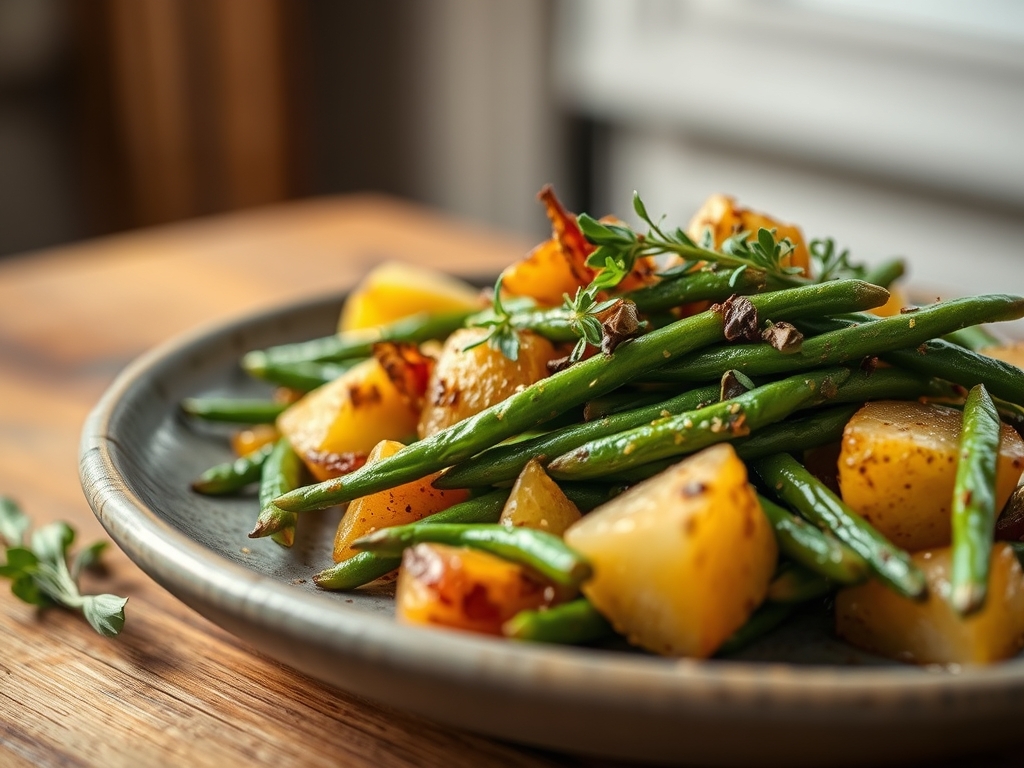
Picture a kitchen filled with the scent of garlic confit and the rhythmic snap of fresh produce. Finding the perfect green beans and potato recipes is about more than just a side dish; it is about balancing the snappy, chlorophyll-rich brightness of legumes with the starchy, comforting depth of a perfectly roasted tuber.
The beauty of this pairing lies in the structural contrast. You have the fibrous, vertical crunch of the bean meeting the creamy, cellular structure of the potato. Whether you are aiming for a rustic French bistro vibe or a sharp, vinegar-forward German salad, these two ingredients are the ultimate culinary power couple. They bridge the gap between heavy proteins and light salads, providing enough substance to satisfy without weighing down the palate. We are going to dive into nine distinct variations that utilize everything from brown butter emulsification to high-heat charring. By the time we are done, you will treat these vegetables with the same reverence usually reserved for a prime ribeye. Grab your favorite heavy-bottomed skillet and let us get into the molecular magic of making these staples shine.
The Gathers:
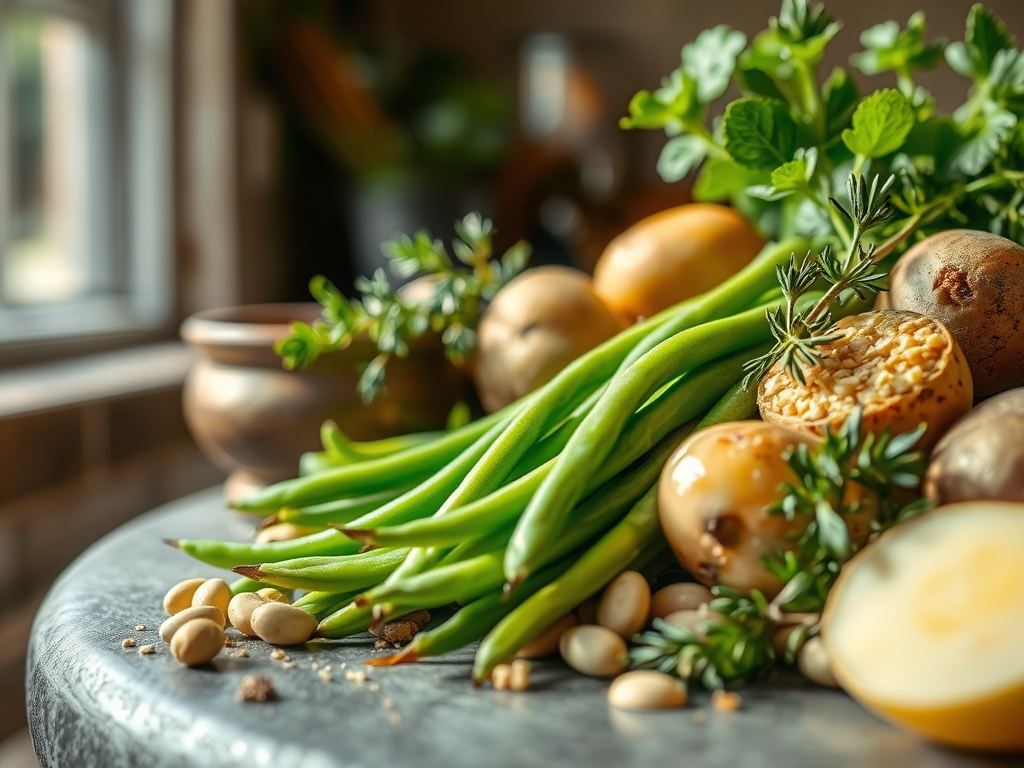
To execute professional green beans and potato recipes, your mise-en-place must be precise. Start with the beans. You want Haricots Verts if you desire a delicate, slender profile, or standard Blue Lake beans for a heartier bite. Look for a "snap" that indicates high turgor pressure within the plant cells. For the potatoes, waxy varieties like Yukon Gold or Red Bliss are non-negotiable. Their low starch-to-moisture ratio ensures they hold their geometric integrity during boiling or roasting, rather than disintegrating into a grainy mash.
Your aromatics should include fresh garlic, shallots for a more piquant sweetness, and perhaps a sprig of rosemary or thyme to infuse the cooking fats. Speaking of fats, high-quality grass-fed butter or a cold-pressed extra virgin olive oil will act as your flavor carrier. You will also need a coarse finishing salt like Maldon to provide a structural crunch and a hit of acidity, perhaps from a champagne vinegar or fresh lemon zest, to brighten the earthy base notes.
Smart Substitutions:
If you cannot find fresh green beans, frozen "steam-in-bag" varieties work in a pinch, though you must reduce cooking time by thirty percent to avoid a mushy texture. No Yukon Golds? Fingerling potatoes are an excellent swap; their high skin-to-flesh ratio provides a beautiful earthy flavor. If you are avoiding dairy, a refined coconut oil offers a high smoke point for searing, while nutritional yeast can mimic the savory umami of a parmesan finish.
The Clock
Efficiency in the kitchen is all about "Chef's Flow." For most green beans and potato recipes, you are looking at a total time of 35 to 45 minutes. Prep takes about 15 minutes; this involves the repetitive motion of trimming bean ends and cubing potatoes into uniform 1-inch pieces. Uniformity is not just for aesthetics; it ensures a consistent rate of thermal penetration.
The cooking phase typically lasts 25 minutes. The "flow" involves starting your potatoes first, as they require more time to break down the complex starches. While the potatoes undergo their initial parboil or roast, you can blanch the beans or prepare your emulsion. This staggered approach ensures every component reaches its peak texture at the exact same second.
The Masterclass
1. The Parboil Foundation
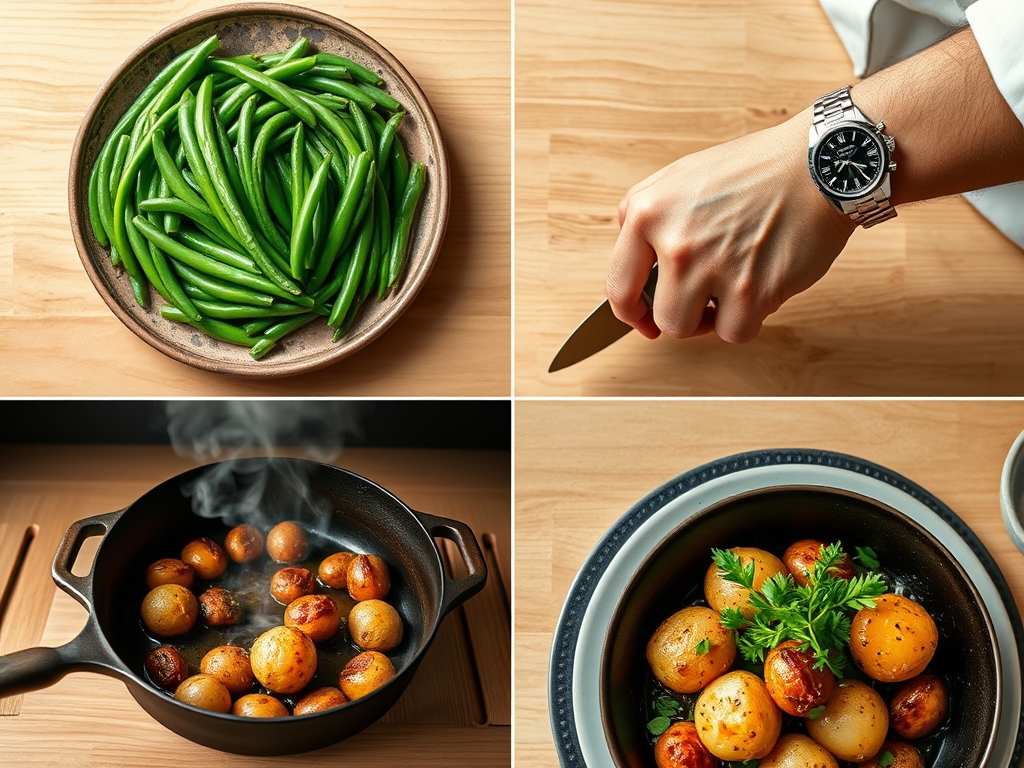
Begin by placing your cubed potatoes in a pot of cold, heavily salted water. Bring them to a boil and simmer until they are just fork-tender. This "cold start" ensures the exterior does not turn to mush before the center is cooked.
Pro Tip: This technique utilizes starch gelatinization. By starting in cold water, you allow the heat to migrate evenly to the core, preventing the outside from overcooking and sloughing off during the subsequent searing phase.
2. The Ice Bath Shock
While the potatoes cook, blanch your green beans in boiling water for exactly three minutes, then immediately plunge them into a bowl of ice water. This stops the cooking process instantly and locks in that vibrant "verdant" green.
Pro Tip: This process halts enzymatic activity. Specifically, it deactivates the enzymes that cause the chlorophyll to break down and turn a dull olive drab, ensuring your green beans and potato recipes look as good as they taste.
3. Rendering the Aromatics
In a heavy-bottomed skillet, melt your butter or heat your oil over medium heat. Add minced shallots and garlic. Use a silicon spatula to move them constantly until they become translucent and fragrant, but not browned.
Pro Tip: You are looking for the Maillard reaction to just begin. If the garlic turns brown, it becomes bitter; you want to stop at the golden stage where the sugars have caramelized but the sulfur compounds remain sweet.
4. The High-Heat Sear
Drain your potatoes and let them steam-dry for two minutes. Increase the skillet heat to medium-high and add the potatoes. Do not crowd the pan. Let them sit undisturbed for three minutes to develop a golden crust.
Pro Tip: This is all about surface dehydration. By letting the potatoes steam-dry before hitting the hot fat, you ensure the moisture does not drop the pan temperature, allowing for a crispier, more resilient exterior.
5. The Final Integration
Add the blanched green beans to the skillet with the potatoes. Use stainless steel tongs to toss the vegetables together, ensuring every surface is coated in the infused fat. Season with salt, pepper, and your chosen herbs.
Pro Tip: This stage focuses on thermal carryover. Since the beans are already cooked, you are simply reheating them and allowing the flavors to marry. Overstaying this welcome will result in "squeaky" or limp beans.
The Deep Dive
When we look at the macro nutrition of these green beans and potato recipes, we see a powerhouse of complex carbohydrates and fiber. A standard serving provides a significant dose of Potassium and Vitamin C. To keep it Vegan, simply swap the butter for a high-quality avocado oil. For a Keto twist, you would significantly reduce the potato ratio and increase the beans, perhaps adding toasted almonds for healthy fats. All these recipes are naturally Gluten-Free, provided you do not use flour-based thickeners for a sauce.
The Fix-It:
- Soggy Potatoes: Usually caused by overcrowding the pan. The trapped steam prevents browning. Fix: Use a larger skillet or sear in batches.
- Dull Green Beans: Caused by overcooking or acidic dressings added too early. Fix: Add lemon juice or vinegar only seconds before serving.
- Burnt Garlic: This ruins the entire flavor profile. Fix: If the garlic goes dark, wipe the pan and start the fat/aromatic step over; it is worth the five-minute delay.
Meal Prep:
To reheat while maintaining "day-one" quality, avoid the microwave. The microwave excites water molecules and turns your crispy potatoes into sponges. Instead, use a toaster oven or a quick toss in a hot skillet with a teaspoon of water and a lid to create a "steam-sear" effect.
The Wrap-Up
Mastering green beans and potato recipes is a rite of passage for any home cook who wants to elevate their dinner game. By understanding the science of starch and the preservation of chlorophyll, you turn humble ingredients into a sophisticated side dish. Remember to focus on texture, respect the "cold start" for your tubers, and never skip the ice bath for your greens. Now, go forth and make your kitchen smell like a five-star bistro!
The Kitchen Table
Can I use canned green beans for these recipes?
Canned beans are pre-cooked and often contain high sodium. They lack the structural integrity for searing. If you must use them, skip the blanching step and add them at the very end just to warm through.
How do I prevent my potatoes from sticking to the pan?
Ensure your pan is pre-heated before adding fat. Use a "test" potato; if it sizzles, the pan is ready. Avoid moving the potatoes for the first three minutes to allow a crust to form naturally.
What is the best way to store leftovers?
Store in an airtight glass container for up to four days. To maintain texture, keep the dressing separate if possible. Reheat in a skillet or air fryer to restore the crispiness of the potato skins.
Can I make these recipes ahead of time for a party?
Yes. Blanch the beans and parboil the potatoes up to 24 hours in advance. Store them separately in the fridge. Complete the final sear and aromatic infusion right before your guests sit down to eat.