
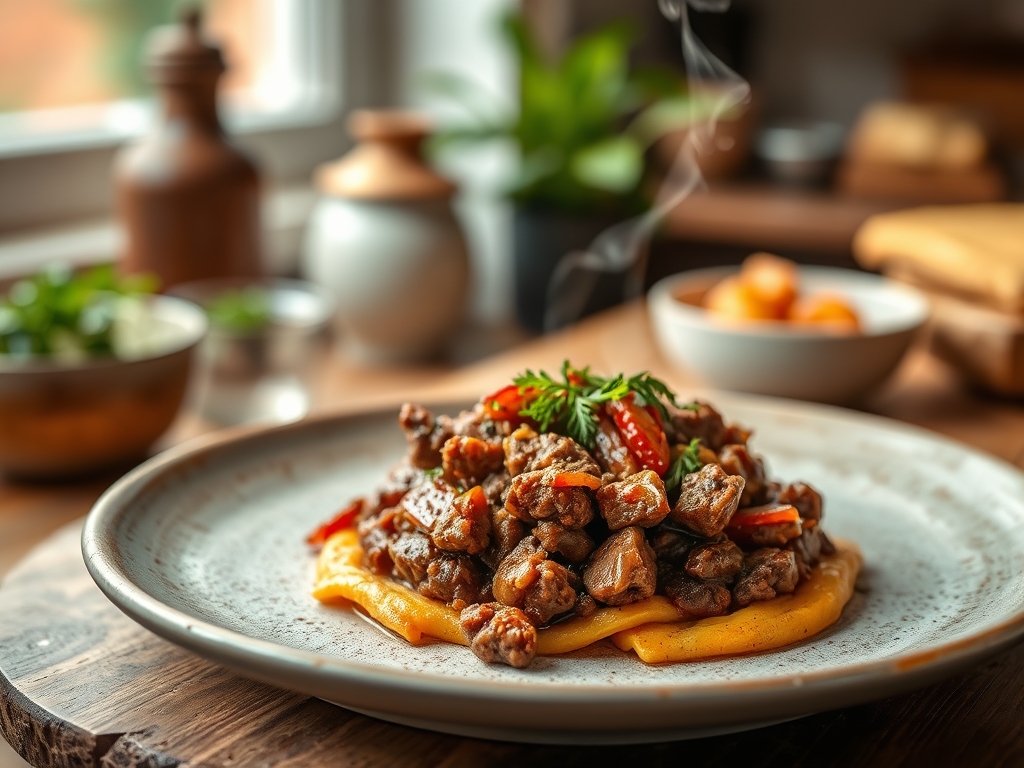
Picture this: the sun is dipping low; the house is quiet; and your stomach is starting that familiar, insistent rumble. You want something that tastes like a five-star bistro but requires the mental energy of a Sunday nap. Finding easy ground beef recipes for dinner is the ultimate kitchen cheat code because this humble protein is a flavor sponge that transforms in minutes.
The magic lies in the fat. When that 80/20 blend hits a ripping hot heavy-bottomed skillet, a chemical transformation called the Maillard reaction begins. This is not just browning; it is the rearrangement of amino acids and sugars into hundreds of different flavor compounds. It is the difference between a grey, boiled texture and that deeply savory, umami-rich crust we crave. Whether you are whipping up a piquant Korean beef bowl or a classic smash burger, the goal is high-impact flavor with low-impact effort. We are going to master the art of the weeknight hustle, using professional techniques to turn a simple pound of beef into seven distinct, crave-worthy masterpieces that will make your takeout menus gather dust.
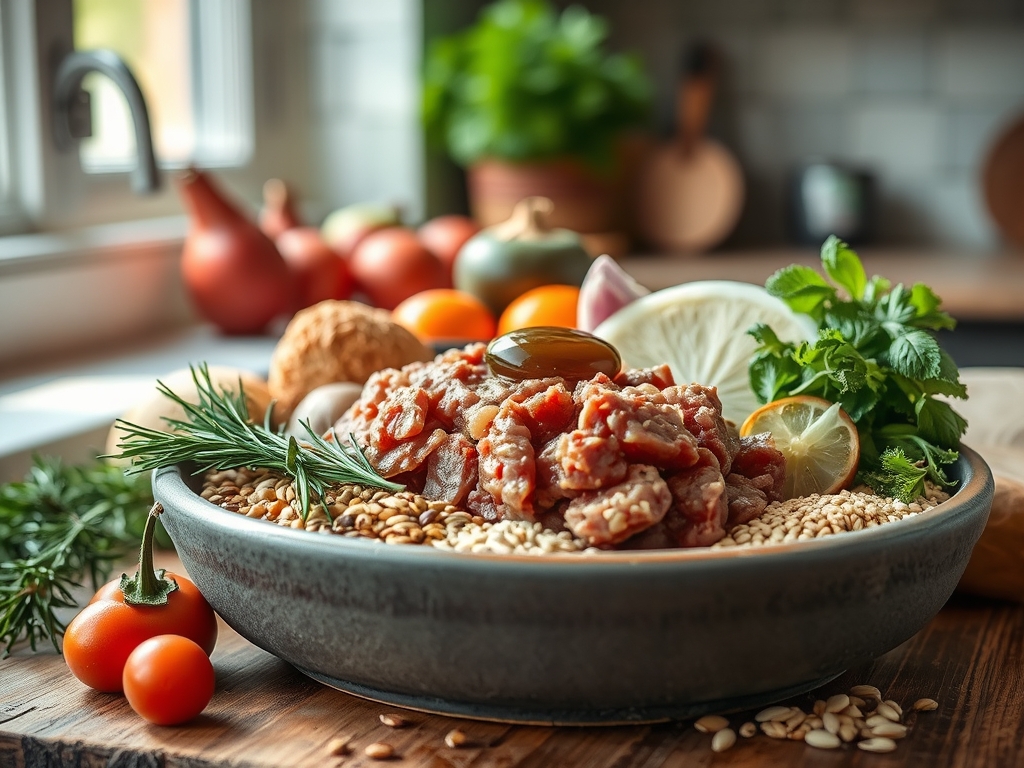
The Gathers:
Before we ignite the burners, we must respect the mise-en-place. To execute these easy ground beef recipes for dinner, you need a balanced palette of textures and acidity. Start with your aromatics: yellow onions for sweetness, garlic for pungent depth, and ginger if you are leaning toward an Asian profile. Use a sharp chef knife to achieve a fine dice; this ensures the vegetables soften at the same rate the fat begins to render.
For the pantry staples, keep high-quality soy sauce, Worcestershire, and a viscous balsamic glaze on hand. These liquids are essential for deglazing the pan and scraping up those "fond" bits (the browned gold stuck to the bottom). If you are watching your macros, "Smart Substitutions" are your best friend. Swap traditional pasta for zoodles or spaghetti squash to lower the glycemic load. If you find yourself out of beef, ground turkey or a plant-based crumble works, but remember that these leaner options lack the intramuscular fat of beef. You will need to add a tablespoon of neutral oil, like avocado oil, to prevent sticking and to facilitate heat transfer. Always have a microplane ready to zest citrus or grate fresh parmesan; those tiny, aerated shavings melt instantly into a luxurious sauce.
The Clock: Efficiency and Flow
Time is the one ingredient you cannot buy back. Most of these dishes operate on a thirty-minute loop. The "Chef's Flow" is about overlapping tasks to eliminate dead time. While your skillet preheats (which takes about three minutes for stainless steel or five for cast iron), you should be chopping your aromatics. Never crowd the pan. If you dump three pounds of cold meat into a small skillet, the temperature drops, the juices leak out, and you end up steaming the meat instead of searing it.
Prep time usually clocks in at ten minutes, with active cooking taking fifteen. The final five minutes are reserved for "resting" or "finishing." This is when you add fresh herbs like cilantro or parsley. High heat destroys the volatile oils in fresh herbs, so tossing them in at the very end preserves their bright, piquant punch. By the time you set the table, the residual heat has finished the job.
The Masterclass:
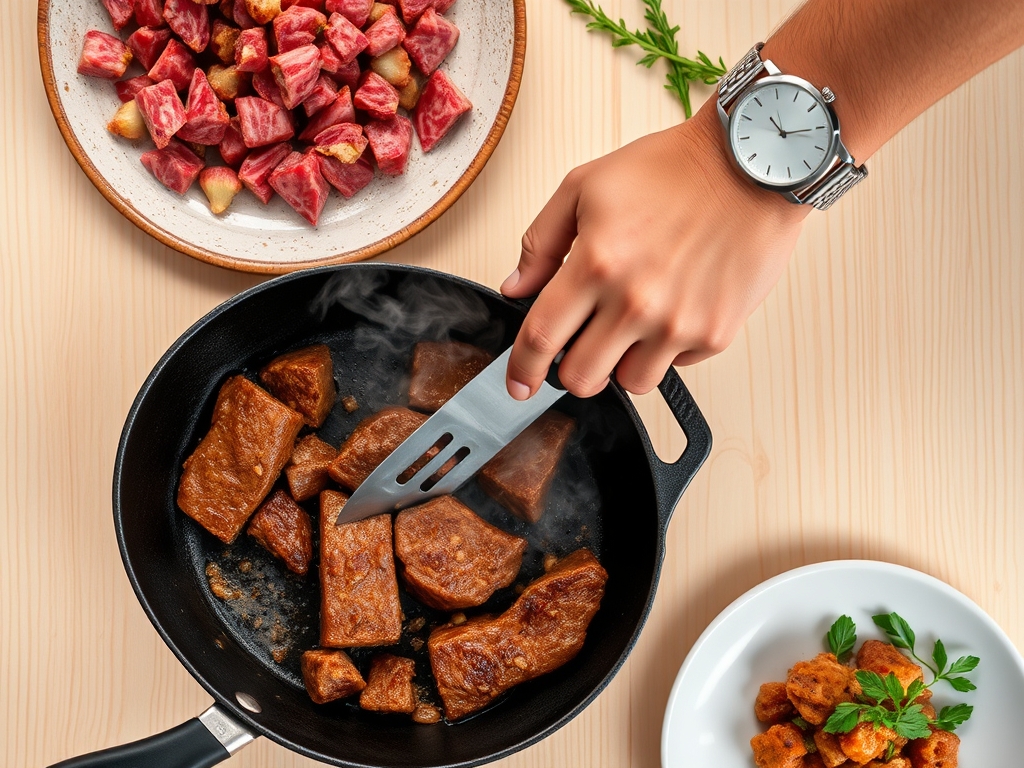
1. The Perfect Sear
Place your room-temperature beef into a preheated heavy-bottomed skillet. Use a sturdy wooden spoon or a stiff spatula to break the meat into large chunks first. Let them sit undisturbed for three minutes to develop a crust.
Pro Tip: This relies on thermal conductivity. By letting the meat sit, you allow the surface moisture to evaporate, which is the prerequisite for the Maillard reaction. If the meat is wet, it cannot exceed 212 degrees Fahrenheit; you need it much hotter to brown.
2. Deglazing the Fond
Once the meat is browned and removed, you will see brown bits stuck to the pan. Pour in a splash of beef stock, wine, or even water. Use your spatula to scrape those bits into the liquid.
Pro Tip: This is the secret to a deep, complex sauce. Those bits are concentrated protein and sugar. By deglazing, you are creating a pan sauce that coats every morsel of beef in a savory glaze.
3. Emulsifying the Sauce
If you are making a pasta-based dish, add a splash of starchy pasta water to your beef and sauce mixture. Stir vigorously over medium heat until the liquid thickens and looks glossy.
Pro Tip: The starch in the water acts as a bridge between the fats in the beef and the liquids in the sauce. This creates a stable emulsion, ensuring your sauce clings to the meat rather than puddling at the bottom of the bowl.
4. Managing Thermal Carryover
Remove the pan from the heat when the beef looks just barely finished. The internal temperature will continue to rise by about five degrees even after you turn off the stove.
Pro Tip: This is known as thermal carryover. If you cook the beef until it looks "perfect" on the stove, it will be dry and overextended by the time it reaches your plate. Pulling it early keeps it succulent.
The Deep Dive:
Let's talk numbers and logistics. A standard serving of 90/10 ground beef provides roughly 22 grams of protein and 10 grams of fat. It is a powerhouse for iron and B12. For my keto friends, serve your beef over a bed of buttery cauliflower rice or inside crisp romaine lettuce cups to keep the net carbs near zero. If you are gluten-free, swap soy sauce for liquid aminos or tamari to maintain that salty, fermented depth without the wheat.
"The Fix-It" guide for common blunders:
- Greasy Sauce: If the fat is separating, your heat is too high or you lack a binder. Stir in a teaspoon of cold butter or a cornstarch slurry to pull it back together.
- Tough Meat: You likely over-handled the meat. When making patties or crumbles, do not compress the beef. Keep it loose to maintain air pockets.
- Bland Flavor: You probably forgot to season in layers. Salt your meat at the start and adjust the acidity (lemon juice or vinegar) at the end.
For meal prep, reheating is a science. Microwave ground beef at 50 percent power with a damp paper towel draped over the container. This creates a mini-steam chamber, preventing the proteins from tightening up and becoming rubbery.
The Wrap-Up:
You are now officially armed with the technical prowess to turn a basic grocery staple into a weeknight triumph. These easy ground beef recipes for dinner are not just about feeding your family; they are about mastering the chemistry of the kitchen with confidence and wit. Grab your favorite skillet, turn up the heat, and let those savory aromas fill your home. You have got this!
The Kitchen Table:
How do I keep ground beef from getting dry?
Avoid over-mixing the raw meat and always use a digital scale to portion. Cook over medium-high heat to sear the outside quickly, and remove the pan from the heat just before the meat is fully browned to utilize thermal carryover.
Can I freeze cooked ground beef meals?
Yes, cooked beef freezes beautifully for up to three months. Ensure the meat has cooled completely to prevent ice crystals. Store in airtight containers or vacuum-sealed bags to maintain the moisture and prevent the fats from oxidizing or becoming rancid.
What is the best fat ratio for easy dinners?
An 80/20 or 85/15 ratio is ideal for most recipes. The fat provides the necessary lubrication for a juicy mouthfeel and carries the fat-soluble flavors of your spices. Leaner blends like 93/7 often require added oil to prevent sticking.
How do I get a better crust on my beef?
Pat the meat dry with paper towels before cooking. Moisture is the enemy of the sear. Use a cast-iron skillet for superior heat retention and do not move the meat for at least three minutes after it hits the hot pan.