
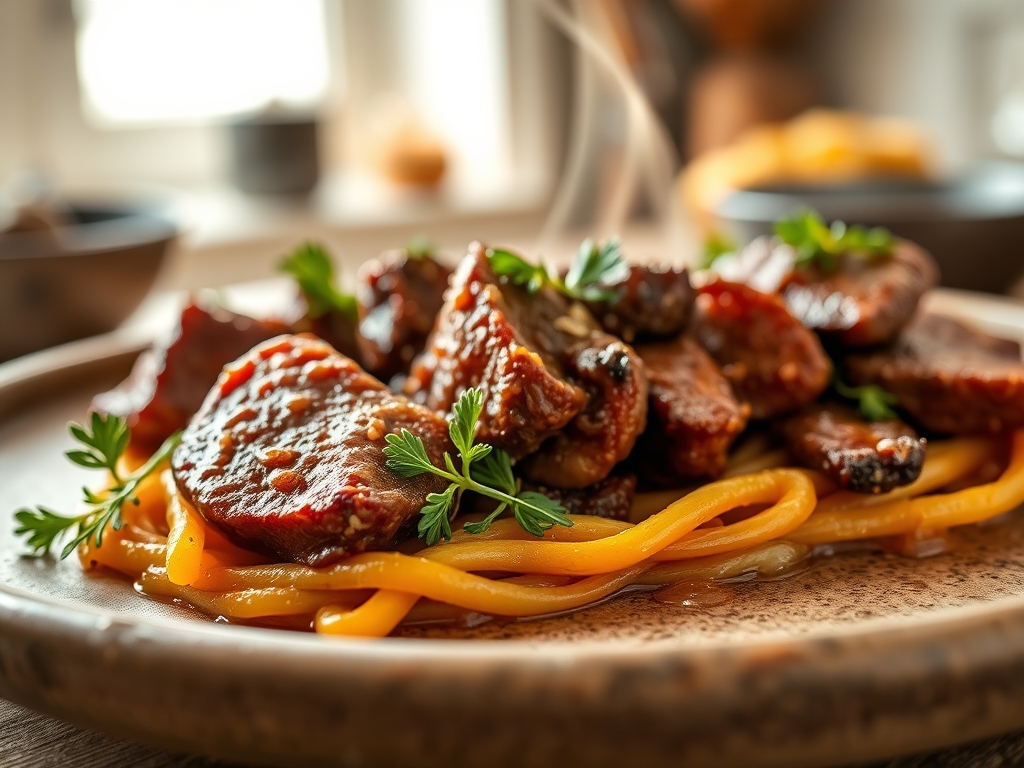
Imagine the low, golden glow of a flickering flame casting shadows against a mountain of marbled ribeye. There is a specific, intoxicating perfume that fills a room when cold fat hits shimmering oil; it is a heady mix of toasted protein and savory anticipation. When you are hunting for the ultimate fondue beef recipes, you are not just looking for a meal. You are looking for a choreographed dance of heat and flavor that turns a simple dinner into a high-stakes culinary event. It is tactile, it is social, and if you do it right, it is scientifically perfect.
We have all been to those parties where the meat is gray or the oil is smoking like a chimney. That ends today. We are going to treat your dining room like a high-end test kitchen. We will master the art of the sear, the chemistry of the dip, and the logistics of the perfect bite. Grab your long-handled forks; we are about to turn a 1970s relic into a modern masterpiece of molecular gastronomy.
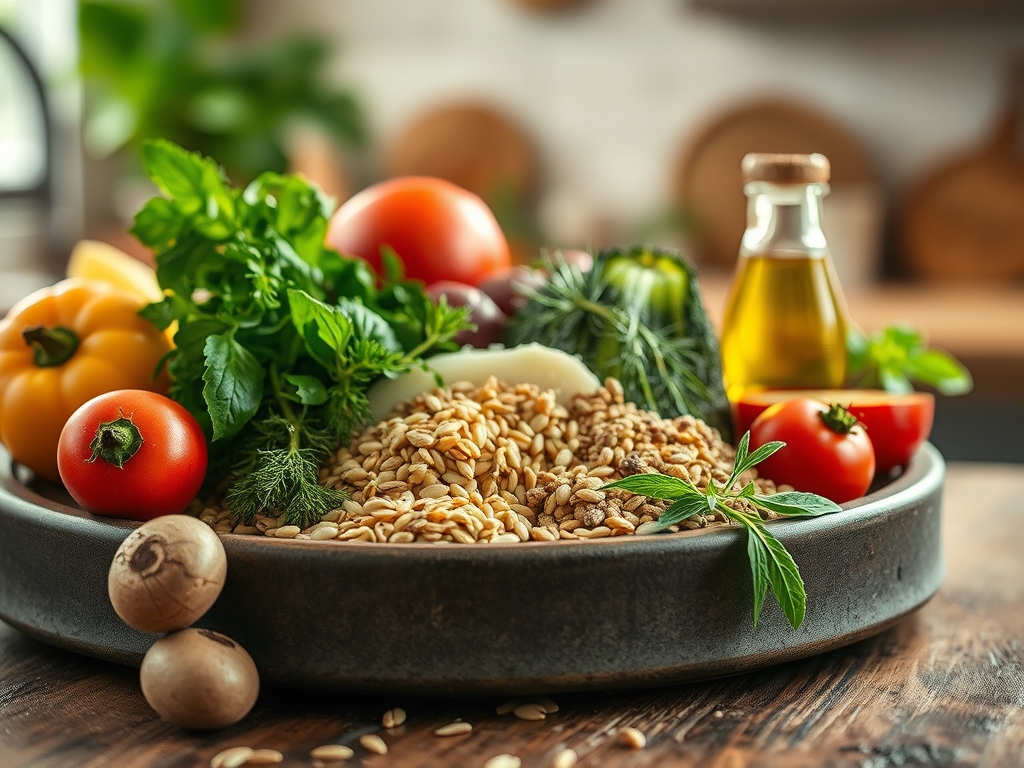
The Gathers:
To execute world-class fondue beef recipes, your mise-en-place must be surgical. You need a high-smoke-point lipid like grapeseed or refined peanut oil. Avoid extra virgin olive oil; its impurities will scorch and turn your dinner acrid before the first fork hits the pot. Your beef selection is the star. Aim for Center-Cut Filet Mignon for tenderness or Prime Top Sirloin for a robust, beefy punch. Use a digital scale to portion your meat into uniform 1-inch cubes. If the pieces vary in size, your thermal timing will be chaotic.
Smart Substitutions:
If you want to move away from traditional oil, use a highly gelatinous beef consomme fortified with dry sherry. This creates a poached texture rather than a fried one. For those avoiding red meat, firm Ahi Tuna cubes work beautifully, though they require a much shorter immersion time to avoid becoming rubbery. If you lack a traditional fondue pot, a heavy-bottomed skillet or a small saucier on a portable induction burner provides superior heat distribution and stability.
The Clock:
The "Chef's Flow" is all about managing latent heat.
Prep Time: 30 minutes. This includes trimming silver skin and cubing the protein.
Resting Time: 20 minutes. Never drop ice-cold meat into hot oil. It tanks the temperature and leads to steaming rather than searing.
Cook Time: 45 to 90 seconds per morsel.
The secret to a seamless evening is the staggered start. Prepare your sauces (the piquant elements) at least two hours in advance to allow the flavors to infuse and the emulsions to stabilize.
The Masterclass:
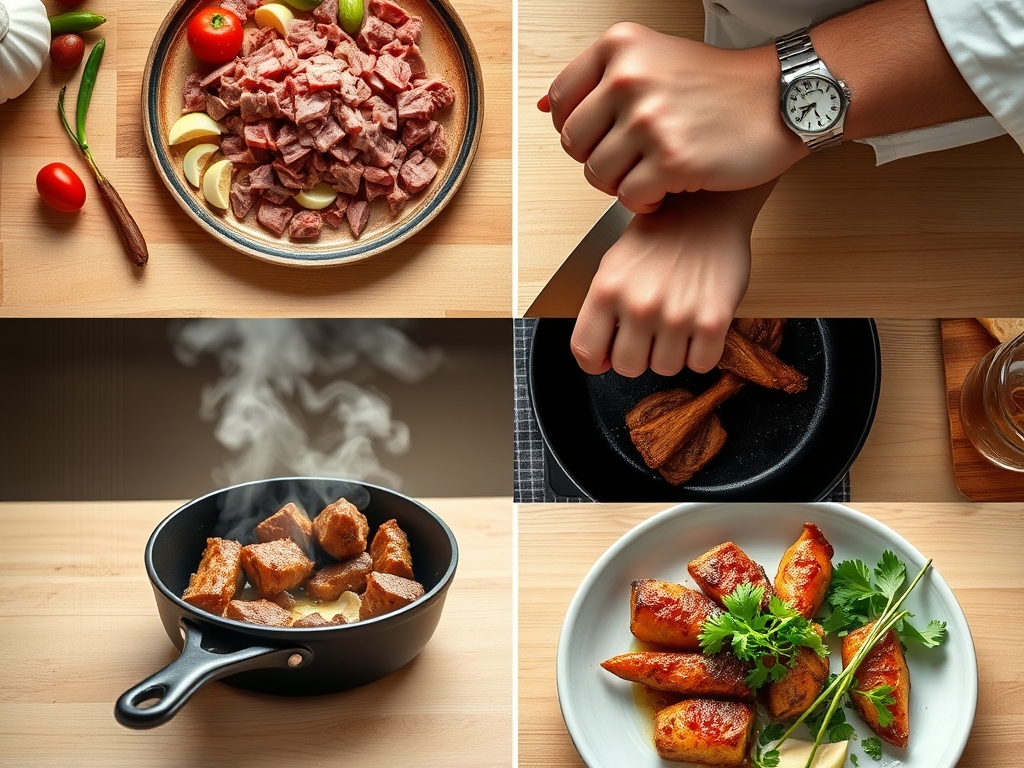
1. The Tempering Phase
Remove your beef from the refrigerator and pat it bone-dry with paper towels. Moisture is the enemy of the Maillard reaction. If the surface is damp, the energy of the oil is wasted evaporating water instead of browning the protein.
Pro Tip: This is about thermal equilibrium. Reducing the temperature differential between the meat and the oil prevents the muscle fibers from seizing, ensuring a buttery mouthfeel.
2. The Oil Calibration
Heat your oil in a saucier on the stove before transferring it to the fondue burner. Use an infrared thermometer to hit exactly 375 degrees Fahrenheit. Most tabletop burners are designed to maintain heat, not create it from scratch.
Pro Tip: Maintaining a consistent viscous state in your oil ensures that the meat sears instantly, creating a crust that seals in the juices through rapid protein coagulation.
3. The Skewer Technique
Pierce the meat through the center, ensuring it is secure but not cramped. When you submerge the beef, do not let it touch the bottom of the pot. The direct contact with the heat source can cause localized burning.
Pro Tip: This prevents conduction scorching. By suspending the meat, you utilize convection currents within the oil to cook the cube evenly from all sides simultaneously.
4. The Sizzle Control
Do not overcrowd the pot. Adding too many forks at once acts as a heat sink, dropping the oil temperature below the frying threshold. This results in "greasy" meat as the oil penetrates the fibers instead of searing the exterior.
Pro Tip: This is the Leidenfrost effect in reverse. You need enough energy in the oil to instantly turn surface moisture into a steam barrier that repels excess fat.
5. The Resting Ritual
Once the meat is extracted, let it rest on your plate for 30 seconds before dipping. This allows the internal juices to redistribute. If you cut into it immediately, the liquid will purge, diluting your expensive sauces.
Pro Tip: Thermal carryover continues to cook the center of the beef even after it leaves the pot. Resting ensures the center reaches a perfect medium-rare.
6. The Sauce Emulsification
Serve your beef with a variety of textures. A viscous garlic aioli, a piquant chimichurri, and a soy-ginger reduction. Use a microplane to shave fresh horseradish over the top for an aromatic kick.
Pro Tip: Acidic sauces act as a palate cleanser. They break down the heavy lipids on your tongue, making every subsequent bite taste as fresh as the first.
7. The Deglaze Clean-up
Once the meal is over, do not just toss the oil. If it is not scorched, you can filter it through a fine-mesh sieve. However, if you used a broth base, use a bench scraper to remove any fond from the pot to save for a morning reduction.
Pro Tip: The fond (those brown bits at the bottom) is a concentrated explosion of umami. Saving it for a pan sauce the next day is a pro-level move.
The Deep Dive:
Macro Nutrition:
Beef fondue is a high-protein, high-fat meal. A standard 6-ounce serving of filet mignon provides roughly 45 grams of protein and 24 grams of fat. To balance the caloric density, serve with high-fiber cruciferous vegetables like blanched broccoli or radishes.
Dietary Swaps:
Keto: This is a natural fit. Stick to oil-based cooking and fat-heavy sauces like hollandaise.
Vegan: Swap beef for extra-firm tofu or king oyster mushroom scallops. Use a high-quality vegetable broth instead of oil.
GF: Ensure your dipping sauces use tamari instead of soy sauce to keep the meal gluten-free.
The Fix-It:
- The Oil is Smoking: The heat is too high. Remove the pot from the flame immediately and add a splash of room-temperature oil to stabilize the temperature.
- The Meat is Sticking: You likely moved the fork too soon. Wait for the protein to naturally release from the metal as the sear forms.
- The Sauce is Broken: If your mayo-based sauce separates, whisk in a teaspoon of warm water or an extra egg yolk to re-emulsify the fats.
Meal Prep:
If you have leftover cooked beef, do not microwave it. Reheat it gently in a heavy-bottomed skillet with a touch of butter over low heat. This prevents the proteins from becoming "rubbery" and preserves the delicate interior.
The Wrap-Up:
Fondue is the ultimate "slow food" movement. It forces you to engage with your ingredients, your tools, and your guests. By focusing on the science of the sear and the precision of your temperatures, you elevate a simple dinner into a masterclass of flavor. Remember; the best fondue beef recipes are the ones where the technique is invisible and the results are unforgettable. Now go forth, light that flame, and show them what a pro can do.
The Kitchen Table:
What is the best cut of meat for beef fondue?
Center-cut filet mignon is the gold standard for its lean, tender texture. Prime top sirloin is a fantastic, budget-friendly alternative that offers a deeper, more "beefy" flavor profile while remaining sufficiently tender for quick searing.
What oil should I use for meat fondue?
Use oils with high smoke points, such as grapeseed, canola, or refined peanut oil. These can withstand the 375-degree temperatures required for a proper sear without breaking down, smoking, or imparting bitter flavors to your high-quality beef.
How do I keep the meat from falling off the fork?
Ensure the beef is cut into uniform 1-inch cubes and dry before skewering. Pierce the meat through the center and slightly rotate the fork to "lock" it. Avoid moving the fork excessively until the initial sear has formed.
How many sauces should I serve with beef fondue?
Aim for three distinct profiles: one creamy (like horseradish aioli), one acidic (like chimichurri), and one savory-sweet (like a balsamic reduction). This variety prevents palate fatigue and complements the rich, fatty notes of the seared beef.