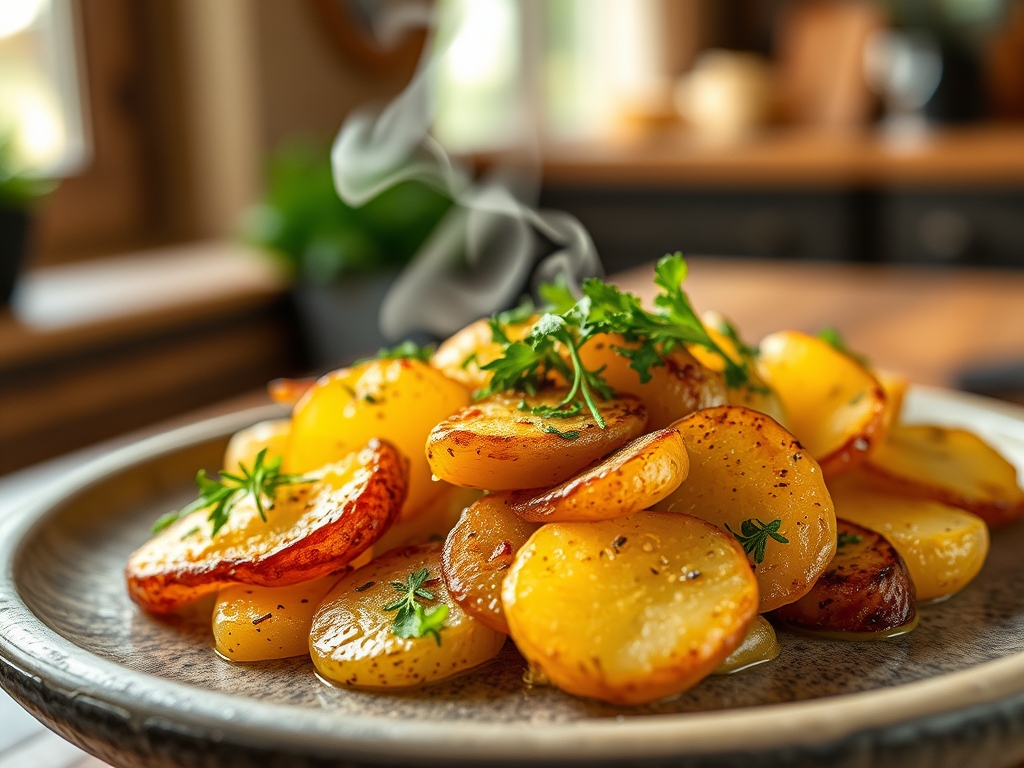
Steam rises in a fragrant, starchy plume as you slice into a perfectly roasted tuber. It is the ultimate comfort canvas. Most people treat spuds as a boring side dish, but we are here to revolutionize your kitchen with ten truly interesting potato recipes that bridge the gap between rustic charm and molecular precision.
Potatoes are more than just carbohydrates; they are structural marvels of cell walls and amylopectin. Whether you are aiming for a glass-like crunch or a silk-textured puree, the secret lies in how you manipulate those starch granules. We are moving beyond the basic mash to explore textures you did not know were possible. Think of this as your masterclass in tuber technology.
We will use heat to trigger the Maillard reaction, creating that deep umami crust that makes a dish unforgettable. We will also master the art of the emulsion to ensure your sauces never break. Grab your favorite apron and clear some counter space. It is time to treat the humble potato with the professional respect it deserves while keeping things fun and flavorful.
The Gathers:
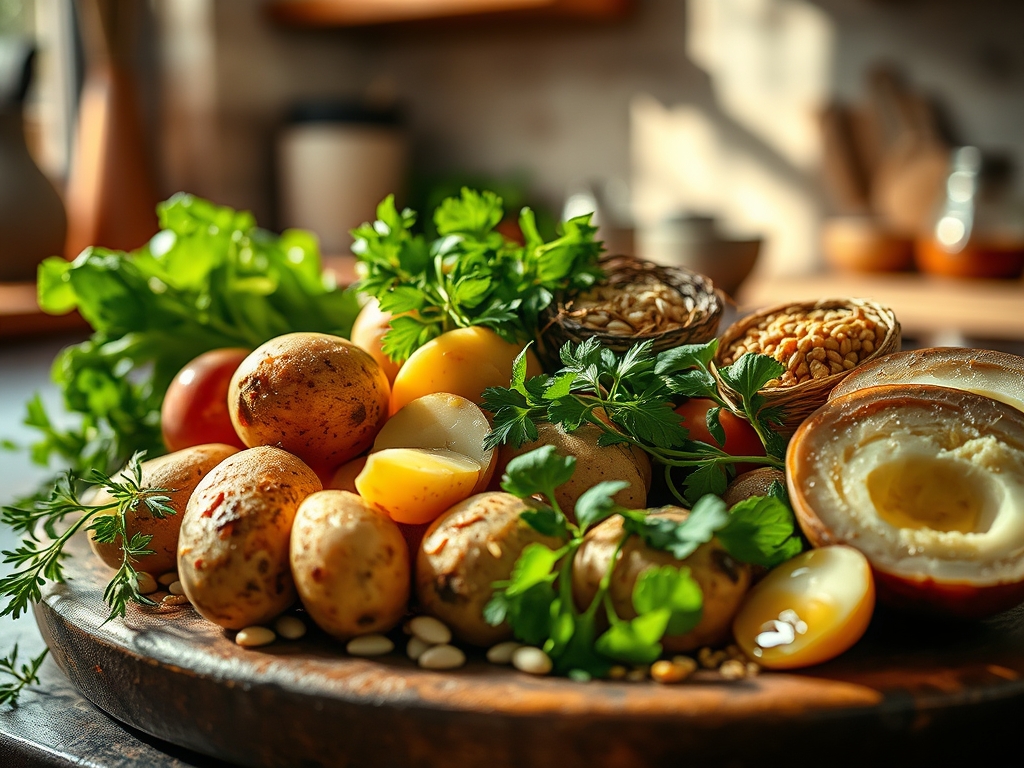
To execute these interesting potato recipes, your mise-en-place must be precise. Start with high-starch Russets for fluffiness and waxy Yukon Golds for structural integrity. You will need high-quality fats like clarified butter or duck fat, which have higher smoke points than standard butter. Fresh aromatics are non-negotiable; gather sprigs of woody rosemary, thyme, and plenty of garlic cloves.
For the chemical magic, keep baking soda and cornstarch nearby. Baking soda increases the pH of the boiling water, which breaks down the pectin on the potato surface to create more surface area for crisping. Cornstarch acts as a moisture barrier. For seasoning, use flaky sea salt and freshly cracked black pepper to provide a piquant contrast to the earthy base.
Smart Substitutions: If you are dodging dairy, substitute heavy cream with full-fat coconut milk or a high-quality cashew cream to maintain a viscous mouthfeel. Swap duck fat for avocado oil if you prefer a neutral profile with a high thermal threshold. If you lack fresh herbs, infused oils can provide a concentrated burst of flavor without the risk of burning delicate leaves in a high-heat oven.
The Clock
Efficiency in the kitchen is about understanding the "Chef's Flow." Most of these recipes require a total time of 45 to 60 minutes, but the active labor is usually under 15 minutes. The goal is to stagger your tasks. While your potatoes undergo their initial parboil, you should be prepping your aromatics and preheating your heavy-bottomed skillet or roasting pans.
The "Flow" dictates that you never wait on the oven. Always preheat at least 20 minutes prior to use to ensure the stone or steel is saturated with heat. This prevents the temperature drop that occurs when you open the door. By the time your potatoes are drained and steam-dried, your fat should be shimmering and ready for the sear.
The Masterclass
1. The Triple-Cooked Technique
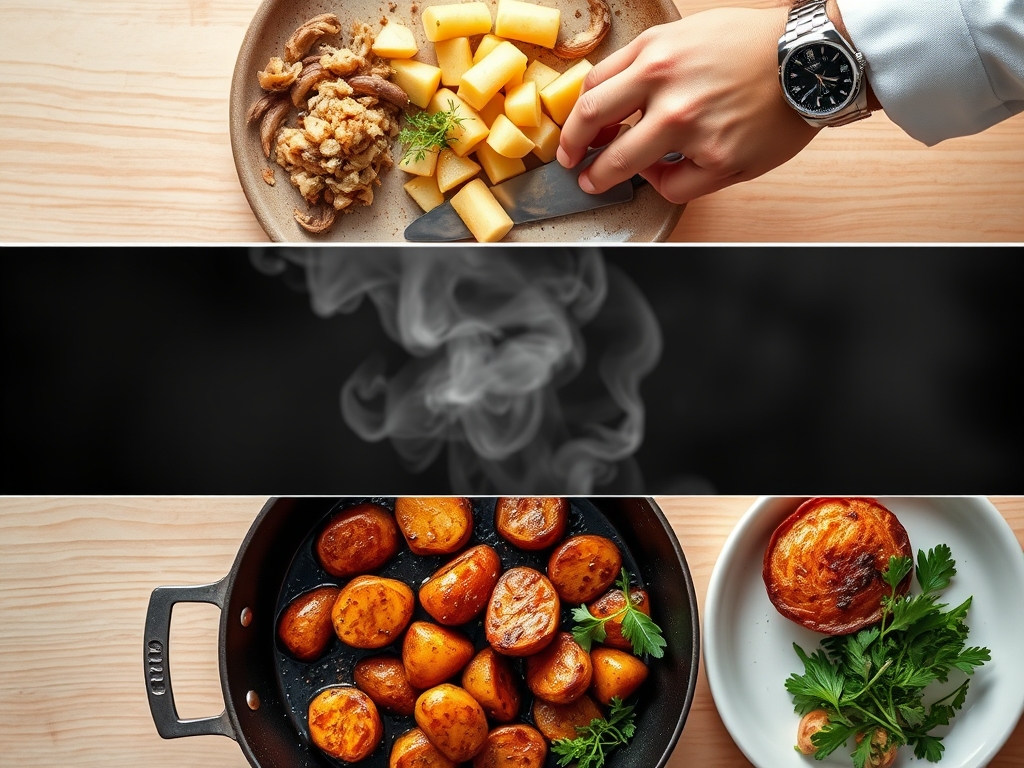
Start by simmering peeled chunks in alkaline water until the edges are frayed and fuzzy. Drain them and let them air-dry on a wire rack to remove surface moisture. Finally, roast them at high heat with plenty of fat, tossing halfway through to ensure even browning.
Pro Tip: The alkaline water breaks down the hemicellulose in the cell walls. This creates a starchy slurry on the exterior that dehydrates into a micro-thin, ultra-crunchy crust during the roasting phase.
2. The Hasselback Precision
Place a potato between two wooden spoons and slice thin rounds, using the spoons as a guard to prevent cutting all the way through. Brush generously with infused oil and bake. The slices will fan out like an accordion, allowing heat to penetrate every layer.
Pro Tip: This method increases the surface area for the Maillard reaction. By brushing fat between the layers, you are essentially shallow-frying each individual slice while it roasts.
3. The Smashed Transformation
Boil small waxy potatoes whole until tender. Use a heavy-bottomed skillet or a potato masher to flatten them into discs. Sear them in a hot pan with butter and garlic until both sides are golden and shatteringly crisp.
Pro Tip: Avoid moving the potatoes too early. You need to wait for thermal carryover to set the crust. If they stick to the pan, the proteins have not yet finished bonding and releasing.
4. The Silk Purée
Pass boiled Yukon Golds through a fine-mesh tamis or a ricer. Fold in cold, cubed butter and warm cream using a saucier. Use a silicone spatula to emulsify the fat into the starch until the mixture is glossy and holds its shape.
Pro Tip: Never use a food processor for mash. The high-speed blades shear the starch granules, releasing amylose and turning your elegant side dish into a gluey, unappealing paste.
5. The Fondant Elegance
Cut potatoes into uniform cylinders using a circular mold. Sear the ends in a heavy-bottomed skillet until dark brown. Add chicken stock and butter to the pan, then transfer to the oven to braise until the liquid reduces to a thick glaze.
Pro Tip: This technique uses osmosis to pull flavorful liquid into the potato cells while the bottom stays crispy. The result is a creamy interior and a savory, caramelized exterior.
The Deep Dive
From a macro perspective, potatoes are a powerhouse of potassium and complex carbohydrates. They provide sustained energy without the glucose spikes associated with refined flours. For those on specific diets, potatoes are naturally gluten-free. Vegan swaps are easy with plant-based fats, while Keto followers can use the same flavoring techniques on roasted cauliflower or daikon radish.
The Fix-It: If your potatoes are soggy, you likely overcrowded the pan, which trapped steam. To fix, spread them out on a larger tray and return to a 450 degree oven. If they are too salty, add a splash of acid like lemon juice or vinegar to balance the palate. If your mash is lumpy, you likely didn't cook the centers fully; next time, use a digital scale to ensure uniform sizing for even cooking.
Meal Prep: To reheat and maintain "day-one" quality, avoid the microwave. Use an air fryer or a toaster oven set to 350 degrees. This re-dehydrates the crust while gently warming the interior, preventing the dreaded "leathery" texture of nuked starch.
The Wrap-Up
Elevating your potato game is all about mastering the physics of the kitchen. By controlling moisture, heat, and fat, you turn a grocery staple into a gourmet experience. Whether you are smashing, slicing, or pureeing, remember that the best interesting potato recipes are the ones where you aren't afraid to push the browning to the limit. Now, go forth and conquer the carb!
The Kitchen Table
Why are my roasted potatoes never crunchy?
You likely skipped the parboil or crowded the pan. Boiling in alkaline water creates a starchy surface layer that crisps up perfectly. Ensure each piece has space so steam can escape rather than softening the exterior.
Can I prep potatoes ahead of time?
Yes. Peel and cut them, then submerge them completely in cold water in the fridge. This prevents enzymatic browning (oxidation). Just be sure to pat them bone-dry before cooking to ensure a proper sear.
What is the best potato for mashing?
Yukon Golds are the gold standard. They have a naturally buttery flavor and a medium starch content. This provides a creamy, velvet texture without the graininess of Russets or the waxiness of red potatoes.
How do I stop potatoes from sticking to the pan?
Ensure your pan and fat are preheated until shimmering. Once the potato hits the heat, do not move it. The "release" happens naturally once the crust has formed through the Maillard reaction and proteins contract.