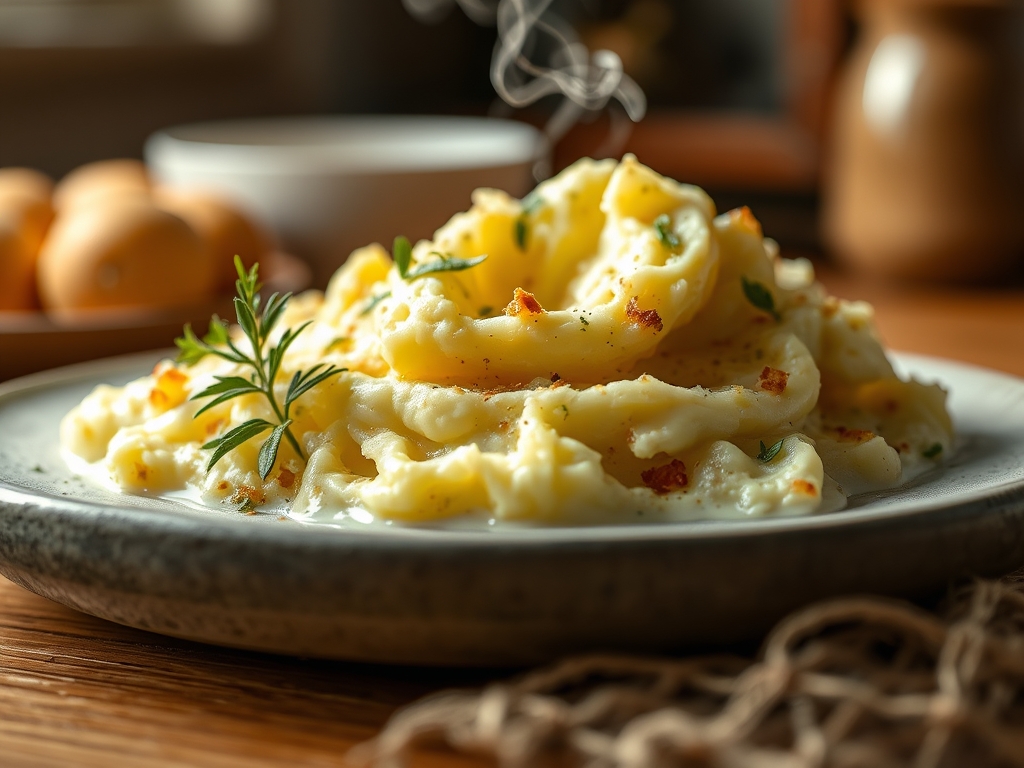
Steam rises from the heavy-bottomed pot in a fragrant, earthy cloud that signals the ultimate comfort is arriving. We are not just boiling vegetables here; we are engineering a masterpiece of texture and fat. If you are searching for mashed potato recipes with heavy cream, you have likely realized that milk is a watery imposter. You deserve a side dish that behaves like a velvet curtain on the tongue.
To achieve that specific, restaurant-grade silkiness, we have to look past the surface and focus on the cellular structure of the tuber. It is about the delicate balance between starch granules and lipid suspension. When we integrate heavy cream, we are not just adding liquid; we are introducing a high-fat buffer that prevents the starches from becoming a gummy, gluey mess. This is the difference between a side dish that sits on the plate and one that commands the entire meal. Grab your apron and your favorite wooden spoon. We are about to dive into the chemistry of the perfect mash, ensuring every bite is an aerated, buttery dream that defies the laws of ordinary home cooking.
The Gathers:
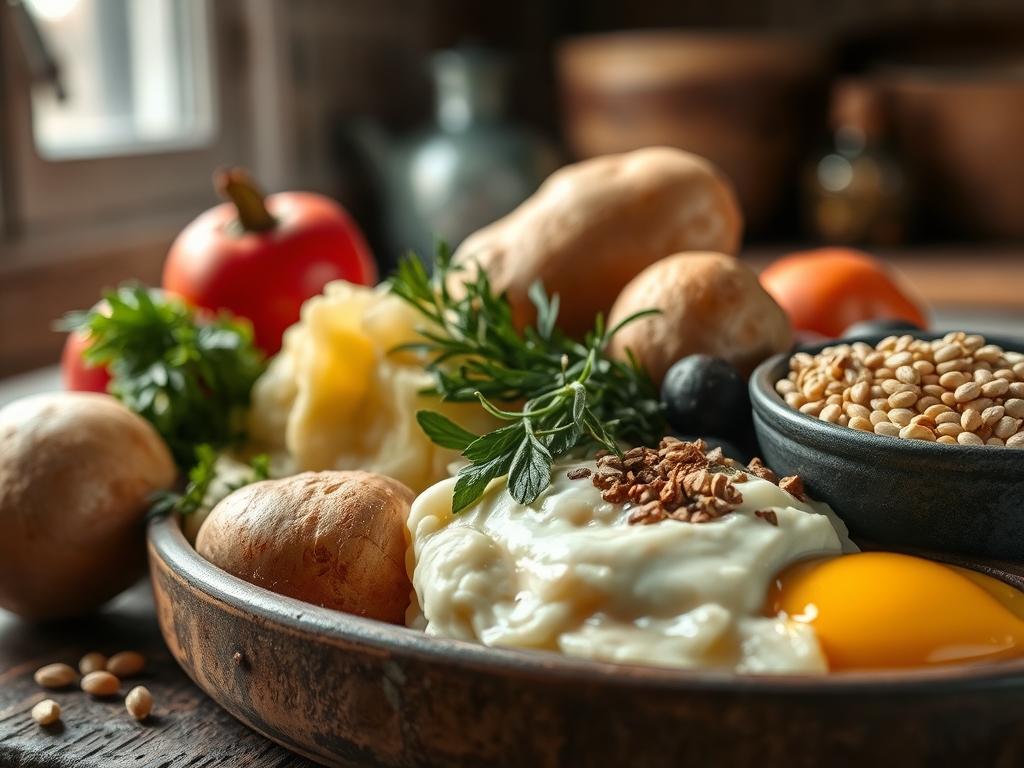
Precision starts at the grocery store. For this masterclass, your mise-en-place must be impeccable. You will need five pounds of Yukon Gold potatoes. I prefer Yukons over Russets because they possess a naturally buttery hue and a medium starch content that holds its shape without becoming grainy. You will also need one pint of high-quality heavy cream; look for a brand with at least 36 percent milkfat to ensure maximum viscosity.
Next, gather eight ounces of unsalted European-style butter. European butter is fermented longer and has a lower water content than standard sticks, which means more flavor and better emulsification. You will also need kosher salt for the boiling water and a finishing salt like Maldon for the crunch. For aromatics, keep fresh thyme sprigs, three cloves of smashed garlic, and a teaspoon of whole black peppercorns ready for the infusion stage.
Smart Substitutions: If you find yourself short on heavy cream, you can substitute a mixture of whole milk and mascarpone cheese to maintain that luxurious fat profile. If you are looking for a piquant edge, swap two ounces of the cream for full-fat creme fraiche. This adds a subtle tang that cuts through the richness of the butter, providing a sophisticated flavor profile that keeps the palate engaged.
The Clock
Efficiency in the kitchen is about mastering the Chef's Flow. This recipe requires approximately 15 minutes of active prep time and 25 minutes of passive cooking time. Total execution from countertop to table is 45 minutes. The flow is simple: while the potatoes are simmering, you are active with your saucier, infusing your fats. Never wait for the potatoes to finish before you start your cream. By the time the tubers are tender, your liquid gold should be hot and aromatic. This synchronized timing ensures that the potatoes never have a chance to cool down, which is the primary cause of starch retrogradation and unwanted graininess.
The Masterclass
1. The Uniform Cube
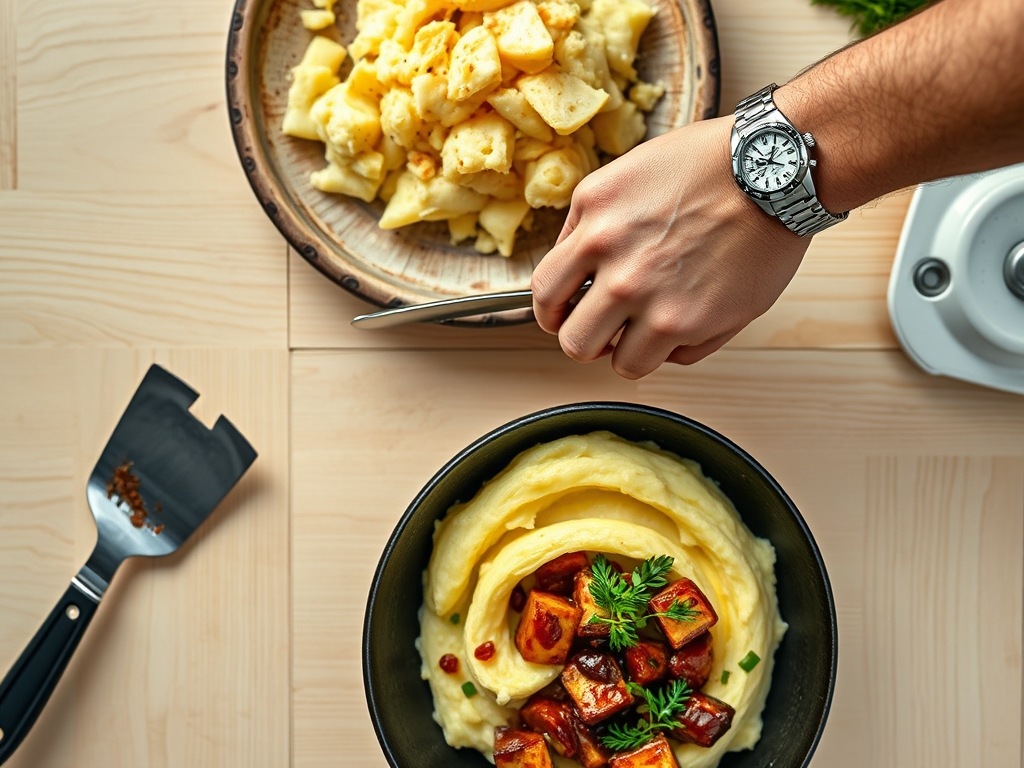
Peel your potatoes and use a sharp chef's knife to cut them into uniform one-inch cubes. Consistency is the key to even cooking. If some pieces are smaller, they will overcook and take on too much water, ruining the texture. Place them in a large pot and cover with cold, heavily salted water.
Pro Tip: Always start potatoes in cold water rather than boiling. This prevents the outside from overcooking and dissolving into a mushy exterior before the center reaches the proper temperature, a process known as gelatinization control.
2. The Infusion Warm-Up
While the potatoes simmer, place your heavy cream, butter, garlic, and thyme in a small saucier over low heat. You do not want a rolling boil; you want a gentle steep. This allows the fat-soluble compounds in the herbs and garlic to infuse into the cream.
Pro Tip: This step utilizes thermal mass. By adding hot liquid to hot potatoes, you keep the starch molecules relaxed. Cold cream shocks the starch, causing it to tighten and turn the mash into a rubbery consistency.
3. The Steam Dry
Once the potatoes are fork-tender, drain them in a colander. Now, return them to the hot pot for sixty seconds over low heat. Shake the pot gently to move the cubes around. You will see a white film form on the bottom; this is a good sign.
Pro Tip: This is called evaporative drying. Removing excess surface moisture ensures that the potatoes have "room" to absorb the heavy cream. If the cells are full of water, they cannot take on the fat, leading to a bland result.
4. The Ricer Revolution
Forget the hand masher. For the ultimate texture, pass the hot potatoes through a potato ricer or a food mill into a clean bowl. This process breaks the potato down into tiny, uniform shards without overworking the starch.
Pro Tip: Over-mashing with a mixer or whisk triggers shear stress, which ruptures the starch granules and releases amylose. High amylose levels create a sticky, glue-like paste instead of a fluffy cloud.
5. The Emulsion Fold
Strain your warm, infused cream through a fine-mesh sieve to remove the solids. Slowly pour the liquid into the riced potatoes in three stages. Use a silicone spatula to fold the liquid in gently until it is fully incorporated.
Pro Tip: This is a classic lipid-starch emulsion. By adding the fat slowly, you allow the potato solids to be coated in fat before they have a chance to clump together.
6. The Aeration Finish
Once the cream is incorporated, use a large whisk to give the mixture three or four vigorous turns. This introduces a small amount of air into the mixture, making it feel lighter on the tongue.
Pro Tip: Do not overdo it. You are looking for aeration, not whipping. Excess movement at this stage will still risk that gummy texture we worked so hard to avoid.
7. The Final Seasoning
Taste your creation. Adjust the salt levels and add a few cracks of white pepper if you want a clean look without black flecks. Transfer to a warm serving bowl and top with a final pat of butter.
Pro Tip: Remember flavor maturation. Salt takes a moment to dissolve into the fat. Wait thirty seconds after salting before you taste again to ensure you do not over-season.
The Deep Dive
From a nutritional standpoint, this dish is a powerhouse of carbohydrates and fats. One serving typically contains about 350 calories, with a significant portion coming from the saturated fats in the heavy cream and butter. While it is an indulgence, it also provides essential potassium and Vitamin C from the potatoes.
Dietary Swaps: For a Vegan version, use full-fat coconut milk and a high-quality plant-based butter; the fat content is high enough to mimic the mouthfeel. For Keto enthusiasts, replace the potatoes with steamed cauliflower that has been thoroughly squeezed dry with a kitchen towel before pureeing. This dish is naturally Gluten-Free, provided your butter and cream are pure.
The Fix-It:
- Too Soupy? Place the mash back in a heavy-bottomed skillet over low heat and stir constantly to evaporate excess moisture.
- Too Lumpy? You cannot rice them once they are wet. Your best bet is to use a whisk to break down the larger chunks, though the texture will be slightly heavier.
- Too Salty? Fold in a little more plain heavy cream or a dollop of unsweetened Greek yogurt to neutralize the sodium.
Meal Prep: To reheat, do not use the microwave alone. Place the potatoes in a small pot with a splash of extra heavy cream. Heat over low, stirring constantly to re-emulsify the fats. This restores the "day-one" silkiness that usually disappears when starches cool and crystallize.
The Wrap-Up
There you have it! You have officially graduated from basic boiling to a master of molecular gastronomy. By understanding how heavy cream interacts with potato starch, you have unlocked a level of culinary prowess that most people only experience at five-star steakhouses. These mashed potato recipes with heavy cream are more than just food; they are a warm hug in a bowl. Now, grab your bench scraper to tidy up your station, serve those beautiful clouds of gold, and wait for the inevitable requests for seconds. You earned it!
The Kitchen Table
Can I make these ahead of time?
Yes. Store them in a slow cooker on the "warm" setting for up to two hours. Add a splash of heavy cream and stir every thirty minutes to maintain the creamy emulsion and prevent a skin from forming on top.
What is the best potato for mashing?
Yukon Gold is the gold standard. They have a naturally creamy texture and a medium starch content. Russets are great for fluffiness but can become grainy, while red potatoes are too waxy and often turn out gluey.
Why are my mashed potatoes gummy?
Gumminess is caused by overworking the potatoes. When you mash too vigorously or use a food processor, you rupture the starch cells. This releases amylose, which turns the mixture into a sticky, glue-like paste that is impossible to fix.
Should I peel the potatoes before or after boiling?
Peel them before boiling for the smoothest texture. Boiling with skins on can lead to "tannin" staining and makes it harder to rice the potatoes quickly while they are still hot, which is crucial for absorbing the heavy cream.
Can I freeze mashed potatoes made with heavy cream?
Absolutely. The high fat content from the heavy cream and butter actually helps them freeze better than low-fat versions. Thaw them overnight in the fridge and reheat slowly on the stove with an extra splash of cream to restore texture.