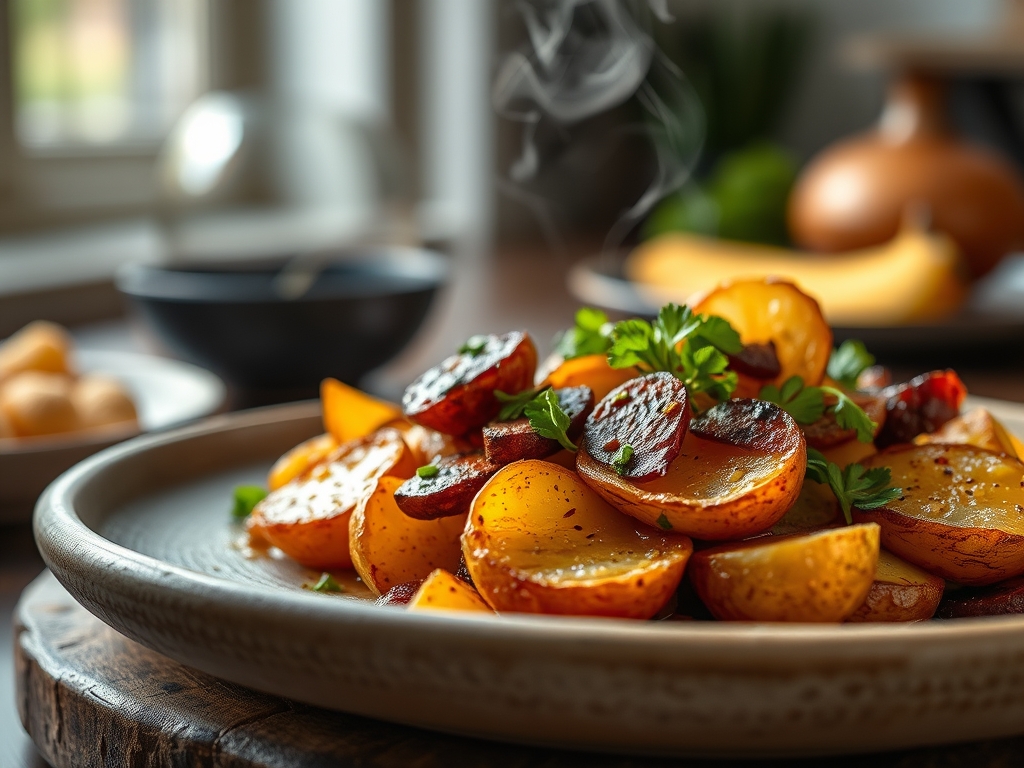
Imagine the sound of a heavy bottomed skillet hitting the burner; a resonant, metallic ring that signals the start of something transformative. As the heat climbs, the air begins to vibrate with the scent of smoked paprika and garlic. This is the alchemy of chorizo potato recipes, where humble tubers meet the fiery, fat-soluble pigments of Spanish or Mexican sausage. It is a sensory collision that turns a simple kitchen into a high-end bistro. We are not just making dinner; we are engineering a masterpiece of texture and piquant heat that will leave your guests breathless and begging for the secret.
The Gathers:
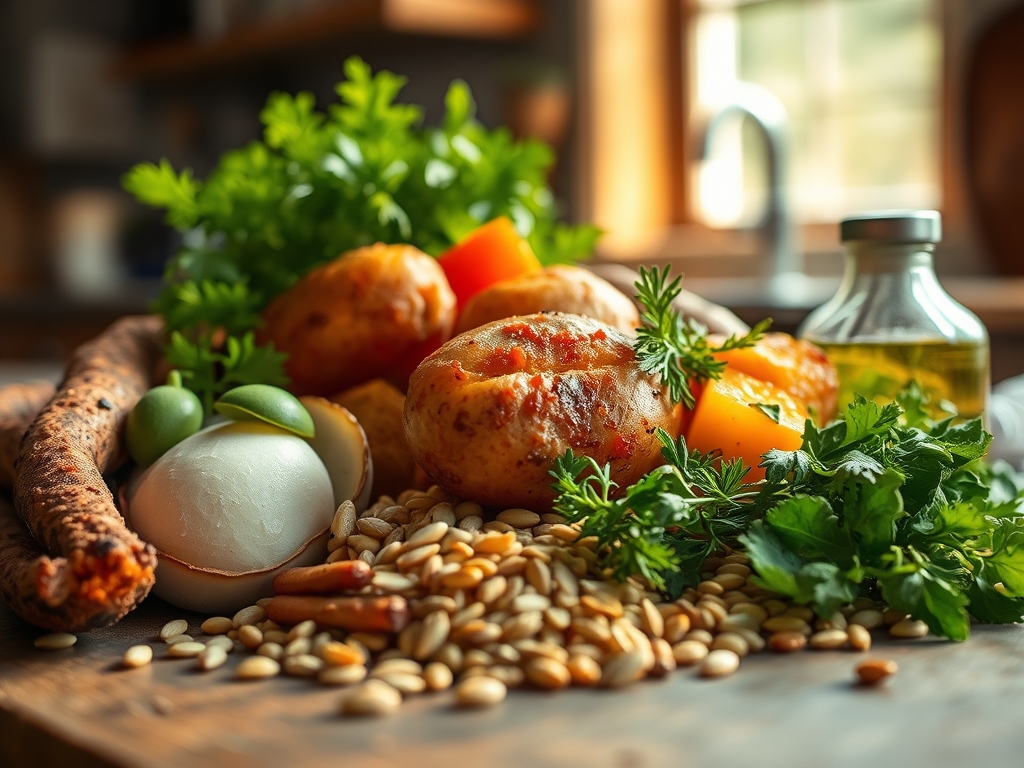
To execute these six variations flawlessly, your mise-en-place must be precise. We begin with the foundation: the potato. For a crisp exterior and fluffy interior, reach for Russets, which possess a high starch content and low moisture. If you prefer a waxy, buttery mouthfeel that holds its shape during a vigorous sauté, Yukon Golds are your best friend. On the protein front, understand the distinction between Spanish chorizo, which is cured and firm, and Mexican chorizo, which is raw and requires a full render.
Your toolkit is just as vital as your ingredients. You will need a sharp chef knife for uniform dicing; inconsistency in size leads to uneven thermal distribution. A microplane is essential for grating fresh garlic or citrus zest to brighten the heavy fats. A digital scale ensures your ratios are mathematically perfect, preventing the oil from overwhelming the palate.
Smart Substitutions:
If you find yourself without traditional chorizo, a blend of ground pork, smoked paprika, cumin, and a splash of sherry vinegar can replicate the flavor profile. For those seeking a lighter lift, soy-rizo offers a surprisingly similar texture when browned properly. If you are out of potatoes, parsnips or celery root provide a similar starch density with a sophisticated, earthy twist.
The Clock:
Mastering the "Chef's Flow" is about overlapping tasks to minimize downtime. Expect a 15 minute preparation window for chopping and measuring, followed by a 25 to 35 minute cook time depending on the specific dish. The total commitment is roughly 50 minutes.
The secret to efficiency is the "staggered start." While your potatoes are parboiling or roasting to soften their cellular structure, use that time to render the fat from your chorizo in a separate saucier. By the time the potatoes are ready for their final sear, your pan is already coated in a vibrant, infused oil. This synchronization ensures that no component sits long enough to become soggy or lose its structural integrity.
The Masterclass:
1. The Parboil Precision
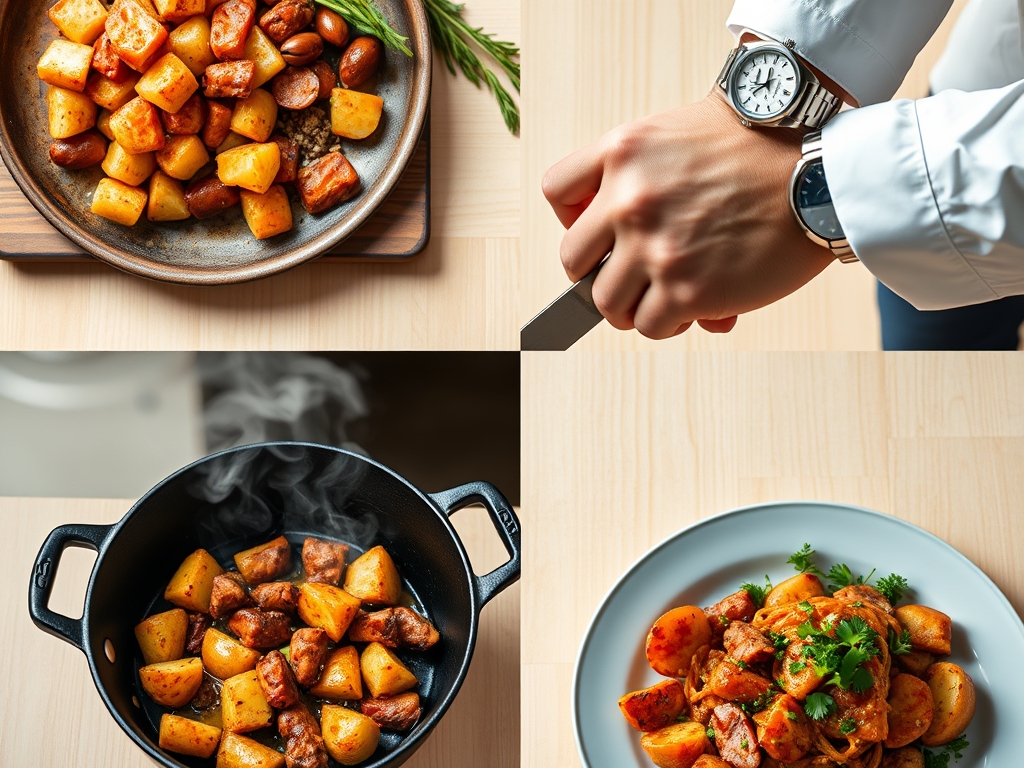
Before the potatoes ever touch oil, they need a head start in salted, boiling water. This gelatinizes the exterior starch. Use a timer to ensure they are fork-tender but not falling apart. Drain them and let the steam escape; moisture is the enemy of a crisp crust.
Pro Tip: This step initiates enzymatic browning prevention. By briefly boiling the potatoes in slightly acidic water (add a teaspoon of vinegar), you strengthen the pectin, ensuring the cubes maintain their sharp edges during the high-heat sauté.
2. Rendering the Liquid Gold
Place your chorizo in a cold heavy-bottomed skillet and gradually raise the heat. This slow climb allows the fat to melt out (render) without burning the delicate spices. Use a wooden spoon to break the meat into small, uniform crumbles.
Pro Tip: This process is an exercise in lipid infusion. The fat acts as a solvent, extracting the fat-soluble compounds from the paprika and garlic, which then creates a flavored oil that will coat every millimeter of your potatoes.
3. The High-Heat Marriage
Once the chorizo is crispy, remove the solids with a slotted spoon, leaving the red oil behind. Increase the heat to medium-high and add your dried potatoes. Do not crowd the pan. If you overload the skillet, the temperature drops and the potatoes will steam instead of sear.
Pro Tip: You are aiming for the Maillard reaction, a chemical reaction between amino acids and reducing sugars that gives browned food its distinctive flavor. Constant movement with a bench scraper or tongs ensures even coloration.
4. Deglazing the Fond
As the potatoes brown, a thin layer of caramelized protein and starch will stick to the bottom of the pan. This is called the fond. Pour in a splash of dry white wine or chicken stock and use your spatula to scrape those flavorful bits back into the mix.
Pro Tip: This technique uses solvent extraction to incorporate concentrated flavors back into the dish. The liquid evaporates, leaving behind a viscous glaze that binds the chorizo and potatoes together.
5. The Final Aeration
Just before serving, toss in fresh aromatics like cilantro, scallions, or a squeeze of lime juice. This adds a "top note" to the deep, earthy base of the dish. Use a wide bowl to toss the ingredients, allowing air to circulate.
Pro Tip: Aerate the mixture to prevent trapped steam from softening the crust you worked so hard to build. This final toss ensures the textures remain distinct and the flavors stay vibrant.
6. The Carryover Rest
Transfer the dish to a warmed serving platter. Let it sit for three minutes before diving in. This allows the internal temperatures to stabilize and the juices to redistribute.
Pro Tip: This accounts for thermal carryover. The residual heat continues to cook the center of the potato cubes for a few minutes after they leave the pan, ensuring a creamy, melt-in-your-mouth finish without over-browning the exterior.
The Deep Dive:
From a nutritional standpoint, chorizo potato recipes are powerhouse meals. A standard serving provides a significant hit of potassium from the potatoes and high-quality protein from the pork. To make this Keto-friendly, swap the potatoes for roasted cauliflower florets. For a Vegan version, use a plant-based sausage and extra virgin olive oil. All these recipes are naturally Gluten-Free, provided your chorizo does not contain flour-based fillers.
The Fix-It:
- Soggy Potatoes: Your pan was likely overcrowded. Fix this by spreading the mixture onto a preheated baking sheet and blasting it at 425 degrees for five minutes.
- Burnt Spices: If the chorizo oil smells bitter, the heat was too high. Discard the oil, wipe the pan, and start over with fresh oil and a pinch of smoked paprika.
- Dry Texture: If the dish feels "tacky," you lack a lubricant. Whisk a tablespoon of warm stock with a teaspoon of butter and fold it in to create a silky emulsion.
Meal Prep: To reheat, avoid the microwave at all costs; it turns potatoes into rubber. Instead, use an air fryer or a hot skillet. This re-activates the fats and crisps the exterior, returning the dish to its "day-one" glory.
The Wrap-Up:
There is something profoundly satisfying about the marriage of spice and starch. These chorizo potato recipes are more than just fuel; they are a celebration of bold flavors and technical finesse. Whether you are hosting a boisterous brunch or a quiet weeknight dinner, the vibrant red hues and crispy textures of these dishes will command the table. Now, grab your skillet and go create some kitchen magic!
The Kitchen Table:
What is the best potato for chorizo recipes?
Russets or Yukon Golds are ideal. Russets provide a classic floury crunch due to high starch, while Yukon Golds offer a rich, buttery texture that holds its shape during the high-heat sautéing process required for perfect browning.
Can I use Spanish chorizo instead of Mexican?
Yes, but the technique changes. Spanish chorizo is cured and firm; slice it into rounds and sear briefly. Mexican chorizo is raw; it must be removed from the casing and fully rendered until it becomes crispy and crumbly.
How do I prevent my potatoes from sticking?
Ensure your skillet is properly preheated before adding fat. Use a heavy-bottomed pan like cast iron or stainless steel. Most importantly, do not move the potatoes until a crust has formed naturally, allowing them to release from the surface.
How long do chorizo potatoes stay fresh?
Stored in an airtight container, they last three to four days in the refrigerator. For the best texture, reheat them in an oven or air fryer to maintain the crispness of the potato skin and the integrity of the rendered fat.