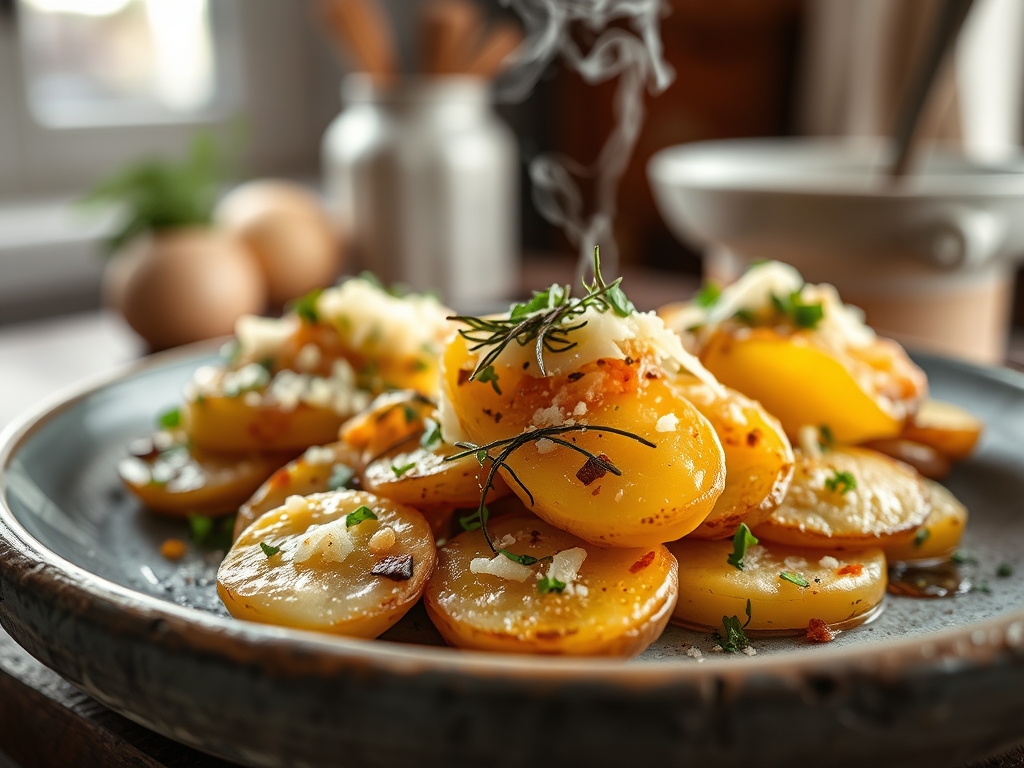
Imagine the sound of a glass-shattering crunch followed by the velvet sigh of a perfectly steamed interior. That is the holy grail of potato recipes with parmesan cheese. We are moving beyond the humble side dish into the realm of architectural snacking where texture is king and the Maillard reaction is our primary aesthetic.
The secret to this transformation is not just heat; it is the molecular marriage between the starch of a Yukon Gold and the desiccated proteins of aged Parmigiano-Reggiano. When these two meet on a hot surface, they create a lacy, golden "frico" crust that acts as a structural exoskeleton for the soft tuber inside. We are going to manipulate moisture, surface area, and fat distribution to ensure every single bite delivers that piquant, salty punch you crave. Grab your apron and your favorite microplane; we are about to turn a bag of spuds into a masterclass in crispy engineering.
The Gathers:
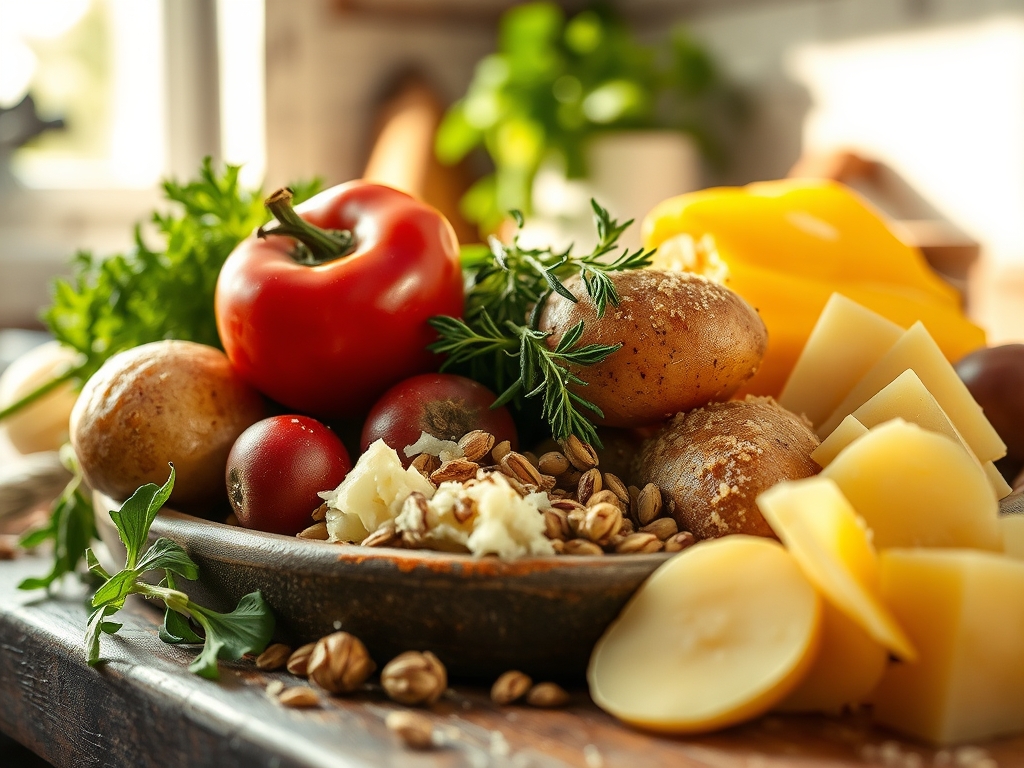
Before we fire up the oven, we must assemble our laboratory. For the base, select Yukon Gold potatoes for their high amylopectin content, which creates a viscous, creamy texture that holds up under high heat. You will need a high-quality Parmigiano-Reggiano; avoid the pre-shredded stuff in plastic tubs as the cellulose anti-caking agents will prevent the cheese from melting into a cohesive lattice.
Your fat source should be a high-smoke-point oil like avocado oil or clarified butter (ghee) to ensure we can reach 425 degrees Fahrenheit without the fat breaking down and becoming bitter. For aromatics, we will use garlic powder rather than fresh garlic to avoid burning during the long roast time, along with smoked paprika for a hint of depth and flaky Maldon salt for the final crystalline finish.
Smart Substitutions:
If you are looking to pivot, Pecorino Romano offers a more aggressive, sheep-milk tang that pairs beautifully with black pepper. For a vegan-friendly version, nutritional yeast mixed with almond flour and a touch of lactic acid powder can mimic the savory umami of parmesan. If you are watching carbohydrates, you can apply these exact same crusting techniques to cauliflower florets or radishes, though the roasting time will decrease by thirty percent.
The Clock
Efficiency in the kitchen is about Chef's Flow, which is the art of overlapping tasks to eliminate "dead air." Total active prep time is 15 minutes, while the oven does the heavy lifting for 35 to 40 minutes.
Start by preheating your oven and your heavy-bottomed baking sheet simultaneously. This "pre-searing" technique ensures that the moment the potatoes hit the metal, the moisture on the surface evaporates instantly. While the oven climbs to temperature, you will wash, dry, and slice your tubers. Use this time to grate your cheese into a fine snow using a microplane; the increased surface area of finely grated cheese allows for a more rapid and even melt.
The Masterclass:
1. The Surface Area Optimization
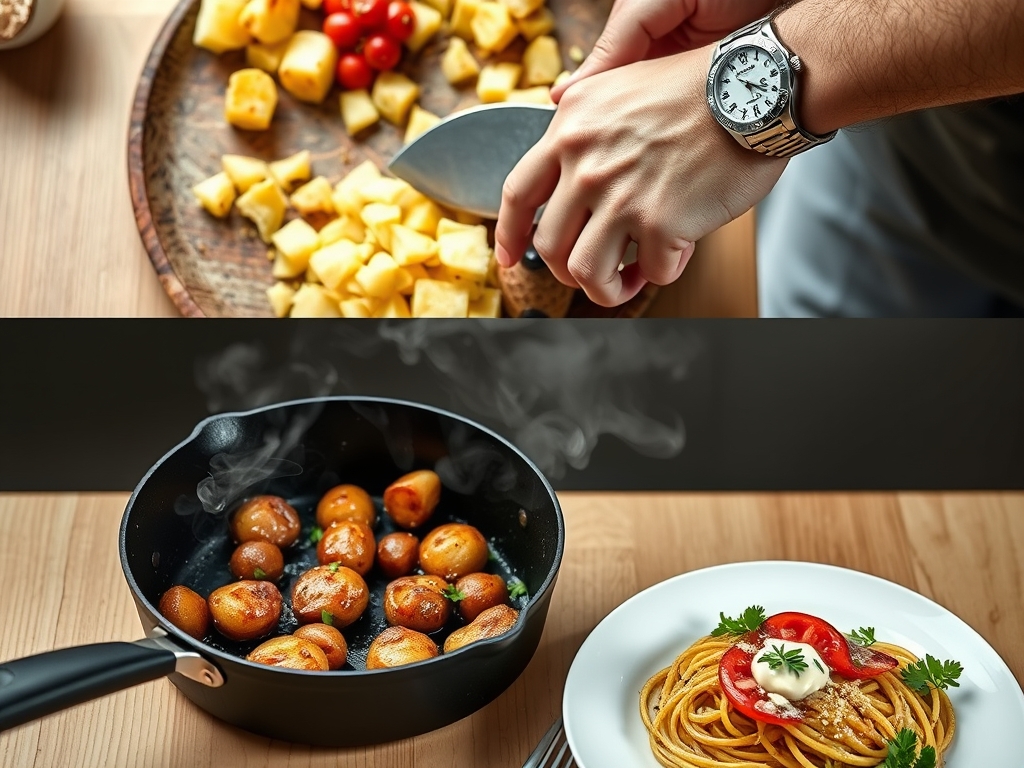
Slice your potatoes into halves or thick coins. Use a sharp chef knife or a mandoline to ensure uniform thickness, which guarantees that every piece finishes cooking at the exact same millisecond.
Pro Tip: This is called enzymatic browning prevention. If you aren't roasting immediately, submerge the cuts in cold water to wash away excess surface starch, which prevents the potatoes from turning a dull grey before they hit the heat.
2. The Infusion Bath
In a large mixing bowl, toss the potatoes with your oil and dry spices. Do not add the cheese yet. We want the oil to infuse with the paprika and garlic, coating every crevice of the potato to act as a conductive medium for the heat.
Pro Tip: Using a digital scale to measure your oil ensures you don't over-saturate the potatoes. Too much oil leads to a greasy finish rather than a crisp one because the excess liquid prevents the temperature from rising above 212 degrees.
3. The Cheese Bed Construction
On your preheated baking sheet, sprinkle a generous, even layer of the finely grated parmesan. You are essentially creating a sacrificial layer of protein that will fuse to the potato. Place the potatoes cut-side down directly onto the cheese.
Pro Tip: This stage utilizes thermal carryover. The hot pan starts the "frico" process instantly, locking the cheese to the potato skin before the internal moisture of the vegetable can steam the crust off.
4. The High-Heat Roast
Slide the tray into the center rack. The ambient heat will soften the interior of the potato while the direct contact heat from the pan fries the cheese into a crisp wafer.
Pro Tip: Avoid opening the oven door. Every time you peek, you lose roughly 25 degrees of heat, which causes the oven to cycle and can lead to uneven Maillard reaction browning.
5. The Aeration Rest
Once the edges of the cheese are a deep mahogany, remove the pan. Use a bench scraper or metal spatula to gently lift the potatoes. Do not crowd them on a plate immediately; move them to a wire cooling rack.
Pro Tip: Resting on a wire rack allows air to circulate around the entire potato. This prevents steam from being trapped underneath, which would otherwise turn your hard-earned crust into a soggy mess.
6. The Final Seasoning
While the potatoes are still vibrating with heat, hit them with a final dusting of fresh herbs or a squeeze of lemon juice to brighten the fats.
Pro Tip: This is the "Flash Evaporation" phase. The residual heat will cook the raw edge off the herbs and evaporate the liquid in the lemon juice, leaving only the concentrated flavor behind.
The Deep Dive
From a macro perspective, a standard serving of these parmesan potatoes provides roughly 280 calories, with 12 grams of fat and 6 grams of protein. The cheese adds a significant calcium boost, while the potatoes provide more potassium than a banana.
The Fix-It:
- Soggy Crust: Your oven temperature was likely too low or you overcrowded the pan. Ensure there is at least a half-inch of space between each potato to allow steam to escape.
- Burnt Cheese: This happens if you use "shaker" cheese or if your rack is too low. Move the tray to the middle position and use real Parmigiano-Reggiano.
- Sticking to Pan: You likely didn't use enough oil or tried to flip them too early. The cheese will naturally release from the pan once it has fully dehydrated and crisped.
Meal Prep & Reheating:
To maintain "day-one" quality, never use a microwave. The microwave agitates water molecules, which turns the starch into a gummy paste. Instead, use an air fryer at 375 degrees for 4 minutes or a heavy-bottomed skillet over medium heat to re-crisp the bottom.
The Wrap-Up
Mastering potato recipes with parmesan cheese is a fundamental skill that bridges the gap between home cooking and professional culinary arts. It is all about the physics of moisture control and the chemistry of protein dehydration. Once you see that golden, lacy crust emerge from your oven, you will never look at a plain roasted potato the same way again. Go forth, get that crunch, and remember: the microplane is your best friend.
The Kitchen Table
Why is my parmesan not getting crispy?
You are likely using pre-shredded cheese containing potato starch or cellulose. These additives prevent the cheese proteins from bonding into a crisp "frico." Use a microplane to grate fresh Parmigiano-Reggiano for the best structural results.
Can I use frozen potatoes for this recipe?
Yes, but you must thaw and pat them completely dry first. Any residual surface moisture will create steam, which prevents the cheese from adhering to the potato and results in a soft, mushy texture instead of a crunch.
What is the best potato variety to use?
Yukon Golds are the gold standard because they have a medium starch content. This allows for a creamy interior that contrasts perfectly with the hard cheese crust. Russets are a secondary choice but can be slightly too floury.
How do I stop the garlic from burning?
Always use garlic powder for high-heat roasting. Fresh minced garlic contains moisture and sugars that carbonize and turn bitter at 425 degrees. Garlic powder provides the flavor profile without the risk of acrid, burnt bits on your potatoes.