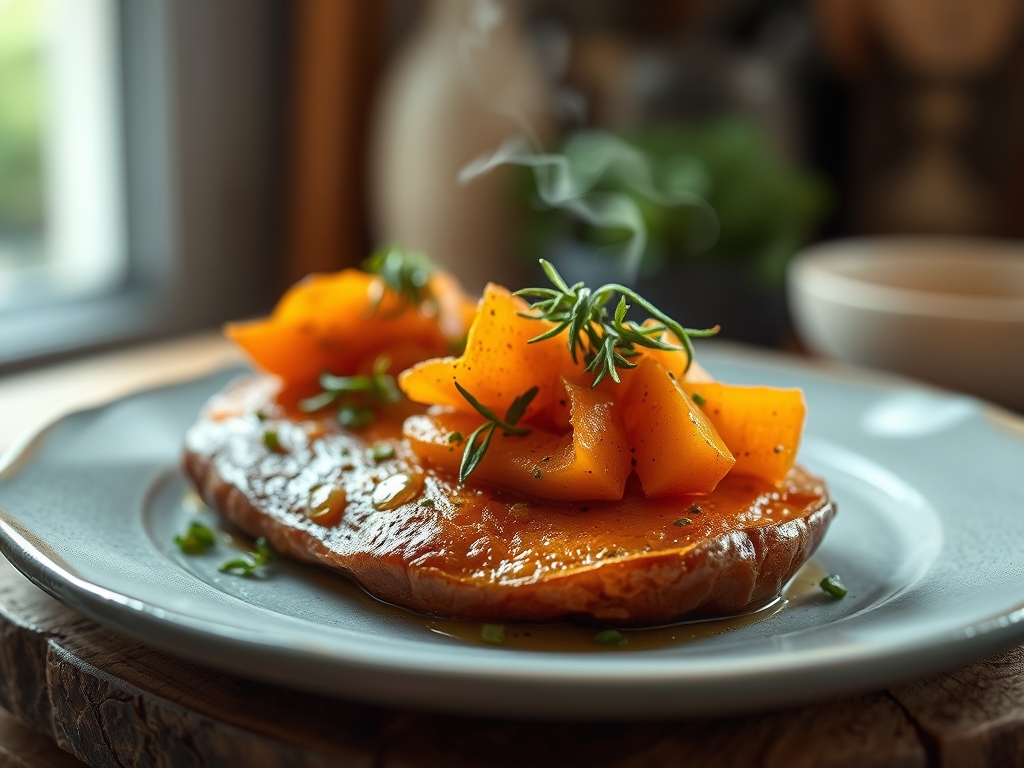
Imagine the scent of caramelized sugars drifting through your kitchen as a heavy-bottomed skillet hisses with the promise of a perfect dinner. Finding the right balance between nutrition and indulgence is a culinary tightrope, but these ten simple sweet potato recipes provide the ultimate safety net for your weeknight rotation. We are turning humble tubers into gourmet masterpieces tonight.
Sweet potatoes are the unsung heroes of the pantry; they are dense with complex carbohydrates and beta-carotene. When we apply high heat, we trigger the Maillard reaction, transforming starch into a deep, nutty sweetness that satisfies the soul. This isn't just about boiling a potato. It is about understanding the molecular structure of the flesh to create textures that range from velvety purees to shatteringly crisp edges. Whether you are craving a piquant chili-lime roast or a viscous, maple-glazed side, the versatility here is unmatched.
I have spent years obsessing over the perfect roast. I have tested every variable from oven humidity to salt grain size. What I found is that simplicity, backed by a little bit of science, wins every single time. We are going to dive into the mechanics of heat and moisture to ensure your dinner is not just healthy, but technically flawless. Grab your favorite apron and let's get to work on these simple sweet potato recipes.
The Gathers:
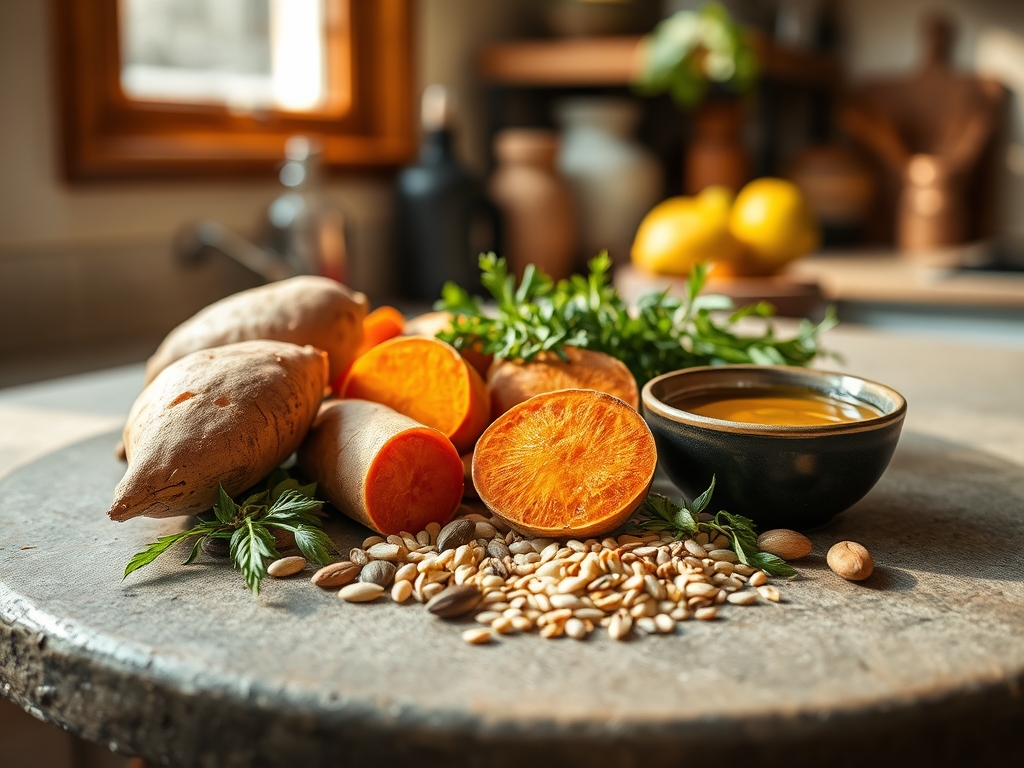
To execute these simple sweet potato recipes with precision, your mise-en-place must be intentional. Start with the star: firm, unblemished Beauregard or Jewel sweet potatoes. Look for high density and tight skin, which indicates optimal moisture content. You will also need a high-smoke-point fat like avocado oil or clarified butter to ensure the sugars do not scorch before the interior reaches a creamy consistency.
Your toolkit is just as vital as your ingredients. Ensure you have a sharp chef's knife for clean cellular cuts, a digital scale for precise portioning, and a microplane for zesting aromatics. For the more technical preparations, a saucier is essential for emulsifying butter-based glazes without breaking the fat.
Smart Substitutions:
If you are looking to lower the glycemic load, swap one-third of the sweet potato volume with parsnips or carrots. For a vegan profile, replace honey with agave syrup or a reduction of balsamic vinegar to maintain that viscous mouthfeel. If you lack a microplane, use the finest edge of a box grater to aerate your garlic and ginger into a fine paste.
The Clock
Efficiency in the kitchen is about mastering the "Chef's Flow." For these simple sweet potato recipes, your active prep time should hover around 15 minutes. The heavy lifting happens in the oven or on the stovetop. A standard roast takes 25 to 35 minutes at 400 degrees Fahrenheit, while a stovetop sear requires only 12 minutes of focused heat management.
The "Chef's Flow" means prepping your garnishes and sauces while the potatoes undergo their thermal transformation. Do not wait for the timer to beep before you start your lime crema or toasted pepitas. By the time the potatoes are finished with their carryover cooking, your entire meal should be ready for assembly. This prevents heat loss and ensures the textures remain vibrant.
The Masterclass
1. The Precision Cut
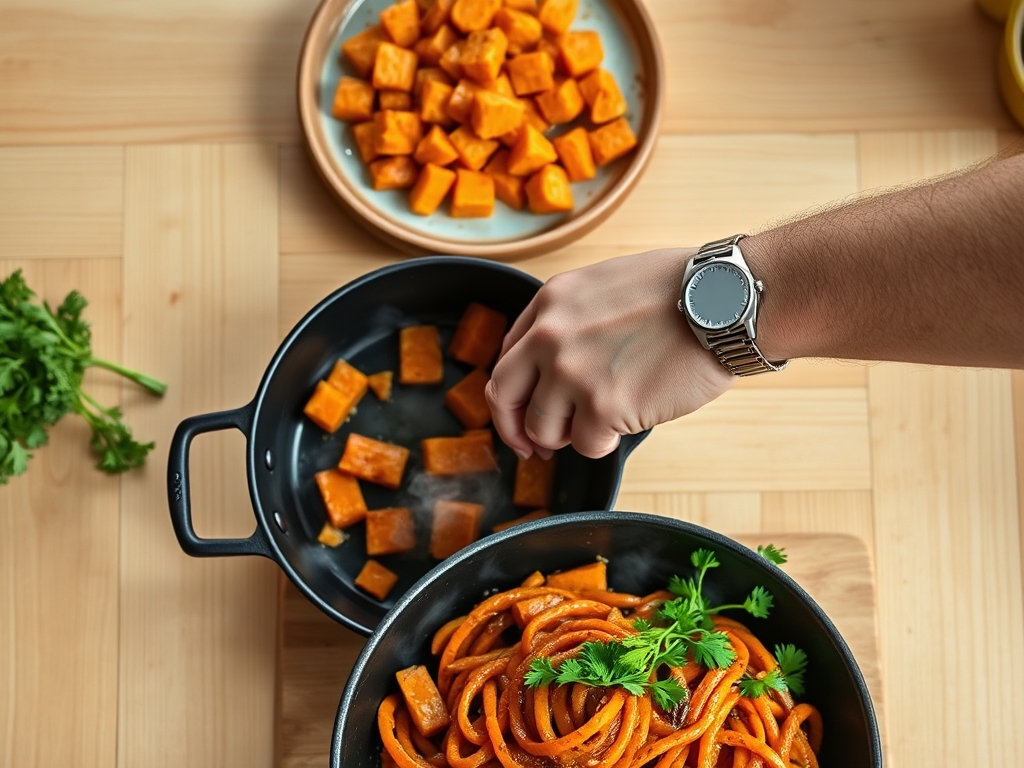
Use a sharp chef's knife to slice the potatoes into uniform half-inch rounds or cubes. Uniformity is not just for aesthetics; it ensures that every piece reaches the same internal temperature at the same time. Use a bench scraper to transfer your pieces to a large mixing bowl without bruising the flesh.
Pro Tip: This prevents enzymatic browning. By cutting the potatoes just before cooking, you limit the exposure of polyphenol oxidase to oxygen, keeping the vibrant orange hue intact.
2. The Oil Infusion
Drizzle your fat over the potatoes and toss vigorously. You want a thin, even coat that creates a hydrophobic barrier. This barrier helps the exterior dehydrate quickly in the heat, which is the first step toward a crispy crust. Season generously with kosher salt to draw out a tiny amount of surface moisture.
Pro Tip: Salt facilitates osmosis. By drawing moisture to the surface, the salt creates a concentrated brine that seasons the potato deeply while helping the skin crisp through rapid evaporation.
3. The High-Heat Roast
Spread the potatoes on a preheated sheet pan. The contact with the hot metal initiates immediate searing. Do not crowd the pan; if the pieces are too close, they will trap steam and turn mushy rather than roasting. Use metal tongs to flip the pieces halfway through the duration.
Pro Tip: This utilizes thermal carryover. When you remove the pan from the oven, the internal temperature continues to rise by 5 to 10 degrees. Pulling them out just before they look "perfect" prevents overcooking.
4. The Deglaze and Glaze
For stovetop variations, once the potatoes have rendered some of their natural sugars, deglaze the heavy-bottomed skillet with a splash of apple cider vinegar or vegetable stock. This lifts the fond (those delicious brown bits) from the bottom of the pan and incorporates them back into a viscous sauce.
Pro Tip: Deglazing uses acidity to balance the sweetness. The acetic acid in the vinegar breaks down complex sugars on the palate, making the dish taste brighter and more complex.
5. The Aerated Finish
Before serving, use your microplane to grate fresh lime zest or parmesan cheese over the hot potatoes. The residual heat will release the essential oils in the zest or slightly melt the cheese, creating an aromatic finish that hits the nose before the first bite.
Pro Tip: This is about volatile organic compounds. Heat increases the kinetic energy of the aroma molecules, allowing them to travel faster and enhance the overall sensory experience of the dish.
The Deep Dive
When we look at the macro nutrition of these simple sweet potato recipes, we see a powerhouse of fuel. A medium sweet potato offers about 25 grams of complex carbs and 4 grams of fiber, which provides sustained energy without the crash. For those on specific diets, these recipes are naturally gluten-free. To make them Keto-friendly, focus on smaller portions paired with high-fat proteins like salmon or ribeye. For a vegan approach, use nutritional yeast to provide a savory, "cheesy" depth.
The Fix-It:
- Soggy Potatoes: This usually happens due to overcrowding. If the pan is too full, steam is trapped. Fix: Spread them across two pans or use a wire rack.
- Burnt Edges, Raw Middle: The oven temperature is too high. Fix: Lower the heat to 375 and cover with foil for the first 10 minutes to steam the interior before browning.
- Bland Flavor: You likely under-salted before roasting. Fix: Finish with a finishing salt like Maldon or a squeeze of fresh lemon juice to wake up the flavors.
For meal prep, reheating science is key. To maintain "day-one" quality, avoid the microwave, which turns the starch gummy. Instead, use an air fryer at 350 degrees for 4 minutes or a dry skillet over medium heat. This re-dehydrates the surface and restores the crispness.
The Wrap-Up
Mastering simple sweet potato recipes is like having a culinary superpower. You have the tools, the science, and the techniques to turn a basic root vegetable into a sophisticated, healthy dinner. Remember that cooking is as much about the physics of heat as it is about the flavors you choose. Keep your knives sharp, your pans hot, and your curiosity peaked. I cannot wait to hear how these "fixes" transform your nightly routine into something truly spectacular!
The Kitchen Table
Can I eat the skin of the sweet potato?
Yes, the skin is highly nutritious and contains significant fiber. When roasted at high heat, the skin becomes crispy and provides a structural contrast to the creamy interior. Just ensure you scrub the tubers thoroughly before slicing to remove any grit.
Why do my sweet potatoes turn brown after cutting?
This is enzymatic browning caused by oxygen exposure. To prevent this, cook them immediately after cutting or submerge the raw slices in cold water. This blocks the oxygen from reacting with the enzymes in the potato tissue until you are ready.
What is the best oil for roasting sweet potatoes?
Avocado oil is ideal because it has a high smoke point of 520 degrees Fahrenheit. This allows you to roast at high temperatures to achieve a crisp exterior without the oil breaking down and creating acrid, bitter flavors or harmful compounds.
How do I make sweet potatoes extra crispy?
The secret is starch management. Lightly dusting the raw, oiled pieces with a teaspoon of cornstarch or arrowroot powder before roasting creates a thin, gluten-free crust. This absorbs excess moisture and results in a much louder, more satisfying crunch.