
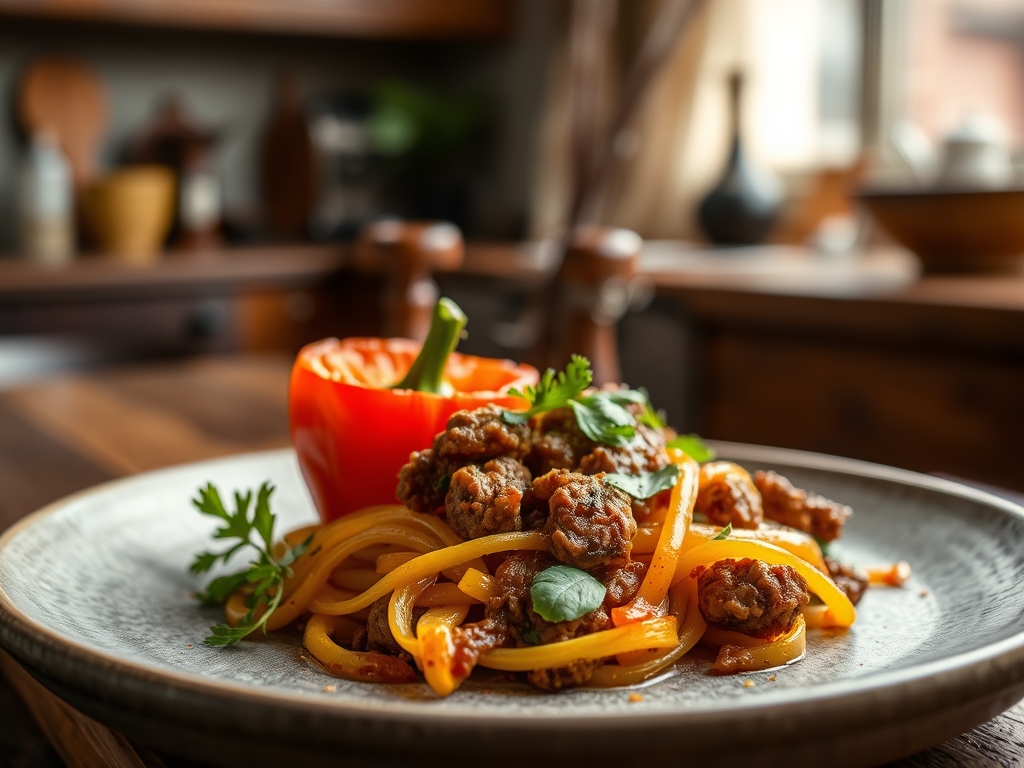
Imagine the sound of cold, crisp vegetable skins meeting the singing surface of a heavy-bottomed skillet. That sharp, percussive sizzle is the sound of moisture rapidly evaporating to make room for flavor. When you master bell pepper and ground beef recipes, you are balancing the high-water content of garden-fresh produce against the rich, savory fats of quality protein. It is a culinary dance of color and chemistry.
The aroma of these recipes is unmistakable; it is the scent of woodsy paprika mingling with the sweetness of caramelized fructose. We are moving beyond the soggy, grey meat of school cafeterias. We are aiming for high-impact, vibrant meals that respect the integrity of every ingredient. Whether you are stuffing them, stir-frying them, or simmering them into a thick ragu, the synergy between the piquant snap of the pepper and the deep umami of the beef is unmatched. This guide is your roadmap to achieving that perfect, restaurant-quality sear and the precise texture that keeps your dinner guests asking for your secrets.
The Gathers:
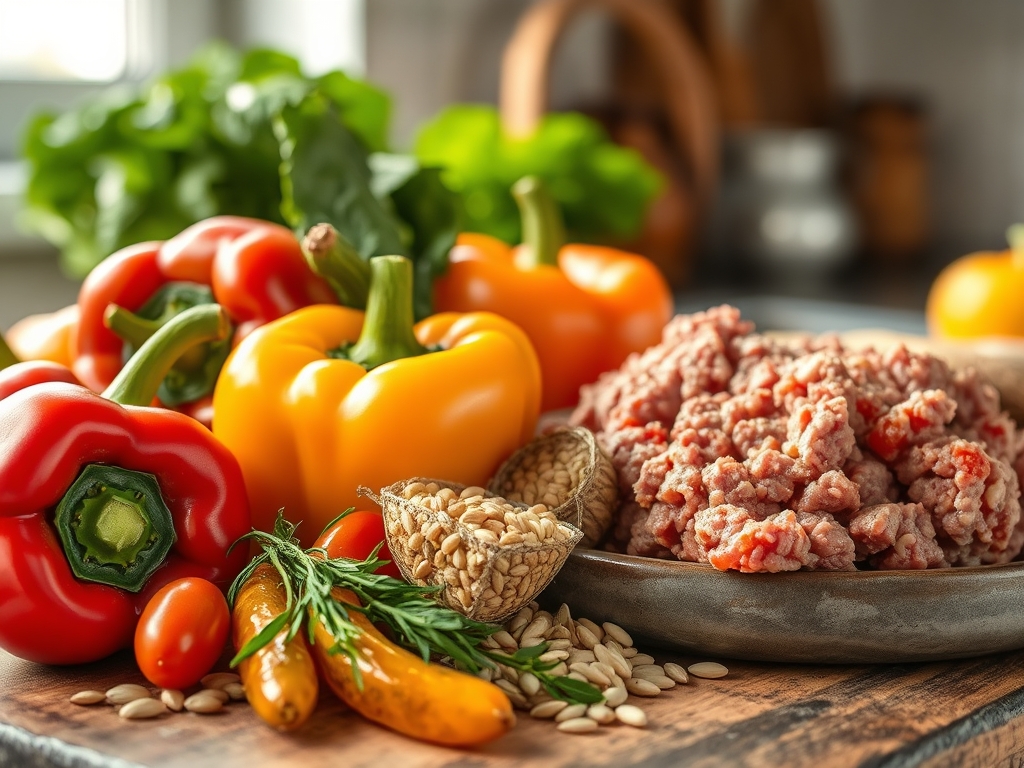
To execute these bell pepper and ground beef recipes with precision, your mise-en-place must be flawless. Start with your aromatics. You will need one pound of 85/15 ground beef; this ratio is critical because the 15 percent fat content provides the necessary lipids to emulsify your pan sauce without becoming overly greasy. Use a digital scale to ensure your portions are exact.
For the peppers, select a spectrum of colors. Red and orange peppers have a higher sugar content than green ones, which means they undergo the Maillard reaction more readily. You will also need a high-quality kosher salt, freshly cracked black pepper, and a pungent acid like apple cider vinegar or lemon juice to brighten the finish.
Smart Substitutions:
If you are looking to lighten the profile, ground bison offers a leaner, more iron-rich alternative that pairs beautifully with the sweetness of bell peppers. For those avoiding nightshades, sliced fennel bulbs provide a similar structural crunch and a sophisticated anise note when sautéed. If you lack a specific spice, remember that smoked paprika can often stand in for chipotle powder if you want the depth without the intense heat.
The Clock
Efficiency in the kitchen is about "Chef's Flow." This is the concept of overlapping tasks so that no heat is wasted and no surface sits idle. For these bell pepper and ground beef recipes, your total active time is approximately 15 minutes, with a 20-minute cook window.
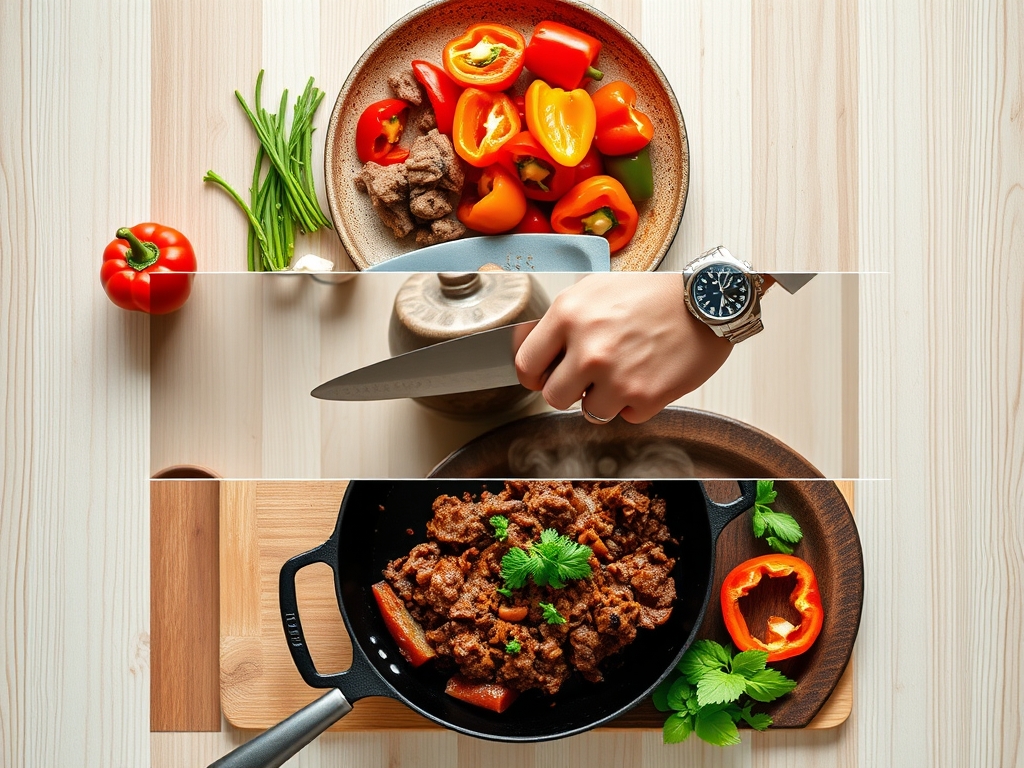
Start by preheating your heavy-bottomed skillet or cast iron pan. While the metal absorbs thermal energy, use a sharp chef's knife or a bench scraper to organize your diced peppers and onions. By the time your prep is finished, your pan should be at the smoke point of your oil. This synchronization ensures that the beef sears immediately upon contact, preventing it from steaming in its own juices.
The Masterclass
1. The High-Heat Sear
Place your ground beef into the hot skillet. Do not crowd the pan; if the meat covers more than two-thirds of the surface, the temperature will drop too quickly. Use a sturdy spatula to break the meat into large chunks and let it sit undisturbed for three minutes.
Pro Tip: This patience allows for enzymatic browning. Moving the meat too early prevents the formation of a crust, which is where the majority of the savory flavor compounds reside.
2. Rendering and Deglazing
Once the meat is browned, remove it with a slotted spoon, leaving the rendered fat in the pan. Toss in your diced bell peppers. The residual beef fat will infuse the vegetables with flavor. If the pan looks dry or has dark bits stuck to the bottom, add a splash of beef stock or dry wine to deglaze the surface.
Pro Tip: Using a liquid to deglaze lifts the fond (the browned bits) off the pan and incorporates it back into the vegetables, creating a more complex flavor profile.
3. The Aromatic Integration
Add your garlic, onions, and spices. Use a microplane to grate fresh ginger or garlic directly into the pan for maximum surface area and flavor release. Stir constantly for 60 seconds until the fragrance is peaked.
Pro Tip: Garlic contains sulfur compounds that turn bitter if scorched. Adding it last among the aromatics protects its delicate chemical structure from excessive heat.
4. The Final Emulsion
Return the beef to the skillet and add your thickening agent, such as a small amount of tomato paste or a cornstarch slurry. Stir vigorously to ensure the fat and liquids form a viscous sauce that clings to the peppers.
Pro Tip: This is the stage of emulsification. A well-emulsified sauce prevents the dish from feeling oily on the palate and ensures every bite is seasoned uniformly.
The Deep Dive
Macro Nutrition:
A standard serving of these bell pepper and ground beef recipes provides approximately 28g of protein, 14g of healthy fats, and 8g of carbohydrates. Bell peppers are an incredible source of Vitamin C, often containing more per gram than citrus fruits, which aids in the absorption of the heme iron found in the beef.
Dietary Swaps:
For a Keto version, omit any added sugars or starches and serve over cauliflower rice. For a Vegan alternative, substitute the beef with a walnut and mushroom crumble; the mushrooms provide the necessary umami while the walnuts offer the structural "chew" of ground meat. Ensure all sauces used are certified Gluten-Free if you have sensitivities.
The Fix-It:
- The Dish is Too Watery: This usually happens if you salt the peppers too early, drawing out their moisture. The Fix: Increase the heat and use a saucier to reduce the liquid rapidly, or add a teaspoon of tomato paste to absorb the excess.
- The Meat is Tough: This is caused by overworking the protein. The Fix: Next time, handle the meat less and ensure it reaches room temperature before hitting the pan to prevent muscle fibers from seizing.
- The Flavors are Flat: This is a lack of acidity. The Fix: Stir in a teaspoon of lime juice or red wine vinegar just before serving to "wake up" the taste buds.
Meal Prep Science:
When reheating, avoid the microwave if possible, as it can make the peppers mushy through uneven molecular agitation. Instead, use a skillet over medium heat with a tablespoon of water. This creates a small amount of steam that rehydrates the beef without overcooking the vegetables, maintaining that "day-one" snap.
The Wrap-Up
Mastering bell pepper and ground beef recipes is a fundamental skill that elevates your weeknight cooking from mundane to magnificent. By understanding the science of the sear and the importance of thermal management, you turn simple ingredients into a powerhouse of nutrition and flavor. Don't be afraid to experiment with different pepper varieties or spice blends; the kitchen is your laboratory, and these skills are your tools for success. Now, grab your favorite skillet and start creating something delicious.
The Kitchen Table
How do I keep the bell peppers crunchy?
Add the peppers during the last five minutes of cooking. High heat for a short duration softens the outer cellulose wall while maintaining the structural integrity of the inner flesh, preventing the peppers from becoming translucent or mushy.
What is the best beef-to-pepper ratio?
A 1:1 ratio by weight is ideal for a balanced meal. This ensures every forkful contains a harmonious blend of savory protein and sweet, crunchy vegetable, providing a satisfying textural contrast in every bite.
Can I freeze these recipes?
Yes, but the texture of the peppers will change. Freezing causes the water inside the pepper cells to expand and rupture the cell walls. For best results, undercook the peppers slightly before freezing to compensate for the softening.
Why does my ground beef look grey?
Grey meat is a sign of steaming rather than searing. This happens if the pan is not hot enough or if you overcrowd the skillet. Ensure the pan is shimmering hot before adding the meat in small batches.