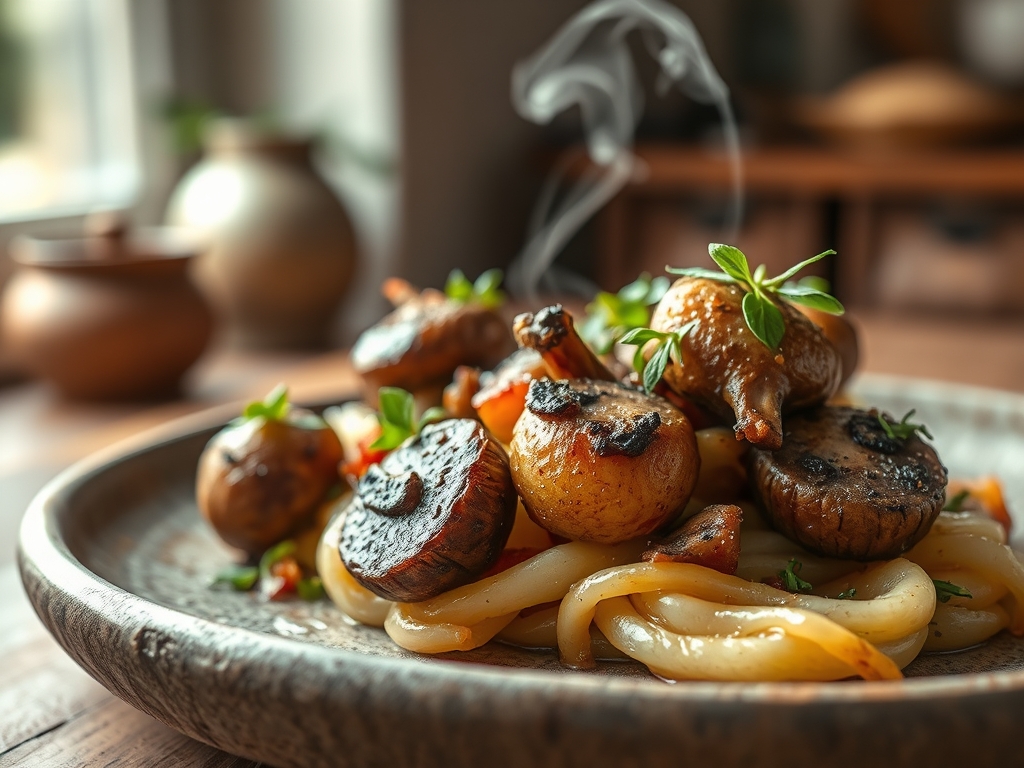
Picture the kitchen on a rainy Tuesday; the windows are beginning to fog while the scent of roasting earth fills the air. There is a primal comfort in mushroom with potato recipes that transcends simple hunger. It is the marriage of fungal umami and starchy elegance. When these two ingredients collide, they create a savory depth that mimics meat without the heavy lifting.
We are not just making dinner; we are engineering a sensory experience. Potatoes offer a neutral, cellular canvas that absorbs fats and aromatics, while mushrooms provide the nitrogen-rich complexity known as the fifth taste. Whether you are craving a silky gratin or a crispy hash, mastering this duo requires an understanding of moisture management and heat application. Let us transform these humble pantry staples into a suite of seven sophisticated, cozy masterpieces that will make your heavy-bottomed skillet the star of the evening.
The Gathers:
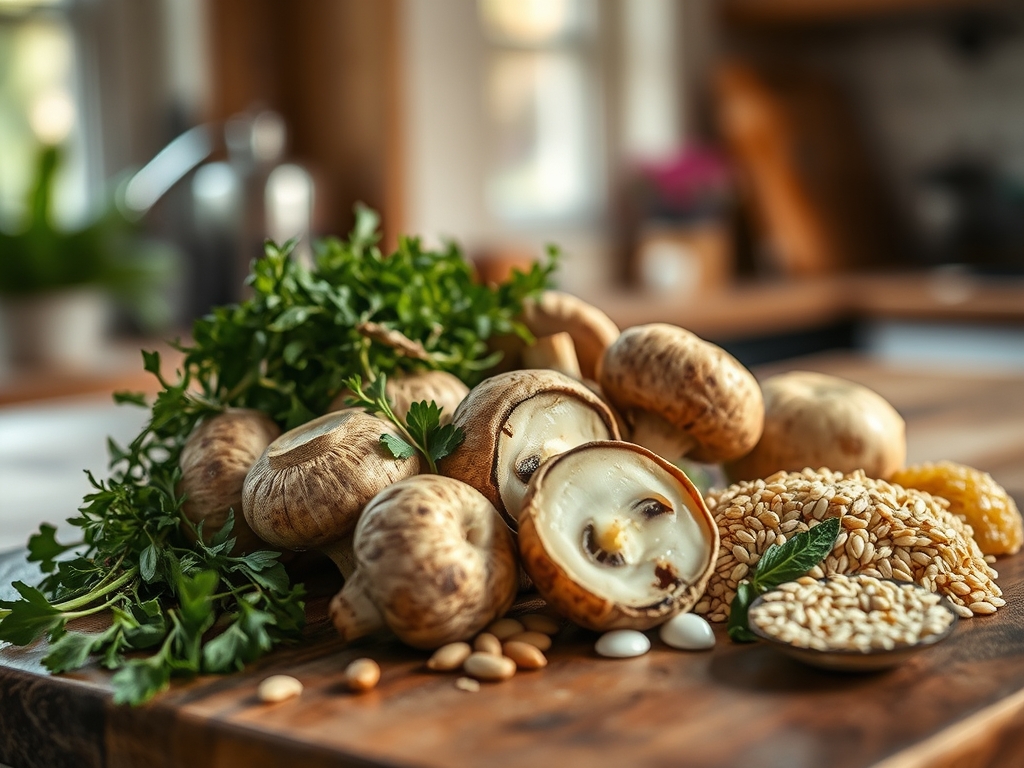
The mise-en-place for these dishes is a study in texture. You will need waxy Yukon Gold potatoes for their high moisture and buttery finish, or starchy Russets if we are aiming for maximum fluff. On the fungal side, gather a mix of Cremini for density, Shiitake for woodsy notes, and Oyster mushrooms for their delicate, velvet-like fringes.
Essential aromatics include fresh thyme, rosemary, and smashed garlic cloves. For the liquid gold, keep high-quality unsalted butter and heavy cream nearby. You will also need a microplane for zest and hard cheeses; a bench scraper to move your precision-cut cubes; and a digital scale to ensure your ratios are perfect.
Smart Substitutions:
If you are avoiding nightshades, swap potatoes for celery root or parsnips. For a lighter fungal profile, use king oyster mushrooms sliced into rounds to mimic scallops. If you lack fresh herbs, use a high-quality dried "Herbes de Provence" but remember to bloom them in fat first to release their volatile oils.
The Clock
Efficiency in the kitchen is about the Chef's Flow. Prep time for these recipes generally clocks in at 20 minutes, primarily focused on the knife work. Cooking times vary from the quick 15-minute sauté to the 55-minute slow roast.
The secret is "parallel processing." While your potatoes undergo their initial parboil or roast, use that window to clean and slice your mushrooms. Never wash mushrooms under a faucet; they are porous sponges. Instead, use a damp cloth or a soft brush to remove debris. This ensures they sear rather than steam, saving you precious minutes of moisture evaporation in the pan.
The Masterclass
1. The Initial Sear and Moisture Extraction
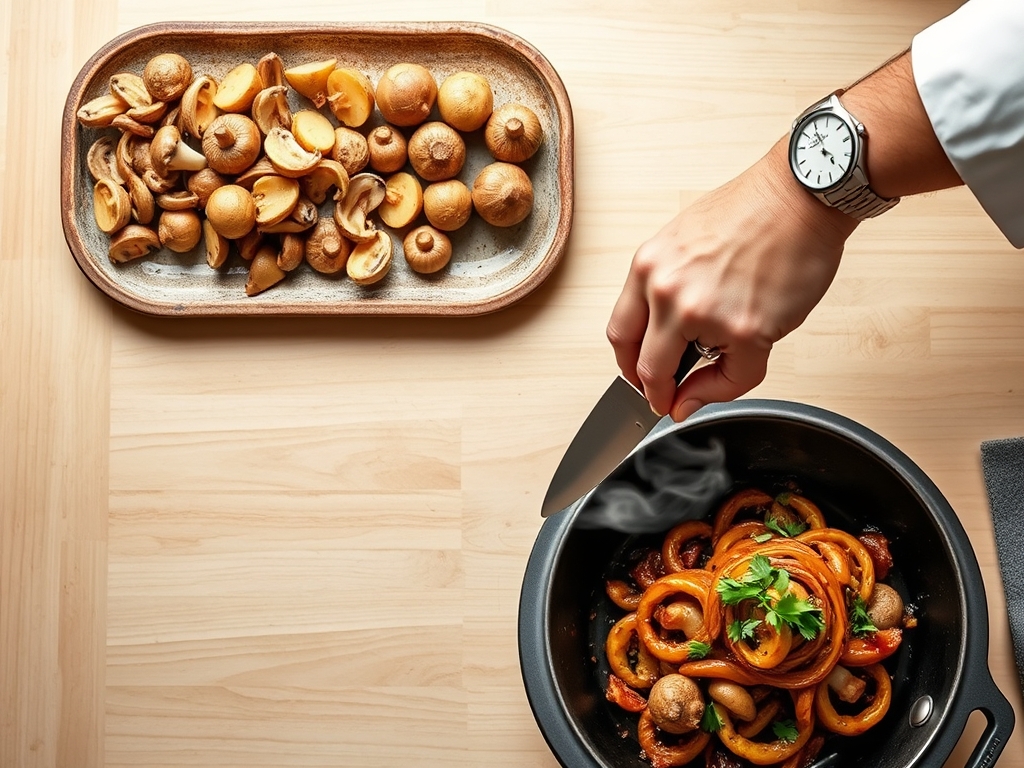
Place your mushrooms in a dry, heavy-bottomed skillet over medium-high heat. Do not add oil yet. This allows the cellular walls to collapse and release their internal water.
Pro Tip: This is known as the "Dry Sauté" technique. By evaporating the water first, you concentrate the guanylate compounds, which are responsible for that intense savory flavor. Adding oil too early coats the mushroom and traps the water inside, leading to a rubbery texture.
2. The Maillard Development
Once the mushrooms are dry and beginning to brown, add your fat (butter or avocado oil) and your diced potatoes. Use tongs to ensure every surface makes contact with the hot metal.
Pro Tip: The Maillard Reaction occurs between 285 and 330 degrees Fahrenheit. It is a chemical reaction between amino acids and reducing sugars that creates hundreds of different flavor compounds. Keep the heat steady; if the pan cools, you lose the crust.
3. Deglazing for Depth
As a brown film (the fond) develops on the bottom of the pan, pour in a splash of dry white wine or vegetable stock. Use a wooden spoon to scrape those caramelized bits back into the mix.
Pro Tip: Deglazing uses the principle of solubility to incorporate the fond into a viscous sauce. These browned bits contain the highest concentration of flavor. Skipping this step is like throwing away the soul of the dish.
4. Infusing the Aromatics
Lower the heat and toss in your woody herbs and smashed garlic. This is the stage where we infuse the fat with scent.
Pro Tip: Fat is a flavor carrier. Many aromatic compounds in garlic and thyme are fat-soluble, meaning they need a lipid medium to coat your palate effectively. Adding them at the end prevents the garlic from turning bitter due to over-roasting.
5. Achieving the Perfect Emulsion
If the recipe calls for a sauce, whisk in a cold knob of butter or a splash of cream at the very end, off the heat.
Pro Tip: This is called "monter au beurre." By whisking cold fat into a hot liquid, you create a stable emulsion. If the sauce gets too hot, the proteins will denature and the sauce will "break," resulting in a greasy mess rather than a velvety coating.
The Deep Dive
Macro Nutrition:
Potatoes are a powerhouse of potassium and complex carbohydrates, providing sustained energy. Mushrooms contribute B vitamins and selenium. Together, a standard serving offers roughly 250 to 350 calories, depending on the amount of added fats.
Dietary Swaps:
- Vegan: Replace butter with a high-quality olive oil or cashew cream. Use nutritional yeast for a cheesy, nutty finish.
- Keto: Swap the potatoes for cauliflower florets or radishes, which lose their peppery bite when roasted.
- Gluten-Free: These recipes are naturally GF, provided you avoid using flour to thicken your sauces. Use a cornstarch slurry if needed.
The Fix-It:
- Soggy Mushrooms: You crowded the pan. Remove half, turn up the heat, and sear in batches next time.
- Gummy Potatoes: You over-worked them. If mashing, use a ricer and never a food processor; the blades tear the starch granules, releasing too much amylose.
- Bland Flavor: You lacked acidity. A squeeze of lemon or a teaspoon of sherry vinegar will brighten the heavy fats and "wake up" the earthy notes.
Meal Prep & Reheating:
To maintain "day-one" quality, reheat in a toaster oven or skillet rather than a microwave. Microwaves agitate water molecules, which turns the potato starch into a rubbery texture. A quick toss in a hot pan re-activates the fats and restores the crispy edges.
The Wrap-Up
There is a certain magic in the simplicity of mushroom with potato recipes. They remind us that gourmet cooking does not require exotic ingredients; it requires technique and a bit of scientific curiosity. As you plate your creation, notice how the piquant herbs cut through the rich, earthy base. You have successfully navigated the complexities of moisture control and enzymatic browning. Now, pour a glass of something crisp, grab a fork, and enjoy the cozy, savory rewards of your kitchen chemistry.
The Kitchen Table
Can I use frozen mushrooms for these recipes?
Yes, but thaw and squeeze them dry first. Frozen mushrooms have compromised cell walls, meaning they release water rapidly. Sauté them in a very hot saucier to evaporate the excess moisture before adding your potatoes or fats.
Which potato is best for a crispy roast?
Yukon Golds are the gold standard. They possess a medium starch content that allows for a creamy interior while the exterior develops a thick, glass-like crunch when tossed in hot fat and roasted at high temperatures.
How do I stop mushrooms from absorbing all the oil?
Start with a dry pan. By heating the mushrooms alone first, you collapse the spongy air pockets. Once the structure is dense, they will brown on the surface rather than soaking up every drop of oil like a sponge.
Why do my potatoes turn gray after cutting?
This is enzymatic browning. When oxygen hits the cut surface, enzymes react. To prevent this, keep your sliced potatoes submerged in cold water until you are ready to cook, which blocks oxygen contact and removes excess surface starch.