
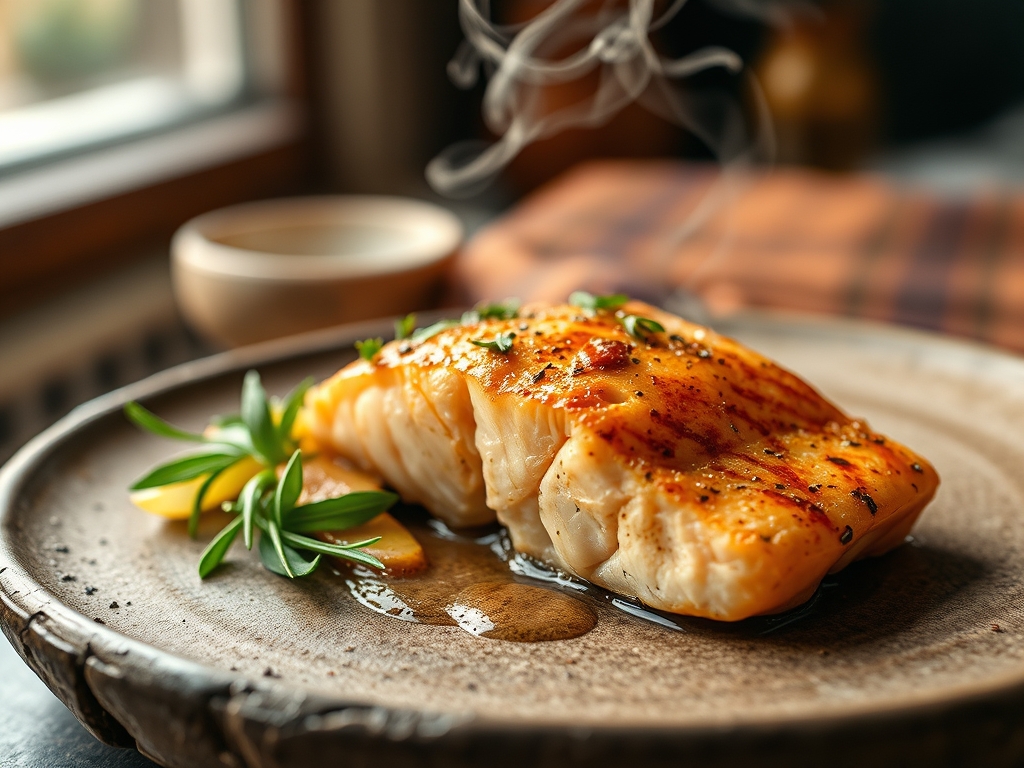
Imagine the sound of a heavy-bottomed skillet meeting the flame. There is a specific, high-frequency sizzle that occurs the moment cold protein hits shimmering oil; it is the sound of a perfect crust forming. When you are searching for fancy salmon recipes, you are not just looking for a meal. You are looking for a transformation of simple ingredients into a centerpiece that commands the room. Whether it is a velvet-soft confit or a skin-on sear that shatters like glass, mastering these eight masterpieces will turn your kitchen into a private bistro. We are moving beyond the basic bake and diving into the molecular magic that makes guests ask for your secret.
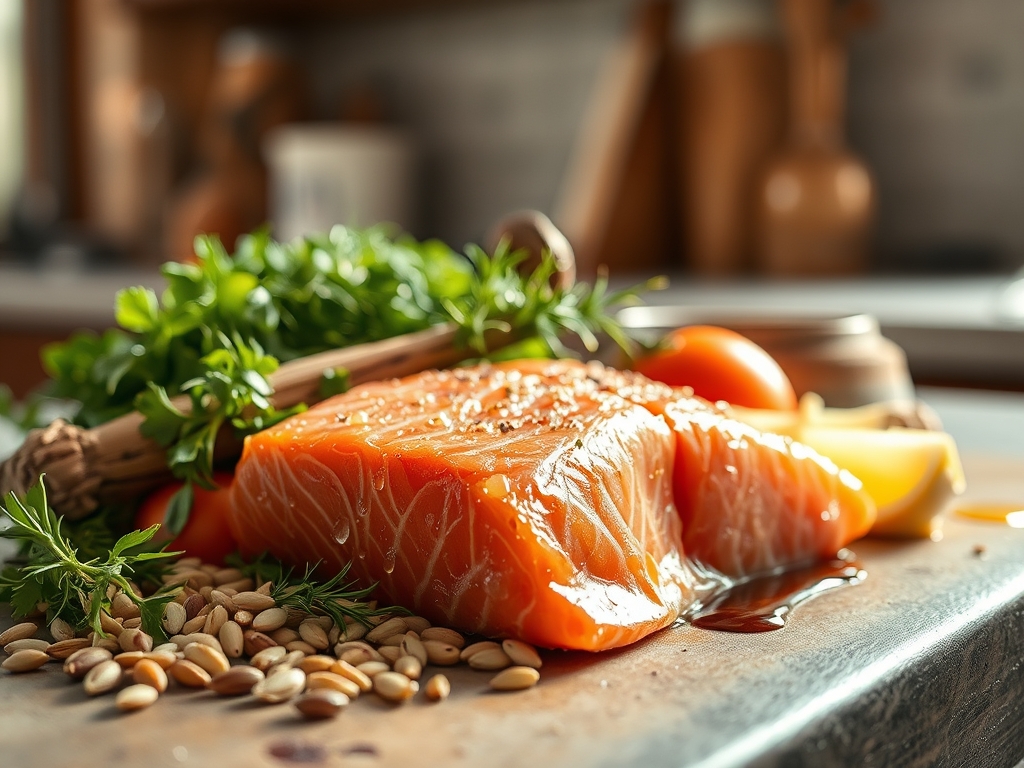
The Gathers:
To execute these fancy salmon recipes, your mise-en-place must be surgical. Start with the fish itself; look for King or Sockeye with high intramuscular fat, which provides a viscous mouthfeel and protects against thermal shock. You will need a microplane for zest that aerates the citrus oils, a saucier for emulsifying butter-based reductions, and a digital scale to ensure your dry brines are precise. Your pantry should include high-smoke-point fats like avocado oil or clarified butter to facilitate the Maillard reaction without acrid smoke.
Smart Substitutions: If you cannot source fresh Sockeye, Steelhead trout offers a similar lipid profile and vibrant hue. For dairy-free guests, swap heavy cream for full-fat coconut milk infused with lemongrass to maintain that luxurious, piquant finish. If a recipe calls for a white wine deglaze and you prefer no alcohol, use a splash of verjus or a high-quality white balsamic vinegar to provide the necessary acidity to cut through the fatty acids of the fish.
The Clock
Efficiency in the kitchen is about "Chef's Flow," which is the art of overlapping tasks so nothing sits idle. Most of these fancy salmon recipes require 20 minutes of active prep and 12 to 15 minutes of thermal application. However, the secret is the "resting phase." Just as a steak needs time for its juices to redistribute, salmon requires a 5-minute rest on a warm plate to allow for thermal carryover. This ensures the center reaches a perfect 125 degrees Fahrenheit while the exterior remains crisp. Plan your side dishes to finish exactly as the salmon begins its rest; this ensures every element hits the table at its peak sensory state.
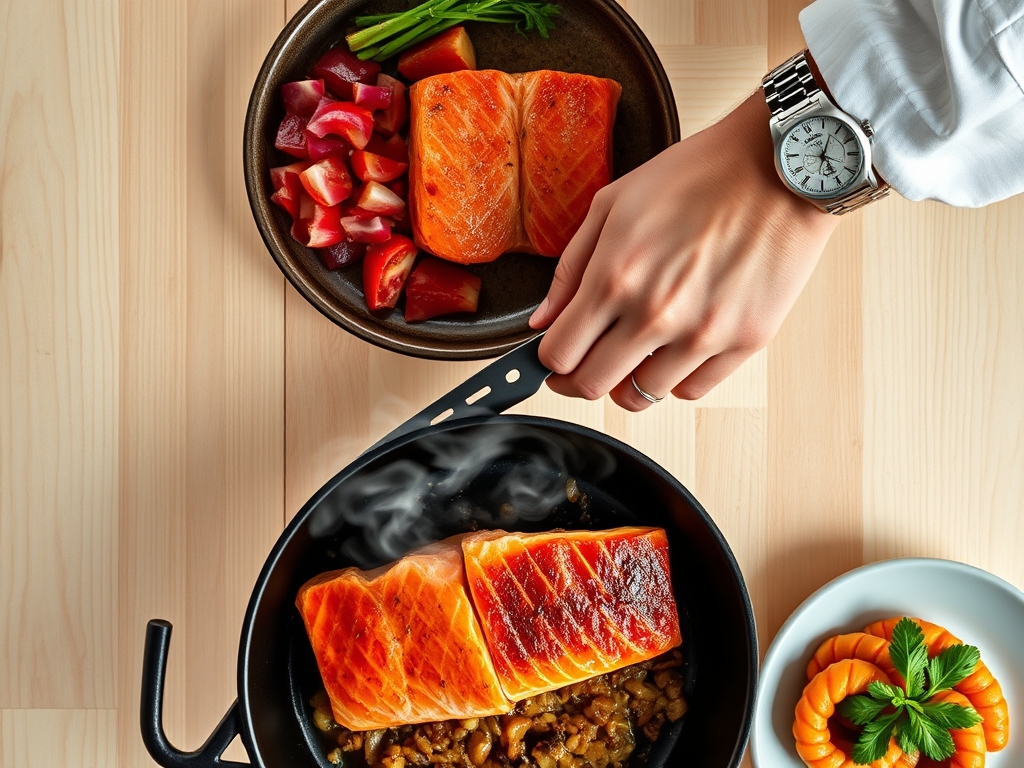
The Masterclass
1. The Precision Sear
Pat the skin bone-dry with a paper towel. Moisture is the enemy of crispness because it creates a steam barrier that prevents the skin from reaching the 300 degrees Fahrenheit required for browning. Place the filet skin-side down in a cold pan and then turn the heat to medium-high. This allows the subcutaneous fat to render slowly, resulting in a chip-like texture.
Pro Tip: This is called the "Cold Start" method. By starting in a cool pan, you prevent the protein fibers from contracting too violently, which stops the white albumin from leaching out of the cells.
2. The Citrus Infusion
While the fish sears, use your microplane to shave lemon and lime zest directly over the flesh. The essential oils are volatile and will infuse the protein as it warms. Use a pair of tongs to gently press the filet down, ensuring total surface contact with the pan for an even crust.
Pro Tip: Citrus zest contains terpenes that break down during heating, releasing a deeper aroma than juice alone. This process is known as aromatic volatilization.
3. The Butter Baste
Once you flip the fish, drop a knob of cold butter and a sprig of thyme into the pan. Use a large spoon to continuously bathe the salmon in the bubbling fat. This adds a nutty, toasted flavor profile known as beurre noisette.
Pro Tip: Basting creates a "thermal jacket" around the fish, cooking the top and bottom simultaneously through convection. This minimizes the time the fish spends on the direct heat source.
4. The Deglaze
Remove the fish and immediately hit the hot pan with a splash of dry vermouth. Use a bench scraper or wooden spoon to lift the browned bits (the fond) from the bottom of the pan. This is where the concentrated flavor lives.
Pro Tip: Deglazing uses the principle of solubility to dissolve the caramelized proteins into a liquid state, forming the base of a highly complex pan sauce.
5. The Emulsion
Whisk in a teaspoon of cold Dijon mustard and a splash of heavy cream into your deglazing liquid. Whisk vigorously until the sauce becomes viscous and coats the back of a spoon.
Pro Tip: Mustard acts as a natural emulsifier because it contains mucilage, which prevents the fats and liquids from separating into a greasy mess.
6. The Final Rest
Transfer the salmon to a warm plate and pour the sauce around the base, not over the top. This preserves the integrity of the crispy skin you worked so hard to achieve.
Pro Tip: Resting allows the muscle fibers to relax. If you cut into the fish immediately, the internal pressure will force the moisture out, leaving the filet dry despite being cooked to the correct temperature.
The Deep Dive
Macro Nutrition: Salmon is a nutritional powerhouse, offering approximately 20 grams of protein and 12 grams of healthy fats per 4-ounce serving. It is exceptionally high in Omega-3 fatty acids, which are essential for brain health and reducing inflammation.
Dietary Swaps: To make these fancy salmon recipes Keto-friendly, skip the honey or sugar in glazes and use monk fruit sweetener. For a Vegan alternative that mimics the texture, use large "steaks" of roasted cauliflower or king oyster mushrooms basted in seaweed-infused oil to replicate the oceanic salinity.
The Fix-It:
- White Gunk (Albumin): If you see white liquid seeping out, your heat is too high. Fix it by lowering the flame immediately and finishing the cook with gentle residual heat.
- Stuck Skin: If the skin won't lift, it isn't ready. The Maillard reaction eventually causes the food to "release" itself from the metal. Wait 30 more seconds.
- Overcooked Texture: If the fish feels firm like a bouncy ball, it is overdone. Save it by flaking it into a bowl and mixing it with a fatty aioli to create a high-end salmon salad.
Meal Prep: Reheating salmon is a delicate science. Avoid the microwave, which vibrates water molecules and toughens the protein. Instead, place the fish in a 275-degree oven with a tablespoon of water and cover it tightly with foil. This creates a gentle steam chamber that restores "day-one" moisture levels.
The Wrap-Up
You now hold the keys to the kingdom of fancy salmon recipes. By understanding the chemistry of the sear and the physics of the rest, you are no longer just following a set of instructions; you are orchestrating a culinary event. Remember that the best tools in your kitchen are your senses. Listen for the sizzle, watch for the color change, and trust the science. Your guests won't just remember the meal; they will remember the effortless confidence of the chef who served it. Now, grab your skillet and let's make something legendary.
The Kitchen Table
How do I prevent salmon from sticking to the pan?
Ensure the pan is preheated and the fish is completely dry. Use a high-smoke-point oil and do not attempt to flip the filet until the skin naturally releases from the surface through the Maillard reaction.
What is the best internal temperature for fancy salmon?
For a buttery, medium-rare texture, aim for an internal temperature of 125 degrees Fahrenheit. The temperature will rise to 130 degrees during the resting phase due to thermal carryover, ensuring a perfect, moist finish every time.
Can I use frozen salmon for high-end recipes?
Yes, provided you thaw it slowly in the refrigerator. Pat it extremely dry to remove excess moisture from the freezing process. This ensures you can still achieve a crisp sear despite the previous ice crystal formation.
Why does my salmon always turn out dry?
Dryness is usually caused by overcooking or failing to rest the fish. High heat causes muscle fibers to contract and squeeze out moisture. Always pull the fish off the heat 5 degrees before your target temperature.