
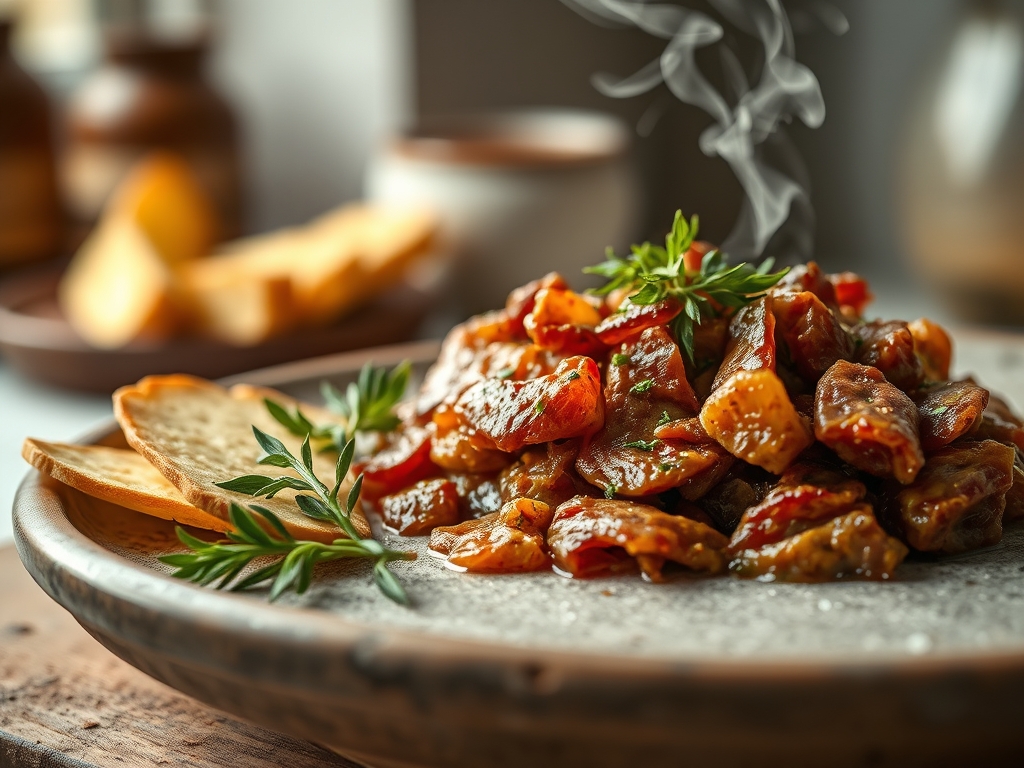
Picture this: a heavy ceramic bowl sitting on a reclaimed wood table; steam curling off a surface of bubbling, golden cheese that hides a treasure trove of salty, umami-rich ribbons. This is the ultimate comfort food experience that defines the best dried beef recipes dip. It is the kind of appetizer that makes people hover around the kitchen island before you even set the crackers down. We are talking about a sensory explosion where the piquant bite of salt-cured beef meets the velvet embrace of cultured cream. Most people settle for a bland, gloppy mess, but you are not most people. You understand that a truly legendary dip is a feat of engineering. It requires the perfect balance of fat, acid, and salt to create a texture that is both airy and decadent. We are going to deconstruct this classic, moving beyond the back-of-the-jar instructions to explore how high-level technique can transform humble pantry staples into a masterpiece of culinary art. Get your apron on; we are about to make magic.
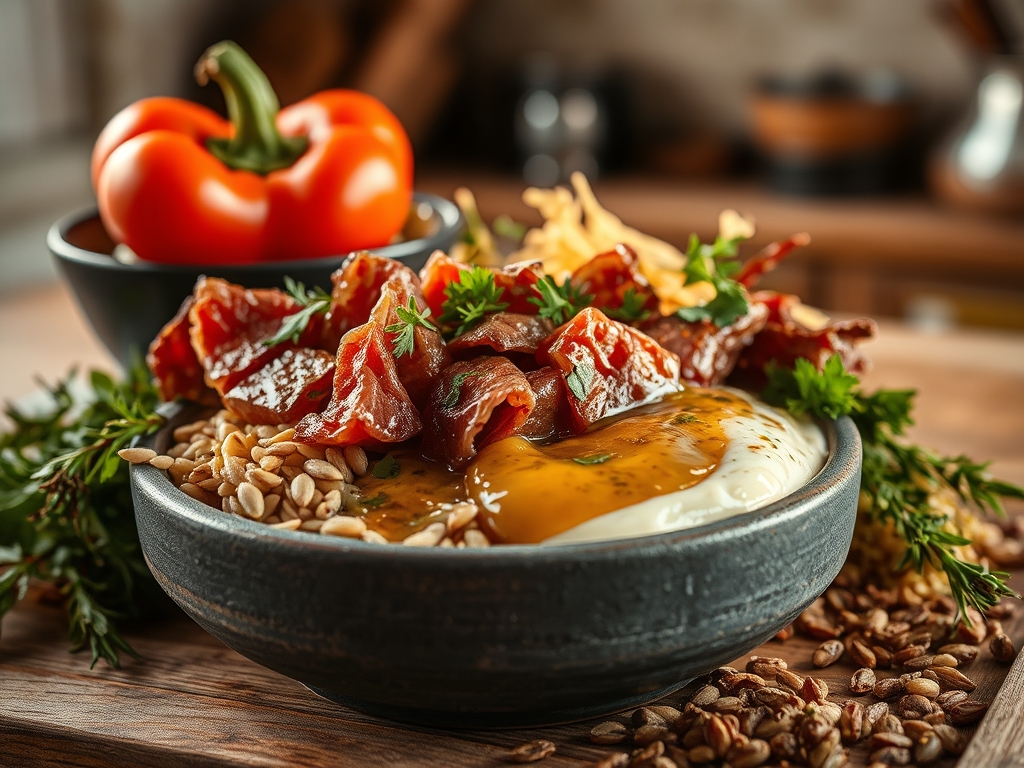
The Gathers:
To achieve a dip that is structurally sound and flavor-dense, your mise-en-place must be precise. Start with 4.5 ounces of premium dried beef. Look for jars where the meat is deep mahogany; this indicates a longer curing process and more concentrated flavor. You will need 16 ounces of full-fat cream cheese, which acts as your viscous base. Do not reach for the low-fat versions; the lack of lipid structure will cause your dip to "weep" in the oven. Complement this with 1 cup of sour cream for acidity and a half-cup of mayonnaise to ensure a silky mouthfeel. For the aromatic profile, gather fresh scallions, a clove of garlic to be processed with a microplane, and a dash of Worcestershire sauce for deep umami.
Smart Substitutions: If you want to elevate the profile, swap half of the cream cheese for mascarpone to achieve a lighter, more aerated texture. For those who crave heat, a finely diced chipotle in adobo provides a smoky contrast to the salt. If you find yourself out of dried beef, high-quality bresaola or even a lean pastrami can work, though you must adjust your salt additions accordingly as dried beef is exceptionally high in sodium. Always use a digital scale to measure your ingredients; precision is the difference between a dip that holds its shape and one that turns into a puddle.
The Clock
Efficiency in the kitchen is about "Chef's Flow," the art of overlapping tasks to minimize downtime. The total active prep time for this recipe is a crisp 15 minutes, with a bake time of 20 to 25 minutes. While your oven preheats to 350 degrees Fahrenheit, you should be tempering your dairy. Cold cream cheese is the enemy of a smooth emulsion. By the time the oven chime rings, your mixture should be fully integrated and ready for the heat. This is a "one-bowl" operation if you use a sturdy saucier or mixing bowl, meaning cleanup is as fast as the preparation.
The Masterclass
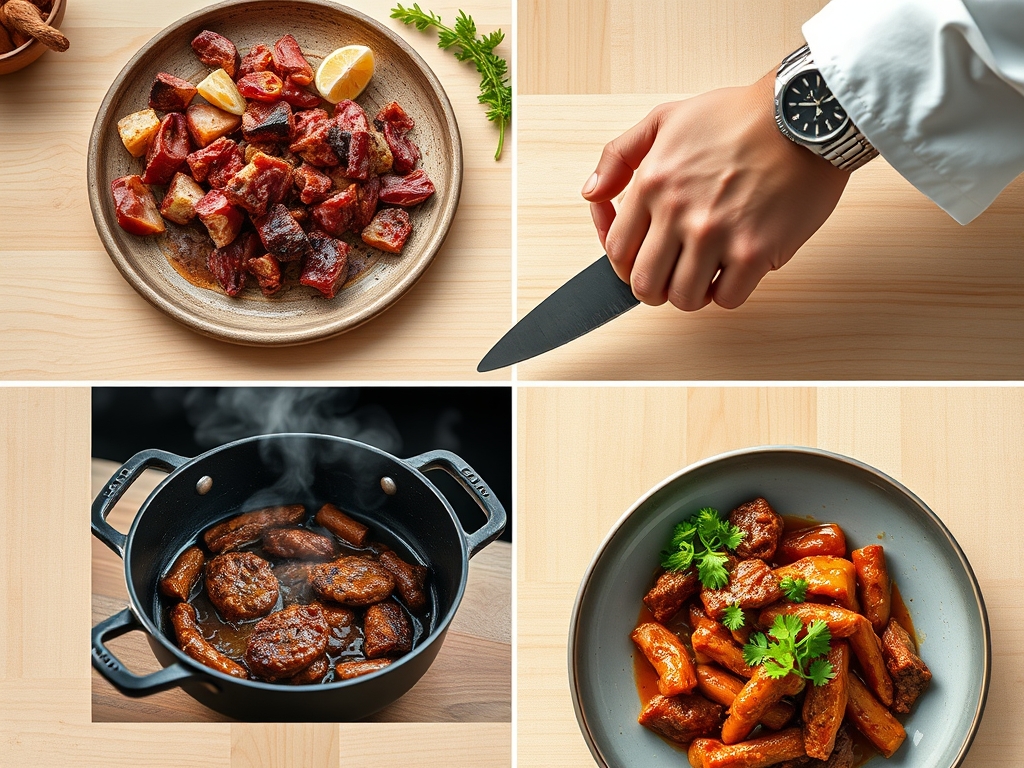
1. The Desalination Rinse
Place your dried beef in a fine-mesh strainer and run warm water over it for thirty seconds. Pat it bone-dry with paper towels before chiffonading the meat into thin strips.
Pro Tip: This step controls the osmotic pressure of the dish. By rinsing the surface brine, you prevent the salt from pulling moisture out of the cream cheese, which prevents the dip from becoming watery during the bake.
2. Tempering and Aeration
Place your cream cheese in a bowl and use a stiff silicone spatula to cream it until no lumps remain. Fold in the sour cream and mayonnaise until the mixture is homogenous.
Pro Tip: Aeration is key here. By whipping the base, you incorporate tiny air pockets that expand slightly in the oven, resulting in a lighter, "souffle-like" texture rather than a dense brick of cheese.
3. The Aromatic Infusion
Grate your garlic directly into the dairy base using a microplane and add the Worcestershire sauce and chopped scallions. Fold in the dried beef last to ensure even distribution.
Pro Tip: This is a cold infusion. The fats in the cream cheese are highly effective at absorbing the volatile aromatic compounds from the garlic and onions, ensuring every bite has a consistent flavor profile.
4. The Maillard Finish
Transfer the mixture to a heavy-bottomed oven-safe dish. Smooth the top and sprinkle with a thin layer of sharp cheddar or parmesan. Bake until the edges are bubbling and the top is spotted with brown.
Pro Tip: This browning is the Maillard reaction, a chemical reaction between amino acids and reducing sugars that creates hundreds of different flavor compounds. It provides the "toasted" notes that balance the richness.
The Deep Dive
When we look at the macro nutrition, this dip is a powerhouse of protein and fats, making it naturally low-carb. A standard serving contains roughly 12 grams of fat and 8 grams of protein. For a Keto version, serve with celery sticks or pork rinds. For a Gluten-Free version, simply ensure your Worcestershire sauce is certified GF. If you are looking for a Vegan swap, use a cashew-based "cream cheese" and replace the beef with smoked sun-dried tomatoes to mimic that salty, savory "chew."
The Fix-It:
- The Dip is Oily: This happens if the emulsion breaks due to overheating. Fix it by stirring in a tablespoon of cold sour cream to re-stabilize the fats.
- Too Salty: If you skipped the rinse, fold in more plain Greek yogurt or sour cream to dilute the sodium concentration.
- Grainy Texture: This is usually caused by cold garlic or onions hitting hot fat. Ensure all ingredients are at room temperature before mixing.
Meal Prep Science: To reheat, avoid the microwave as it causes the fats to separate. Instead, place the dip back in a 300-degree oven for 10 minutes. This allows for slow thermal conduction, heating the center without scorching the delicate dairy proteins on the outside.
The Wrap-Up
Mastering dried beef recipes dip is about more than just mixing ingredients; it is about understanding the chemistry of comfort. By controlling the salt, mastering the emulsion, and chasing that perfect Maillard crust, you have turned a mid-century staple into a modern culinary triumph. Serve this at your next gathering and watch as your guests marvel at the texture and depth of flavor. You have the tools, the science, and the secret steps; now go claim your title as the host with the most sophisticated palate in the room!
The Kitchen Table
Can I make this dip in a slow cooker?
Yes. Combine all ingredients and cook on low for two hours. However, you will miss the Maillard browning. To fix this, use a kitchen torch to caramelize the top surface just before serving for that essential toasted flavor profile.
How long does leftover dried beef dip last?
Stored in an airtight container, it remains fresh for three to four days. The flavors actually intensify over time as the aromatics continue to infuse into the fat solids. Always check for a clean, tangy scent before reheating.
Why is my dried beef dip tough?
Toughness usually results from over-rinsing the beef in boiling water or over-baking. High heat causes the proteins in the beef to contract and become rubbery. Stick to warm water and pull the dip when the edges just start bubbling.
What are the best dippers for this recipe?
Sturdy vessels are required for this viscous dip. Use toasted baguette slices, thick-cut rye crackers, or blanched broccoli florets. Avoid thin potato chips, which lack the structural integrity to scoop the dense, beef-studded mixture without breaking.