
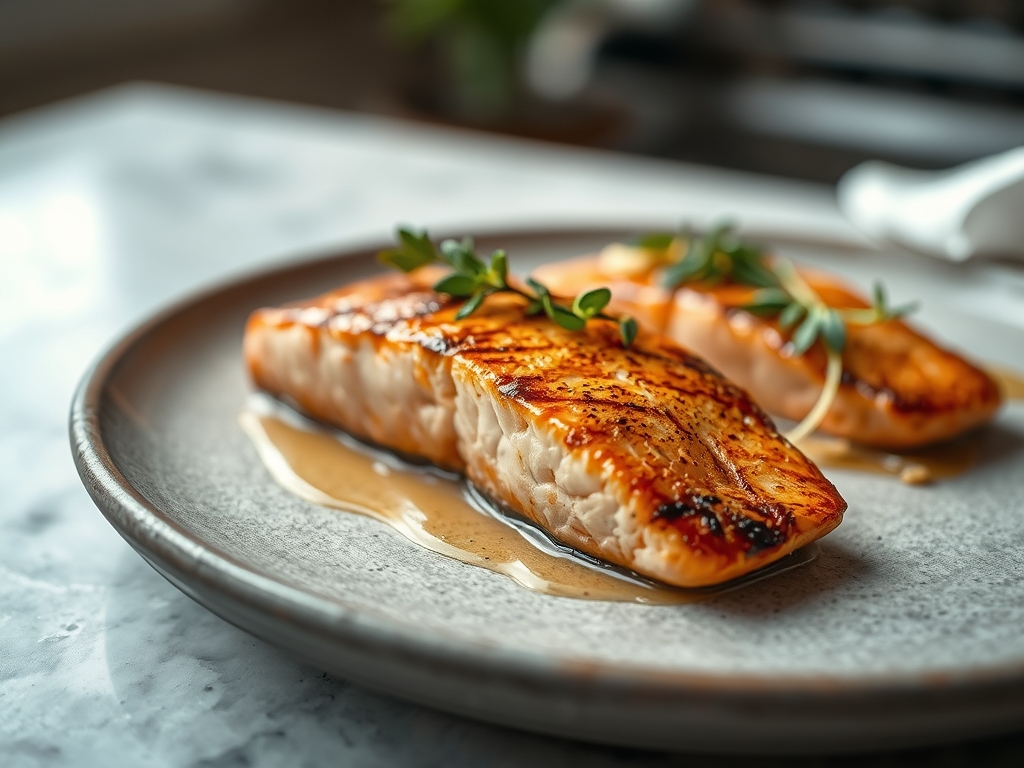
Picture this: the sun is dipping below the horizon; the air is thick with the scent of cedar and salt; and you are standing over a glowing grill with a glass of crisp Sauvignon Blanc in hand. There is something primal and perfect about foil grilled salmon recipes. They offer the ultimate culinary paradox because they are incredibly sophisticated in flavor yet require almost zero cleanup. When we wrap that beautiful, fatty fillet in its silver cocoon, we are not just cooking; we are creating a pressurized steam chamber that infuses every fiber of the fish with aromatics. This method is the secret weapon for anyone who wants that buttery, melt-in-your-mouth texture without the risk of the fish sticking to the grates or drying out into a sad, chalky mess. We are aiming for a translucent center and a piquant glaze that clings to the surface like a silk robe. It is time to master the art of the pouch and elevate your backyard dinner party to a five-star experience.
The Gathers:
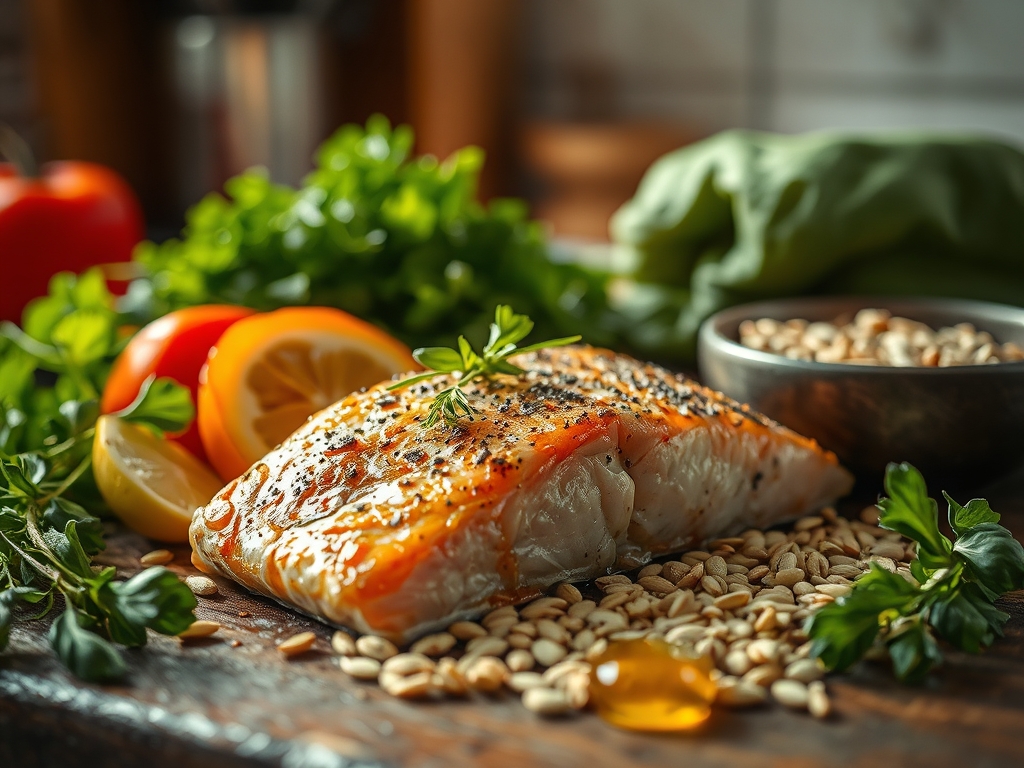
To execute this properly, your mise-en-place must be precise. Start with a side of Atlantic or King salmon, ideally skin-on to provide a thermal buffer. You will need high-quality fats; think grass-fed butter or a viscous extra virgin olive oil. For aromatics, grab a bunch of fresh dill, thin slices of Meyer lemon, and four cloves of garlic crushed with the flat side of a chef's knife. Use a microplane to zest your citrus; this ensures the essential oils are released without the bitter white pith.
Smart Substitutions: If you are avoiding dairy, a high-smoke point avocado oil works beautifully to infuse the fish. Instead of honey, use a splash of maple syrup for a deeper, woodsy profile. If you do not have fresh dill, tarragon offers a sophisticated, licorice-like finish that pairs exceptionally well with the fatty acids in the salmon. Always use a digital scale to portion your fillets to exactly six ounces; this ensures uniform cooking across the entire grill surface.
The Clock:
Mastering the "Chef's Flow" is about timing your side dishes to hit the table the exact second the salmon finishes its rest. Total preparation time is approximately 15 minutes, which includes slicing your aromatics and preparing the foil packets. The actual grill time is a swift 12 to 15 minutes depending on the thickness of the cut.
The flow works like this: start your grill and let it preheat to a steady 375 degrees Fahrenheit. While the grates get hot, assemble your packets. Once the salmon hits the heat, you have a 10-minute window to toss a crisp green salad or aerate a light couscous. Remember, salmon continues to cook after it leaves the heat, so we pull it just before it looks "done" to account for the internal temperature rise.
The Masterclass:
1. The Moisture Barrier
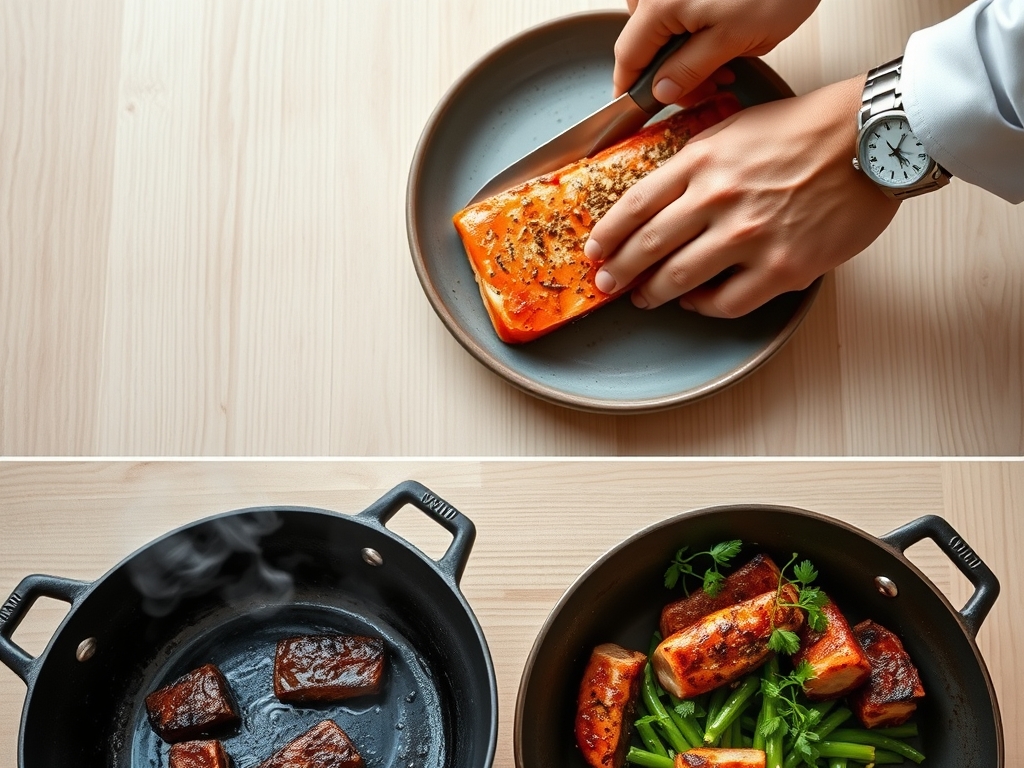
Lay out a large sheet of heavy-duty aluminum foil. Use a pastry brush to apply a thin layer of oil directly to the foil where the fish will sit. This prevents the proteins from bonding to the metal. Place the salmon skin-side down.
Pro Tip: This step utilizes surface tension to create a non-stick interface. By coating the foil, you ensure the skin stays intact, which is vital because the skin contains the highest concentration of omega-3 fatty acids.
2. The Seasoning Layer
Generously season the fillet with kosher salt and cracked black pepper from a height of twelve inches to ensure even distribution. Use your microplane to shower the fish with lemon zest and then layer thin pats of butter or oil across the top.
Pro Tip: Salt acts as a denaturant, breaking down the tight protein structures on the surface. This allows moisture to be drawn back into the cells during the cooking process, resulting in a juicier bite.
3. The Aromatic Infusion
Place your smashed garlic, lemon slices, and fresh herbs directly onto the salmon. The goal is to create a "roof" of flavor that will drip down as the heat rises.
Pro Tip: This creates a volatile oil extraction. As the butter melts, it absorbs the fat-soluble flavor compounds from the garlic and herbs, effectively basting the fish from the inside out.
4. The Hermetic Seal
Bring the long sides of the foil together and fold them down tightly, then crimp the ends. Leave a small amount of headspace inside the packet to allow steam to circulate.
Pro Tip: This creates a convection environment. The trapped steam ensures the fish cooks evenly from all sides, preventing the edges from overcooking before the center reaches the target temperature.
5. The High-Heat Sear
Place the packets directly over medium-high heat. Close the grill lid to maintain a consistent ambient temperature. Do not flip the packets; the foil protects the bottom while the steam cooks the top.
Pro Tip: This relies on conductive heat transfer. The heat moves from the grill grates through the foil and into the fish, while the closed lid provides the radiant heat necessary to melt the fats.
6. The Internal Check
Use a digital thermometer to pierce through the foil into the thickest part of the salmon. You are looking for an internal temperature of 130 degrees Fahrenheit for a perfect medium.
Pro Tip: Monitoring the thermal gradient is essential. Salmon is delicate; once it passes 145 degrees, the albumin (the white protein) will squeeze out, indicating the muscle fibers have contracted too much and the fish is drying out.
7. The Resting Period
Remove the packets from the grill using tongs and let them sit, unopened, for five minutes. This is the hardest part, but it is the most critical for texture.
Pro Tip: This allows for thermal carryover. The internal temperature will rise another 5 degrees while the juices redistribute throughout the fillet, ensuring every bite is succulent.
8. The Acidic Finish
Open the packets carefully to avoid the steam. Use a bench scraper or wide spatula to lift the fillets onto plates. Squeeze a fresh wedge of lemon over the top just before serving.
Pro Tip: The acid provides a palate cleanser. It cuts through the heavy lipids of the salmon and butter, brightening the overall flavor profile and balancing the richness.
The Deep Dive:
From a macro nutrition perspective, salmon is a powerhouse. A six-ounce serving provides roughly 34 grams of high-quality protein and is rich in Vitamin B12 and Potassium. For those on a Keto diet, this recipe is a goldmine of healthy fats. Vegan friends can swap the salmon for thick "steaks" of cauliflower or king oyster mushrooms, though you should reduce the cook time. For a Gluten-Free guarantee, simply ensure your spices are certified.
The Fix-It:
- Fish is sticking: You likely didn't use enough fat on the foil or the grill wasn't hot enough to create an immediate sear. Use a saucier to make a quick lemon-butter sauce to hide any torn skin.
- Albumin (white stuff) everywhere: You overcooked it. Pull the fish at 125 degrees next time. To fix it now, flake the fish and toss it with pasta.
- Muted flavor: You forgot to season the bottom or used old herbs. A dash of finishing salt (Maldon) can save the day.
Meal Prep: To reheat, avoid the microwave at all costs; it turns salmon into rubber. Instead, place the leftover salmon in a heavy-bottomed skillet with a tablespoon of water, cover with a lid, and warm over low heat for three minutes to gently re-steam.
The Wrap-Up:
Mastering foil grilled salmon recipes is about more than just a meal; it is about understanding the physics of heat and the chemistry of flavor. By using the pouch method, you are guaranteeing a result that is consistently tender, aromatically complex, and visually stunning. Whether you are a seasoned pro with a bench scraper always at the ready or a novice just learning to render fat, this technique is foolproof. So, fire up that grill, trust the science, and get ready for the best salmon of your life!
The Kitchen Table:
How do I know when the salmon is done without a thermometer?
The flesh should change from translucent to opaque and flake easily with a fork. If it resists flaking, it needs two more minutes. Always err on the side of underdone, as carryover cooking is a powerful force.
Can I put frozen salmon directly on the grill?
It is not recommended. Frozen salmon releases excess moisture, which boils the fish inside the foil rather than steaming it. For the best texture, thaw your fillets overnight in the refrigerator and pat them dry with paper towels.
Why use heavy-duty foil instead of regular foil?
Heavy-duty foil is thicker and less likely to tear when you use tongs to move the packets. It also provides a more consistent thermal barrier, preventing the bottom of the fish from scorching over high flames.
What is the best way to add smoky flavor to the foil?
While the foil blocks direct smoke, you can add a few drops of liquid smoke to your butter or place a small wood chip packet inside the grill. This creates a smoky environment that permeates the foil seal.