
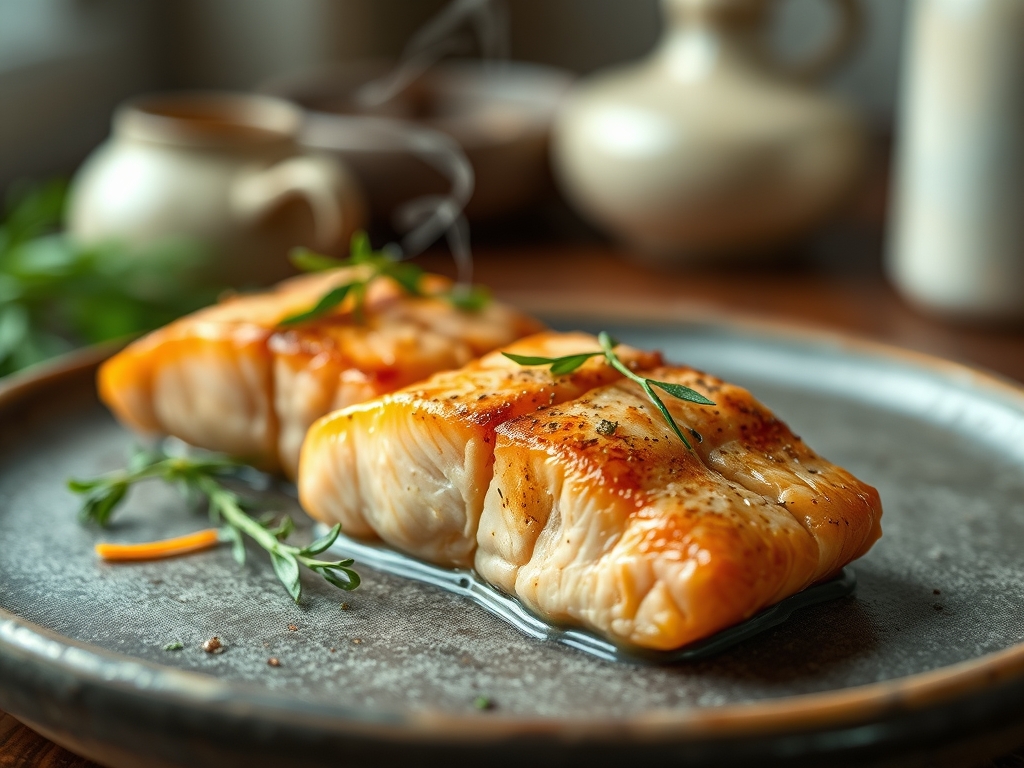
Imagine the sharp, citrusy sting of fresh ginger colliding with the rich, buttery fat of a cold-water fillet. When you master ginger salmon recipes, you are not just cooking; you are conducting a symphony of molecular chemistry. The heat of the ginger cuts through the omega-3 fatty acids, creating a balanced profile that feels both indulgent and incredibly clean.
We are diving deep into the world of high-octane flavor today. Salmon is the perfect canvas for ginger because its protein structure is remarkably forgiving when treated with acidic or piquant aromatics. Whether you are searing it to a crisp in a heavy-bottomed skillet or slow-roasting it until it flakes at the mere suggestion of a fork, the infusion of ginger transforms a standard weeknight meal into a restaurant-grade experience. We will explore eight distinct variations of this pairing, from honey-glazed masterpieces to spicy soy-based infusions. Get your microplane ready; we are about to elevate your culinary game with technical precision and a bit of kitchen magic.
The Gathers:
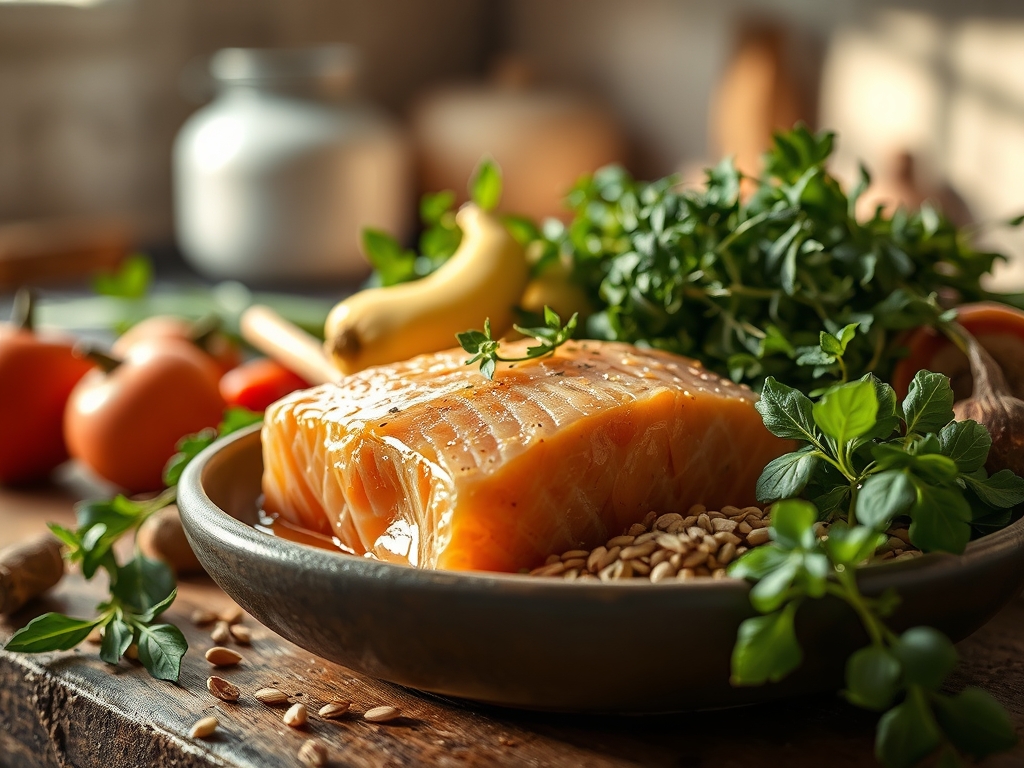
To execute these ginger salmon recipes with professional finesse, your mise-en-place must be impeccable. Start with the centerpiece: high-quality Atlantic or Sockeye salmon. Look for fillets with vibrant color and firm tissue structure; this indicates high collagen integrity.
For the ginger, bypass the dried powder. You need fresh rhizomes that feel heavy for their size. When you grate them using a microplane, you release volatile oils like gingerol, which provides that signature heat. You will also need a high-quality fat source, such as avocado oil for its high smoke point or grass-fed butter for its ability to render and brown.
Smart Substitutions:
If you find yourself without fresh ginger, a ginger paste (stored in the refrigerator) is a viable alternative, though it lacks the bright top notes of the fresh root. For those avoiding soy, coconut aminos offer a similar viscous texture and salty umami without the gluten or soy allergens. If you want to swap the salmon, steelhead trout is its closest biological cousin and behaves almost identically under thermal stress.
The Clock:
Efficiency in the kitchen is about understanding the Chef's Flow. Prep time for these dishes typically clocks in at 15 minutes, largely dedicated to the precision of your knife work. Use a sharp chef's knife or a bench scraper to organize your aromatics.
The cook time is where the science happens. Most ginger salmon recipes require only 8 to 12 minutes of active heat. The goal is to reach an internal temperature of 125 degrees Fahrenheit for a medium-rare finish. Remember, the "flow" means preparing your sides (like jasmine rice or charred bok choy) before the fish hits the pan. Salmon waits for no one; it must be served immediately to appreciate the contrast between the crispy skin and the tender interior.
The Masterclass:
1. The Prep and Pat-Dry
Before the fish touches the pan, use paper towels to remove every trace of surface moisture. This is the most critical step for achieving a proper sear.
Pro Tip: Moisture is the enemy of the Maillard reaction. If the surface is wet, the energy from your pan will go toward evaporating water rather than browning the proteins, resulting in grey, steamed fish instead of a golden crust.
2. The Ginger Infusion
Grate your ginger directly into your marinade or oil. By breaking the cell walls of the ginger, you allow the aromatic compounds to become more bioavailable.
Pro Tip: Ginger contains an enzyme called zingibain, which acts as a natural meat tenderizer. If you marinate the salmon for too long (over 30 minutes), the texture may become mushy as the enzymes break down the muscle fibers.
3. The Sear
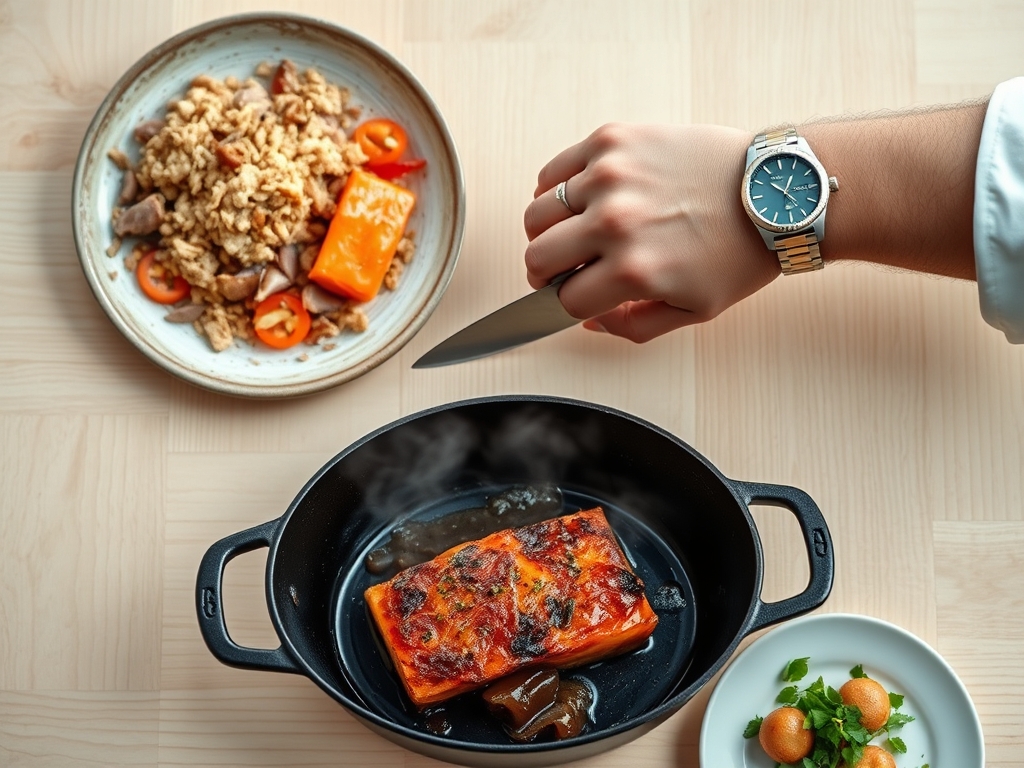
Heat your heavy-bottomed skillet until the oil shimmers. Place the salmon skin-side down and press gently with a fish spatula to ensure total surface contact.
Pro Tip: This technique prevents the skin from curling. As the heat causes the proteins to contract, the physical pressure keeps the skin flat, allowing the fat to render evenly for maximum crunch.
4. The Deglaze
Once the fish is flipped, add your liquid components—soy sauce, honey, or lime juice—to the pan. Use the liquid to lift the browned bits (fond) from the bottom.
Pro Tip: Deglazing creates an instant emulsion. The sugars in the honey and the proteins in the salmon juices bind with the fats in the pan to create a thick, glossy glaze that coats the fish perfectly.
5. The Thermal Finish
Use a digital scale or an instant-read thermometer to check the thickest part of the fillet. Remove the fish when it is 5 degrees below your target temperature.
Pro Tip: This accounts for thermal carryover. The residual heat trapped in the dense muscle tissue will continue to cook the fish even after it leaves the pan, ensuring you don't overshoot into "dry" territory.
The Deep Dive:
When we look at the macro nutrition of ginger salmon recipes, we are looking at a powerhouse of healthy fats and lean protein. A standard 6-ounce serving provides roughly 34 grams of protein and 20 grams of heart-healthy fats.
Dietary Swaps:
- Keto: Replace honey or brown sugar in glazes with a liquid monk fruit sweetener or erythritol to keep the glycemic index low.
- Vegan: While the ginger glaze is the star, you can apply these exact techniques to "salmon" made from marinated tofu or pressed watermelon.
- Gluten-Free: Always ensure your soy sauce is substituted with Tamari or coconut aminos.
The Fix-It:
- Skin sticking to the pan? You likely tried to flip it too early. The fish will naturally "release" once the proteins have sufficiently caramelized.
- Ginger tastes bitter? You may have burnt the ginger bits in the pan. Add ginger toward the end of the searing process or keep it in a liquid-based marinade to protect it from direct high heat.
- White stuff oozing out? That is albumin, a protein that escapes when salmon is cooked too fast or too high. Lower your heat slightly to keep the juices inside the fillet.
Meal Prep Science:
To reheat salmon without it smelling "fishy" or turning into rubber, use the "low and slow" method. Place it in a 275-degree oven with a splash of water and cover it with foil. This creates a small steam chamber that rehydrates the proteins without over-coagulating them.
The Wrap-Up:
There you have it! You are now equipped with the technical prowess to turn a simple piece of fish into a zesty, ginger-infused masterpiece. Cooking is just as much about the tools—your tongs, your saucier, and your microplane—as it is about the ingredients. By understanding the chemistry of the Maillard reaction and the enzymatic power of ginger, you have moved beyond following a recipe and into the realm of true culinary intuition. Now, get into that kitchen and make some magic happen!
The Kitchen Table:
How do I stop my salmon from smelling fishy?
Buy the freshest fish possible and pat it dry. The "fishy" smell comes from trimethylamine (TMA) which forms as fish ages. Acidic ingredients like the lime and ginger in these recipes help neutralize those odors.
Can I use ground ginger instead of fresh?
You can, but the flavor profile will shift from "bright and spicy" to "warm and earthy." Use 1/4 teaspoon of ground ginger for every tablespoon of fresh ginger required in your ginger salmon recipes.
What is the best way to peel ginger?
Forget the knife; use the edge of a metal spoon. The skin of the ginger is thin enough to be scraped away easily, which preserves the spicy flesh underneath and navigates the bumps of the rhizome perfectly.
How do I get the skin extra crispy?
Ensure the skin is bone-dry and the pan is hot. Start skin-side down in a heavy-bottomed skillet and do not move the fish for at least four minutes. This allows the fat to fully render.