
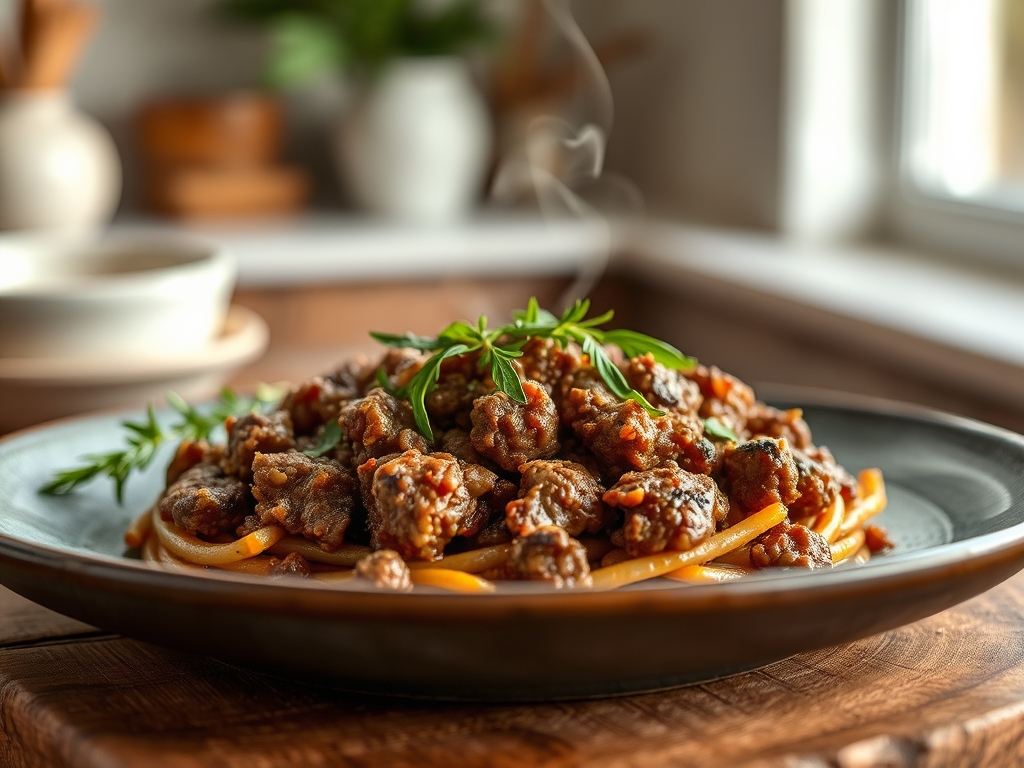
The scent of searing fat hitting a preheated cast iron skillet is the universal siren song of the home cook. When you are hunting for ground beef recipes cheap, you are not just looking for a bargain; you are looking for a way to transform humble protein into a five star experience. It is about mastering the art of the stretch without sacrificing the soul of the dish.
We have all been there. You are staring at a value pack of 80/20 beef, wondering how to make it taste like something other than a Tuesday night obligation. The secret lies in the chemistry of the sear and the strategic use of fillers that actually enhance the texture rather than diluting it. By the time we are done, you will be treating that discount meat like a prime cut, using professional techniques to maximize every single gram of flavor. Let us dive into the science of the sizzle.
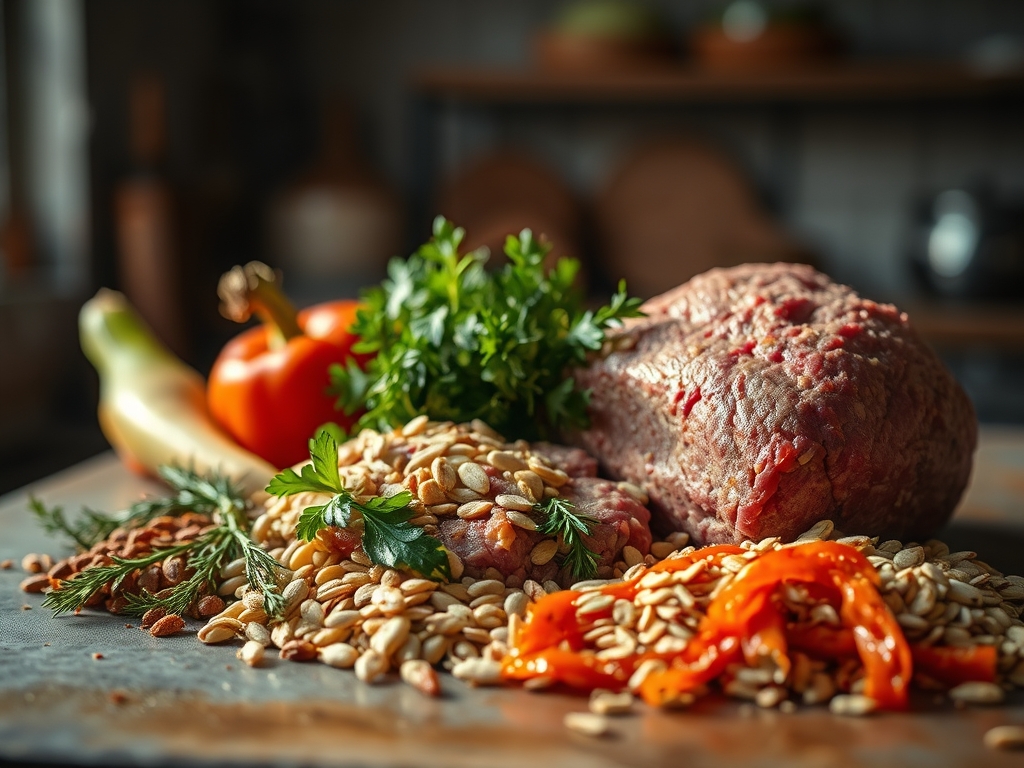
The Gathers:
To execute these hacks, your mise-en-place must be precise. Start with your protein; ideally, look for "chub" packs which are often cheaper due to minimal processing. You will need high-moisture aromatics like yellow onions and celery, which provide a viscous base when sweated down. For the "stretch" components, gather panko breadcrumbs, riced cauliflower, or cooked lentils. These are not just fillers; they are sponges for the rendered fat that would otherwise be lost to the pan.
Smart Substitutions: If you lack fresh aromatics, use a microplane to grate frozen ginger or garlic directly into the meat for an instant infusion of flavor. Swap expensive beef stock for a combination of water, soy sauce, and a dash of Worcestershire sauce to mimic the umami profile of a long-simmered bone broth.
The Clock
Efficiency in the kitchen is about the Chef's Flow. This is the ability to overlap tasks so that no heat is wasted. Prep time for these hacks is a tight 15 minutes if you use a sharp bench scraper to organize your chopped vegetables. Total cook time averages 25 minutes.
The "Flow" works like this: start your skillet on medium-high heat while you prep. By the time the first onion is diced, the pan has reached the necessary thermal mass. While the meat undergoes the Maillard reaction, you prep your secondary ingredients. This prevents the temperature of the pan from dropping, which would cause the meat to steam in its own juices rather than sear.
The Masterclass
1. The Cold Start Sear
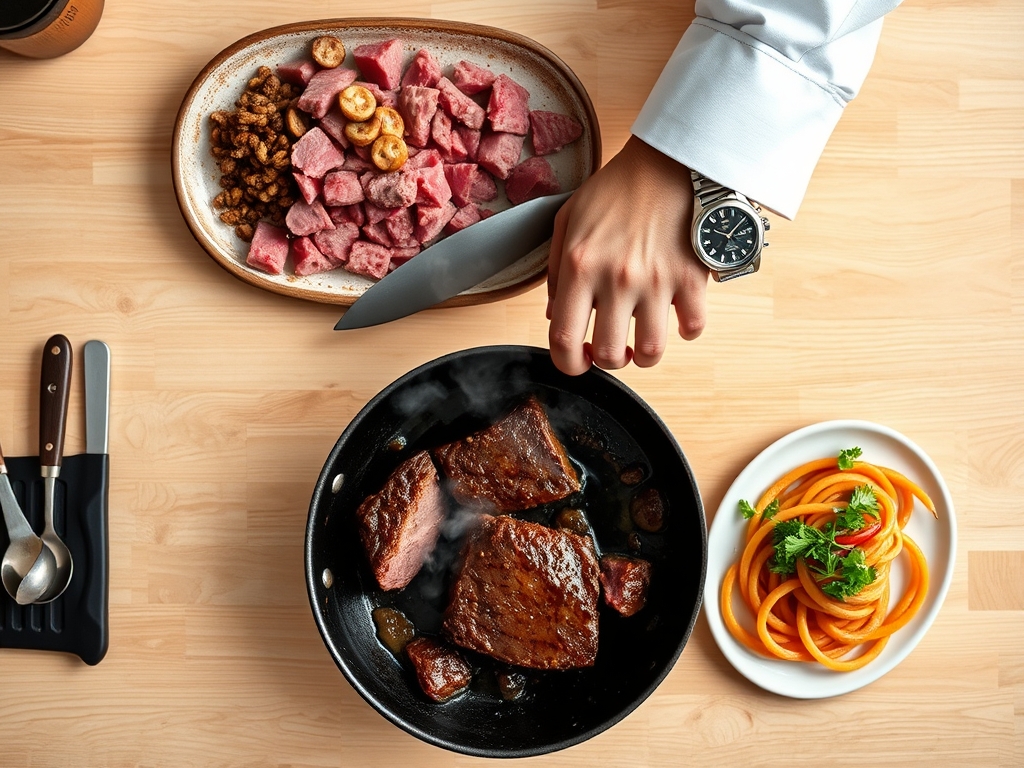
Instead of dropping a cold lump of meat into a screaming hot pan, try the cold start for burgers. Place the patties in a cold heavy-bottomed skillet and then turn on the heat. This allows the fat to render slowly, self-basting the meat as it climbs in temperature.
Pro Tip: This method utilizes thermal conduction to create an even crust without overcooking the interior. It prevents the muscle fibers from tightening too quickly, which often results in a "hockey puck" texture.
2. The Baking Soda Bloom
Toss your raw ground beef with a pinch of baking soda and a splash of water. Let it sit for 15 minutes before cooking. This raises the pH level of the meat's surface, making it harder for the proteins to bond tightly together.
Pro Tip: This chemical shift accelerates enzymatic browning. It allows the meat to brown deeply and stay tender even when subjected to the high heat required for ground beef recipes cheap and fast.
3. The Mushroom Mimicry
Finely mince white button mushrooms until they match the texture of the beef. Mix them in at a 1:1 ratio. Mushrooms share the same nucleotides as beef, which enhances the perception of meatiness while doubling your volume for pennies.
Pro Tip: Mushrooms contain high levels of glutamate. When cooked together, the beef and mushrooms create a synergistic effect that makes the dish taste more savory than beef alone.
4. Deglazing for Depth
Never leave the brown bits (the fond) at the bottom of the pan. Use a saucier or a wooden spoon to deglaze with a splash of vinegar or wine. This lifts the concentrated flavor molecules back into your sauce.
Pro Tip: This is the process of solubilizing caramelized proteins. Those bits contain the most complex flavor profiles generated during the cooking process.
5. The Aerated Loaf
When making meatloaf or meatballs, do not pack the meat tightly. Use a fork to aerate the mixture. Incorporate a "panade" of milk-soaked bread to keep the protein structures separated.
Pro Tip: This creates "micro-pockets" for steam to circulate. It prevents the meat from becoming a dense, dry mass through the science of moisture retention.
6. The Fat Emulsification
If your sauce looks greasy, do not just drain it. Add a teaspoon of mustard or a splash of starchy pasta water. Whisk vigorously with tongs or a whisk to emulsify the rendered fat into the liquid.
Pro Tip: An emulsifier binds water and fat molecules. This creates a silky, luxurious mouthfeel that coats the palate rather than leaving a film of oil.
7. The Reverse Bloom of Spices
Add your dry spices to the fat in the pan before adding liquids. This "blooms" the fat-soluble compounds in the spices, making them more piquant and aromatic.
Pro Tip: Many flavor compounds in spices like cumin and paprika are hydrophobic. They require a lipid environment to fully release their essential oils.
8. The Carryover Rest
Always remove your beef from the heat when it is 5 degrees below your target temperature. Place it on a warm plate and tent it with foil.
Pro Tip: Thermal carryover continues to cook the meat using residual heat. Resting allows the muscle fibers to relax and reabsorb juices through capillary action.
The Deep Dive
From a macro perspective, ground beef is a powerhouse of Vitamin B12 and Zinc. To keep it Keto, lean heavily into the mushroom and cauliflower blends. For a Vegan swap, use rehydrated soy crumbles treated with the same "bloom" and "deglaze" techniques. If you are Gluten-Free, swap panko for crushed pork rinds or cornmeal to maintain that essential structural integrity.
The Fix-It:
- Grey Meat: Your pan was too crowded. Remove the meat, dry the pan, and sear in smaller batches to allow steam to escape.
- Salty Overload: Add a splash of acid (lemon juice) or a pinch of sugar. This does not remove salt but chemically balances the taste receptors.
- Dry Texture: You likely over-handled the meat. Next time, use a digital scale to portion quickly and avoid "massaging" the fat out of the protein.
Meal Prep: When reheating, add a teaspoon of water before microwaving. This creates a steam chamber that prevents the fat from becoming "waxy" and preserves the organoleptic qualities of the fresh dish.
The Wrap-Up
Mastering ground beef recipes cheap is the ultimate flex for any home chef. It proves that you do not need a massive budget to create meals that are scientifically sound and incredibly delicious. By focusing on the Maillard reaction, proper emulsification, and the strategic use of aromatics, you turn a basic ingredient into a culinary masterpiece. Grab your heavy-bottomed skillet and start experimenting; your kitchen is your laboratory.
The Kitchen Table
How do I make cheap ground beef taste like steak?
Use the baking soda bloom technique to enhance browning. Deglaze your pan with a splash of soy sauce and balsamic vinegar to create a rich, steak-like umami crust on the exterior of the meat.
Can I freeze ground beef after it is cooked?
Yes, cooked ground beef freezes beautifully for up to three months. Ensure it is completely cooled before sealing in an airtight container to prevent sublimation and freezer burn from ruining the texture.
What is the best fat ratio for budget cooking?
The 80/20 ratio is ideal for flavor and value. The higher fat content provides the necessary lipids for rendering and flavor extraction, which can be used to cook your vegetables without needing extra oil.
How do I stop ground beef from being grainy?
Avoid over-stirring the meat as it browns. Let it sit undisturbed to form a crust. Use a bench scraper to break it into larger, more satisfying chunks rather than a fine, sandy texture.