
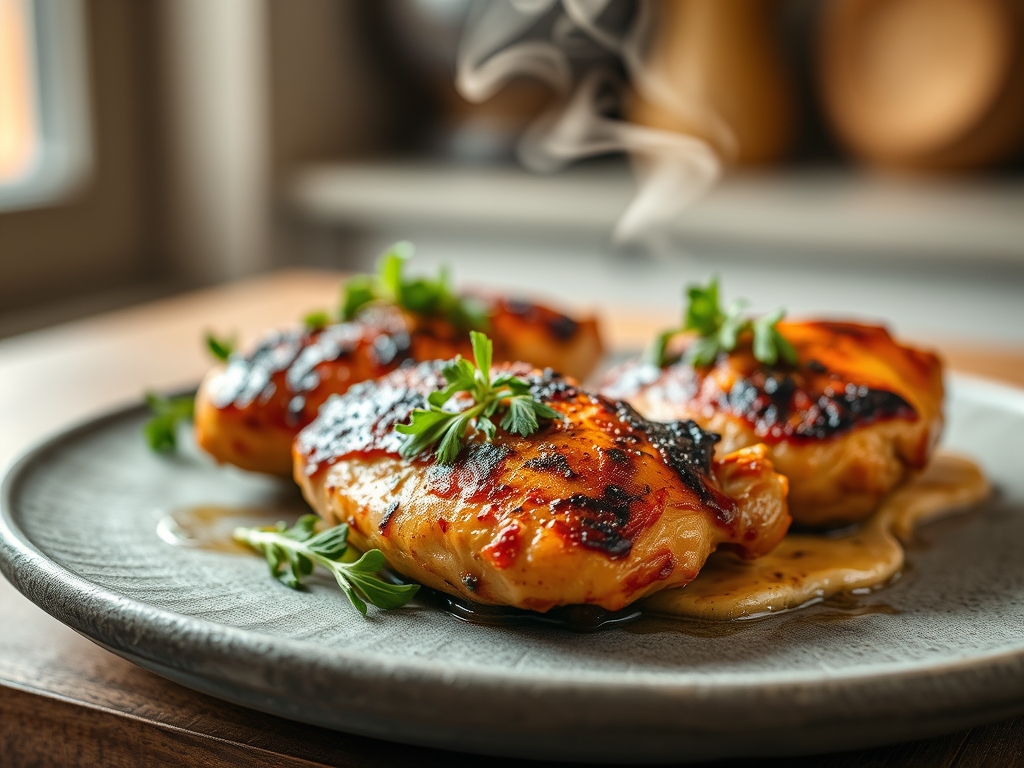
The scent of garlic-infused olive oil meeting hot stainless steel is one of the most reliable signs that something delicious is about to happen. When you commit to chicken recipes for meal prep, you're not just cooking for a single meal; you're engineering a week of high-protein, versatile dishes that adapt to your schedule, your palate, and your refrigerator's ecosystem. These six ideas balance flavor complexity with storage stability, so your Thursday lunch tastes as vibrant as your Sunday dinner.
Chicken is the workhorse protein of modern meal prep because it accepts marinades eagerly, reheats without turning to rubber when handled correctly, and pairs with everything from Asian five-spice to Mediterranean oregano. The key is understanding which cuts respond best to batch cooking, how to layer seasoning for time-release flavor, and which sauces survive the chill without separating or dulling.
Each of these six recipes is designed around a central flavor profile and a specific texture goal. You'll master a teriyaki-glazed thigh situation that stays glossy after five days, a lemon-herb breast that doesn't dry out, a spicy harissa drumstick batch, a coconut-lime poached option, a smoky paprika sheet-pan cut, and a ginger-scallion poaching liquid that doubles as a finishing sauce. All six share a common thread: they respect the science of protein denaturation, moisture retention, and fat emulsification.
The Gathers
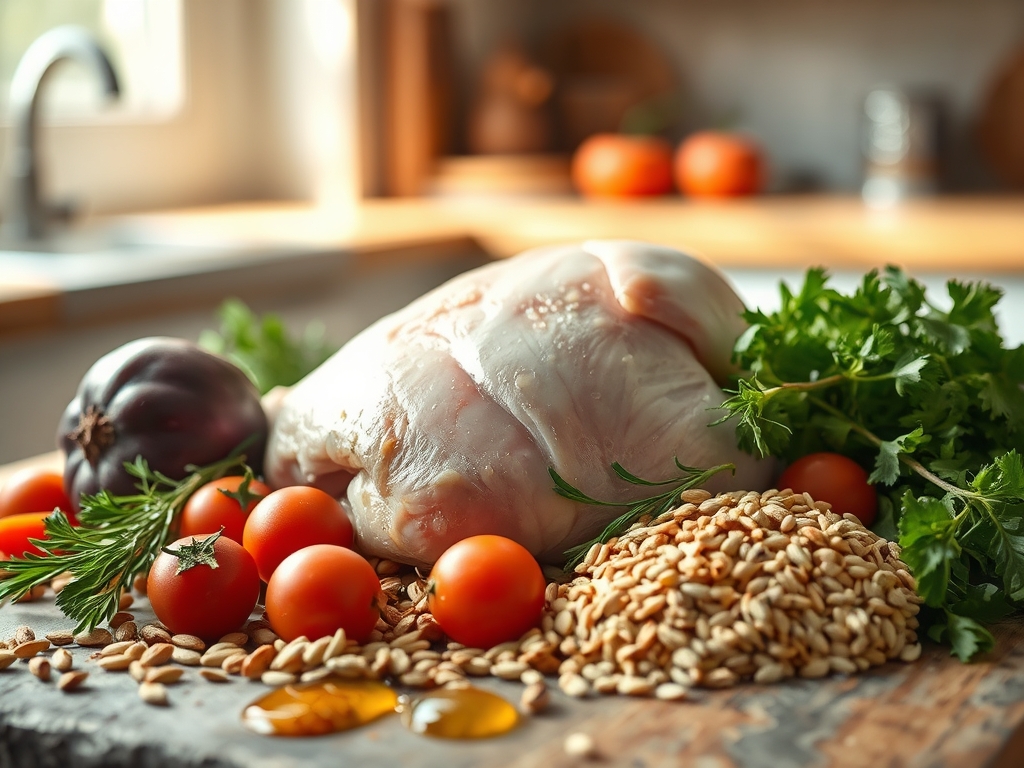
As you see in the ingredient spread below, we're working with bone-in, skin-on thighs, boneless breasts, and drumsticks. The thighs bring collagen and fat, which means forgiveness during reheating. The breasts are leaner but respond beautifully to brining or poaching. Drumsticks offer the best cost-per-gram protein ratio and hold moisture naturally.
For marinades and glazes, you'll need soy sauce, rice vinegar, honey, harissa paste, coconut milk, fresh ginger, garlic, lemons, smoked paprika, and olive oil. Fresh herbs like cilantro, parsley, and scallions are essential for finishing, not cooking, so they stay bright.
Smart Substitutions: Swap honey for maple syrup or agave if you want a different sugar profile. Use tamari instead of soy sauce for gluten-free builds. Replace harissa with gochujang for a Korean spin, or use chipotle in adobo for smokiness. Coconut milk can be swapped with Greek yogurt thinned with a bit of water, though you'll lose the tropical note.
The Clock
Total active prep across all six recipes: 45 minutes. Total cook time: 90 minutes if you stagger your oven and stovetop real estate intelligently. Total time from start to sealed containers: 2 hours and 15 minutes.
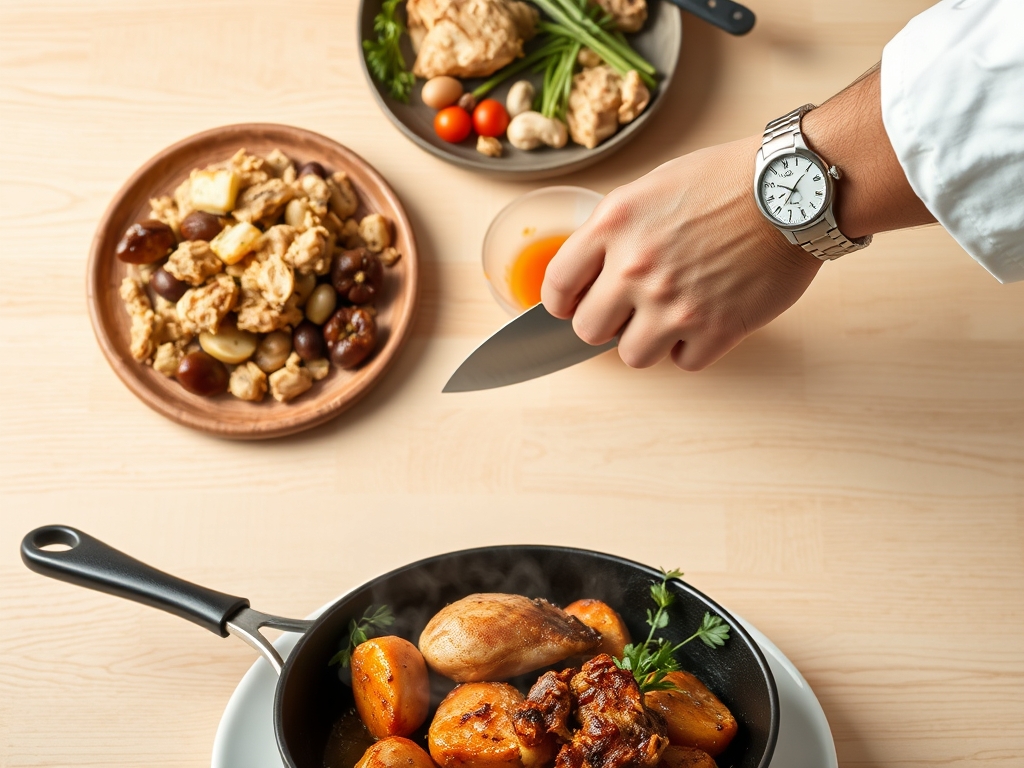
Chef's Flow: Start by brining the chicken breasts in a 5% salt solution while you prep vegetables and mix marinades. Fire the oven to 200°C (400°F) for the sheet-pan paprika chicken and the teriyaki thighs. While those roast, poach the coconut-lime breasts on the stovetop. Use the final 20 minutes to sear the harissa drumsticks in a cast-iron skillet, then finish them in the residual oven heat. The ginger-scallion batch can be done entirely on the stovetop in a wide, shallow pan.
The Masterclass
Step 1: Brine the Breasts
Dissolve 50 grams of kosher salt in 1 liter of cold water. Submerge 4 boneless, skinless breasts for 30 minutes, then pat dry.
Why It Works: The salt denatures surface proteins, allowing them to retain more water during cooking. You're building a moisture buffer that survives reheating.
Step 2: Marinate the Thighs
Whisk together 60ml soy sauce, 30ml rice vinegar, 30ml honey, 2 cloves minced garlic, and 1 teaspoon grated ginger. Coat 6 bone-in thighs and rest for 15 minutes.
Chef's Secret: The acid in the vinegar tenderizes, but the sugar caramelizes under high heat, creating a lacquered finish that seals in juices.
Step 3: Sheet-Pan Paprika Chicken
Toss 8 drumsticks with 2 tablespoons olive oil, 1 tablespoon smoked paprika, 1 teaspoon cumin, salt, and pepper. Roast at 200°C (400°F) for 35 minutes, flipping halfway.
Why It Works: The Maillard reaction between amino acids and reducing sugars creates complex, savory crust compounds that intensify during storage.
Step 4: Poach Coconut-Lime Breasts
Simmer 400ml coconut milk, zest and juice of 2 limes, 1 tablespoon fish sauce, and 1 sliced shallot. Add brined breasts, cover, and poach at 75°C (167°F) for 12 minutes. Rest in liquid for 5 minutes.
Chef's Secret: Poaching below boiling prevents the proteins from seizing. The carryover cooking in the liquid ensures even doneness without dryness.
Step 5: Harissa Drumsticks
Rub 8 drumsticks with 3 tablespoons harissa paste and 1 tablespoon olive oil. Sear in a hot cast-iron pan, 3 minutes per side, then transfer to the oven for 20 minutes at 190°C (375°F).
Why It Works: The initial sear creates a flavorful crust, while the oven finishes the interior gently, preventing the exterior from burning before the inside cooks.
Step 6: Ginger-Scallion Thighs
Pan-fry 6 boneless thighs skin-side down in a cold pan, rendering fat as it heats. Flip after 8 minutes, cook 4 more. Make a quick sauce with reserved fat, 2 tablespoons grated ginger, 4 sliced scallions, 1 tablespoon soy sauce, and 1 teaspoon sesame oil.
Chef's Secret: Starting in a cold pan renders fat slowly, crisping the skin without burning. The fond left behind is pure umami.
Nutritional Info
Each recipe yields approximately 35-40 grams of protein per serving. Thighs and drumsticks range from 250-300 calories per portion, with 15-20 grams of fat. Breasts are leaner at 180-220 calories and 4-6 grams of fat. Carbohydrates vary by marinade, from 5 grams (paprika, ginger-scallion) to 12 grams (teriyaki, coconut-lime).
Micronutrients are robust: B vitamins from the chicken, vitamin C from citrus, capsaicin from harissa, and anti-inflammatory compounds from ginger and garlic.
Dietary Swaps
Keto: Skip the honey in the teriyaki glaze; use erythritol or monk fruit. The coconut-lime and ginger-scallion recipes are already keto-friendly.
Vegan: Substitute extra-firm tofu or tempeh, pressing out moisture before marinating. Cooking times drop by half. Use tamari and nutritional yeast for umami depth.
Gluten-Free: Replace soy sauce with tamari or coconut aminos. Ensure your harissa paste is certified gluten-free, as some brands add wheat-based thickeners.
Serving & Presentation
Idea 1: Slice the coconut-lime breasts thinly, fan over jasmine rice, and garnish with toasted coconut flakes and fresh cilantro.
Idea 2: Serve the harissa drumsticks over a bed of couscous with pickled red onions and a dollop of Greek yogurt.
Idea 3: Arrange the ginger-scallion thighs on a platter with steamed bok choy, drizzle with the pan sauce, and finish with sesame seeds.
The Pro-Dodge
Pitfall 1: Overcooking breasts. Fix: Use an instant-read thermometer. Pull at 63°C (145°F) internal; carryover will bring it to 65°C (150°F).
Pitfall 2: Soggy skin on reheated thighs. Fix: Reheat skin-side up in a 180°C (350°F) oven for 10 minutes instead of microwaving.
Pitfall 3: Separated coconut milk sauce. Fix: Whisk in a teaspoon of cornstarch slurry before poaching to stabilize the emulsion.
The Meal Prep Corner
Store each recipe in airtight glass containers. The thighs and drumsticks hold for 5 days refrigerated, 3 months frozen. Breasts are best consumed within 4 days to maintain texture.
Reheating Protocol: Oven at 160°C (320°F) for 10-12 minutes retains moisture. Microwave in 30-second bursts, covered with a damp paper towel. For poached breasts, reheat gently in their liquid on the stovetop.
Day-one quality hinges on cooling rapidly: spread hot chicken on a sheet pan, refrigerate uncovered for 20 minutes, then transfer to containers. This prevents condensation, which breeds sogginess.
The Wrap-Up
You've just built a rotation of chicken recipes for meal prep that respect both flavor science and real-world logistics. Each one is a modular building block: pair the teriyaki thighs with stir-fried vegetables, the paprika drumsticks with roasted sweet potatoes, or the coconut-lime breasts with a mango salsa.
The beauty of this system is its adaptability. Swap marinades, rotate sides, and you'll never feel like you're eating the same meal twice. Drop a comment below with your favorite pairing or tag us with your prep containers. Let's build a community that eats well all week long.
The Kitchen Table
Q: Can I use chicken breasts for all six recipes?
A: You can, but thighs and drumsticks offer more forgiveness during reheating due to higher fat content. If you prefer breasts, brine them and avoid cooking past 65°C (150°F) internal temperature.
Q: How do I prevent freezer burn?
A: Wrap each portion tightly in plastic wrap, then place in a freezer-safe bag. Press out all air before sealing. Label with the date and recipe name.
Q: What's the best way to thaw frozen meal prep chicken?
A: Transfer to the refrigerator 24 hours before you plan to eat it. For faster thawing, submerge the sealed container in cold water, changing the water every 30 minutes.
Q: Can I meal prep chicken for longer than 5 days?
A: Not safely in the refrigerator. After 5 days, bacterial growth accelerates even at 4°C (39°F). Freeze anything you won't eat within that window.
Q: Which recipe reheats the best?
A: The ginger-scallion thighs and the poached coconut-lime breasts both reheat beautifully because their sauces rehydrate the protein. The paprika drumsticks are a close second due to their protective spice crust.