
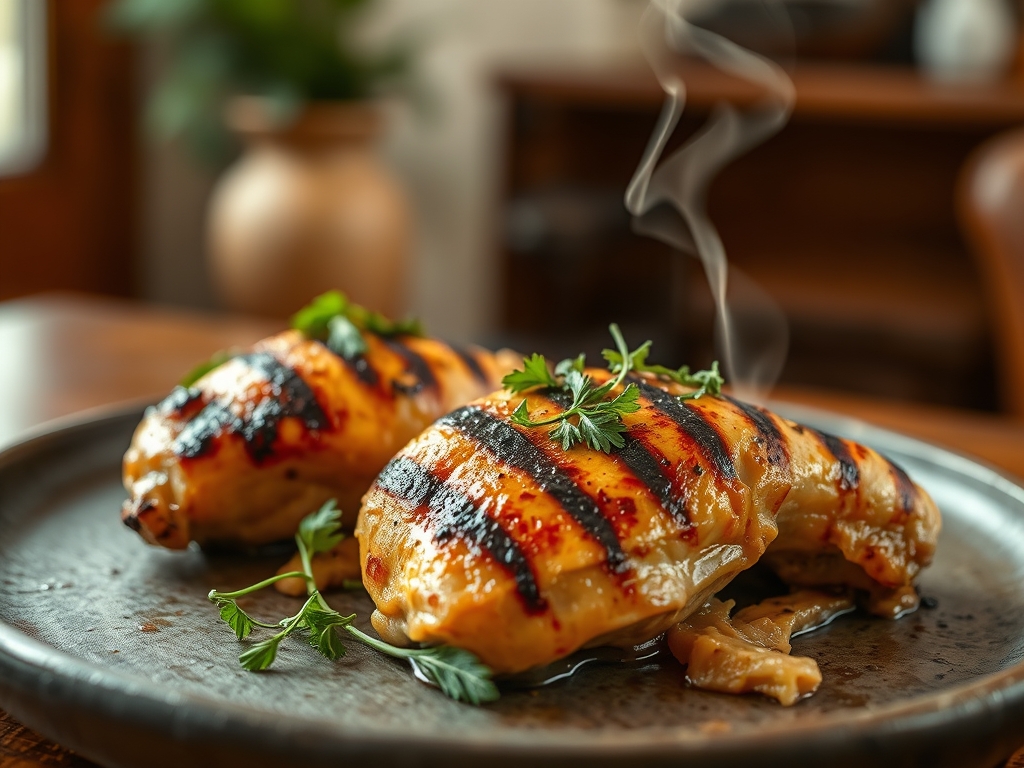
The char on a properly grilled chicken thigh crackles under the knife, releasing steam thick with rendered fat and caramelized aromatics. That dark, blistered skin isn't just aesthetic; it's the Maillard reaction working overtime, creating hundreds of flavor compounds absent in pale, undercooked poultry. Mastering grilled chicken recipes thighs means understanding why dark meat stays forgiving on the grill while breasts turn to rubber, and why bone-in cuts deliver juice that boneless versions can never match.
Thighs contain more intramuscular fat and connective tissue than breast meat, both of which melt during cooking to baste the meat from within. Collagen breaks down into gelatin around 160°F (71°C), transforming what could be chewy texture into silky, pull-apart tenderness. The skin, when left intact and properly dried, becomes a self-basting shield that protects the meat while crisping into something closer to chicharrón than poultry.
Bone-in thighs also conduct heat differently. The bone acts as a thermal anchor, slowing the temperature climb near the joint while the exterior sears. This creates a natural gradient, giving you a wider window before overcooking. You're not racing against dryness the way you are with lean cuts.
The secret to exceptional grilled chicken recipes thighs lies in three non-negotiables: aggressive seasoning that penetrates the meat, controlled two-zone fire management, and patience during the render phase. Rush the skin, and it stays rubbery. Skimp on salt, and you're eating bland protein with a nice tan. Ignore carryover cooking, and you'll serve jerky with grill marks.
The Gathers
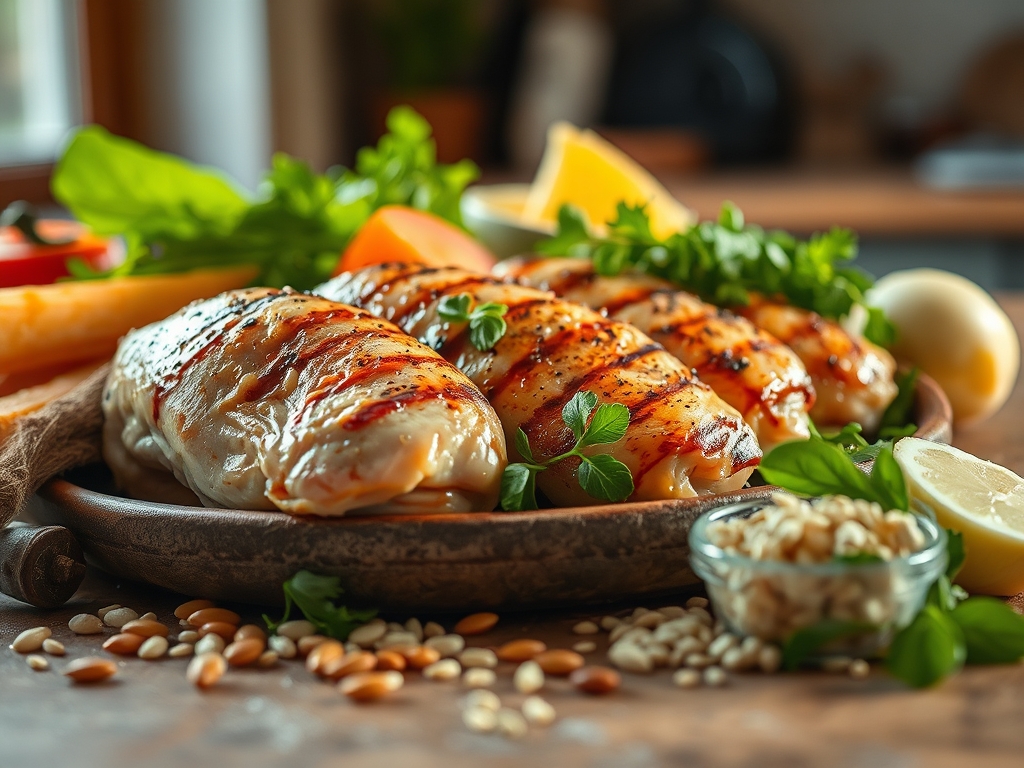
Bone-in, skin-on chicken thighs (6 pieces, roughly 2.5 lbs total) form the foundation. Look for uniform thickness so they finish simultaneously. Kosher salt (2 tablespoons) and freshly cracked black pepper (1 tablespoon) handle the base seasoning. Smoked paprika (1 tablespoon) adds color and subtle smoke that amplifies charcoal notes.
Garlic powder (2 teaspoons, not garlic salt) and onion powder (1 teaspoon) contribute savory depth without the burning risk of fresh aromatics. Neutral oil (2 tablespoons, grapeseed or avocado) helps the spice rub adhere and promotes even browning. Lemon halves (2, for finishing) cut through richness with bright acidity.
As you see in the ingredient spread below, everything should be measured and within arm's reach. Mise-en-place isn't fussy, it's functional.
Smart Substitutions: Swap smoked paprika for ancho chili powder if you want earthy heat. Replace lemon with lime for a sharper, more tropical finish. Olive oil works, but its lower smoke point means closer monitoring. For a Southeast Asian pivot, substitute the paprika and garlic powder for ground coriander and white pepper.
The Clock
Prep Time: 15 minutes (includes patting dry, seasoning, and bringing to room temp).
Cook Time: 28-32 minutes (22 minutes indirect, 6-10 minutes direct sear).
Total Time: 45 minutes.
Chef's Flow: While the grill preheats (10-12 minutes), season the thighs and let them sit. This dual-tasking shaves 10 minutes off perceived prep. Bonus: the salt begins its osmotic work, drawing moisture to the surface for better crisping.
The Masterclass
Step 1: The Dry-Down
Pat each thigh aggressively with paper towels, focusing on the skin side. Surface moisture is the enemy of crispness.
Chef's Secret: Refrigerate the seasoned thighs uncovered for 1-4 hours if time allows. This dries the skin further and seasons deeper through diffusion.
Step 2: The Rub
Combine all dry spices in a small bowl. Drizzle oil over the thighs, then massage the spice blend into every crevice, skin and flesh sides.
Why It Works: Oil-based rubs create a hydrophobic barrier that prevents flare-ups while ensuring even spice distribution. Dry rubs alone can blow off in the grill's convection currents.
Step 3: Two-Zone Fire Setup
Bank all your coals (or turn burners to high) on one side of the grill. Aim for 400-425°F (204-218°C) on the hot side, 275-300°F (135-149°C) on the cool side.
Chef's Secret: Drop a chunk of fruitwood (apple or cherry) on the coals during the indirect phase. Thighs absorb smoke more readily than breasts due to higher fat content.
Step 4: Indirect Render
Place thighs skin-side up on the cool side. Close the lid and roast for 22 minutes, rotating once at the halfway mark.
Why It Works: Indirect heat renders subcutaneous fat slowly, preventing the skin from shrinking and tearing. Internal temp should reach 155°F (68°C) before the sear phase.
Step 5: The Sear Commitment
Move thighs to the hot zone, skin-side down. Sear for 3-4 minutes without moving them. Flip and sear flesh side for 2-3 minutes.
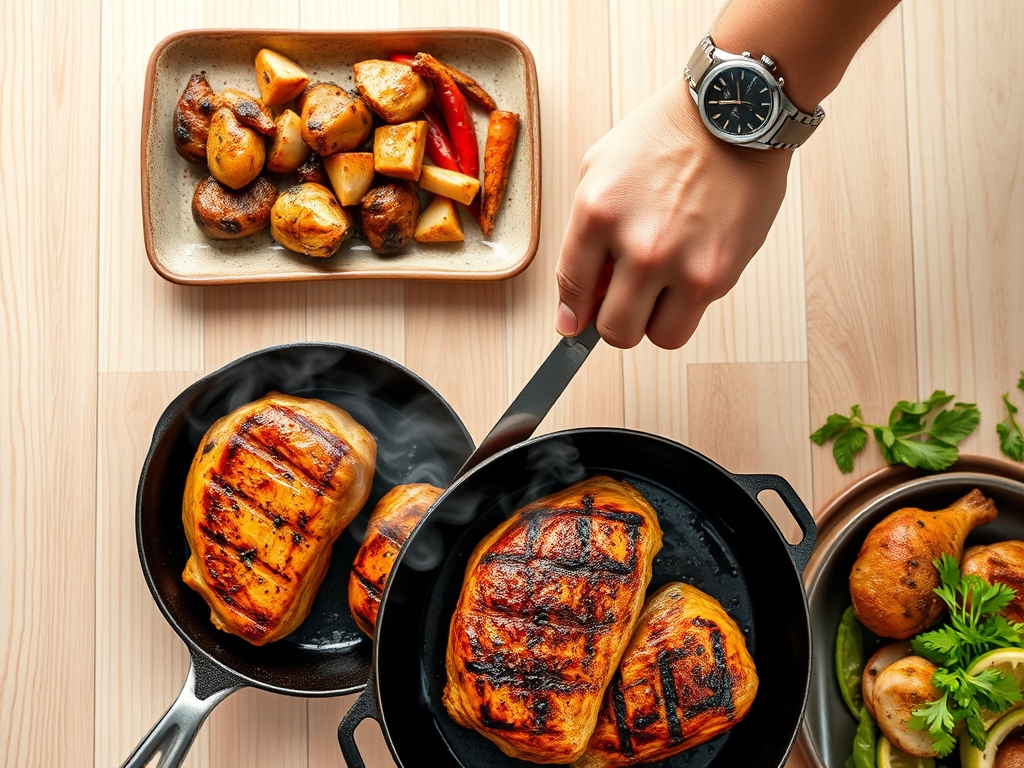
Chef's Secret: Don't press down with tongs. You're squeezing out the very juices you worked to preserve. Note the texture shown in the step-by-step photos: deep mahogany, not black char.
Step 6: Rest and Finish
Transfer to a platter, tent loosely with foil, and rest 5 minutes. Squeeze grilled lemon over the top just before serving.
Why It Works: Carryover cooking brings the internal temp to 165°F (74°C). Myosin proteins relax, allowing juices to redistribute instead of hemorrhaging onto the cutting board.
Nutritional Info
Per thigh (bone-in, skin-on): approximately 280 calories, 22g protein, 20g fat (6g saturated), 0g carbohydrates. Removing skin drops fat to 12g and calories to 210. Thighs contain more iron and zinc than breast meat, plus double the B vitamins.
Dietary Swaps
Keto: Already compliant. Increase fat by basting with melted butter mixed with hot sauce during the sear.
Paleo: Use avocado oil and skip refined spices with anti-caking agents.
Gluten-Free: Inherently safe; just verify spice blends contain no wheat-based fillers.
Vegan Pivot: Substitute king oyster mushroom "steaks," scored and marinated in the same rub for 30 minutes. Grill identically.
Serving & Presentation
Rustic Family-Style: Pile thighs on a wooden board with charred lemon halves, fresh herbs (cilantro or parsley), and flaky sea salt.
Modern Minimalist: Single thigh, sliced on the bias, fanned over creamy polenta with a drizzle of chili oil.
Global Fusion: Serve over coconut rice with pickled vegetables and a lime-fish sauce dressing.
The Pro-Dodge
Pitfall 1: Rubbery skin. Fix: Pat drier pre-cook, or remove the skin entirely if your grill runs too cool.
Pitfall 2: Undercooked near the bone. Fix: Use an instant-read thermometer; the thickest part near the joint must hit 165°F (74°C).
Pitfall 3: Flare-ups charring the exterior. Fix: Move to indirect heat immediately if flames appear, then resume searing once they subside.
The Meal Prep Corner
Store cooked thighs in an airtight container for up to 4 days. Reheat in a 375°F (190°C) oven for 10 minutes, skin-side up, to re-crisp. Avoid microwaving; steam turns the skin soggy. Freeze for up to 3 months; thaw overnight in the fridge before reheating.
The Wrap-Up
Juicy, deeply flavored grilled chicken recipes thighs aren't about luck or expensive equipment. They're about respecting fat, managing heat zones, and giving the meat time to do what it does best: stay tender under pressure. Once you internalize the two-zone method and the importance of resting, you'll never overcook poultry again.
Try one of the plating ideas above, snap a photo, and tag your results. The community thrives on real-world variations, so share your spice blend tweaks and wood smoke experiments.
The Kitchen Table
Q: Can I use boneless, skinless thighs?
A: Yes, but cut the cook time to 12-14 minutes total (6-7 per side over direct medium heat). They'll lack the richness of skin-on cuts, so consider a marinade for added moisture.
Q: What if I only have a gas grill?
A: Preheat all burners, then turn off one side to create the two-zone setup. Use a smoker box with wood chips for added flavor.
Q: How do I know when they're done without a thermometer?
A: Pierce the thickest part; juices should run clear, not pink. The meat should feel firm but still spring back slightly under pressure.
Q: Can I marinate overnight?
A: Absolutely. Acidic marinades (yogurt, citrus, vinegar) tenderize further but can turn the texture mushy past 12 hours. Oil-based marinades are safe for 24 hours.
Q: What's the best wood for smoking?
A: Fruitwoods (apple, cherry, peach) complement poultry without overwhelming. Avoid mesquite or hickory unless you want aggressive smoke.