
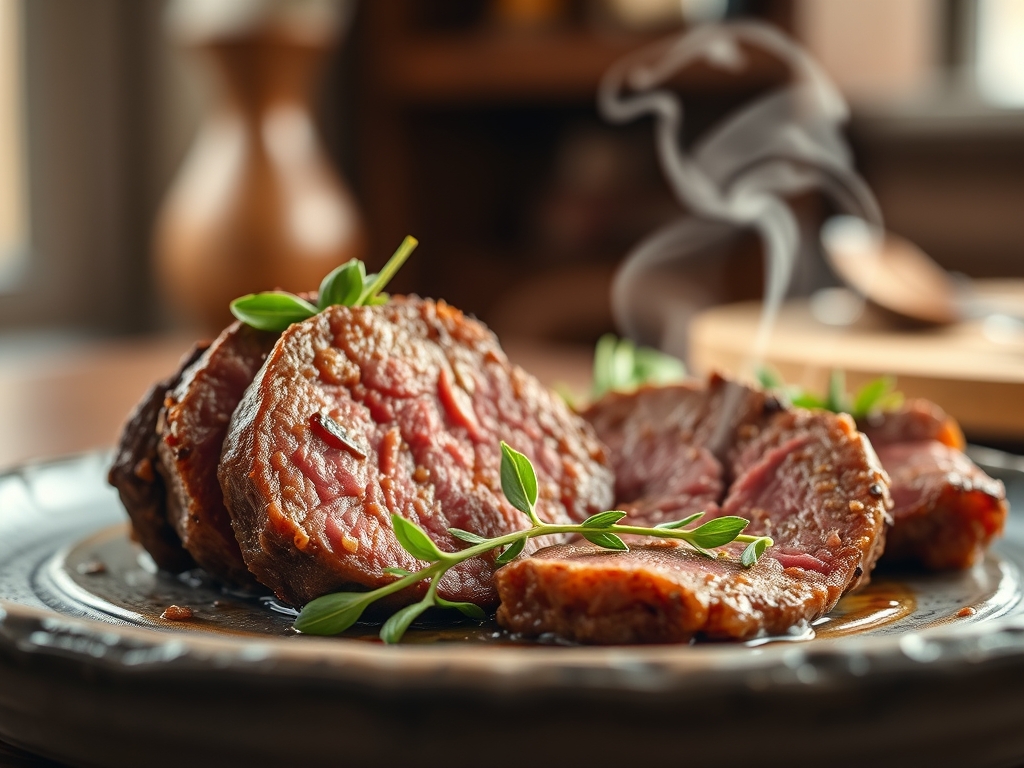
Picture a Sunday afternoon where the air is thick with the scent of garlic, rosemary, and the deep, carnal aroma of searing protein. We have all been there; you find a beautiful cut of beef at the butcher, but it is a round roast, the notorious "tough guy" of the bovine world. Without a plan, you end up with something resembling a leather shoe. However, mastering round roast beef recipes is the ultimate culinary flex because it proves you understand the alchemy of heat and moisture. We are going to transform this lean, hardworking muscle into succulent, velvet-thin slices that melt on the tongue. It is not magic; it is molecular biology disguised as dinner. By manipulating muscle fibers and leveraging the power of salt, we can turn a budget-friendly cut into a centerpiece that rivals a prime rib. Grab your apron and a glass of wine; we are about to dive into the physics of the perfect roast.
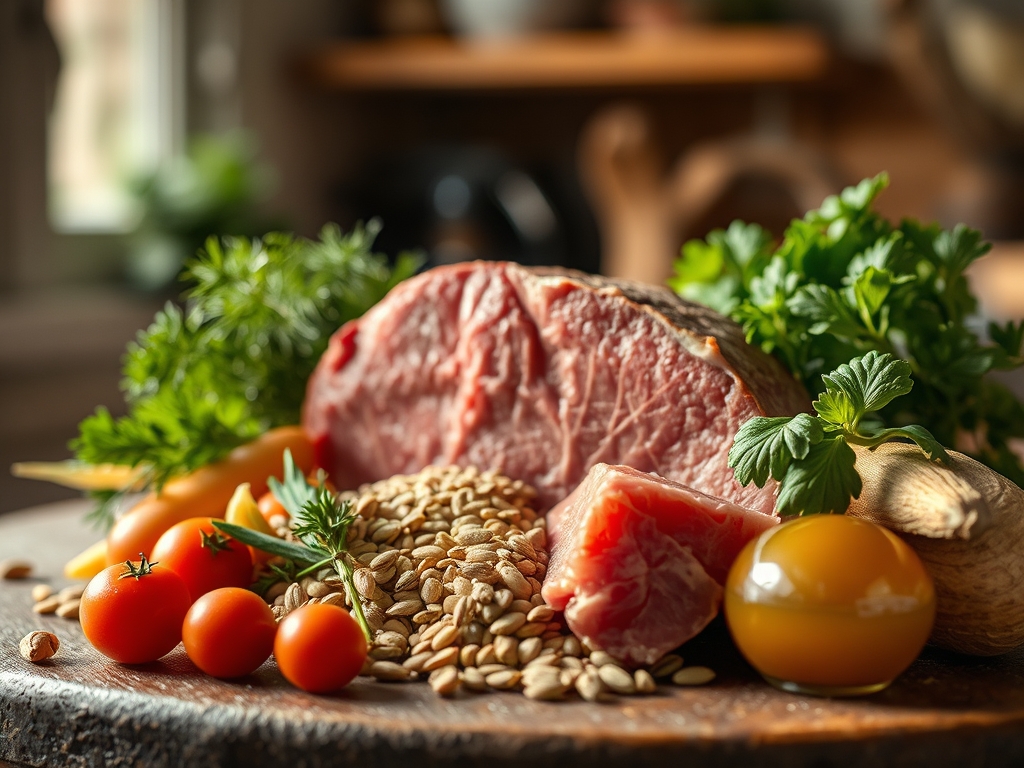
The Gathers:
To begin, clear your workspace and pull out your digital scale. Precision is the enemy of mediocrity. You will need a three to four pound eye of round or top round roast. This cut is lean, meaning it lacks the intramuscular marbling of a ribeye, so we must introduce moisture and fat ourselves. You will need high-quality kosher salt; its jagged crystals are essential for denaturing proteins. Gather four cloves of garlic, a bunch of fresh thyme, and cracked black pepper. For the searing phase, select a high-smoke-point oil like avocado or grapeseed oil.
Smart Substitutions: If you cannot find a round roast, a rump roast or London Broil works beautifully using these same techniques. For a piquant twist, swap the thyme for rosemary or even a crust of crushed pink peppercorns. If you are avoiding seed oils, rendered beef tallow is the gold standard for adding a deep, savory bass note to the crust.
The Clock
The "Chef's Flow" is all about managing transitions. Total preparation takes about 20 minutes of active work, but the "invisible" time is where the flavor happens. You must factor in a 24-hour dry brine for the best results. On the day of cooking, the roast will spend roughly 15 to 20 minutes per pound in the oven, followed by a mandatory 30-minute rest. Total time from fridge to table is approximately two hours. Do not rush the process; the goal is a gentle thermal climb, not a frantic race to the finish line.
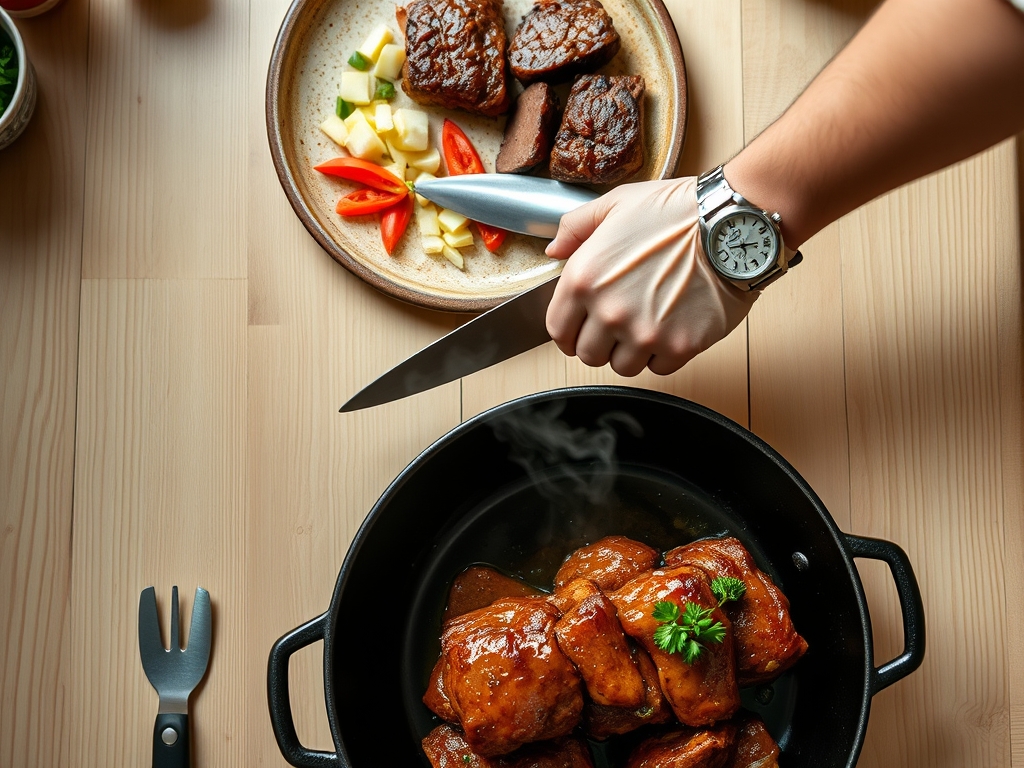
The Masterclass:
1. The Dry Brine Ritual
Twenty-four hours before you plan to cook, pat the beef bone-dry with paper towels. Season aggressively with kosher salt on all sides. Place it on a wire rack over a sheet pan and leave it uncovered in the refrigerator. This allows the salt to penetrate the deep tissues through osmosis.
Pro Tip: This process utilizes osmotic pressure to pull moisture out, dissolve the salt, and then re-absorb the brine into the muscle fibers. This seasons the meat internally and breaks down tough proteins before heat even touches the pan.
2. The Tempering Phase
Remove the beef from the fridge two hours before roasting. Cold meat in a hot pan causes the muscle fibers to seize up, resulting in a "gray ring" of overcooked meat around the edges. Use your tongs to rotate the meat occasionally so it reaches a uniform room temperature.
Pro Tip: This is known as thermal equilibrium. By reducing the temperature gradient between the center of the roast and the oven air, you ensure the meat cooks evenly from edge to center.
3. The Maillard Sear
Heat a heavy-bottomed skillet or a cast iron pan until it is shimmering hot. Add your oil and sear the roast on all sides until a deep, mahogany crust forms. Use your tongs to hold the roast vertically to sear the ends.
Pro Tip: This is the Maillard reaction, a chemical reaction between amino acids and reducing sugars. It creates hundreds of different flavor compounds that give roasted meat its characteristic savory complexity.
4. The Low and Slow Roast
Transfer the roast to a roasting pan. Insert a digital probe thermometer into the thickest part of the meat. Set your oven to a low 225 degrees Fahrenheit. This gentle heat prevents the exterior from drying out while the interior slowly reaches your target temperature.
Pro Tip: Low-temperature roasting minimizes collagen contraction. When meat is blasted with high heat, the connective tissues shrink rapidly, squeezing out precious juices like a wrung-out sponge.
5. The Aromatics Infusion
When the roast is within 10 degrees of its target, toss smashed garlic cloves and thyme sprigs into the pan. If you have a saucier, you can melt butter with these aromatics and baste the meat during the final minutes of cooking.
Pro Tip: Fat is a flavor carrier. The volatile oils in the herbs are fat-soluble, meaning they infuse into the surface of the beef more effectively when paired with a lipid like butter or tallow.
6. The Sacred Rest
Once the internal temperature hits 130 degrees Fahrenheit for medium-rare, remove it from the oven. Place it on a warm cutting board and tent it loosely with foil. Let it rest for at least 20 to 30 minutes before slicing.
Pro Tip: This accounts for thermal carryover, where the internal temperature rises another 5 degrees. More importantly, it allows the pressure inside the meat to equalize, so the juices stay in the fibers rather than flooding the board.
The Deep Dive
From a macro perspective, round roast beef recipes are a nutritional powerhouse. A 4-ounce serving provides roughly 30 grams of protein with only 6 grams of fat, making it one of the leanest beef options available. It is naturally Keto and Gluten-Free. For a vegan alternative, you can apply the dry-rub and slow-roast techniques to a large head of cauliflower or a seitan log, though the cooking times will vary significantly.
The Fix-It:
- The Meat is Gray and Dry: You likely skipped the tempering or the low-heat roasting. Fix this by slicing it paper-thin and serving it with a viscous au jus or gravy to reintroduce moisture.
- The Crust is Soft: Your pan wasn't hot enough during the sear. Next time, use a heavy-bottomed skillet and wait for the oil to reach its smoke point.
- The Meat is Chewy: You may have sliced with the grain. Always use a sharp carving knife to slice against the grain to shorten the muscle fibers.
Meal Prep: To reheat without losing quality, avoid the microwave. Instead, wrap slices in foil with a splash of beef stock and warm them in a 300-degree oven. This creates a mini-steaming environment that prevents the proteins from becoming rubbery.
The Wrap-Up
Mastering the round roast is about patience and precision. By respecting the science of the dry brine and the gentle curve of low-temperature roasting, you turn a humble cut into a gourmet experience. Remember to use your tools; the digital scale and probe thermometer are your best friends in the kitchen. Now, go forth and slice that beef thin; your sandwiches and Sunday dinners will never be the same again.
The Kitchen Table
What is the best temperature for round roast beef?
For a perfect medium-rare, pull the roast from the oven when it hits 130 degrees Fahrenheit. The temperature will rise to 135 degrees as it rests. This ensures the lean muscle remains tender and juicy rather than tough.
How do I slice round roast beef correctly?
Always slice against the grain. Look for the direction the muscle fibers are running and cut perpendicular to them. This breaks up the long, chewy fibers, making every bite feel much more tender on the palate.
Should I cover the roast while it is in the oven?
No, do not cover it. Roasting uncovered allows the air to circulate, which helps maintain the crust you created during the searing phase. Covering it would create steam, turning your roast into a pot roast and ruining the texture.
Why is my round roast beef still tough?
Toughness usually results from overcooking or skipping the resting period. High heat causes the lean fibers to tighten and expel moisture. Using a low oven temperature and allowing a 30-minute rest is essential for a tender result.