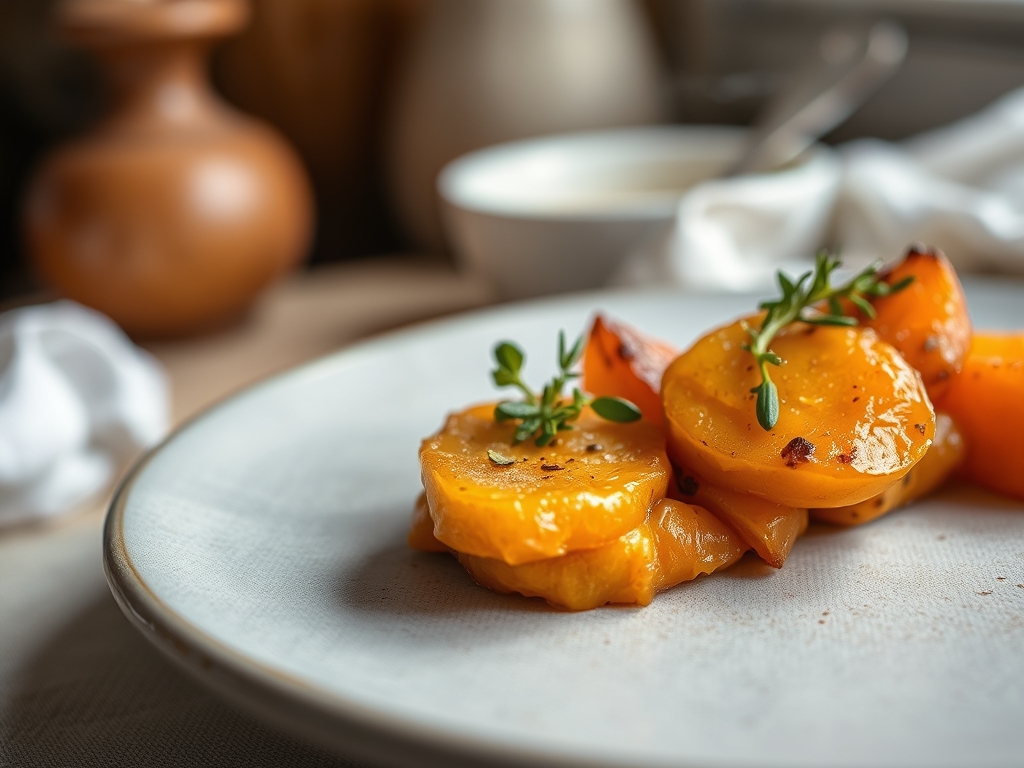
Picture a crisp autumn afternoon where the air carries a sharp chill and your kitchen smells like a high end bistro. We are leaning into the ultimate seasonal marriage with these apple and sweet potato recipes. The scent of caramelizing fructose and earthy tubers is more than just cozy; it is a chemical invitation to dinner.
The magic happens when the malic acid in the fruit meets the complex starches of the potato. This is not just a side dish; it is a masterclass in texture and flavor balancing. Whether you are craving a savory herb infusion or a cinnamon kissed dessert roast, the foundation remains the same. We are looking for that perfect Maillard reaction where the edges turn a deep, lacquered mahogany while the centers remain velvety and plush.
Grab your favorite apron and clear some counter space. We are about to transform humble root vegetables and orchard fruit into six distinct variations of culinary gold. From a piquant rosemary and garlic roast to a maple glazed feast, these apple and sweet potato recipes will become your new cold weather obsession. Let us get into the science of the sear.
The Gathers:
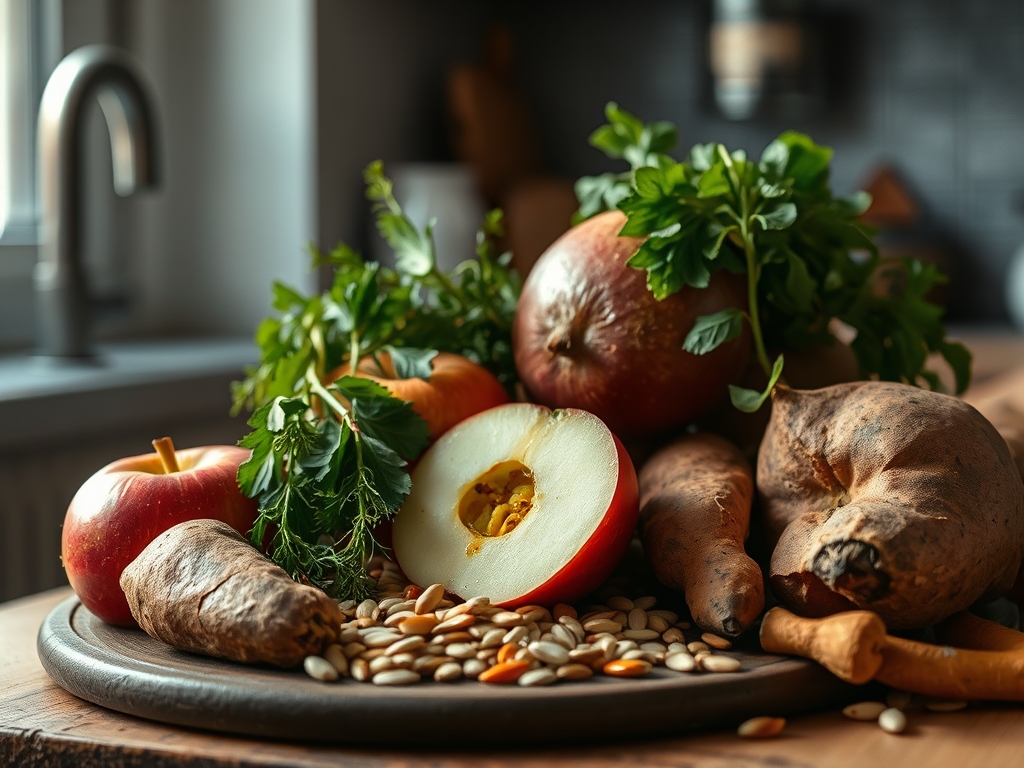
To achieve a professional grade roast, your mise-en-place must be precise. You will need firm, high starch sweet potatoes like the Beauregard or Jewel varieties. For the fruit, select Honeycrisp or Granny Smith apples; their high cellular density prevents them from collapsing into mush under high heat.
The supporting cast includes a high smoke point fat like clarified butter or avocado oil. You will also need kosher salt for its jagged crystal structure that adheres better to surfaces, and aromatics like fresh thyme, sage, or cinnamon sticks. Use a digital scale to ensure your ratios are balanced; I recommend a 2:1 ratio of potatoes to apples to ensure the starch provides enough structural integrity for the dish.
Smart Substitutions:
If you find yourself without sweet potatoes, Butternut squash offers a similar glycemic profile and moisture content. No apples? Bosc pears are an excellent surrogate as they maintain their shape during the roasting process. For a vegan alternative to honey or butter, use Grade A dark maple syrup and cold pressed coconut oil to maintain that viscous mouthfeel.
The Clock
Efficiency in the kitchen is all about the "Chef's Flow." Total active prep time is approximately 20 minutes, while the oven does the heavy lifting for 35 to 45 minutes.
Start by preheating your oven to 425 degrees Fahrenheit. This high temperature is non negotiable; you need immediate thermal impact to trigger the caramelization of sugars before the interior becomes overcooked. While the oven reaches temp, use a bench scraper to organize your chopped produce. This minimizes downtime and keeps your station clean. Remember that the "carryover cooking" phase adds another 5 minutes of rest time once the tray leaves the heat.
The Masterclass
1. The Precision Cut
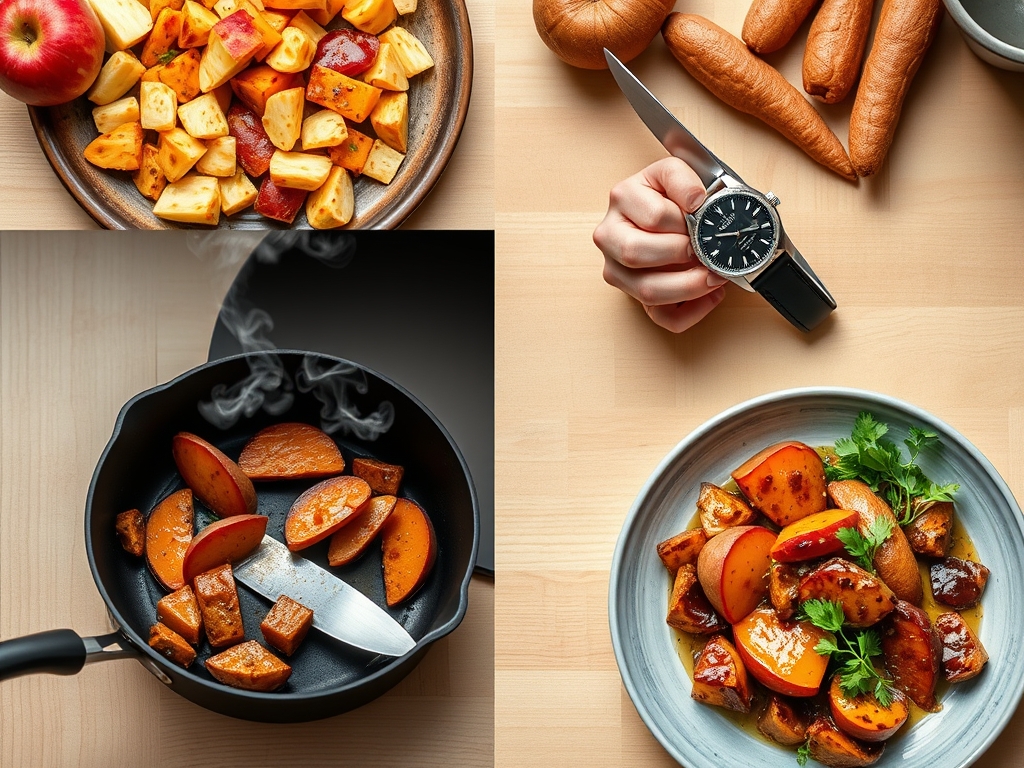
Using a sharp chef's knife, cube your sweet potatoes into uniform 1 inch pieces. Slice the apples into slightly larger wedges, roughly 1.5 inches. The discrepancy in size is intentional; apples have a higher water content and lower density, meaning they cook significantly faster than the fibrous potato.
Pro Tip: This technique accounts for differential thermal conductivity. By cutting the denser potato smaller, you ensure both ingredients reach peak tenderness at the exact same moment.
2. The Emulsion Toss
In a large stainless steel bowl, whisk together your oil, salt, and spices until they form a stable suspension. Toss the produce in the bowl until every surface is shimmering. Do not just drizzle the oil over the pan; you need total coverage to ensure even heat distribution.
Pro Tip: This step utilizes lipid coating to create a moisture barrier. This prevents the "bleeding" of juices, which would otherwise steam the vegetables rather than roasting them.
3. The Pan Placement
Spread the mixture onto a heavy duty rimmed baking sheet. Ensure no two pieces are touching. If you crowd the pan, the moisture escaping the vegetables will create a humid microclimate, leading to a soggy texture.
Pro Tip: This is the science of evaporative cooling. If the steam cannot escape, the surface temperature of the food stays at 212 degrees Fahrenheit, which is too low for the Maillard reaction to occur.
4. The Mid-Point Agitation
At the 20 minute mark, use a pair of tongs or a wide metal spatula to flip the pieces. This exposes the underside, which has been in contact with the hot metal, to the circulating air, while the previously top side now gets direct conduction heat from the pan.
Pro Tip: Flipping facilitates convection consistency. It ensures the "crust" develops uniformly across all geometric faces of the cube.
5. The Aromatic Infusion
During the last 10 minutes of roasting, add your fresh herbs or a sprinkle of citrus zest. Adding them too early would cause the volatile oils to burn, resulting in a bitter flavor profile.
Pro Tip: This preserves the essential oils within the herbs. The residual heat is enough to infuse the fat on the surface of the potatoes without scorching the delicate leaves.
6. The Rest and Glaze
Remove the pan from the oven and let it sit for five minutes. If you are making a sweet version, this is when you drizzle a bit of extra maple syrup or a squeeze of lemon juice. Use a saucier to warm any extra glaze before drizzling.
Pro Tip: This utilizes thermal carryover. The internal temperature continues to rise slightly, setting the starches so the pieces don't fall apart when plated.
The Deep Dive
From a macro perspective, apple and sweet potato recipes are nutritional powerhouses. You are getting a massive dose of Vitamin A (beta-carotene) and Vitamin C, alongside a healthy hit of dietary fiber. A standard serving contains roughly 180 calories, with 40g of complex carbohydrates and 3g of fiber.
Dietary Swaps:
For a Keto-friendly version, swap the sweet potato for cauliflower florets and use a sugar free maple substitute. For Vegan guests, ensure you are using a plant based fat like olive oil. This dish is naturally Gluten Free, making it a safe and crowd pleasing option for diverse tables.
The Fix-It:
- Soggy Results: If your roast is mushy, you likely overcrowded the pan. Fix it by cranking the broiler for 2 minutes to flash dry the surface.
- Burnt Edges: If the sugar in the apples burns before the potatoes are soft, cover the pan loosely with foil to trap steam and finish the softening process.
- Bland Flavor: If it tastes flat, it needs acid. Use a microplane to grate fresh lime zest over the top or add a teaspoon of apple cider vinegar.
Meal Prep:
To reheat, avoid the microwave. The waves will turn the potato starch gummy. Instead, use an air fryer at 350 degrees for 5 minutes or a skillet over medium heat to re-crisp the exterior.
The Wrap-Up
Mastering apple and sweet potato recipes is about more than just tossing things in an oven; it is about respecting the chemistry of the ingredients. When you balance the acidity of the fruit with the earthiness of the tuber, you create a dish that feels sophisticated yet deeply nostalgic. Whether you serve this alongside a roasted chicken or as a standalone plant based bowl, the textures and aromas will speak for themselves. Go forth and roast with confidence!
The Kitchen Table
Which apples are best for roasting?
Granny Smith, Honeycrisp, and Braeburn are superior because their high pectin content helps them maintain structure. Avoid McIntosh or Gala, as they tend to disintegrate and turn into applesauce when exposed to high, prolonged heat.
Do I need to peel the sweet potatoes?
Peeling is optional. The skins contain concentrated fiber and minerals; however, for a more refined "bistro style" presentation, peeling provides a uniform aesthetic. If you keep the skins, scrub them thoroughly to remove any residual grit.
Why are my sweet potatoes still hard?
This usually results from uneven cutting or a cold oven. Ensure your cubes are no larger than one inch and that your oven has fully preheated. High heat is essential to break down the tough cellulose walls.
Can I make this dish ahead of time?
Yes, you can roast them up to three days in advance. To maintain the best texture, store them in an airtight glass container and reheat in a hot oven or air fryer to restore the crisp exterior.