
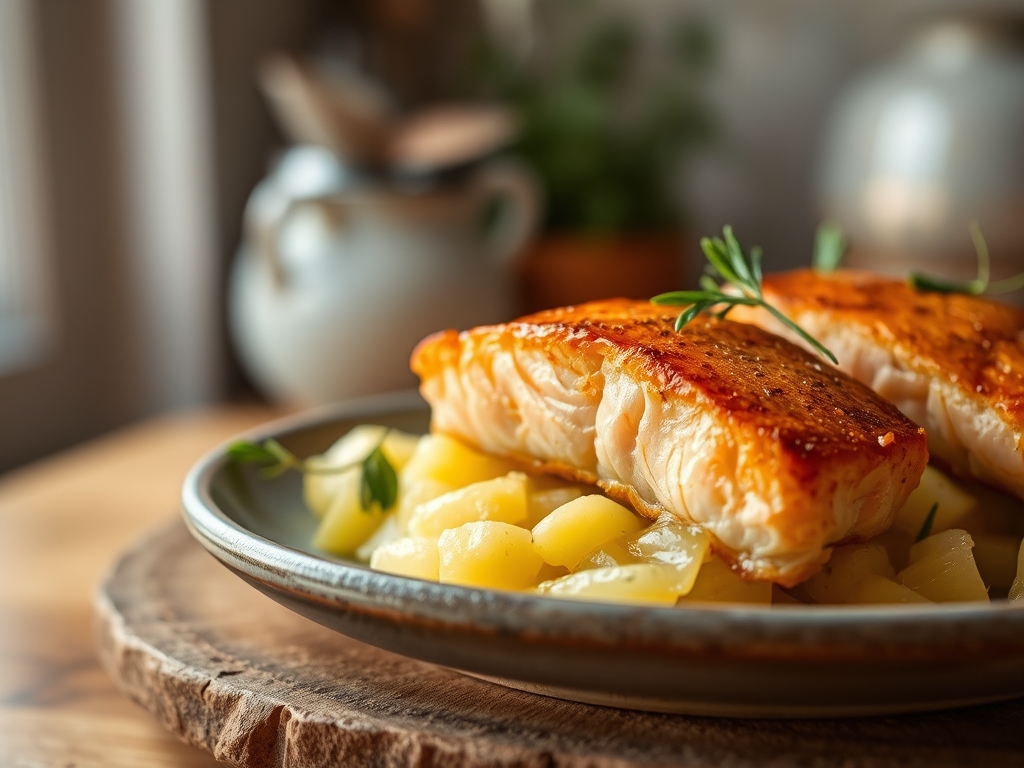
Imagine the sizzle of a heavy-bottomed skillet meeting cold fat; it is the sound of a weeknight transformation. When you master potato and salmon recipes, you are balancing the earthy, starch-heavy comfort of the soil with the delicate, omega-rich elegance of the sea. It is a culinary marriage of textures where the crispy, glass-like skin of a fillet meets the fluffy, pillowy interior of a Yukon Gold. We are not just making dinner; we are engineering a masterpiece of heat and timing.
The secret to these potato and salmon recipes lies in the interplay of moisture and starch. If you have ever struggled with soggy spuds or dry fish, you are likely fighting physics rather than lack of talent. By understanding how to render fat and manage thermal carryover, you turn a simple skillet meal into a restaurant-quality experience. Grab your favorite apron and a glass of crisp white wine; we are about to dive into the molecular magic of the perfect sear.
The Gathers:
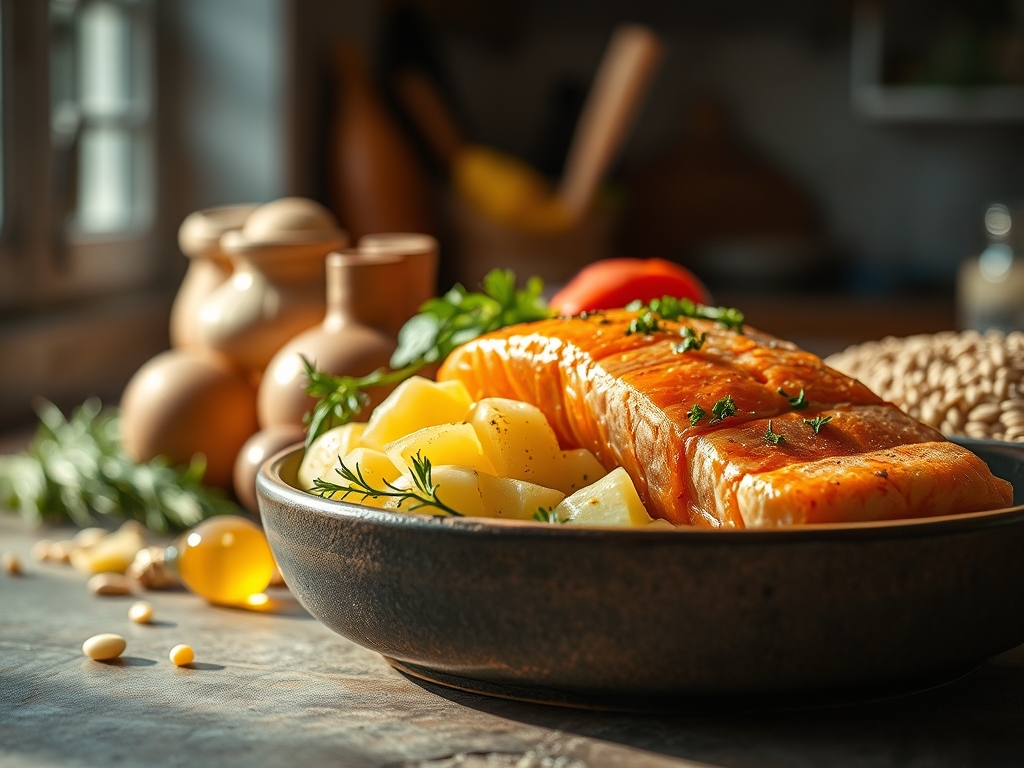
To execute these nine variations, your mise-en-place must be precise. Start with your starch. For a high-density skillet, choose waxy potatoes like Red Bliss or Yukon Gold; their lower amylose content ensures they hold their shape during the vigorous agitation of a sauté. Your salmon should be center-cut fillets, ideally skin-on, to provide a protective barrier against the intense conductive heat of the pan.
You will need high-smoke-point fats like avocado oil or clarified butter to achieve the Maillard reaction without scorching. Aromatics are non-negotiable; have fresh dill, flat-leaf parsley, and garlic cloves ready. Use a microplane to zest lemons directly over the dish at the end to release volatile oils that would otherwise dissipate under high heat.
Smart Substitutions:
If you are looking to lower the glycemic index, swap traditional tubers for Japanese sweet potatoes; they offer a dense, creamy texture that mimics the mouthfeel of a standard russet. For a dairy-free richness, use full-fat coconut milk to deglaze the pan, creating a viscous, piquant sauce that clings to the fish. If fresh salmon is unavailable, high-quality frozen fillets work beautifully, provided they are patted completely dry to prevent steam-cramping the pan.
The Clock: Timing the Chef's Flow
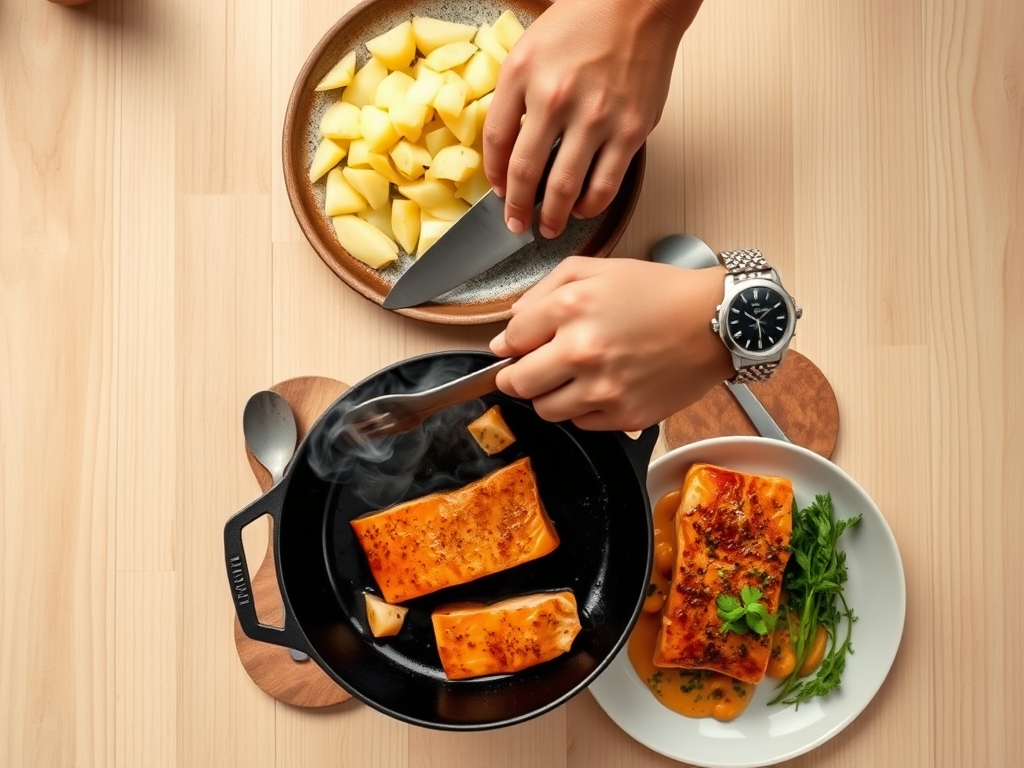
Efficiency in the kitchen is about heat management. Total active prep time for these recipes usually clocks in at 15 minutes, with a cook time of 20 to 25 minutes. The "Chef's Flow" dictates that the potatoes always hit the pan first. Because potatoes are dense and have high thermal mass, they require significantly more time to soften and brown than the delicate proteins in salmon.
While the potatoes are undergoing enzymatic browning in the skillet, you should be seasoning your fish. This 10-minute window allows the salt to penetrate the muscle fibers, a process known as dry-brining, which helps the fish retain moisture. By the time the potatoes are 80 percent cooked, you create a "nest" in the center of the pan for the salmon. This synchronized finish ensures that the fish is translucent and flaky exactly when the potatoes reach a golden, shattered-glass exterior.
The Masterclass
1. The Initial Sear and Starch Softening
Place your sliced potatoes into a preheated heavy-bottomed skillet with a generous amount of fat. Do not crowd the pan; crowding lowers the surface temperature and leads to steaming rather than frying. Use a bench scraper to move the potatoes efficiently if they stick.
Pro Tip: This stage relies on gelatinization. As the starch granules in the potato absorb moisture and heat, they swell and soften. Keeping the lid on for the first five minutes traps steam to cook the interior, while removing it later allows for the crisping phase.
2. Seasoning and Aromatics
Once the potatoes show golden edges, add your aromatics. Toss in crushed garlic and woody herbs like rosemary or thyme. Use tongs to ensure every potato slice is coated in the infused oil.
Pro Tip: Adding garlic too early leads to bitterness. By waiting until the potatoes are partially cooked, you avoid burning the delicate sulfur compounds in the garlic, ensuring a mellow, toasted flavor profile instead of a piquant, acrid one.
3. The Salmon Integration
Push the potatoes to the perimeter of the skillet and place the salmon skin-side down in the center. Press down firmly with a flexible spatula for 30 seconds to prevent the skin from curling.
Pro Tip: This is the contraction phase. Protein fibers tighten when they hit heat. Pressing the fish ensures maximum surface contact, leading to an even, crispy skin through efficient heat conduction.
4. The Deglaze and Emulsification
Once the salmon is flipped, add a splash of white wine or vegetable stock. Use a saucier or a small whisk to scrape up the browned bits (the fond) from the bottom of the pan.
Pro Tip: This is deglazing. The liquid dissolves the caramelized sugars and proteins stuck to the pan, creating a built-in sauce. Adding a cold knob of butter at the very end creates an emulsion, giving the sauce a glossy, professional finish.
The Deep Dive
From a nutritional standpoint, potato and salmon recipes are a powerhouse. You are getting a complex carbohydrate for sustained energy alongside high-quality protein and essential Omega-3 fatty acids. One serving typically provides roughly 35g of protein and 40g of carbohydrates, making it an ideal post-workout recovery meal.
Dietary Swaps:
For a Keto-friendly version, replace potatoes with cauliflower florets or radishes; when roasted in the skillet, radishes lose their bite and take on a texture remarkably similar to new potatoes. For a Vegan alternative, though the salmon is the star, you can use thick slabs of "Lion's Mane" mushroom seasoned with dulse flakes to mimic the oceanic salinity of the fish.
The Fix-It: Common Pitfalls
- Soggy Potatoes: This happens when the pan is overcrowded. Fix it by removing half the potatoes and finishing them in batches to allow moisture to evaporate.
- Dry Salmon: Usually caused by ignoring thermal carryover. Remove the fish when it is 5 degrees below your target temperature; the internal heat will finish the job on the plate.
- Sticking Skin: If the fish won't budge, it is not ready. The protein will naturally release from the pan once the Maillard reaction is complete.
Meal Prep Science:
To reheat without ruining the texture, avoid the microwave. Use a toaster oven at 300 degrees Fahrenheit. This gently warms the salmon without "re-cooking" the delicate fats, while the dry air helps re-crisp the potato skins to day-one quality.
The Wrap-Up
Mastering the skillet is about intuition and science working in harmony. These potato and salmon recipes are more than just a meal; they are a lesson in heat control and flavor layering. Whether you are using a digital scale to portion your fillets or a simple cast iron pan to get that perfect crust, the results are always rewarding. You have the tools, the technique, and the scientific "why" behind every flip. Now, go turn that kitchen into your personal bistro!
The Kitchen Table
How do I prevent salmon from sticking to the skillet?
Ensure the pan and oil are shimmering hot before adding the fish. Pat the skin completely dry with paper towels. Once placed, do not move the fillet for at least three minutes; the fish will naturally release once seared.
What are the best potatoes for skillet recipes?
Yukon Gold potatoes are the gold standard. They possess a medium starch content that allows for a creamy interior while still developing a crisp, golden exterior. They hold their shape better than Russets during flipping and stirring.
Can I use frozen salmon for these recipes?
Yes, but thaw it completely in the refrigerator first. Excess moisture is the enemy of a good sear, so use a heavy hand with paper towels to dry the fish before it hits the hot oil in your skillet.
How do I know when the salmon is perfectly cooked?
Use a digital thermometer to reach an internal temperature of 125°F for medium-rare. Alternatively, press the thickest part of the fillet; it should yield slightly and begin to flake along the natural white lines of fat.