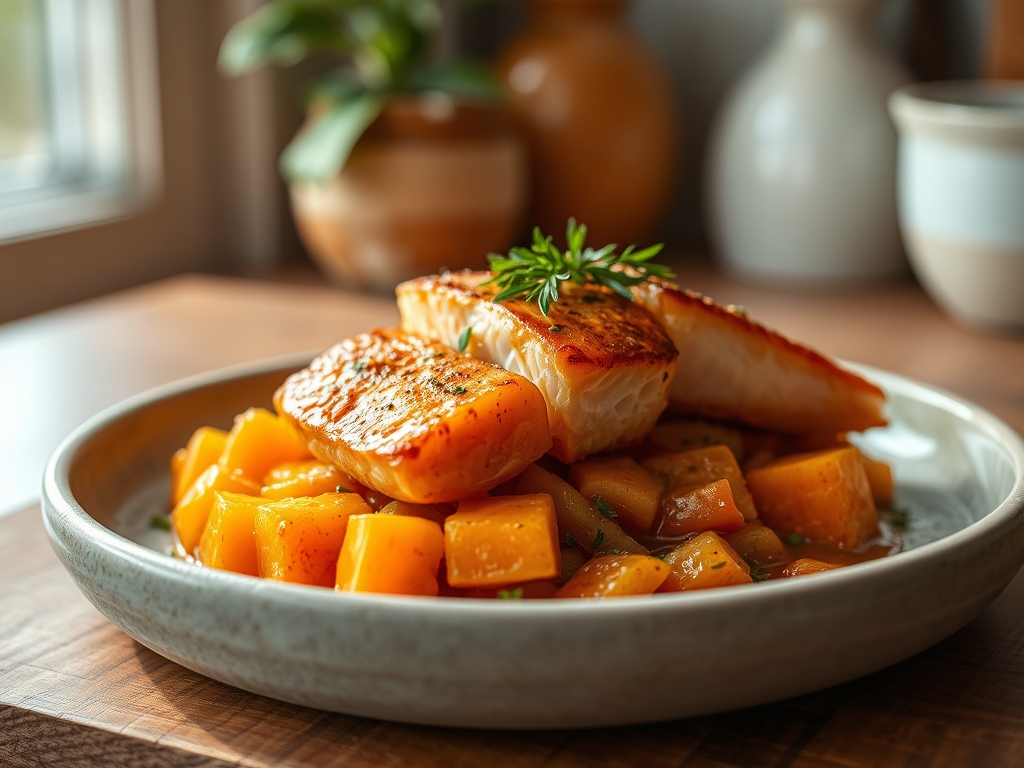
Imagine the sizzle of a heavy-bottomed skillet meeting cold fat; it is the sound of a weekday transformation. You are standing in your kitchen, the scent of caramelizing sugars and omega-3 richness filling the air. Mastering sweet potatoes and salmon recipes is not just about a meal; it is about harnessing the Maillard reaction to create a plate that feels like a luxury resort dinner but fuels like a marathon runner's breakfast. This is the ultimate intersection of high-performance nutrition and culinary art.
The beauty of this pairing lies in the structural contrast. You have the dense, starch-heavy profile of the tuber and the delicate, flakey protein of the fish. When you roast them together, you are managing two very different thermal windows. Sweet potatoes require high, sustained heat to break down complex polysaccharides into simple sugars. Salmon, conversely, demands a gentle touch to prevent the albumin from leaching out like white pearls of overcooked regret. We are going to bridge that gap with smart timing and professional-grade seasoning.
By the end of this guide, you will be able to pivot between ten distinct flavor profiles, from a piquant citrus glaze to a smoky chipotle rub. We are going to treat your kitchen like a laboratory and your palate like a VIP guest. Grab your apron; we are about to make some kitchen magic.
The Gathers:
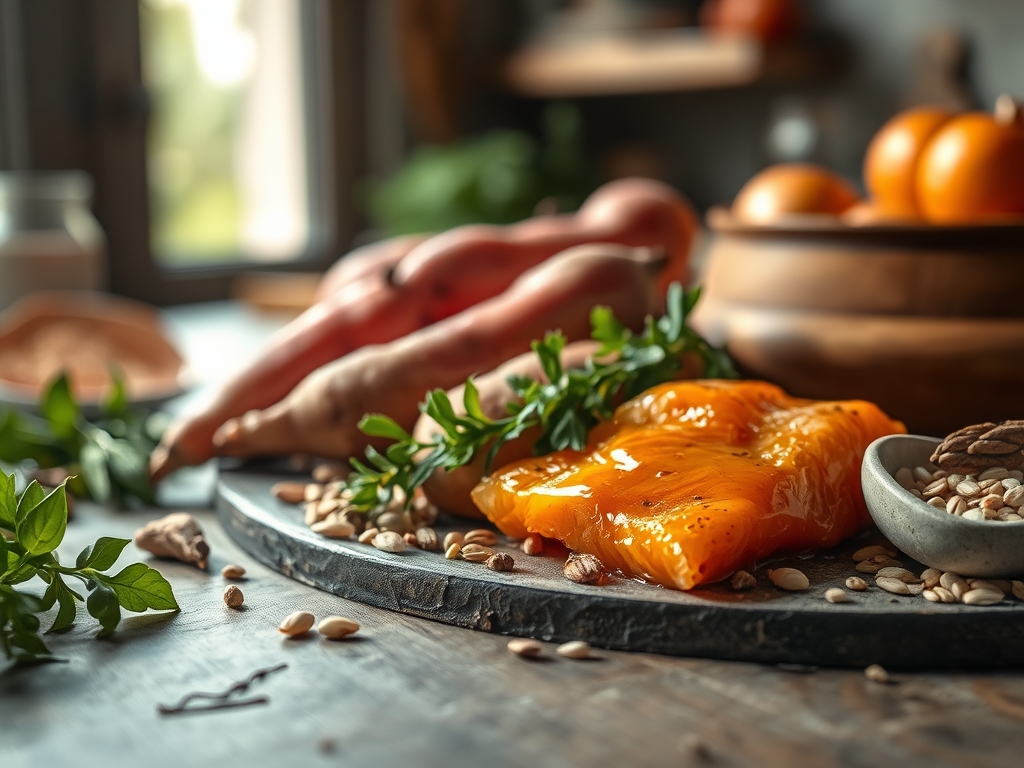
To execute these sweet potatoes and salmon recipes with precision, your mise-en-place must be impeccable. Start with the starch. Look for Garnet or Jewel sweet potatoes; their high moisture content ensures a creamy interior while the exterior undergoes enzymatic browning. For the salmon, source wild-caught Coho or King fillets. These varieties possess a more robust muscular structure that holds up under the intense heat of a convection oven.
Your aromatics should include fresh rosemary, garlic cloves, and perhaps a pinch of smoked paprika to enhance the earthy notes of the potato. You will also need a high-smoke-point lipid. Avocado oil is ideal here because it remains stable up to 520 degrees Fahrenheit, preventing the formation of acrolein, that bitter, acrid smoke that ruins a delicate fillet. Use a digital scale to ensure your portions are uniform; consistency in mass leads to consistency in cook time.
Smart Substitutions:
If you are looking to lower the glycemic index further, swap half the sweet potatoes for kabocha squash. It maintains a similar texture but offers a nuttier, less saccharine finish. For the salmon, if fresh fillets are unavailable, high-quality frozen portions work perfectly if thawed slowly in the refrigerator to preserve the cellular integrity of the flesh. If you lack avocado oil, ghee is a fantastic alternative; its clarified milk solids provide a nutty aroma without the risk of burning that standard butter carries.
The Clock
Efficiency in the kitchen is governed by what I call the Chef's Flow. Total prep time for these recipes is approximately 15 minutes, with a total cook time of 25 to 30 minutes. The secret is the staggered start. You cannot throw everything on the tray at once and expect a miracle.
The sweet potatoes require a 15-minute head start in a 425-degree oven. This allows the heat to penetrate the dense core of the tuber. While they roast, you have a 15-minute window to prepare your glaze or herb crust. This "active waiting" is when you use your microplane to zest citrus or your saucier to reduce a balsamic glaze. Once the potatoes are tender-crisp, you slide the salmon onto the tray for the final 10 to 12 minutes. This ensures the fish reaches a perfect medium-rare internal temperature of 125 degrees Fahrenheit just as the potatoes reach peak caramelization.
The Masterclass
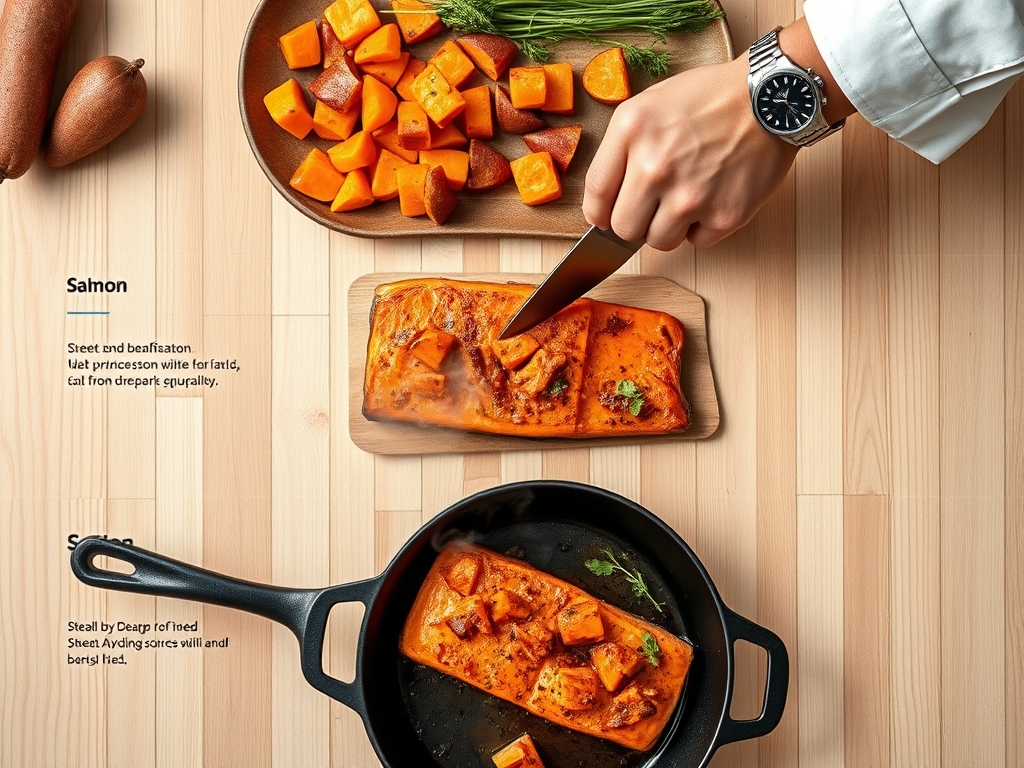
1. Precision Cubing and Surface Area
Use a sharp chef's knife or a bench scraper to ensure your sweet potatoes are cut into uniform 1/2-inch cubes. Uniformity is the soul of even cooking. Toss them in a bowl with your oil and salt until they are viscous and fully coated.
Pro Tip: This step maximizes surface area for the Maillard reaction. By increasing the contact points with the hot roasting pan, you accelerate the chemical reaction between amino acids and reducing sugars, resulting in that golden-brown crust.
2. The Initial Roast
Spread the potatoes on a preheated heavy-duty sheet pan. Do not crowd the pan; if the cubes are touching, they will steam rather than roast. Slide them into the upper third of the oven.
Pro Tip: Preheating the pan creates an immediate thermal shock. This sears the bottom of the potato instantly, preventing the starch from sticking and ensuring a crispier bottom without the need for excessive flipping.
3. Salmon Preparation and Seasoning
While the potatoes roast, pat your salmon fillets bone-dry with a paper towel. Moisture is the enemy of a good sear. Season generously with kosher salt and cracked black pepper. If using a glaze, apply it only in the final three minutes of cooking.
Pro Tip: Drying the skin is essential for collagen denaturation. When the skin is dry, the heat can immediately begin rendering the fat and crisping the proteins rather than wasting energy evaporating surface water.
4. The Integration
Pull the pan out and move the potatoes to the perimeter. Place the salmon fillets in the center. If you are using a digital thermometer, insert the probe into the thickest part of the fish now.
Pro Tip: Moving the potatoes to the edges utilizes convection currents. The edges of the pan are typically hotter than the center, giving the potatoes a final blast of heat while the salmon cooks more gently in the middle.
5. The Rest and Carryover
Once the salmon hits 125 degrees, remove the pan from the oven. Do not touch the fish for at least five minutes. Transfer the fillets to a warm plate using wide tongs to avoid breaking the delicate flakes.
Pro Tip: This accounts for thermal carryover. The internal temperature will rise another 5 degrees while resting. This resting period also allows the muscle fibers to relax and reabsorb the juices, ensuring a succulent mouthfeel.
The Deep Dive
From a nutritional standpoint, sweet potatoes and salmon recipes are a powerhouse. You are getting a massive dose of Vitamin A (beta-carotene) from the potatoes, which is fat-soluble, meaning the healthy fats from the salmon actually help your body absorb it. You are also looking at a high protein-to-calorie ratio, making this a staple for muscle recovery.
Dietary Swaps:
For a Keto version, replace the sweet potatoes with roasted cauliflower or radishes; both mimic the texture when roasted at high heat. For a Vegan alternative, replace the salmon with thick slabs of cauliflower steak or firm tofu pressed and marinated in seaweed dashi to mimic the oceanic salinity. All recipes are naturally Gluten-Free, provided your seasonings are pure.
The Fix-It:
- Soggy Potatoes: Usually caused by overcrowding. Fix it by spreading them across two pans or using a wire rack set inside the sheet pan for better airflow.
- Dry Salmon: This is overcooking. Fix it by pulling the fish out 5 degrees earlier than your target temp and using a foil tent to finish.
- Burnt Glaze: High-sugar glazes (like honey or maple) burn quickly. Fix it by only applying the glaze during the last 120 seconds of roasting or under the broiler.
Meal Prep Science:
To reheat without turning the salmon into rubber, avoid the microwave. Use a toaster oven at 300 degrees with a splash of water in the pan to create a small amount of steam. This rehydrates the proteins and prevents the fats from becoming oxidized and "fishy."
The Wrap-Up
You now have the technical blueprint to master sweet potatoes and salmon recipes like a pro. By understanding the science of heat transfer and the importance of surface moisture, you have moved beyond following a recipe to understanding the "why" behind every sizzle. These ten variations are just the beginning; once you have the base technique down, the flavor combinations are infinite. Go forth, use your tongs with confidence, and enjoy the most vibrant, nutrient-dense meal in your repertoire!
The Kitchen Table
Can I roast sweet potatoes and salmon on the same pan?
Yes, but you must use a staggered start. Roast the potatoes for 15 minutes first, as they require more time to soften. Add the salmon for the final 10 minutes to ensure both components reach perfection simultaneously.
How do I keep the salmon skin crispy?
Ensure the skin is bone-dry before seasoning. Place the salmon skin-side down on a preheated pan. The direct contact with the hot metal renders the fat quickly, creating a crisp, cracker-like texture through intense heat conduction.
What is the best temperature for roasting salmon?
A temperature of 400 to 425 degrees Fahrenheit is ideal. This high heat allows for a quick cook time, which preserves the moisture inside the fillet while providing enough energy to caramelize the exterior seasonings effectively.
How do I know when the sweet potatoes are done?
The potatoes are finished when they are fork-tender and show visible browning on the edges. This indicates that the internal starches have converted to sugars and the Maillard reaction has successfully occurred on the surface.