
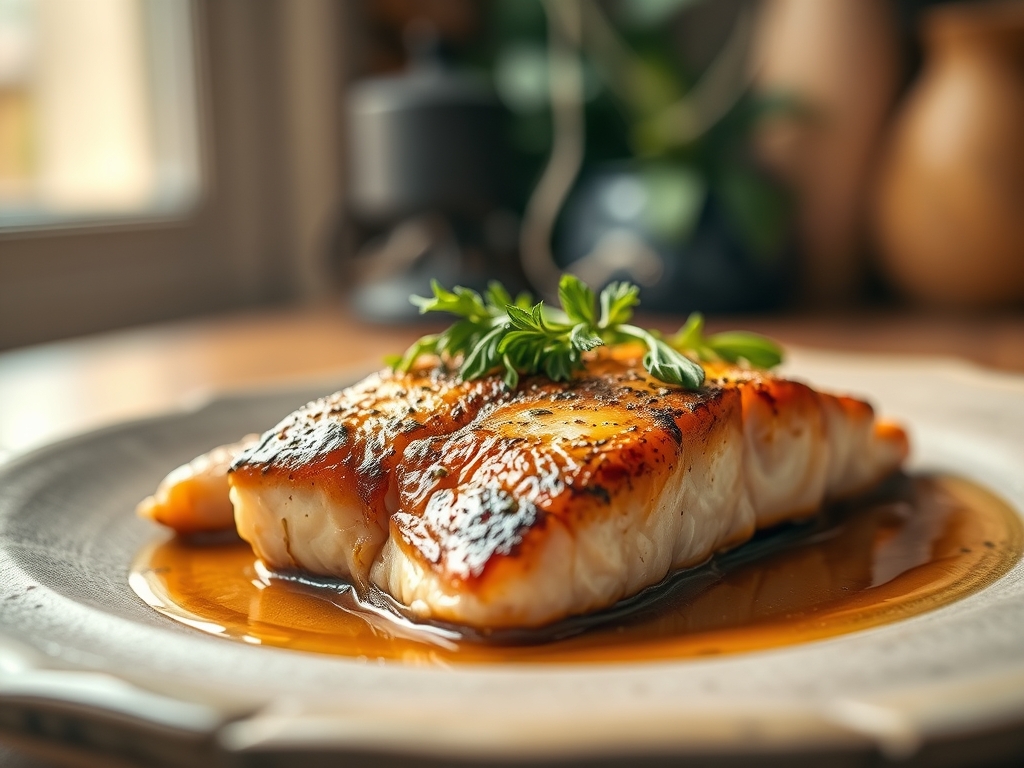
Picture this: a heavy-bottomed skillet sizzling on the stovetop while the scent of citrus and sea salt fills your kitchen. Summer is the season of vibrancy, and nothing captures that energy quite like these nine summer salmon recipes. We are moving beyond the basic baked fillet to embrace high-heat searing and cold-smoke infusions. Whether you are hosting a backyard gathering or looking for a quick weeknight protein fix, these methods ensure your fish remains succulent. We will focus on the interplay between acidic marinades and the rich, omega-3 fats that make salmon the undisputed queen of the grill.
The Gathers:
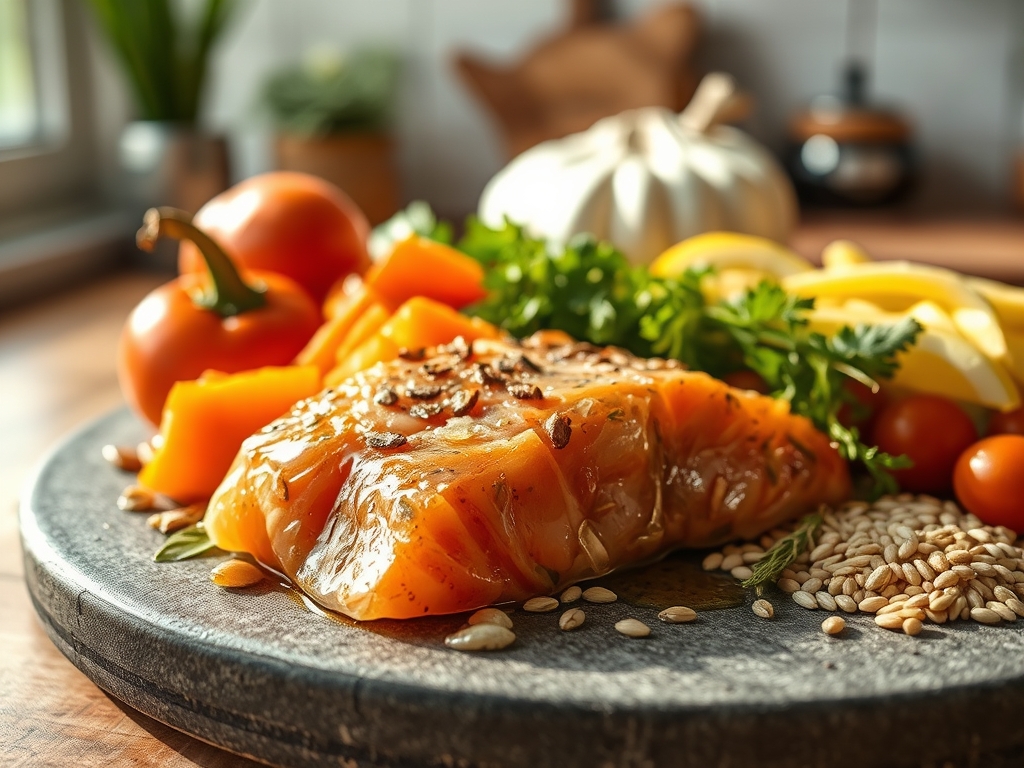
To master these summer salmon recipes, your mise-en-place must be precise. Start with center-cut fillets; these offer a uniform thickness which is vital for consistent heat distribution. You will need high-smoke-point oils like avocado or grapeseed oil to facilitate the Maillard reaction without scorching. Gather fresh aromatics: dill, cilantro, and mint. These herbs contain volatile oils that dissipate quickly, so keep them in a damp paper towel until the final moment of plating.
For the "Smart Substitutions," consider the texture. If you cannot find wild-caught King salmon, Sockeye provides a leaner, more robust flavor profile but requires a shorter cook time to avoid desiccation. If you are out of lemons, use a splash of verjus or white balsamic vinegar to provide that necessary piquant brightness. Always use a microplane to zest your citrus; this tool ensures you only capture the oil-rich flavedo without the bitter white pith.
The Clock
Efficiency in the kitchen is about understanding the "Chef's Flow." For most summer salmon recipes, the active prep time is roughly fifteen minutes. This involves the breakdown of aromatics and the tempering of the fish. Never cook salmon straight from the refrigerator. Allow it to sit at room temperature for twenty minutes to ensure the muscle fibers do not seize when they hit the pan.
The actual cook time is remarkably brief. A standard six-ounce fillet requires only three to four minutes per side. We factor in a five-minute rest period. This is not just a suggestion; it is a thermal necessity. During this time, the internal juices redistribute from the center back to the edges, ensuring every bite is moist. Total time from fridge to table is approximately forty minutes.
The Masterclass
1. The Surface Prep
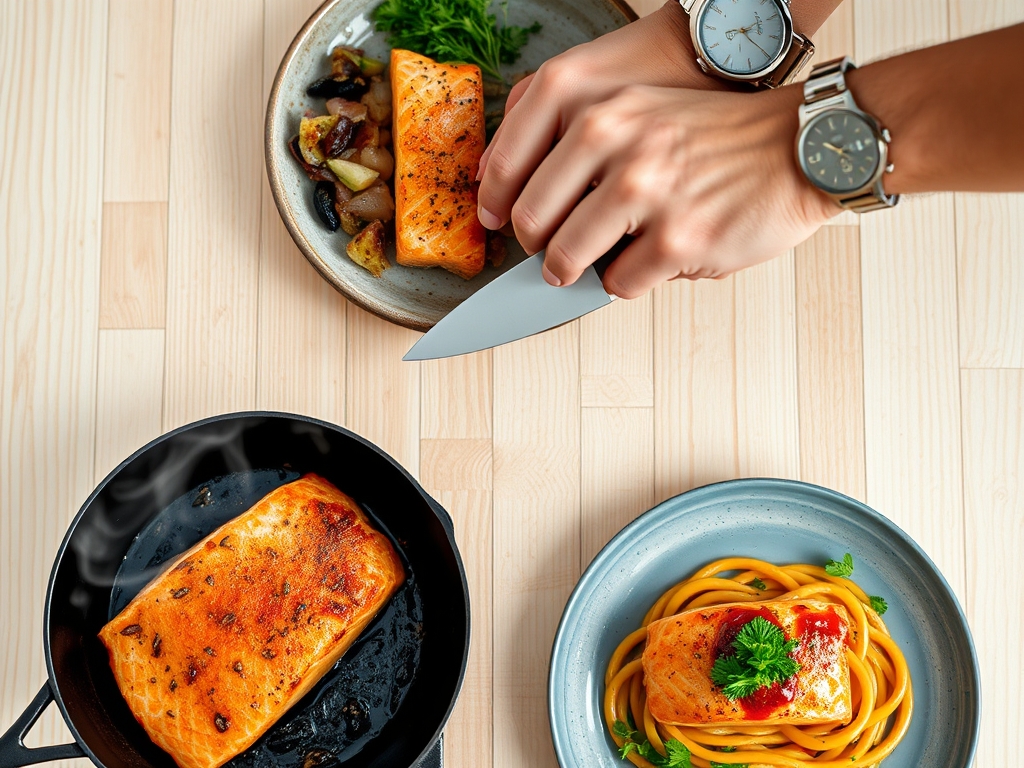
Dry the skin of your salmon using a lint-free paper towel until it feels tacky. Moisture is the enemy of a crisp finish. If the surface is wet, the heat energy is wasted on evaporating water rather than browning the proteins.
Pro Tip: This is the science of surface tension. By removing moisture, you allow the oil to create a direct thermal bridge to the skin, leading to rapid dehydration and crisping.
2. The Sear
Heat your heavy-bottomed skillet until the oil shimmers. Place the salmon skin-side down and press firmly with a flexible fish spatula for thirty seconds. This prevents the skin from curling as the collagen fibers contract under heat.
Pro Tip: This prevents the "bowing" effect. Maintaining flat contact ensures even heat conduction across the entire surface area of the fillet.
3. The Temperature Check
Use a digital thermometer to pull the fish at 125 degrees Fahrenheit for a medium-rare finish. The temperature will continue to rise after you remove it from the heat source.
Pro Tip: This is known as thermal carryover. The residual heat on the exterior continues to migrate inward, raising the internal temperature by another five to seven degrees.
4. The Emulsion Sauce
While the fish rests, deglaze your pan with a splash of dry white wine. Use a whisk to incorporate cold butter cubes one at a time until the sauce becomes viscous and glossy.
Pro Tip: You are creating a temporary emulsion. The milk solids in the butter bind with the wine's acidity to create a smooth coating that clings to the fish.
5. The Herb Infusion
Fold in your fresh herbs at the very last second. Use a sharp chef's knife to slice them cleanly; bruising the leaves with a dull blade will cause them to oxidize and turn black.
Pro Tip: This preserves the chlorophyll and essential oils. High heat destroys the delicate aromatic compounds in soft herbs like dill and parsley.
The Deep Dive
From a macro perspective, salmon is a nutritional powerhouse. A standard serving provides roughly 25 grams of protein and is rich in Vitamin B12. For those following a Keto lifestyle, the high fat-to-protein ratio makes this a perfect staple. If you are looking for a vegan alternative to these summer salmon recipes, consider using "watermelon steaks" marinated in soy and liquid smoke; while the texture differs, the visual and savory profile is surprisingly similar. For Gluten-Free diners, ensure your soy-based glazes are replaced with tamari or coconut aminos.
The "Fix-It" Guide:
- The White Gunk: If you see white substance (albumin) seeping out, you are overcooking the fish. The muscle fibers are contracting too tightly and squeezing out the protein. Fix: Lower your heat and pull the fish earlier.
- Sticking Skin: If the fish won't release from the pan, do not force it. Fix: Wait another thirty seconds. The fish will naturally "release" once the Maillard reaction has fully formed a crust.
- Soggy Texture: This usually happens from overcrowding the pan. Fix: Cook in batches to ensure the ambient temperature of the skillet doesn't drop.
When it comes to meal prep, reheating salmon is a delicate art. Avoid the microwave, which turns the fats rancid and the texture rubbery. Instead, use a low-temperature oven (275 degrees) with a splash of water covered in foil to gently steam the fish back to life. This preserves the lipid structure and keeps the meat tender.
The Wrap-Up
Mastering these summer salmon recipes is about more than just following a list of ingredients; it is about respecting the chemistry of the ingredients. When you balance the rich, fatty acids of the fish with the sharp, piquant notes of a summer salsa or a citrus reduction, you create a dish that is both sophisticated and incredibly satisfying. Grab your tongs, fire up that skillet, and let the science of great flavor lead the way. Your dinner guests will be begging for your secrets.
The Kitchen Table
How do I get the skin extra crispy?
Ensure the skin is bone-dry before hitting the pan. Use a high-smoke-point oil and press the fillet down with a spatula for the first thirty seconds to ensure total surface contact and even browning through the Maillard reaction.
Can I grill these salmon recipes instead?
Yes. Use a clean, well-oiled grate over medium-high heat. Place the salmon skin-side down first. The skin acts as a natural heat shield, protecting the delicate flesh from the direct flame while it renders and crisps beautifully.
What is the best way to store leftovers?
Store cooked salmon in an airtight glass container for up to two days. To maintain quality, avoid plastic wrap which can trap moisture and make the skin soggy. Reheat gently in a low oven to preserve the delicate protein structure.
How do I know if salmon has gone bad?
Fresh salmon should smell like the ocean, not "fishy." The flesh should be firm to the touch and spring back when pressed. Avoid any fillets with a slimy film or those that exhibit significant gaping between the muscle fibers.