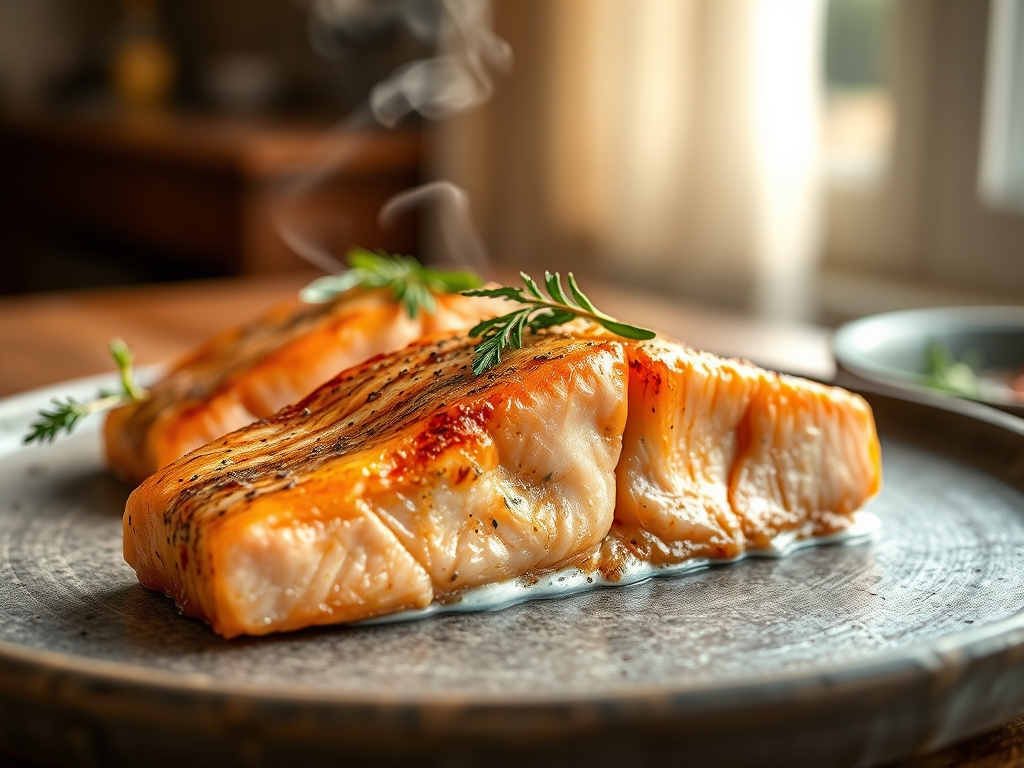
Picture a cold, rushing Alaskan stream where the water is so clear it looks like liquid glass. That is where your dinner began. Unlike its farm-raised cousins, which are often sedentary and fed a controlled diet, wild fish are athletes. They spend their lives swimming against powerful currents, resulting in a lean, muscular anatomy and a deep, ruby-red hue that comes from a natural diet of krill and shrimp. When you dive into the world of wild caught salmon recipes, you are not just cooking; you are managing a delicate balance of high-protein density and low-fat content. The flavor is intense, mineral-forward, and unmistakably clean. However, because wild salmon is significantly leaner than Atlantic farmed varieties, the margin for error is slim. A few extra seconds on the heat can transform a buttery fillet into something resembling a pencil eraser. We are going to master the thermal physics of this protein to ensure every bite is succulent, flaky, and restaurant-quality.
The Gathers:
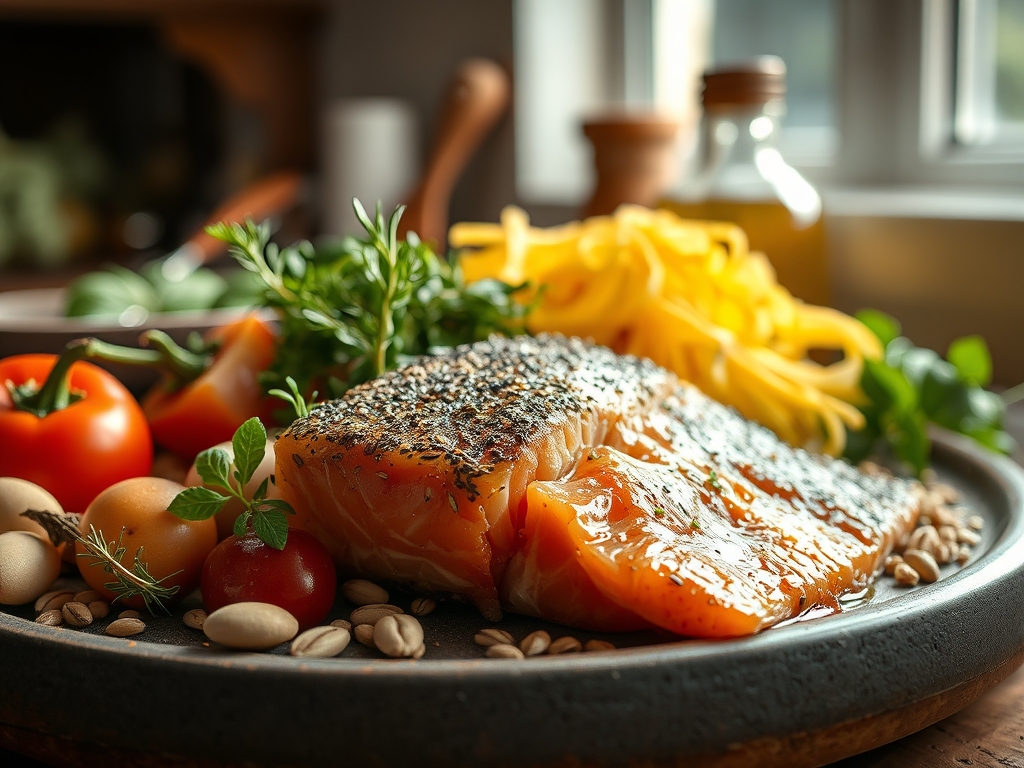
To execute these wild caught salmon recipes with precision, your mise-en-place must be airtight. Start with your centerpiece: six-ounce fillets of Sockeye or King salmon, brought to room temperature to ensure even heat distribution. You will need a high-smoke-point lipid, such as clarified butter (ghee) or avocado oil, to facilitate the Maillard reaction without scorching. For the aromatics, gather fresh sprigs of thyme and rosemary, along with three cloves of garlic crushed with a bench scraper to release their essential oils.
The flavor profile requires a piquant acidity to cut through the rich omega-3 fatty acids. Have a fresh lemon ready for zesting with a microplane, which allows you to harvest the flavedo without the bitter white pith. You will also need flaky sea salt and freshly cracked peppercorns for abrasive seasoning.
Smart Substitutions: If you are avoiding dairy, swap the butter for a high-quality extra virgin olive oil, though you must monitor the heat more closely. For a citrus twist, replace lemon with grapefruit or yuzu juice to introduce a more complex, floral acidity to the dish.
The Clock
Efficiency in the kitchen is all about the Chef's Flow. This is the rhythmic sequence of tasks that prevents frantic energy. Your total active prep time is exactly 10 minutes, focusing on drying the skin and portioning. The cooking phase is a rapid 6 to 8 minutes, depending on the thickness of the fillet.
The most critical element of the clock is the resting period. You must allow the fish to rest for 3 to 5 minutes post-heat. This allows the muscle fibers to relax and reabsorb the internal juices. If you cut into it immediately, the viscous moisture will escape, leaving the protein dry. Plan for a total "door-to-table" time of 20 minutes.
The Masterclass
1. The Desiccation Ritual
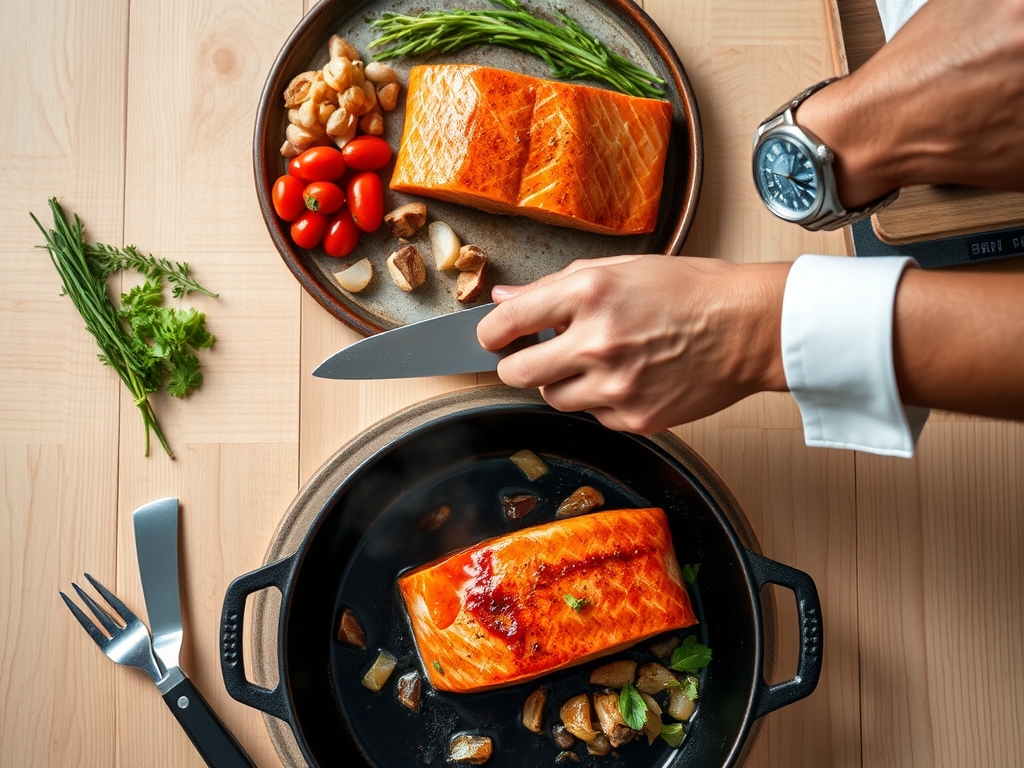
Use a paper towel to pat the skin bone-dry. Moisture is the enemy of a crisp crust; any residual water will create steam, leading to a rubbery texture rather than a crunch.
Pro Tip: This is about evaporative cooling. By removing surface moisture, the heat of the pan goes directly into browning the proteins rather than boiling off water, ensuring a faster sear.
2. The Heavy-Bottomed Skillet Prep
Place a heavy-bottomed skillet, preferably cast iron or stainless steel, over medium-high heat. Add your oil and wait until it reaches the shimmer point.
Pro Tip: A heavy pan has high thermal mass, meaning it won't drop in temperature when the cold fish hits the surface. This prevents the fish from sticking to the metal.
3. The Initial Sear
Place the salmon skin-side down. Use a flexible fish spatula to press down firmly for 30 seconds. This prevents the skin from curling as the proteins contract.
Pro Tip: This technique maximizes surface area contact, accelerating the Maillard reaction, which is the chemical reaction between amino acids and reducing sugars that creates savory flavor.
4. The Butter Baste
Once the skin is crisp, flip the fillet gently with tongs. Add your butter, garlic, and herbs to the pan. Use a large spoon to continuously pour the foaming butter over the fish.
Pro Tip: This is known as arrosé. The hot fat acts as a conductive medium, gently cooking the top of the fish while infusing it with the volatile oils from the aromatics.
5. The Internal Check
Use a digital scale or, more accurately, an instant-read thermometer to check the thickest part of the fillet. Aim for 120 degrees Fahrenheit for medium-rare.
Pro Tip: Account for thermal carryover. The internal temperature will rise by 5 to 10 degrees after you remove it from the pan. Pulling it early prevents overcooking.
6. The Acid Finish
Remove the fish from the pan and immediately zest fresh lemon over the top. The residual heat will aerate the citrus oils, creating an incredible scent.
Pro Tip: Adding acid at the end brightens the flavor profile. The citric acid acts as a flavor enhancer, much like salt, by stimulating the salivary glands.
7. The Deglaze
While the fish rests, add a splash of white wine or stock to the hot pan. Use your spatula to scrape up the fond (the browned bits at the bottom).
Pro Tip: Deglazing creates a pan sauce through emulsification. The browned proteins dissolve into the liquid, creating a concentrated, savory reduction.
8. The Final Rest
Place the salmon on a warm plate. This prevents a "thermal shock" that could cause the juices to migrate to the surface and leak out.
Pro Tip: Resting allows the gelatinized collagen to set slightly, giving the fish a luxurious, silky mouthfeel that is characteristic of high-end wild caught salmon recipes.
The Deep Dive
Wild salmon is a nutritional powerhouse. It is exceptionally high in Astaxanthin, a potent antioxidant that gives the fish its pigment. A standard serving provides over 100 percent of your daily Vitamin D and is packed with Omega-3 fatty acids, which support brain health and reduce inflammation.
Dietary Swaps: This recipe is naturally Keto and Gluten-Free. For a Vegan "salmon" experience, you can use marinated slabs of firm tofu or watermelon, though the cooking physics will differ. If you are Paleo, ensure you use ghee or coconut oil instead of processed vegetable oils.
The Fix-It:
- The Skin is Soggy: You likely crowded the pan. Cook in batches to maintain high heat.
- The White Gunk (Albumin): This is protein pushing out because the heat was too high. Lower your flame and use the butter-basting method for a gentler cook.
- Sticking to the Pan: You tried to flip it too early. The fish will naturally "release" from the pan once the crust has formed.
Meal Prep: To reheat wild salmon without it becoming "fishy" or dry, avoid the microwave. Use a low-temperature oven (275 degrees) with a splash of water and a cover. This creates a gentle steam environment that preserves the delicate fats.
The Wrap-Up
Mastering wild caught salmon recipes is a rite of passage for any serious home cook. It requires you to be present, to listen to the sizzle of the pan, and to respect the integrity of the ingredient. When you get that perfect, glass-shattering skin and the tender, translucent center, you aren't just eating dinner; you are experiencing the pinnacle of seafood. Grab your skillet and let the science do the work.
The Kitchen Table
How do I know when wild salmon is done?
The most reliable method is using an instant-read thermometer. Aim for an internal temperature of 120 to 125 degrees Fahrenheit for a perfect medium-rare. The flesh should be opaque on the outside but slightly translucent in the very center.
Why does my salmon have white stuff on it?
That white substance is called albumin. It is a harmless protein that gets pushed to the surface when the muscle fibers contract too quickly. To prevent this, cook the fish at a slightly lower temperature and avoid overcooking it.
Can I cook wild salmon from frozen?
While possible, it is not recommended for the best texture. Thawing the fish slowly in the refrigerator ensures the cell walls remain intact. This prevents the fish from becoming mushy or releasing excessive moisture during the searing process in the pan.
Should I leave the skin on?
Absolutely. The skin acts as a protective barrier against the high heat of the pan, preventing the delicate flesh from drying out. Additionally, when seared properly, the skin becomes a delicious, crispy element that provides a necessary textural contrast.
Is wild salmon better than farmed?
Wild salmon is generally leaner and contains more minerals like potassium and iron. It lacks the antibiotics often found in farmed fish. From a culinary perspective, it offers a more complex, robust flavor profile that many professional chefs and enthusiasts prefer.