
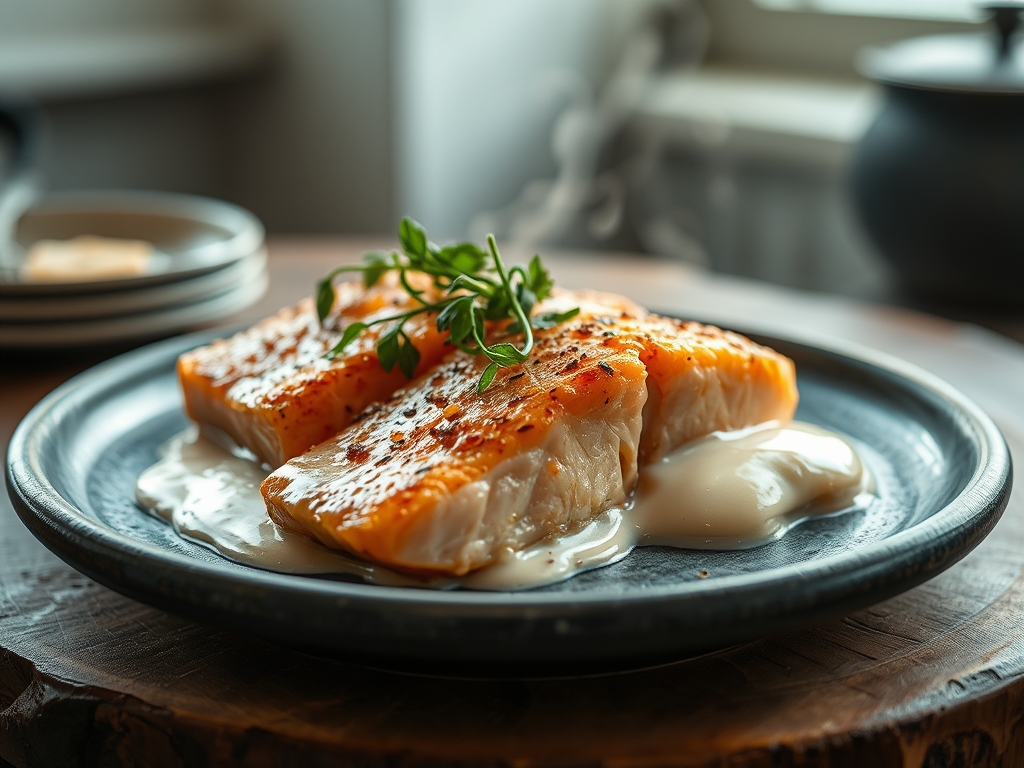
Imagine the sound of cold, marble-patterned Atlantic fillets hitting a screaming hot cast iron surface; it is the definitive anthem of a perfect dinner. When you master salmon recipes with cream sauce, you are not just cooking; you are orchestrating a collision between crisp, rendered skin and a velvet-smooth emulsion that coats the palate. It is the ultimate culinary flex for a weeknight.
Salmon is a unique protein because its high fat content allows it to withstand heat that would turn whitefish into sawdust. However, the real magic happens when we introduce a lipid-heavy sauce to bridge the gap between the oceanic brine and the earthy herbs. We are looking for that specific moment where the heavy cream reduces just enough to coat the back of a spoon, creating a viscous blanket that keeps the fish succulent. Whether you are craving a piquant lemon-caper finish or a deep, sun-dried tomato infusion, the foundation remains the same. We are chasing the Maillard reaction on the crust and a delicate, medium-rare flake in the center. Grab your favorite heavy-bottomed skillet and a glass of crisp Pinot Grigio; we are about to turn your kitchen into a high-end bistro.
The Gathers:
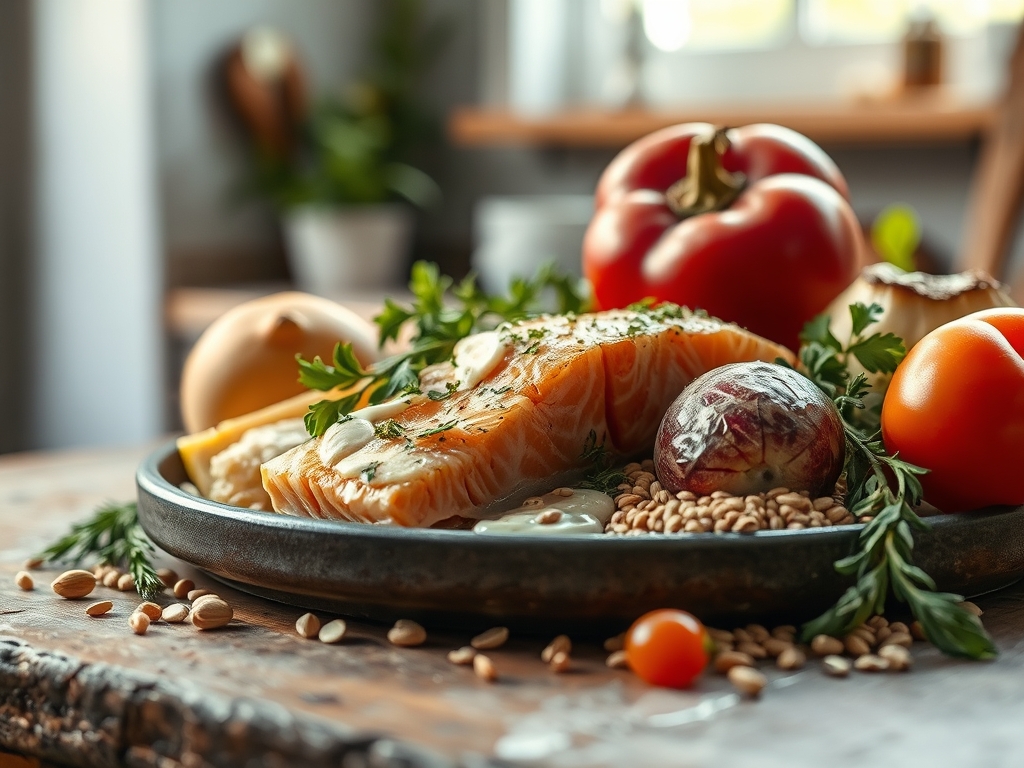
To execute these salmon recipes with cream sauce with precision, your mise-en-place must be flawless. Start with six-ounce center-cut fillets; these provide the most uniform thickness for even thermal conduction. You will need high-fat heavy cream (at least 36 percent milkfat) to ensure the sauce does not break when introduced to acidic components like lemon juice or dry white wine.
Your aromatics are the soul of the dish. Gather fresh garlic bulbs, shallots for a more nuanced sweetness than standard onions, and a bouquet of fresh dill and parsley. For the piquant notes, keep a jar of non-pareil capers and a bottle of high-quality dry vermouth or Sauvignon Blanc for deglazing. The salt choice matters here; use flaky sea salt for the final garnish and kosher salt for the initial cure.
Smart Substitutions: If you are dodging dairy, full-fat coconut milk provides the necessary viscosity, though it adds a tropical profile. For a lower-calorie swap that still mimics the mouthfeel of cream, whisk a teaspoon of cornstarch into cold evaporated milk. If you lack shallots, the white parts of green onions offer a similar sulfurous bite without the harshness of a red onion. Always use a microplane to zest your citrus; this ensures you capture the essential oils in the flavedo without hitting the bitter white pith.
The Clock
Efficiency in the kitchen is about "Chef's Flow," which is the art of overlapping tasks so no heat is wasted. Prep time for these salmon recipes with cream sauce sits at a tight 15 minutes, provided your knife skills are sharp. The cooking process is a rapid 12 to 15 minutes.
The flow begins with tempering your fish; let the salmon sit at room temperature for 20 minutes. Cold protein causes the pan temperature to plummet, resulting in steaming rather than searing. While the fish tempers, mince your aromatics. The actual sear takes about 4 minutes on the skin side and 2 minutes on the flesh side. While the fish rests, the sauce is built in the same pan, utilizing the fond (those brown bits of flavor) to create a complex base in under 5 minutes.
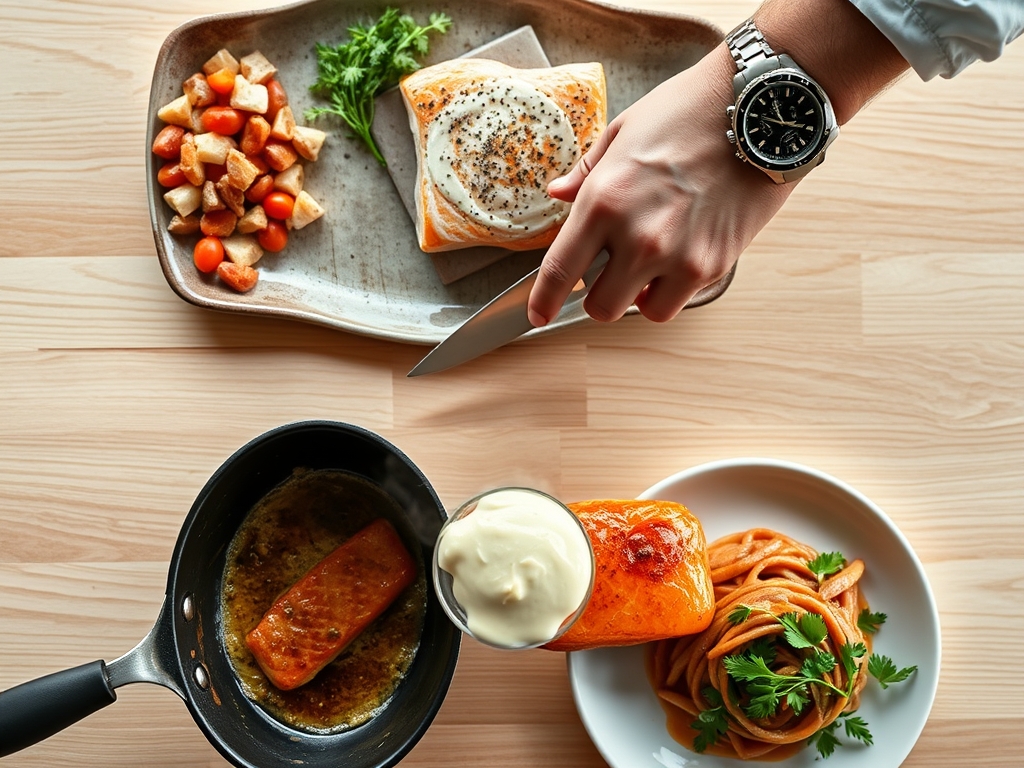
The Masterclass:
1. The Dry Brine and Temper
Pat the salmon fillets bone-dry with paper towels. Moisture is the enemy of a crisp sear. Season generously with kosher salt and let them sit. This draws out surface moisture and seasons the interior through osmosis.
Pro Tip: This is called hygroscopic action. By removing surface water, you ensure the energy of the pan goes directly into the Maillard reaction rather than wasting energy evaporating steam.
2. The High-Heat Sear
Heat avocado oil in a heavy-bottomed skillet until it reaches the shimmering point. Place the salmon skin-side down using stainless steel tongs. Press firmly for 10 seconds to prevent the skin from curling as the proteins contract.
Pro Tip: This prevents the albuim (the white protein) from pushing out too quickly. Gentle, consistent heat transfer keeps the moisture locked inside the muscle fibers.
3. The Deglaze and Fond Extraction
Remove the salmon when it is 90 percent cooked and set it aside on a warm plate. Toss in your minced shallots and garlic. Once translucent, pour in your white wine to deglaze, scraping the bottom of the pan with a wooden spoon or a silicone spatula.
Pro Tip: This process captures fond, the concentrated essence of caramelized proteins. The alcohol in the wine acts as a solvent, dissolving flavor compounds that water alone cannot reach.
4. The Cream Reduction
Pour in the heavy cream and lower the heat to a simmer. You want to aerate the sauce slightly as it bubbles. Reduce the liquid until it reaches nappe consistency, meaning it is thick enough to coat a spoon without running off instantly.
Pro Tip: Reducing the sauce concentrates the fats and sugars, increasing the viscosity. This ensures the sauce clings to the fish rather than pooling at the bottom of the plate.
5. The Emulsion and Finish
Whisk in cold butter cubes and your fresh herbs. The cold butter creates a stable emulsion, giving the sauce a glossy, professional sheen. Return the salmon to the pan for 60 seconds to glaze the top.
Pro Tip: This is known as mounting with butter (monter au beurre). The milk solids in the cold butter help stabilize the sauce, preventing the fat from separating into an oily mess.
6. The Final Acid Balance
Squeeze fresh lemon juice over the pan just before serving. Use a microplane to add fresh zest for a hit of bright, aromatic top notes that cut through the richness of the cream.
Pro Tip: Acid acts as a flavor enhancer similar to salt. It brightens the heavy lipids in the cream, providing a necessary contrast that prevents the dish from feeling "heavy" on the palate.
The Deep Dive:
From a macro perspective, salmon recipes with cream sauce are a powerhouse of Omega-3 fatty acids and high-quality protein. A standard serving contains roughly 35g of protein and 28g of healthy fats. If you are following a Keto protocol, this dish is your holy grail. For those who are Gluten-Free, ensure your chicken stock (if used) is certified, as the sauce naturally thickens through reduction rather than a flour-based roux.
The Fix-It:
- The Sauce Broke: If you see oil separating, whisk in a splash of hot water or an extra tablespoon of heavy cream while off the heat to re-emulsify the fats.
- Soggy Skin: This happens if you flip the fish too early. Let the skin naturally release from the pan; if it sticks, it is not done searing.
- Curdling: If you add lemon juice to boiling cream, it will curdle. Always turn the heat to low or off before adding acid.
Meal Prep Science: To reheat, avoid the microwave. The high-frequency waves agitate water molecules, turning the delicate fats in the salmon rancid and rubbery. Instead, place the salmon in a covered pan with a splash of water over low heat to gently steam it back to temperature.
The Wrap-Up:
Mastering salmon recipes with cream sauce is about understanding the balance between heat, fat, and acid. Once you have the technique of the sear and the reduction down, you can pivot to endless variations. Swap the dill for tarragon for a French twist, or add a spoonful of Dijon mustard for a sharp, savory kick. The kitchen is your laboratory, and this recipe is your most successful experiment. Now, plate it up, take the credit, and enjoy the silence that comes when everyone is too busy eating to talk.
The Kitchen Table:
How do I keep the salmon skin crispy in sauce?
Place the salmon back into the pan "flesh side down" or simply pour the sauce around the fillets. Avoid submerging the skin entirely in the liquid, as moisture will immediately soften the dehydrated, crispy protein structure you worked to create.
Can I use half-and-half instead of heavy cream?
Half-and-half has a lower fat content and is prone to "breaking" or curdling under high heat or acidity. If you must use it, whisk in a teaspoon of cornstarch first to stabilize the emulsion and keep the sauce smooth.
What is the best way to tell if salmon is done?
Use a digital thermometer to check for an internal temperature of 125F to 130F for medium-rare. Alternatively, press the top of the fillet; if the flakes begin to separate easily along the white fat lines, it is perfectly cooked.
How long does leftover cream sauce salmon last?
Store in an airtight container for up to two days. The high fat content in the cream helps preserve the moisture of the fish, but seafood quality degrades rapidly. Always reheat gently on the stovetop to maintain the sauce texture.