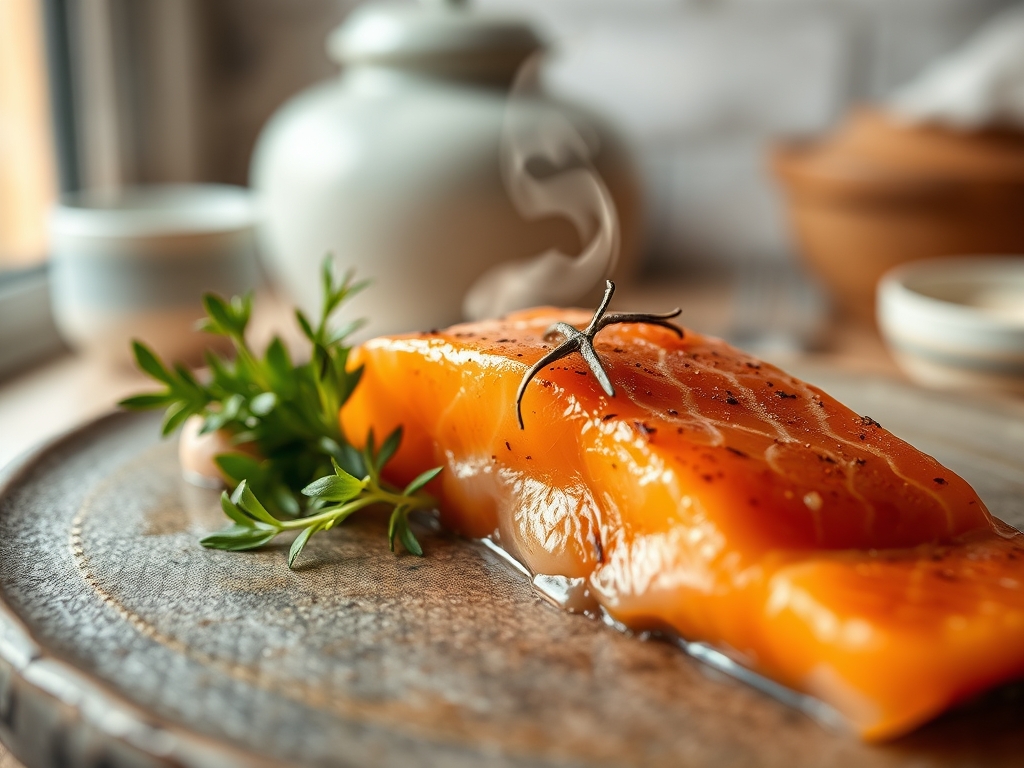
Imagine the scent of toasted sesame and the sharp, saline perfume of the sea hitting your kitchen air at 10:00 AM on a Sunday. We are moving past the basic cream cheese smear. If you want to master lox salmon recipes, you have to treat the fish like the delicate, salt-cured masterpiece it is. It is about the contrast of cold, fatty protein against warm, crisp textures.
Brunch is essentially a performance of chemistry disguised as a social gathering. When you lay out a spread of lox, you are dealing with a product that has undergone significant protein denaturation through salt-curing. This process draws out moisture, concentrating the flavor and creating that signature translucent, silky texture. We are here to elevate that profile using acidity, fat, and crunch. This is not just breakfast; it is a curated sensory experience designed to impress your most discerning friends while you sip a crisp mimosa.
Whether you are hosting a high-end gathering or just treating yourself to a solo feast, these hacks will transform your kitchen into a professional larder. We are focusing on the interplay of lipids and acids to ensure every bite is balanced. From infused oils to the perfect bagel toast, we are diving deep into the technical side of the brunch table.
The Gathers:
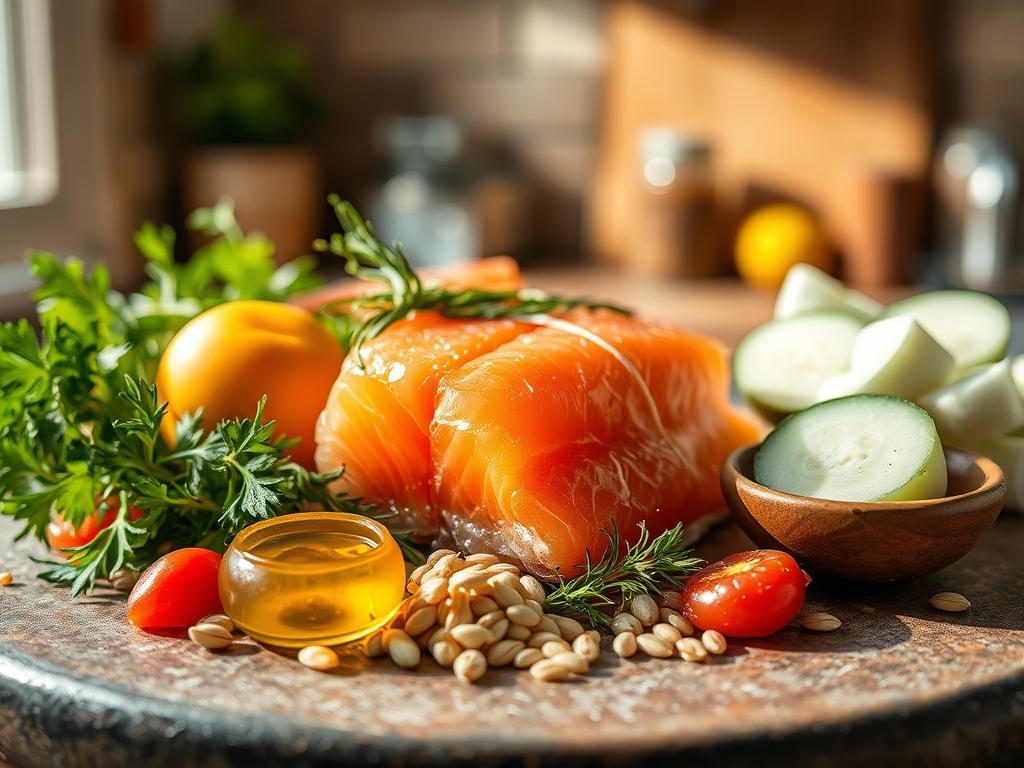
To execute these lox salmon recipes with precision, your mise-en-place must be flawless. Start with the centerpiece: 12 to 16 ounces of premium, thin-sliced lox or Nova-style smoked salmon. You want slices that are nearly translucent; this increases the surface area for your palate to detect the delicate smoke compounds.
Next, assemble your flavor enhancers. You will need high-fat cream cheese (at least 33 percent milkfat) to provide a viscous mouthfeel that coats the tongue. Gather fresh dill, chives, and flat-leaf parsley. For acidity, keep lemons and non-pareil capers on hand. These capers provide a piquant burst that cuts through the heavy lipids of the fish.
Professional Tools: You will need a microplane for zesting, a bench scraper for clean herb chopping, and a saucier if you plan on making a warm hollandaise accompaniment. A digital scale is essential if you are whipping your own flavored schmears to ensure consistent ratios.
Smart Substitutions: If you are out of traditional cream cheese, mascarpone offers a sweeter, creamier alternative that pairs beautifully with citrus. For those avoiding dairy, cashew-based "cheeses" provide the necessary lactic acid tang without the lactose. If lox is unavailable, gravlax (cured with dill and sugar but no smoke) is a sophisticated pivot.
The Clock
Efficiency in the kitchen is all about "Chef's Flow." For a full 10-hack brunch spread, expect a Prep Time of 20 minutes and a Total Time of 30 minutes. There is no actual "cooking" in the traditional sense, but the assembly requires a strategic sequence.
The flow begins with the "cold prep." Slice your aromatics and whip your cheeses first. This allows the flavors to infuse and marry while you handle the bread. The "hot prep" happens in the final five minutes. Toasting your bagels or artisanal sourdough should be the very last step to ensure the Maillard reaction products (those toasty, nutty aromas) are at their peak when the cold fish is applied. This temperature contrast is the secret to a professional-grade bite.
The Masterclass
1. The Aerated Schmear
Instead of spreading cold, dense cheese, use a whisk or a food processor to aerate your cream cheese with a splash of heavy cream. This incorporates air bubbles, creating a light, mousse-like texture that does not weigh down the delicate fish.
Pro Tip: Aeration increases the volume and softens the fat crystals, making the flavor release more immediate on the tongue due to the increased surface area.
2. The Citrus Zest Finish
Never just squeeze lemon juice; use a microplane to shower the lox with fresh zest. The essential oils in the flavedo (the outer skin) contain concentrated terpenes that provide a bright aroma without the moisture of the juice, which can turn the fish mushy.
Pro Tip: This is known as volatile oil extraction. The oils provide a sensory "lift" that balances the heavy omega-3 fatty acids in the salmon.
3. The Quick-Pickled Shallot
Soak thinly sliced shallots in champagne vinegar and a pinch of sugar for ten minutes. This softens the harsh sulfur compounds of the onion while adding a bright pink hue and a crisp, acidic snap to the dish.
Pro Tip: This is a short-term acid-base reaction that breaks down the hemicellulose in the cell walls, tenderizing the onion while preserving its structural integrity.
4. The Crispy Caper Render
Pat your capers bone-dry and flash-fry them in a small pan with olive oil until they bloom like tiny flowers. This transforms them from salty pearls into crunchy, umami-rich garnishes.
Pro Tip: This process involves dehydration and crisping. Removing the moisture allows the caper to undergo a mini-Maillard reaction, deepening the flavor profile from "salty" to "savory."
5. The Everything Oil Infusion
Instead of dry seasoning, heat neutral oil with "everything bagel" spices (garlic, onion, seeds) and drizzle it over the lox. This ensures the flavors are evenly distributed and the spices do not feel "gritty."
Pro Tip: Fat is a flavor carrier. Many of the aromatic compounds in garlic and onion are fat-soluble, meaning they taste more intense when delivered via an oil medium.
6. The Herb Lamination
Place fresh dill fronds directly onto the cream cheese before laying the salmon on top. This "laminates" the herb between the fat and the protein, protecting the delicate leaves from oxidizing and turning brown.
Pro Tip: This creates an oxygen barrier. By sealing the herbs under the fish, you preserve the chlorophyll and the volatile oils, keeping the taste fresh and "green."
7. The Cucumber Ribbon Foundation
Use a vegetable peeler to create long, translucent ribbons of English cucumber. Lay these down as a base to add a watery, refreshing crunch that cleanses the palate between bites of rich fish.
Pro Tip: This adds hydrostatic pressure to the bite. The high water content of the cucumber provides a structural contrast to the dense, oily salmon.
8. The Smoked Paprika Dusting
A tiny pinch of high-quality pimenton (smoked paprika) over the finished plate enhances the natural wood-smoke notes of the lox without adding heat.
Pro Tip: This uses sensory layering. By adding a dry smoke aroma to a cold smoked product, you trick the brain into perceiving a deeper, more complex "fire-cooked" flavor.
9. The Honey-Mustard Glaze
Whisk a teaspoon of Dijon mustard with honey and brush it lightly over the lox. The glucose in the honey and the vinegar in the mustard create a sweet-and-sour glaze that mimics high-end Scandinavian preparations.
Pro Tip: This is an emulsification of sugar and acid. The sugar acts as a humectant, keeping the fish looking glossy and moist on the platter.
10. The Controlled Toast
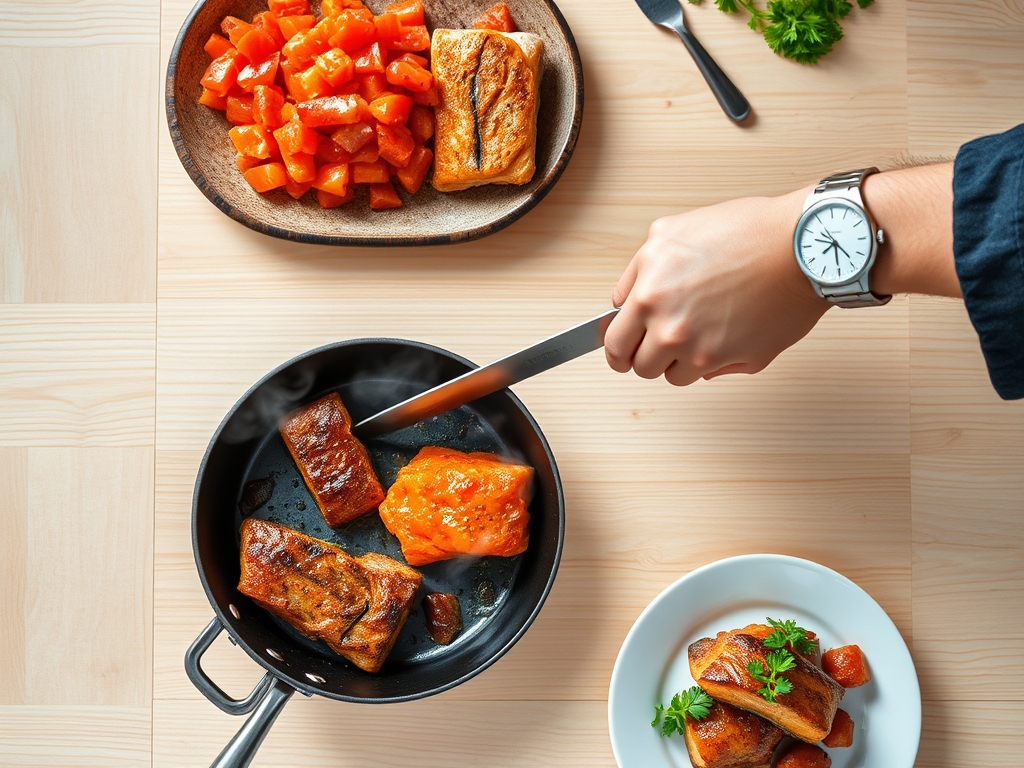
Use a heavy-bottomed skillet with a touch of butter to toast only the "cut side" of your bagel or bread. This keeps the exterior soft while providing a crisp, golden interior that holds up to the toppings.
Pro Tip: This prevents thermal equilibrium. By only heating one side, you maintain a soft "crumb" that does not shatter when bitten, ensuring the lox stays in place.
The Deep Dive
From a nutritional standpoint, lox is a powerhouse. It is rich in omega-3 fatty acids (DHA and EPA), which are essential for brain health; however, it is also high in sodium due to the curing process. One 3-ounce serving typically contains about 15 grams of protein and roughly 600-800mg of sodium.
For Keto followers, lox is a dream; simply ditch the bagel for cucumber slices or avocado halves. Vegan guests can enjoy "carrot lox," where carrots are roasted in salt and marinated in liquid smoke and seaweed to mimic the oceanic flavor. If you are Gluten-Free, look for high-density seed crackers to provide the necessary structural support for the toppings.
The Fix-It:
- Soggy Bread: If your bread gets mushy, you are likely putting the lox on while the toast is steaming. Let the toast rest for 30 seconds on a wire rack to allow steam to escape.
- Overly Salty Fish: If the lox is too aggressive, soak the slices in cold water for 5 minutes and pat dry. This leaches out excess surface salt.
- Broken Schmear: If your whipped cream cheese separates, it is too warm. Chill it for 10 minutes and re-whisk to stabilize the fats.
Meal Prep: Lox does not "reheat" well as heat will cook the delicate protein and ruin the texture. To keep it "day-one" fresh, store it in the original vacuum seal or a tight wrap with a slice of lemon to maintain the pH balance and prevent oxidation.
The Wrap-Up
Mastering lox salmon recipes is your ticket to becoming the ultimate brunch authority. It is all about the tiny details: the snap of a fried caper, the zing of a lemon zest, and the cloud-like texture of aerated cheese. By understanding the science of fat, acid, and temperature, you turn a simple sandwich into a culinary event. Now, grab your microplane and your best platter; it is time to show your friends what a sophisticated brunch actually looks like.
The Kitchen Table
Can I freeze leftover lox?
Yes, you can freeze lox for up to two months. Wrap it tightly in plastic wrap and then foil to prevent freezer burn. Thaw it slowly in the refrigerator to preserve the delicate protein structure and silky mouthfeel.
What is the difference between lox and smoked salmon?
Lox is traditionally salt-cured but not smoked, resulting in a very salty, silky texture. Smoked salmon is cured and then subjected to cold or hot smoking, adding those distinct woody, campfire aromatic notes to the fish.
How do I stop my bagels from getting chewy?
Toast your bagels at a high temperature for a short duration. This creates a crisp Maillard reaction on the surface without dehydrating the interior, which is what causes that unpleasant, leathery "over-toasted" chewiness.
How long does lox stay fresh in the fridge?
Once opened, lox should be consumed within three to five days. Keep it in the coldest part of your refrigerator, ideally wrapped in parchment paper and then a sealed bag to prevent it from absorbing other odors.