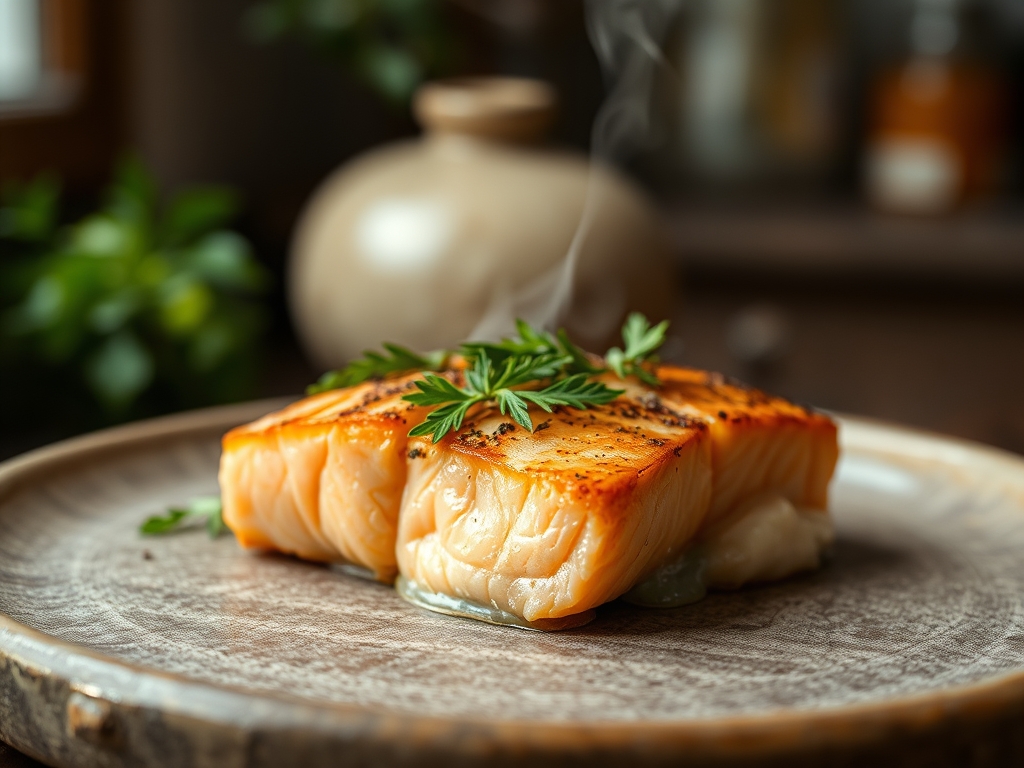
Imagine cracking open a tin to reveal shimmering, rose-hued flakes that are just waiting to be transformed into a culinary masterpiece. We often overlook the pantry staple sitting right next to the tuna; however, finding canned salmon recipes healthy and vibrant is the ultimate shortcut to a high-protein lifestyle. The aroma is clean and oceanic, promising a texture that is both tender and rich in essential omega-3 fatty acids. This is not just a backup plan for a busy Tuesday night. It is a versatile, nutrient-dense powerhouse that responds beautifully to heat, acidity, and aromatic infusions. When you understand the molecular structure of these preserved fillets, you unlock the ability to create restaurant-quality textures without the restaurant-level price tag. We are moving beyond the basic patty and into a world where your pantry is the star of the show.
The Gathers:
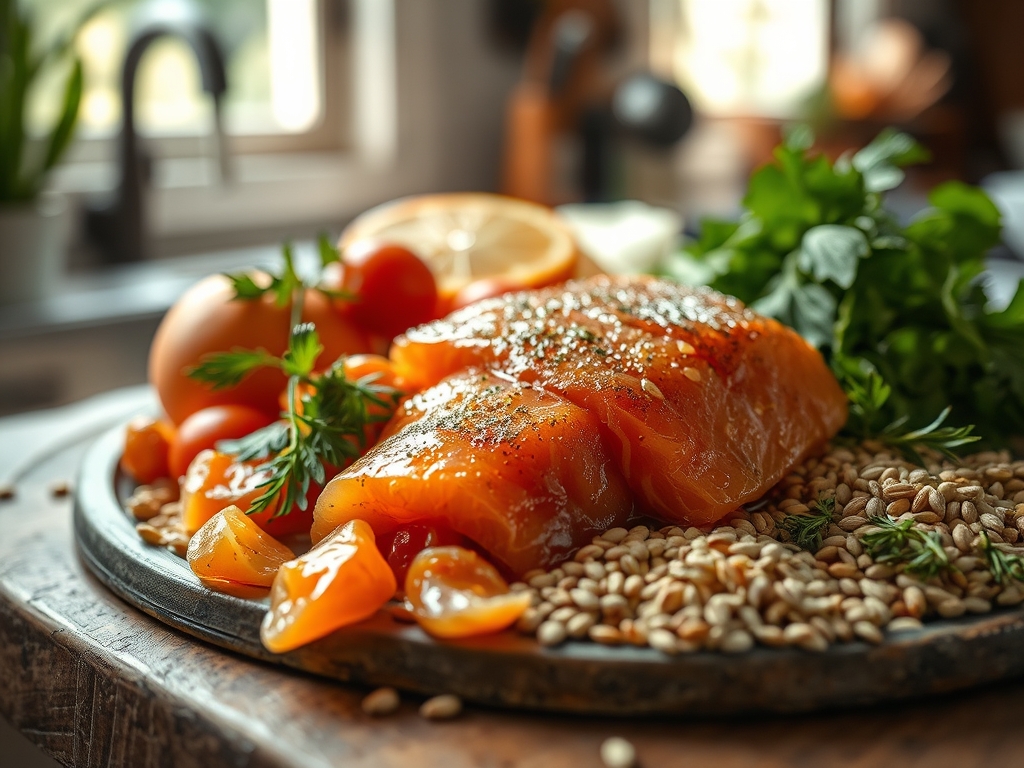
To execute these hacks, your mise-en-place must be precise. Start with high-quality wild-caught pink or sockeye salmon. Use a digital scale to ensure consistent portions, as moisture content can vary between brands. You will need a microplane for zesting citrus and grating aromatics like ginger or garlic; this increases the surface area for maximum flavor extraction. Gather a saucier for creating emulsions and a heavy-bottomed skillet to achieve a perfect sear.
Smart Substitutions: If you are watching your sodium, rinse the salmon under cold water to remove excess brine. For those avoiding mayonnaise, Greek yogurt provides a viscous and piquant base that mimics the mouthfeel of traditional fats. If you lack fresh herbs, use a 1:3 ratio of dried to fresh, but ensure you bloom them in oil first to release their volatile compounds.
The Clock
The beauty of canned salmon lies in the "Chef's Flow." Because the protein is technically pre-cooked, your active time is slashed by sixty percent. Most of these hacks require a mere 10 minutes of prep and 5 to 12 minutes of cooking. The flow involves prepping your aromatics while the skillet preheats; this ensures that as soon as the salmon hits the pan, the Maillard reaction begins immediately. Do not rush the cooling phase if a recipe calls for it; allowing the proteins to rest prevents the structure from becoming crumbly.
The Masterclass
1. The Crispy Skin Mimic
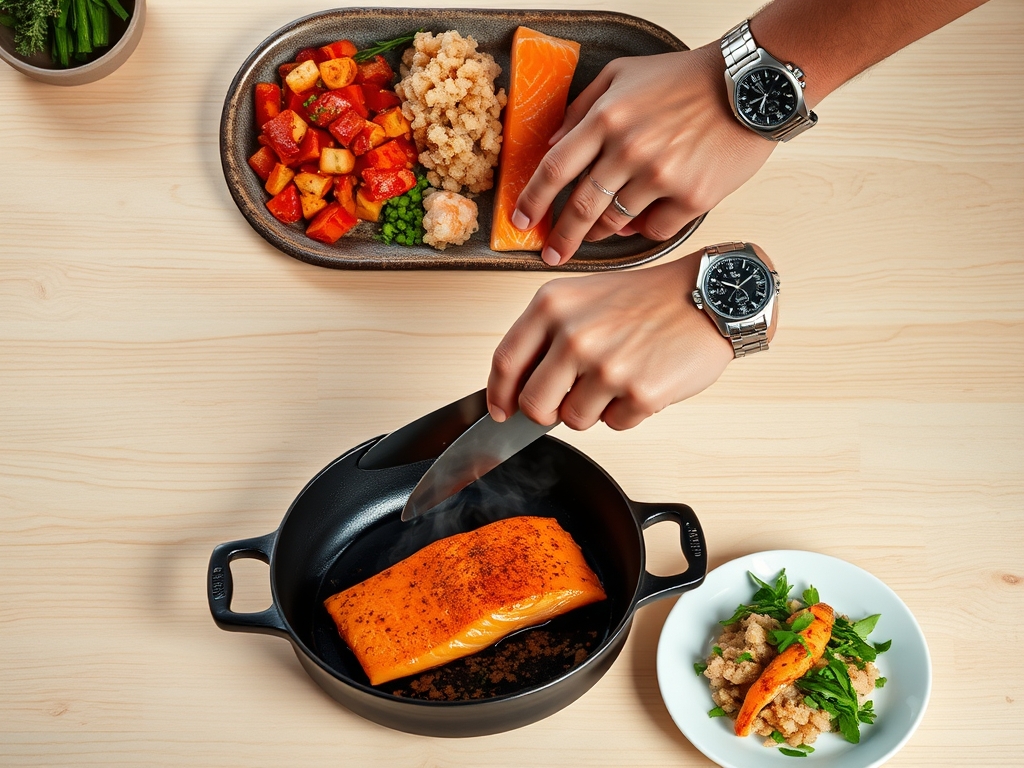
Drain the salmon thoroughly and pat it dry with a paper towel. Dust the surface with a light coating of cornstarch or arrowroot powder. Sear in a heavy-bottomed skillet with high-smoke-point oil until a golden crust forms.
Pro Tip: This relies on hygroscopy. By removing surface moisture, you prevent steam from forming, allowing the dry heat to create a crisp texture that mimics pan-seared fresh fillets.
2. The Umami Emulsion Pasta
Whisk reserved salmon liquid with pasta water, lemon juice, and cold butter in a saucier. Toss with hot pasta and the flaked salmon until the sauce becomes viscous and clings to the noodles.
Pro Tip: This is a lesson in emulsification. The proteins and starches act as stabilizers, binding the water and fat into a silky, cohesive sauce.
3. The Whipped Salmon Mousse
Combine salmon with cream cheese and dill in a food processor. Aerate the mixture by pulsing until it is light and fluffy. Serve on cucumber rounds for a low-carb snack.
Pro Tip: Incorporating air bubbles changes the rheology of the spread, making it feel lighter on the palate while intensifying the perception of salt and acid.
4. The Quick-Pickled Salmon Salad
Toss salmon chunks with rice vinegar, thinly sliced red onions, and capers. Let it sit for ten minutes before serving over greens.
Pro Tip: The acetic acid in the vinegar partially denatures any remaining soft connective tissues, giving the salmon a firmer, "cooked-from-fresh" bite.
5. The Salmon Power Bowl
Combine salmon with quinoa, avocado, and a soft-boiled egg. Use a bench scraper to neatly portion your vegetables for a professional aesthetic.
Pro Tip: This creates a complete amino acid profile. The healthy fats in the avocado help your body absorb the fat-soluble vitamins found in the salmon.
6. The Zesty Salmon Tacos
Fold flaked salmon into a mix of lime juice and chipotle in adobo. Warm the mixture gently in a pan to infuse the flavors without drying out the fish.
Pro Tip: Use thermal carryover to your advantage. Remove the fish from the heat just before it looks "done" to ensure it stays succulent as it reaches the table.
7. The Salmon Frittata
Whisk eggs with salmon and goat cheese. Pour into a cast-iron skillet and bake until just set.
Pro Tip: The calcium in the cheese interacts with the egg proteins to create a more stable protein lattice, resulting in a custard-like texture rather than a rubbery one.
8. The Mediterranean Salmon Wrap
Spread hummus on a whole-wheat tortilla and top with salmon, kalamata olives, and feta.
Pro Tip: The piquant olives provide a sharp contrast to the rich salmon, stimulating different taste receptors and making the meal more satisfying.
9. The Salmon Fried Rice
Deglaze your pan with soy sauce after stir-frying cold rice and salmon. Use tongs to toss the ingredients and prevent the salmon from breaking into a paste.
Pro Tip: Using cold rice is essential for the retrogradation of starches, which ensures the grains stay separate and "fried" rather than mushy.
10. The Smoky Salmon Chowder
Simmer salmon with smoked paprika, corn, and potatoes in a light broth.
Pro Tip: The phenols in the smoked paprika provide a sensory bridge to traditional smoked salmon, adding depth of flavor without the high cost of specialty cured fish.
The Deep Dive
From a macro perspective, canned salmon is a titan. A single six-ounce serving provides roughly 34 grams of protein and is one of the few natural food sources of Vitamin D. For those on specific diets: Keto fans should look for salmon packed in olive oil; Gluten-Free cooks should use crushed pork rinds or almond flour as binders in patties; and while there is no vegan salmon, mashed chickpeas seasoned with nori flakes provide a similar texture.
The Fix-It:
- Too Fishy: If the scent is overpowering, soak the salmon in milk for ten minutes. The casein binds to trimethylamine, the compound responsible for the fishy odor.
- Too Dry: Fold in a tablespoon of olive oil or Greek yogurt to reintroduce moisture.
- Falling Apart: If your patties crumble, chill the mixture for 30 minutes before cooking. This allows the binders to hydrate and set.
Meal Prep: To reheat without losing quality, use a gentle steam or a low-power microwave setting. Intense heat will cause the proteins to tighten and expel moisture, leaving you with a rubbery result.
The Wrap-Up
Canned salmon is the ultimate "work smarter, not harder" ingredient for the modern kitchen. By applying these scientific principles—like controlling moisture for a better sear or using acidity to balance richness—you can elevate a humble pantry item into a sophisticated meal. It is healthy, sustainable, and incredibly efficient. Now, grab your microplane and start experimenting!
The Kitchen Table
Is canned salmon as healthy as fresh salmon?
Yes; canned salmon retains its high protein and omega-3 content. It often contains more calcium because the softening process makes the tiny bones edible. It is a fantastic way to find canned salmon recipes healthy and affordable.
Should I drain the liquid from the can?
Do not discard it immediately. That liquid is packed with flavor and nutrients. You can use it to deglaze a pan or as a base for a savory seafood sauce or a nutrient-dense soup stock.
How do I stop salmon patties from falling apart?
Ensure you use a binder like egg or flax-meal. Chilling the formed patties in the refrigerator for thirty minutes before frying allows the starches and proteins to bond, ensuring they hold their shape in the heavy-bottomed skillet.
Can I eat canned salmon every day?
Generally, yes. Smaller salmon species used for canning are lower in mercury than larger fish like tuna. It provides a consistent source of lean protein and heart-healthy fats, making it an excellent staple for daily meal prep.