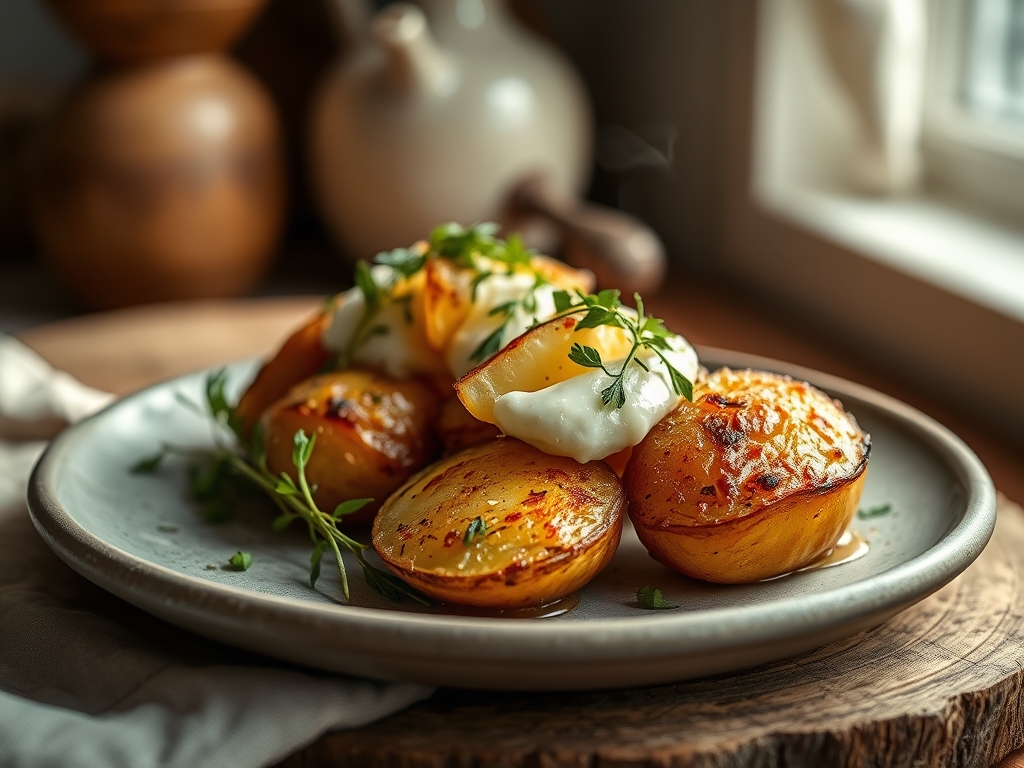
Picture the golden hour of Easter Sunday; the table is set with linen and the scent of rosemary lingers in the air. While the ham or lamb might be the centerpiece, we both know the true heart of the meal lies in the starchy, buttery glory of your easter potato recipes. There is a specific alchemy required to transform a humble tuber into a velvet puree or a glass-shattering crisp roast that guests will whisper about until next spring. It is not just about boiling water; it is about managing starch granules and mastering the Maillard reaction to ensure your side dishes are as sophisticated as your guest list. We are moving beyond the basic mash into the realm of culinary architecture.
The Gathers:
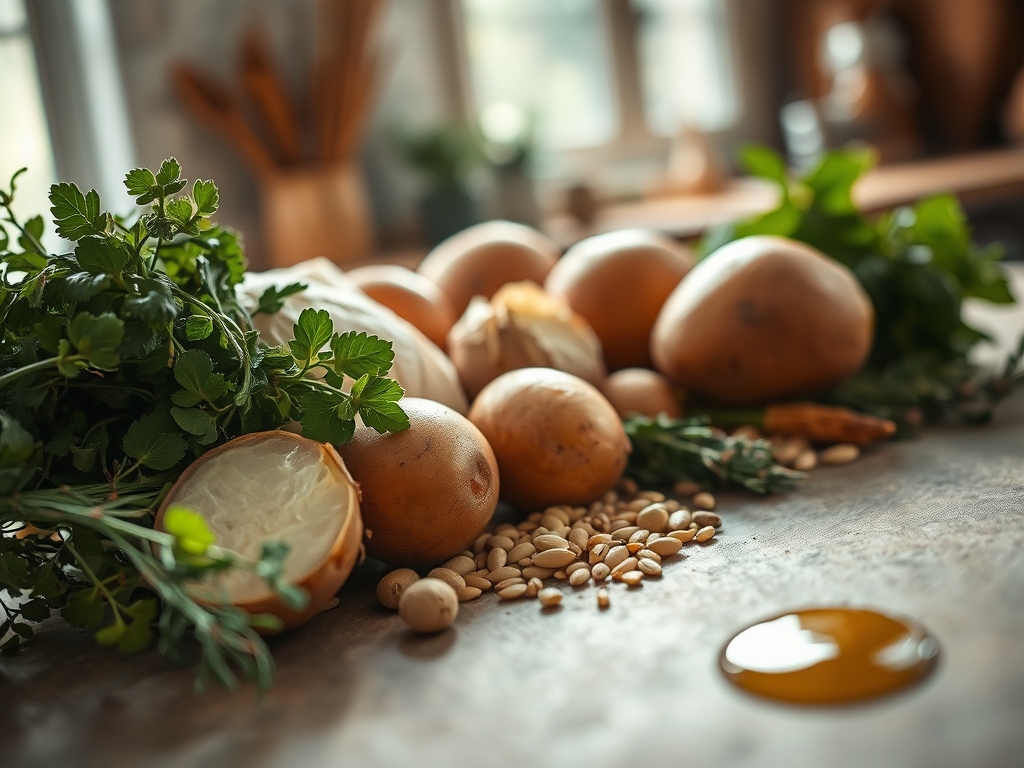
To execute these easter potato recipes with precision, your mise-en-place must be impeccable. Start with the Russet for high-starch fluffiness or the Yukon Gold for a naturally buttery, medium-starch profile. You will need high-fat dairy; think heavy cream with at least 36 percent butterfat and European-style butter, which has a lower water content than standard sticks. Fresh aromatics like woody thyme, pungent rosemary, and sharp chives are non-negotiable. Use a digital scale to measure your ingredients; weight is far more accurate than volume when balancing the ratio of fat to starch.
Smart Substitutions are your secret weapon for dietary flexibility. If you need to pivot, swap heavy cream for full-fat coconut milk to maintain a viscous mouthfeel in vegan preparations. For a piquant kick that mimics the tang of buttermilk, a splash of apple cider vinegar can brighten a dish without thinning the texture. If you lack a ricer, a food mill is the superior choice for aerating potatoes without overworking the gluten-like starches that lead to a gummy consistency.
The Clock
The "Chef's Flow" is the difference between a frantic kitchen and a graceful hosting experience. For a standard spread of easter potato recipes, allocate 20 minutes for aggressive prep (peeling and slicing) and 60 to 90 minutes for active cooking and roasting. The trick is to utilize thermal carryover. Potatoes hold heat exceptionally well due to their density. By finishing your mash or gratin 30 minutes early and keeping it tightly foiled in a warm spot, you free up oven space for the protein. This resting period also allows the starches to set, making for cleaner slices of layered dishes.
The Masterclass
1. The Precision Slice
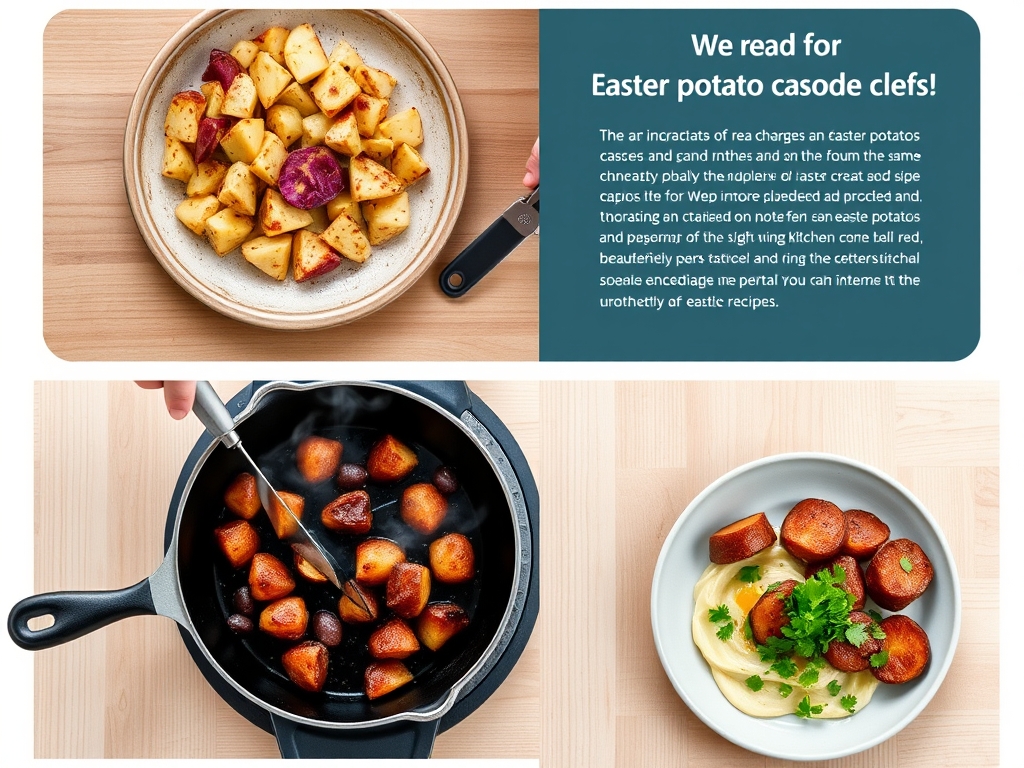
Use a mandoline to achieve uniform thickness for gratins or scalloped dishes. Consistency is not just for aesthetics; it ensures every slice reaches the same level of gelatinization at the exact same moment.
Pro Tip: Uniformity prevents undercooked "crunchy" centers. By keeping slices under 3mm, you maximize the surface area for the cream to infuse with the potato starch, creating a self-thickening sauce.
2. The Cold Water Start
Always place your potatoes in a heavy-bottomed skillet or pot filled with cold, salted water rather than dropping them into boiling water. This allows the heat to penetrate the core at the same rate the exterior cooks.
Pro Tip: Starting cold prevents the outside from turning to mush before the inside is tender. This minimizes enzymatic browning and ensures a clean, white finish for your mash.
3. The Steam Dry
Once boiled, drain the potatoes and return them to the hot pot for sixty seconds. Shake them vigorously over low heat to evaporate every drop of residual moisture.
Pro Tip: Water is the enemy of flavor. By removing excess moisture, you create "room" within the cell structure for the butter and cream to be absorbed, resulting in a richer, more stable emulsion.
4. The Fat Emulsification
When adding butter, ensure it is cold and cubed. Use a saucier to warm your cream and aromatics separately, then fold them into the riced potatoes.
Pro Tip: Adding cold butter to hot potatoes creates a superior emulsification. The fat coats the starch granules individually, which prevents them from bonding together and becoming gluey.
5. The High-Heat Finish
For roasted varieties, use a bench scraper to toss the parboiled potatoes, roughening the edges to create a starchy slurry. Roast at 425 degrees Fahrenheit with plenty of rendered fat like duck fat or clarified butter.
Pro Tip: This slurry undergoes the Maillard reaction, a chemical bridge between amino acids and reducing sugars. This creates the deeply savory, "umami" crust that defines a perfect roast potato.
The Deep Dive
From a macro perspective, potatoes are a powerhouse of potassium and complex carbohydrates. To keep things light, you can substitute half the butter with Greek yogurt for a protein boost, or use nutritional yeast to add a cheesy flavor to keto-friendly cauliflower-potato blends. If you are gluten-free, rest easy; potatoes are naturally safe, though you should always check your thickening agents in gravies.
The "Fix-It" guide for common pitfalls:
- The Gluey Mess: This happens when you overwork the potatoes in a food processor. Fix it by spreading the mash in a baking dish, topping with cheese, and turning it into a "loaded" casserole; the texture becomes intentional.
- The Gray Tint: This is oxidation. Fix it by adding a teaspoon of lemon juice or cream of tartar to the boiling water next time to stabilize the pH.
- The Bland Bite: Potatoes absorb salt during the cooking process. If they taste flat at the end, do not just add salt; add an acid like a microplane zest of lemon to wake up the flavors.
For meal prep, reheating is a science. Avoid the microwave, which turns starches rubbery. Instead, reheat in a covered dish in the oven with a tablespoon of milk to restore the viscous texture of the original dish.
The Wrap-Up
Mastering easter potato recipes is about more than just following a list; it is about understanding the physics of the vegetable. When you respect the starch and control the temperature, you transform a budget-friendly staple into the most coveted dish on the holiday table. Grab your tongs and your favorite apron; it is time to show those tubers who is boss. Your Easter feast is about to get a serious upgrade in both flavor and technical brilliance.
The Kitchen Table
Why are my mashed potatoes gummy?
Gummy potatoes result from overworking the starch. When you use a blender or food processor, the starch granules rupture and release amylose, creating a glue-like texture. Use a ricer or food mill for a fluffy, light consistency every time.
Can I prep Easter potatoes ahead of time?
Yes. You can peel and cut potatoes up to 24 hours in advance. Store them completely submerged in cold water in the refrigerator to prevent enzymatic browning. For gratins, assemble and bake fully, then reheat to maintain the structural integrity.
What is the best potato for roasting?
Yukon Golds or Maris Piper potatoes are ideal for roasting. They possess a medium starch content that creates a creamy interior while the exterior develops a thick, glass-like crunch through the Maillard reaction when roasted in high-quality rendered fats.
How do I keep potatoes warm for a crowd?
Place your finished potatoes in a slow cooker on the "warm" setting or use a heavy-bottomed pot wrapped in a clean towel. Adding a small amount of warm cream before serving will help restore the original viscous and silky mouthfeel.