
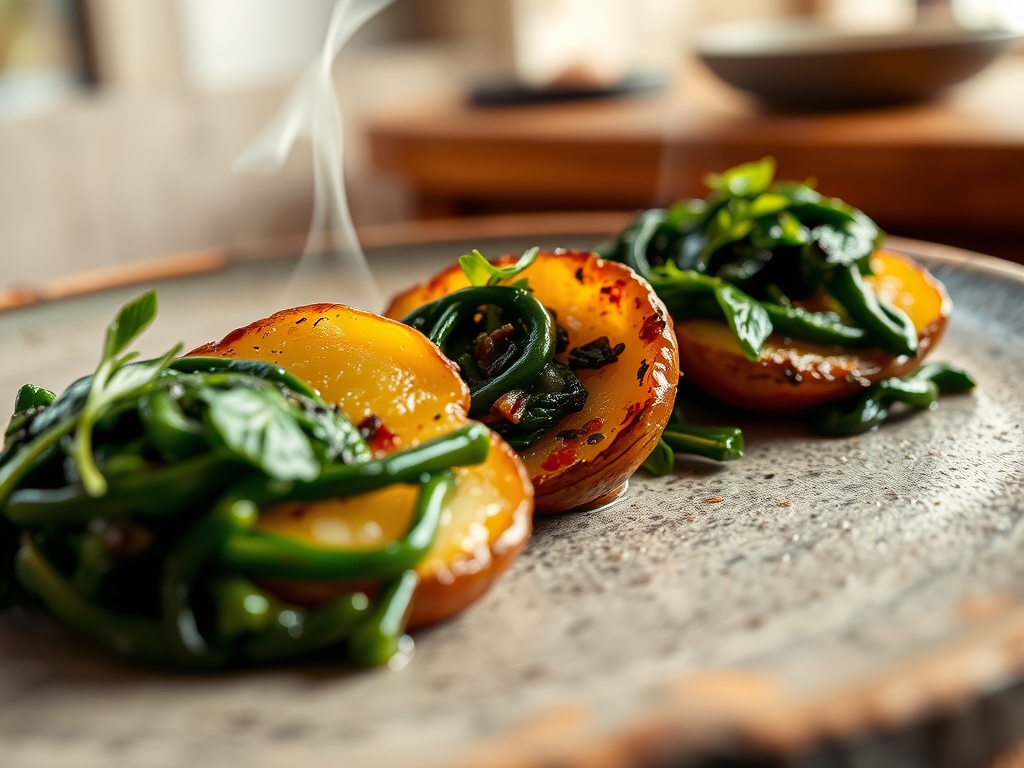
Imagine a fork sliding through a buttery Yukon Gold while a ribbon of emerald greens clings to the surface; it is the ultimate comfort. Mastering spinach with potato recipes requires more than just tossing them in a pan. It is about balancing the earthy starch of the tuber with the delicate, iron rich snap of the leaf.
When you pair these two, you are playing with a classic culinary duality. The potato acts as a neutral canvas, absorbing fats and aromatics, while the spinach provides a bright, acidic counterpoint that cuts through the richness. Whether you are craving a rustic hash or a refined puree, the chemistry remains the same. We are looking for that perfect moment where the potato starch gelatinizes and the spinach softens without turning into a watery mess. It is a dance of textures that, when done correctly, elevates a humble side dish into a vibrant, nutrient dense centerpiece. Get your heavy bottomed skillet ready; we are about to transform these pantry staples into something truly sophisticated.
The Gathers:
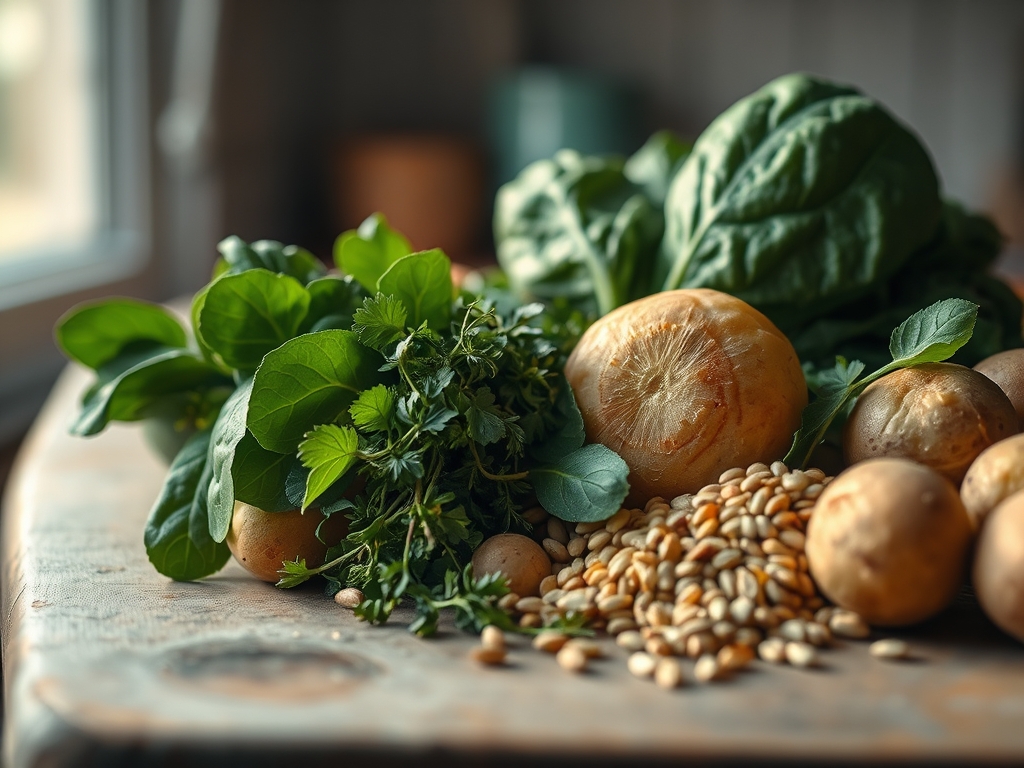
To execute these spinach with potato recipes with professional precision, your mise-en-place must be impeccable. Start with the potatoes. For a creamy result, reach for Yukon Golds because their medium starch content creates a naturally viscous texture without the graininess of a Russet. If you want crispy edges, a high starch Russet is your best friend. For the greens, baby spinach is preferred for its tender cell walls, though mature savoy spinach works beautifully if you remove the fibrous midribs.
You will need high quality fats to act as a bridge between the flavors. Unsalted European style butter or a cold pressed extra virgin olive oil are essential. Aromatics should include fresh garlic cloves, shallots for a subtle sweetness, and perhaps a pinch of nutmeg to highlight the spinach's earthy notes.
Smart Substitutions:
If you are avoiding nightshades, mashed cauliflower provides a similar structural base, though you will need to increase your thickening agents. For the greens, lacinato kale is a sturdy alternative, but it requires a longer braise to break down the cellulose. If you lack fresh garlic, a high quality garlic infused oil can provide that piquant punch without the risk of burning raw bits in a hot pan.
The Clock:
Efficiency in the kitchen is all about the Chef's Flow. For most spinach with potato recipes, you are looking at a total time of 35 to 45 minutes.
Prep (15 Minutes): This is where you use your bench scraper to organize your diced potatoes and your microplane to zest aromatics. Washing and thoroughly drying the spinach is non negotiable; excess water is the enemy of a good saute.
Cook (20-30 Minutes): Potatoes take the lead here. Whether you are boiling, roasting, or pan frying, they need a head start. Spinach only requires 60 to 90 seconds of thermal exposure to reach its peak vibrant green state. If you add them too early, the chlorophyll degrades into a dull olive drab.
The Masterclass:
1. The Parboil Foundation
Start by placing your cubed potatoes in cold, heavily salted water. Bringing them to a boil from cold ensures the exterior does not turn to mush before the interior is tender.
Pro Tip: This process initiates starch gelatinization. By starting in cold water, you ensure even heat distribution, preventing the outside from dissolving while the center remains raw.
2. The High Heat Sear
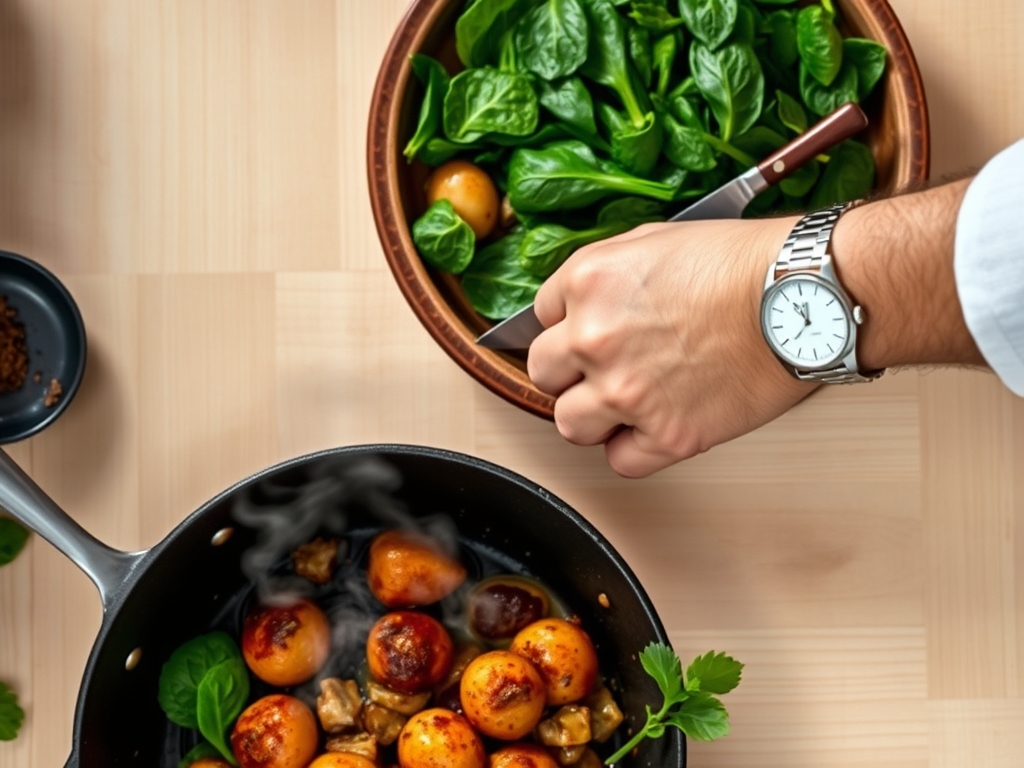
Drain the potatoes and let them steam dry for two minutes. Heat a heavy bottomed skillet with oil until it shimmers. Add the potatoes in a single layer, resisting the urge to stir.
Pro Tip: This facilitates the Maillard reaction. Moving the potatoes too soon breaks the crust and prevents the complex flavor compounds from developing through amino acid browning.
3. Infusing the Aromatics
Once the potatoes are golden, reduce the heat and add your minced shallots and garlic. Use tongs to toss them gently, ensuring the aromatics are coated in the rendered fat.
Pro Tip: Lowering the heat prevents the garlic from reaching its smoke point. Burnt garlic releases sulfurous compounds that can ruin the delicate profile of the spinach.
4. The Spinach Wilt
Add the spinach in batches. It will look like too much, but the high water content means it will reduce in volume by nearly 90 percent almost instantly.
Pro Tip: This is a physical change called cellular collapse. The heat breaks down the vacuoles in the leaves, releasing water and concentrating the flavor.
5. The Emulsion Finish
Add a splash of heavy cream or a knob of cold butter and toss vigorously. Use a saucier if you want a more controlled, liquid forward finish.
Pro Tip: This creates a fat-in-water emulsion. The starch released from the potatoes acts as a natural stabilizer, binding the fat and moisture into a glossy, decadent sauce.
The Deep Dive:
Macro Nutrition:
These pairings are a powerhouse. Potatoes provide complex carbohydrates and potassium, while spinach delivers Vitamin K, Vitamin A, and iron. To increase protein, consider topping your dish with a poached egg or folding in some chickpeas.
Dietary Swaps:
- Vegan: Swap butter for a nut based cream or avocado oil. The richness remains, but the saturated fat profile shifts.
- Keto: Replace 50 percent of the potatoes with daikon radish or turnips to lower the net carb count while maintaining the "mouthfeel" of a starch.
- GF: Naturally gluten free, just ensure any added spices or thickeners are certified.
The Fix-It:
- Problem: Soggy Spinach. Fix: Always dry your greens in a salad spinner. If it is already wet, turn up the heat to evaporate moisture rapidly.
- Problem: Gummy Potatoes. Fix: You likely overworked the starch. Next time, use a food mill instead of a blender to keep the starch granules intact.
- Problem: Bland Flavor. Fix: Add an acid. A squeeze of lemon or a dash of sherry vinegar will brighten the entire dish.
Meal Prep:
When reheating, avoid the microwave if possible. Use a skillet over medium heat with a teaspoon of water. This creates a small amount of steam that rehydrates the spinach without making the potatoes rubbery.
The Wrap-Up:
There you have it; the science of the perfect spinach and potato marriage. It is a dish that proves you do not need expensive ingredients to create a five star experience. By understanding thermal carryover and the importance of starch management, you can turn these simple greens and tubers into a vibrant, restaurant quality meal. Now, grab your favorite skillet and go make something delicious. Your kitchen is your laboratory!
The Kitchen Table:
How do I keep the spinach from turning brown?
Add the spinach at the very end of the cooking process. Chlorophyll is heat sensitive; limiting its exposure to high temperatures for under two minutes ensures the leaves stay a vibrant, bright emerald green.
Which potato is best for a spinach hash?
Use a waxy potato like Red Bliss or Yukon Gold. These varieties have lower starch content and higher moisture, allowing them to hold their shape during the flipping and searing required for a crisp hash.
Can I use frozen spinach for these recipes?
Yes, but you must thaw and squeeze it extremely dry first. Frozen spinach has already undergone cellular breakdown, so it will be much softer than fresh and requires less cooking time in the pan.
Why are my potatoes sticking to the pan?
The pan likely was not hot enough before adding the fat, or you tried to flip them before the Maillard reaction was complete. Wait for the potatoes to naturally release from the surface before stirring.