
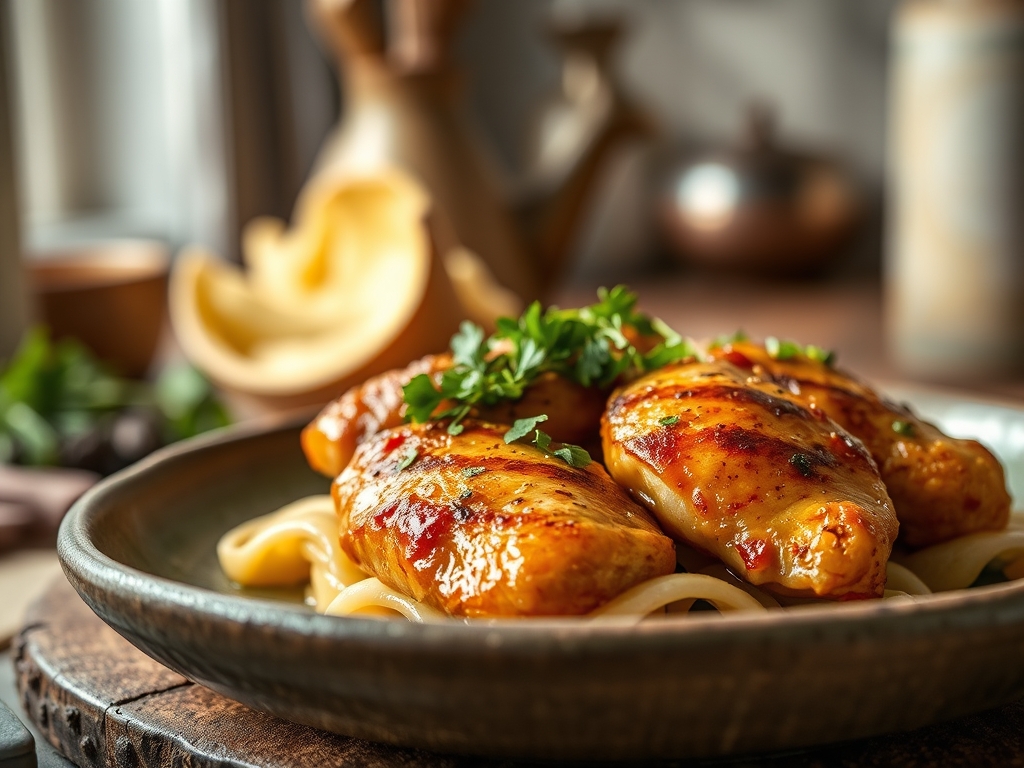
Picture the sound of a heavy-bottomed stainless steel skillet meeting a high-heat flame. There is a specific, rhythmic sizzle that happens when cold protein hits a shimmering layer of oil. That sound is the beginning of a transformation. We have all been there; it is 6:00 PM, the fridge looks like a desert, and you need a win. Finding chicken recipes for dinner easy and fast is not just about survival; it is about reclaiming your evening without sacrificing the molecular magic that makes food taste expensive.
We are moving beyond the rubbery, unseasoned breasts of yesteryear. Today, we are leaning into the Maillard reaction, that glorious chemical dance between amino acids and reducing sugars that creates a savory, brown crust. Whether you are using a piquant lemon-caper sauce or a viscous honey-garlic glaze, the goal is maximum flavor with minimal friction. This guide is your tactical manual for eight distinct flavor profiles that utilize the same foundational techniques. We are going to harness thermal conductivity and enzymatic browning to turn a humble bird into a five-star masterpiece in under thirty minutes. Grab your favorite apron; we are about to make science taste incredible.
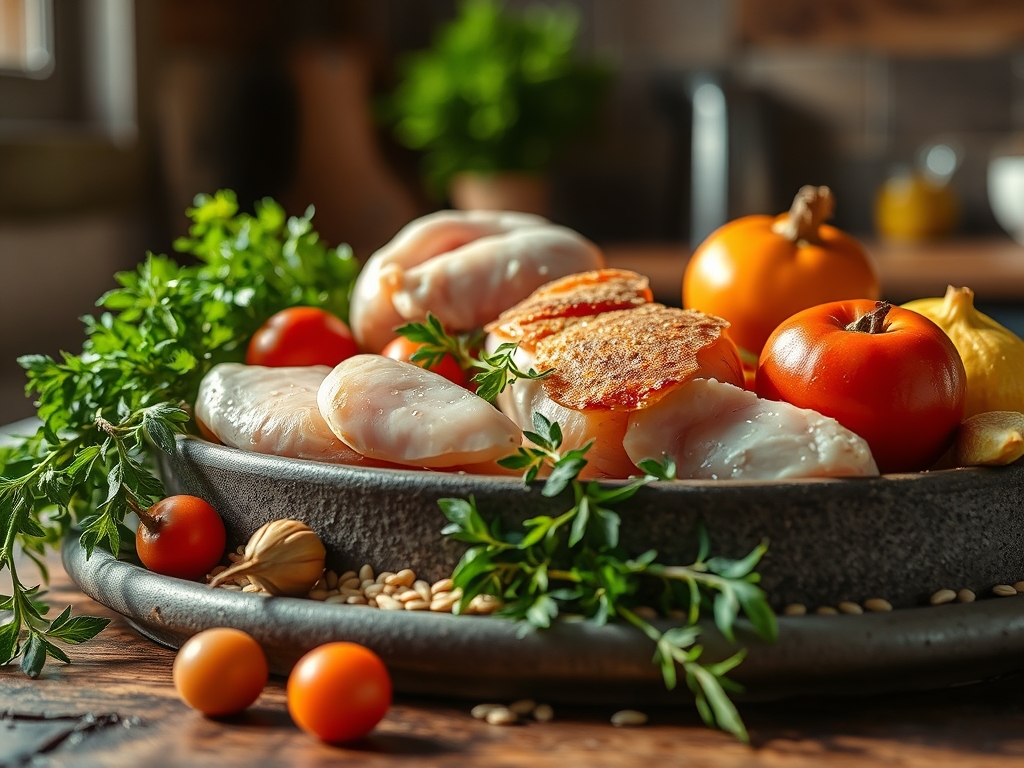
The Gathers:
To execute these chicken recipes for dinner easy and fast, your mise-en-place must be surgical. We start with the bird. Use a digital scale to ensure your portions are uniform; this prevents the tragic scenario where small pieces turn to sawdust while larger ones remain raw. You will need high-smoke-point fats like avocado oil or clarified butter to handle the searing temperatures without oxidizing.
Fresh aromatics are non-negotiable. Use a microplane to zest citrus and grate garlic into a fine paste. This increases the surface area, allowing the volatile oils to infuse your cooking fat instantly. For texture, keep kosher salt and cracked black peppercorns within reach. If you are missing an ingredient, do not panic.
Smart Substitutions:
- No shallots? Use the white bottoms of green onions for a similar sulfurous bite.
- Out of heavy cream? A dollop of full-fat Greek yogurt adds acidity and thickness, though you must whisk it in off the heat to prevent curdling.
- No white wine for deglazing? A splash of chicken stock with a teaspoon of apple cider vinegar mimics that essential tartness.
The Clock
Efficiency in the kitchen is governed by what I call Chef's Flow. This is the art of overlapping tasks so that no second is wasted. While your skillet preheats, you are seasoning. While the chicken renders its fat, you are chopping the garnish.
Total active prep time for these recipes is ten minutes. The cook time averages twelve to fifteen minutes. The secret to this speed is "pounding." By using a meat mallet or the bottom of a heavy saucepan to flatten the chicken to a uniform half-inch thickness, you reduce the thermal distance the heat must travel to reach the center. This ensures the exterior browns perfectly just as the interior reaches the safe threshold of 165 degrees Fahrenheit.
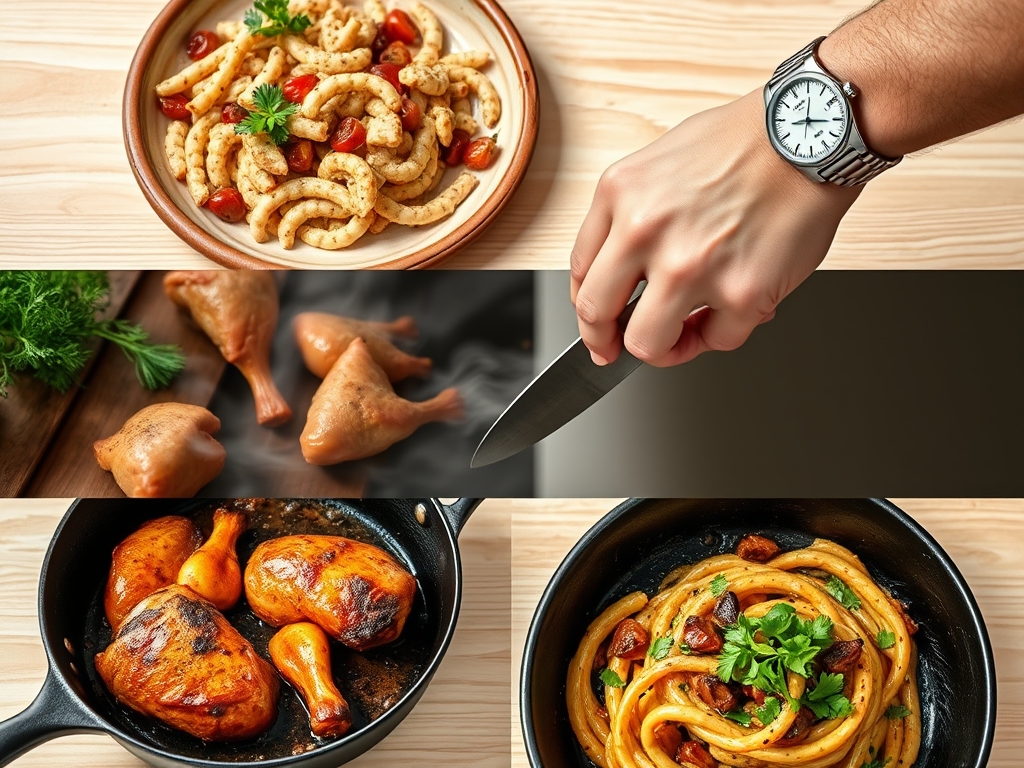
The Masterclass
1. The Sear and Prep
Place your chicken on a clean surface and pat it bone-dry with paper towels. Moisture is the enemy of the sear. If the surface is wet, the energy from the pan goes into evaporating water rather than browning the meat. Season aggressively with salt from a height to ensure even distribution.
Pro Tip: This is the science of surface moisture. Removing water prevents steaming, allowing the surface temperature to exceed 300 degrees Fahrenheit, which is the trigger point for the Maillard reaction.
2. The High-Heat Introduction
Add two tablespoons of oil to your skillet. Wait for the oil to shimmer and just begin to wisps of smoke. Lay the chicken away from you to avoid oil splatter. Do not crowd the pan. If you add too much meat at once, the pan temperature drops, and you lose your sear.
Pro Tip: This utilizes thermal mass. A heavy skillet retains heat better, ensuring that the cold meat does not "quench" the pan and lead to a grey, boiled texture.
3. The Flip and Aromatics
Once the chicken releases naturally from the pan, flip it using stainless steel tongs. Now, drop in a knob of butter, smashed garlic cloves, and fresh thyme. Use a large spoon to continuously pour the foaming butter over the chicken. This is called "arrosé."
Pro Tip: Butter basting uses convection. The hot fat carries the fat-soluble flavors of the herbs into every crevice of the meat while finishing the cook gently.
4. The Deglaze
Remove the chicken when it hits 160 degrees Fahrenheit. While the pan is still hot, pour in half a cup of liquid (stock, wine, or citrus juice). Use a wooden spoon or bench scraper to scrub the brown bits off the bottom. Those bits are called "fond," and they are concentrated flavor gold.
Pro Tip: Deglazing is a solvent-based extraction. The liquid dissolves the caramelized proteins, creating a complex base for a pan sauce without needing hours of simmering.
5. The Emulsification
Reduce the liquid by half until it is viscous. Whisk in a final pat of cold butter or a splash of cream. This creates a glossy, cohesive sauce that coats the back of a spoon. Return the chicken to the pan for thirty seconds to glaze.
Pro Tip: This is creating a stable emulsion. The milk solids and fats bind with the reduced liquid, preventing the sauce from breaking or looking greasy.
The Deep Dive
When we look at the macro nutrition of these chicken recipes for dinner easy and fast, we are looking at a powerhouse of lean protein. A standard six-ounce breast provides roughly 50 grams of protein with minimal saturated fat. To keep it Keto, swap the deglazing wine for bone broth and finish with heavy cream. For a Vegan twist, the same techniques apply to "chicken" seitan or extra-firm tofu, though you will want to use miso paste to replicate the umami depth.
The Fix-It:
- Dry Meat: You likely experienced "carryover cooking." Meat continues to rise in temperature by 5 degrees after leaving the pan. Pull it at 160, not 165.
- Bland Sauce: It needs acid. A squeeze of lemon or a drop of vinegar "brightens" the flavors by stimulating the sides of your tongue.
- Stuck Chicken: You were too impatient. Protein bonds to the metal initially; once the crust forms, it naturally "releases." If it sticks, wait another minute.
For meal prep, remember that reheating can lead to "Warmed-Over Flavor" caused by lipid oxidation. To avoid this, reheat your chicken gently in a skillet with a splash of water and a lid. This creates a steam chamber that rehydrates the fibers without overcooking the core.
The Wrap-Up
You now have the technical blueprint to dominate your kitchen. These chicken recipes for dinner easy and fast are not just about the ingredients; they are about the physics of heat and the chemistry of flavor. By mastering the sear, the deglaze, and the rest, you are turning a Tuesday night chore into a culinary event. Go forth, use your tongs like a pro, and remember that the best dinners are the ones shared with a little bit of wit and a lot of butter.
The Kitchen Table
How do I keep chicken breast from getting dry?
Use a meat mallet to ensure even thickness. Cook over medium-high heat and remove the meat from the pan when it reaches an internal temperature of 160 degrees. Allow it to rest for five minutes to let the juices redistribute.
Can I make these recipes with frozen chicken?
It is not recommended for a fast sear. Frozen chicken releases excess moisture as it thaws in the pan, which prevents the Maillard reaction. Always thaw completely in the refrigerator and pat dry with paper towels before seasoning and cooking.
What is the best pan for quick chicken dinners?
A heavy-bottomed stainless steel or cast iron skillet is best. These materials have high thermal mass, meaning they hold heat well. This allows for a consistent sear and better development of "fond" for your pan sauces.
How do I get a restaurant-quality sauce in minutes?
Deglaze your pan with stock or wine to lift the caramelized bits. Reduce the liquid by half to concentrate flavor. Finally, whisk in a tablespoon of cold butter off the heat to create a silky, emulsified "beurre monté" finish.