
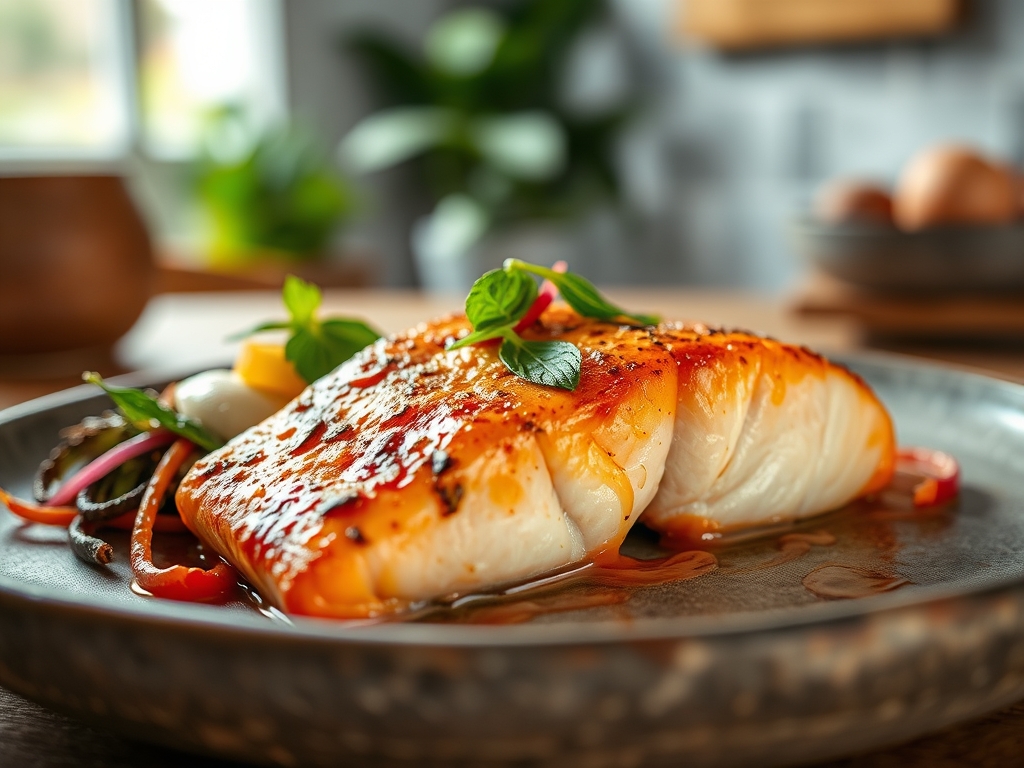
Picture the scene: a heavy-bottomed skillet hissing on the range while the air thickens with the scent of fermented shrimp paste, toasted galangal, and kaffir lime leaves. There is a specific kind of magic that happens when the fatty, omega-3-rich profile of Atlantic fish meets the sharp, acidic punch of Southeast Asian aromatics. If you are hunting for salmon recipes thai style, you are essentially looking for the perfect marriage of fat and fire. We are moving beyond the basic lemon-butter routine. Today, we are diving into seven fiery variations that leverage the Maillard reaction to create a crisp, amber crust while keeping the interior translucent and buttery. From the creamy depth of a Panang reduction to the crystalline snap of a palm sugar glaze, these dishes are designed to wake up your palate. We will explore how to balance the five fundamental pillars of Thai flavor: salty, sweet, sour, spicy, and umami. Grab your microplane and your favorite apron; we are about to transform a standard fillet into a masterpiece of heat and texture.
The Gathers:
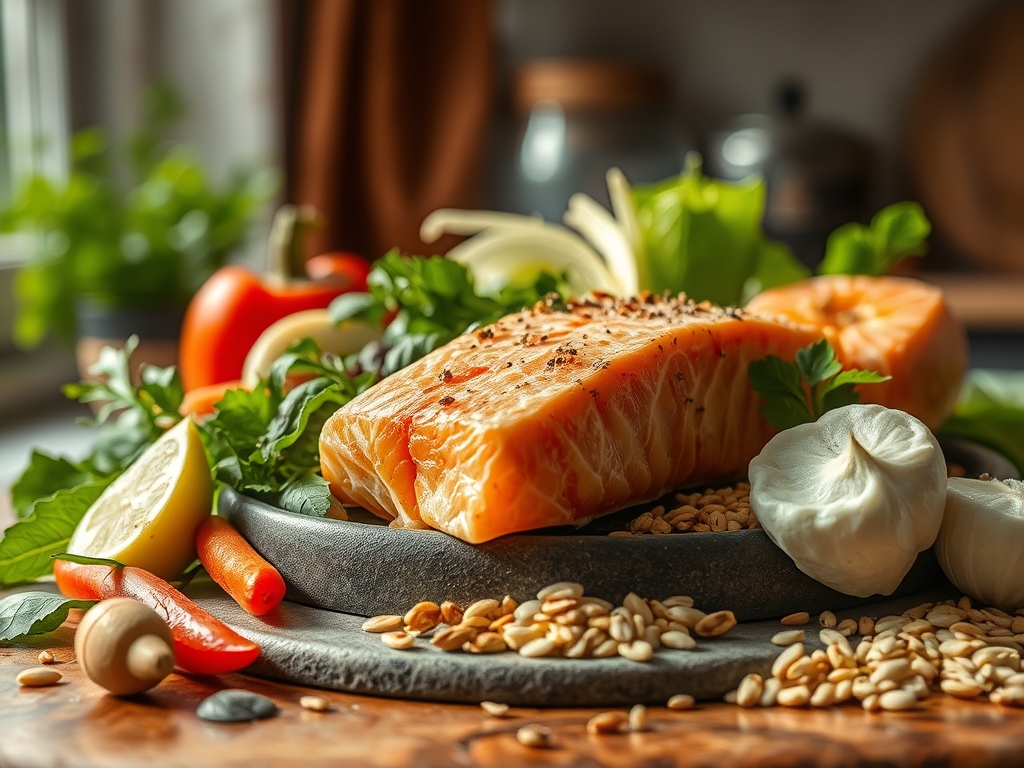
Setting up your mise-en-place is a lesson in botanical chemistry. To execute these salmon recipes thai style, your workstation needs a specific array of volatiles and fats. Start with the aromatics: fresh lemongrass stalks (use only the tender white core), bird's eye chilies for capsaicin-driven heat, and cilantro roots which offer a deeper, earthier profile than the leaves. For the liquids, you need high-quality coconut milk with a high fat content to ensure emulsification. Look for fish sauce that has been aged in wood barrels; it provides the essential fermented glutamates that define umami.
Smart Substitutions: If you cannot source fresh galangal, do not reach for standard ginger as a one-to-one swap. Galangal is piney and sharp, while ginger is peppery and sweet. Instead, use a mix of ginger and a dash of lime zest to mimic that floral top note. If palm sugar is missing from your pantry, dark brown sugar works because its molasses content provides a similar viscous mouthfeel when reduced into a glaze. For those avoiding soy, liquid aminos offer a comparable salinity without the gluten profile.
The Clock
Efficiency in a professional kitchen is dictated by the "Chef's Flow." This is the art of overlapping tasks so that no heat is wasted. For these salmon recipes thai enthusiasts love, expect a total commitment of 35 minutes. Prep takes roughly 15 minutes: this involves the fine dicing of aromatics and the precise portioning of your fish using a sharp fillet knife. The cooking phase is a swift 12 to 15 minutes.
The "Flow" dictates that you start your rice or base starch first, as it has the longest thermal inertia. While the rice steams, you prepare your curry paste or marinade. The salmon is always the final element to hit the heat. Because fish proteins denature rapidly, even two minutes of "resting" time will continue to cook the center through thermal carryover. By timing your sauce reduction to finish exactly when the salmon reaches an internal temperature of 125 degrees Fahrenheit, you ensure a cohesive, hot meal where nothing sits under a heat lamp losing its structural integrity.
The Masterclass
1. The Sear and Render
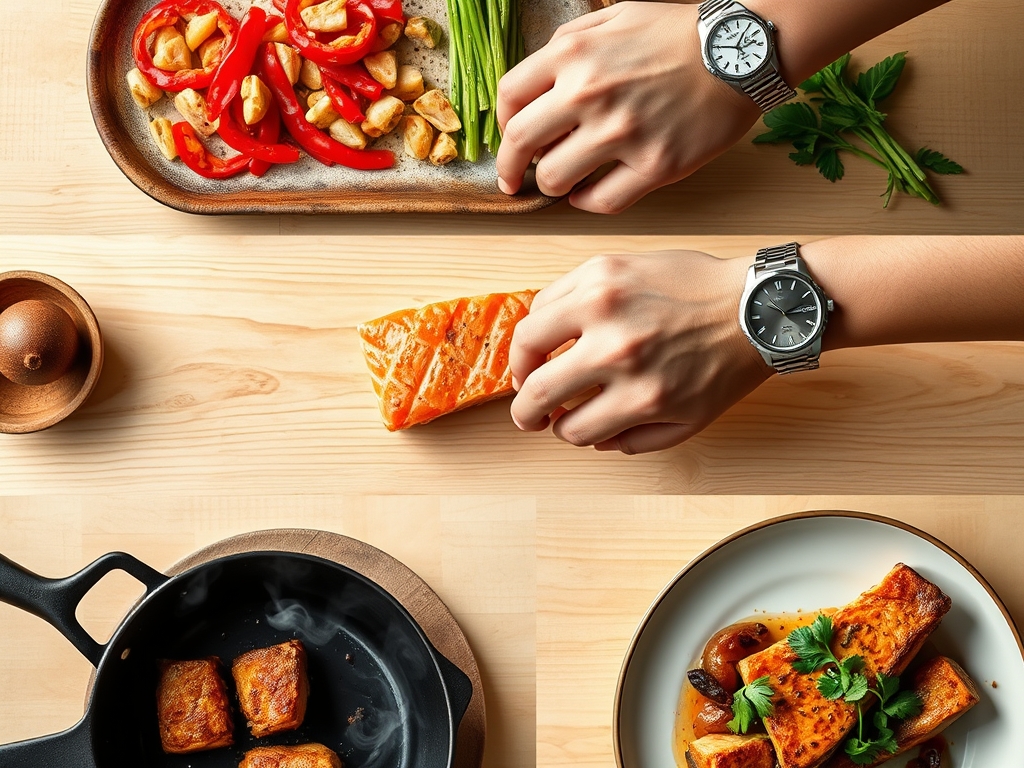
Place your salmon skin-side down in a cold, dry, heavy-bottomed skillet, then turn the heat to medium-high. This allows the subcutaneous fat to render slowly, resulting in a glass-like skin texture. Use your tongs to press the fillet down firmly for the first 30 seconds to prevent the protein fibers from curling.
Pro Tip: This technique utilizes conductive heat transfer to crisp the skin without overcooking the delicate flesh above it. The skin acts as an insulator, protecting the proteins from toughening.
2. Infusing the Aromatics
Once the fish is flipped, move it to the side of the pan and add your minced lemongrass, garlic, and chilies. Use a saucier or a small spoon to baste the hot, flavored oil over the top of the fish. This is called aromatic infusion, where the fat-soluble flavor compounds in the spices dissolve into the cooking oil.
Pro Tip: Adding aromatics late in the process prevents the garlic from undergoing enzymatic browning too quickly, which can turn bitter and ruin the piquant balance of the dish.
3. Deglazing with Acid
Pour in a mixture of lime juice and fish sauce to deglaze the pan. Use a wooden spoon or a bench scraper to lift the "fond" (the browned bits of protein) from the bottom of the skillet. This integrates the concentrated flavors back into the sauce, creating a complex, savory base.
Pro Tip: The acid in the lime juice helps to partially denature the surface proteins of the fish, allowing the sauce to cling more effectively to the fillet.
4. Emulsifying the Coconut Base
Lower the heat and whisk in your coconut milk. You want to see small bubbles, not a rolling boil. Stir constantly to aerate the sauce slightly and ensure the fat from the coconut milk binds with the acidic lime juice without splitting.
Pro Tip: Keeping the temperature below 212 degrees Fahrenheit prevents the coconut solids from curdling, ensuring a silky, viscous consistency that coats the back of a spoon.
5. The Final Glaze
Add your palm sugar and a splash of chili oil. Increase the heat for the final 60 seconds to allow the sugars to caramelize. This creates a glossy sheen on the salmon that traps the moisture inside while providing a sweet-and-spicy finish.
Pro Tip: This final blast of heat triggers the Maillard reaction on any exposed flesh, deepening the color and adding a nutty, toasted dimension to the flavor profile.
The Deep Dive
Nutritionally, these salmon recipes thai style are powerhouses. A single 6-ounce serving provides roughly 34 grams of high-quality protein and is rich in Vitamin B12 and Selenium. The addition of coconut milk adds medium-chain triglycerides (MCTs), which are processed differently by the liver for a quicker energy burn compared to long-chain fats.
Dietary Swaps: To make this Keto, simply replace the palm sugar with a monk fruit sweetener; the viscosity will be slightly lower, but the flavor remains sharp. For a Vegan alternative, use firm tofu or "banana blossom" and swap fish sauce for a mushroom-based vegetarian stir-fry sauce. To keep it Gluten-Free, ensure your curry pastes do not use wheat-based thickeners.
The Fix-It:
- Curdled Sauce: If your coconut milk separates, whisk in a teaspoon of warm water or a splash of heavy cream to re-emulsify the fats.
- Soggy Skin: This usually happens if the pan wasn't hot enough or the fish was damp. Always pat the skin dry with a paper towel before it hits the pan.
- Too Much Heat: If the chilies are overwhelming, add a squeeze of lime and a pinch more sugar. The acid and sweetness counteract the capsaicin on your taste buds.
Meal Prep: To reheat salmon without it becoming "fishy" or rubbery, avoid the microwave. Use a low-temperature oven (275 degrees Fahrenheit) with a splash of water in the dish, covered in foil. This creates a mini-steamer environment that preserves the molecular moisture of the fish.
The Wrap-Up
Mastering salmon recipes thai style is about more than just following a list of ingredients; it is about understanding how heat, acid, and fat interact to create a sensory explosion. When you use the right tools, like a microplane for your zest and a heavy skillet for that perfect sear, you elevate a simple weeknight dinner into a restaurant-quality experience. The contrast between the cooling coconut and the fiery chilies is a culinary tightrope walk that, once mastered, becomes a permanent favorite in your rotation. Now, get into that kitchen and start rendering!
The Kitchen Table
Can I use frozen salmon for these recipes?
Yes, but thaw it completely in the refrigerator first. Pat the fillets extremely dry with paper towels to ensure you still get a crisp sear; excess moisture causes the fish to steam rather than brown in the pan.
What is the best substitute for bird's eye chilies?
Serrano peppers are a great alternative. They offer a similar bright, grassy heat but are slightly milder. Use two serranos for every three bird's eye chilies requested to maintain the intended flavor profile without overwhelming the dish.
How do I prevent the salmon from sticking?
Ensure your skillet is properly preheated before adding oil. Once the fish hits the pan, do not move it for at least three minutes. The protein will naturally release from the surface once the crust has properly formed.
Why is my Thai sauce too salty?
Fish sauce brands vary significantly in salinity. Always start with half the recommended amount and taste as you go. If it is already too salty, add a splash of coconut milk or an extra squeeze of lime to balance it.