
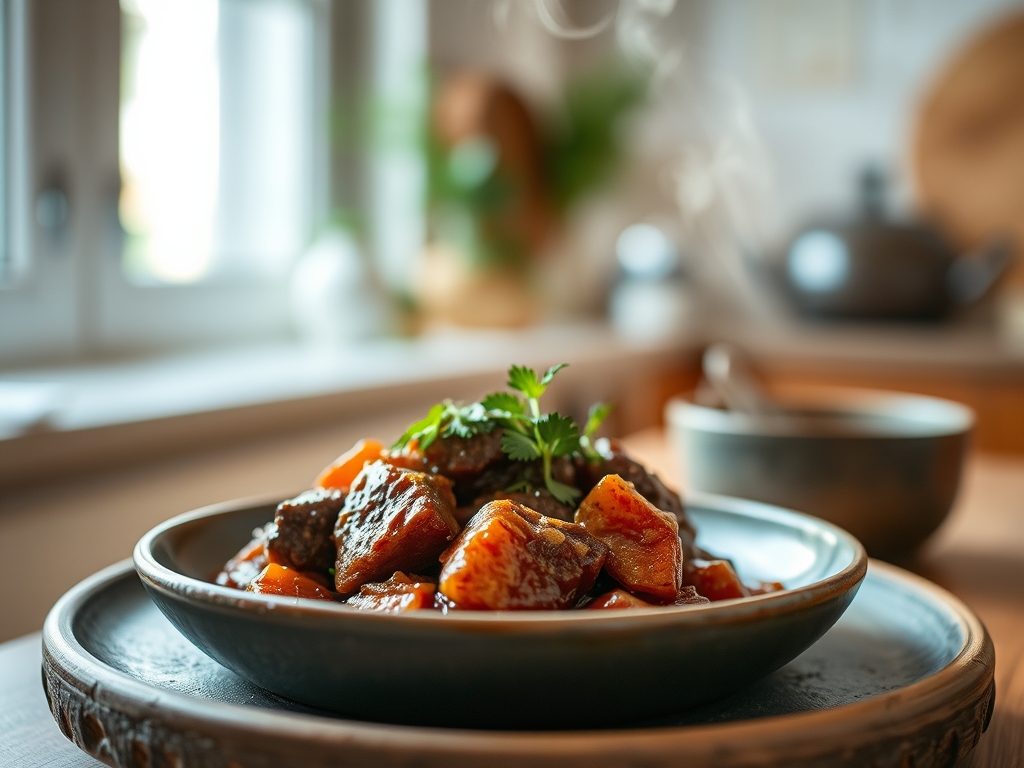
Picture the steam rising from a heavy pot as it hits the cool air of your kitchen; it is a scent that carries the weight of comfort and the promise of a meal that feels like a hug. While many stew beef recipes simple enough for a Tuesday night exist; the difference between a grey, chewy bowl of disappointment and a velvety, fork-tender masterpiece lies in the molecular physics of the pot. We are not just tossing cubes of protein into liquid. We are orchestrating a complex series of chemical reactions that transform tough connective tissue into succulent gelatin.
To master this dish, you must understand that the beef is your protagonist; however, the aromatics and the cooking vessel are the supporting cast that define the final texture. We are aiming for a viscous, rich gravy that coats the back of a spoon without feeling heavy or greasy. It is about the slow dance of heat and time. Grab your favorite apron and a glass of wine; we are about to turn a humble cut of meat into a five-star experience that will make your kitchen the most popular room in the house.
The Gathers:
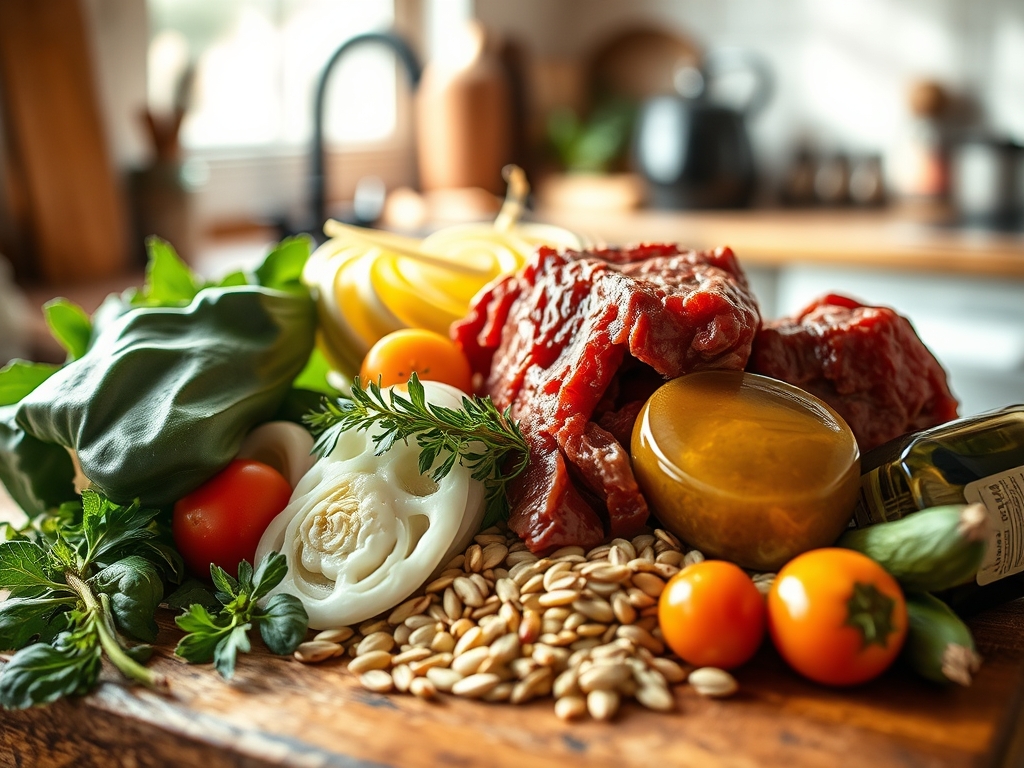
Your mise-en-place is the foundation of culinary success. Start with three pounds of chuck roast; this specific cut is prized for its high collagen content, which breaks down into silky gelatin during the braise. Avoid pre-cut "stew meat" packages if possible, as they often contain a mix of different muscles with varying cook times. You will also need high-quality beef bone broth, a dry red wine like Cabernet Sauvignon for acidity, and the "holy trinity" of mirepoix: carrots, celery, and yellow onions.
For the piquant depth that separates amateur cooking from professional craft, gather tomato paste, fresh thyme, bay leaves, and a head of garlic. Use a digital scale to measure out your flour for the roux to ensure consistency. If you need smart substitutions, swap the red wine for extra broth with a tablespoon of balsamic vinegar to maintain the necessary pH balance. For an earthy undertone, add a handful of dried porcini mushrooms; they provide a massive boost of umami without changing the fundamental profile of the dish.
The Clock
The "Chef's Flow" for this recipe requires about 30 minutes of active prep and 3 hours of passive simmering. Do not rush the process; the collagen-to-gelatin conversion only occurs once the internal temperature of the meat stays between 160 and 180 degrees Fahrenheit for an extended period.
- Prep Phase (0:00 – 0:30): Cubing the beef, dicing vegetables with a sharp chef's knife, and measuring liquids.
- Searing Phase (0:30 – 0:50): Developing the Maillard reaction in batches.
- The Braise (0:50 – 3:30): The low-and-slow transformation where the magic happens.
- The Finish (3:30 – 3:45): Reducing the sauce and adjusting seasoning.
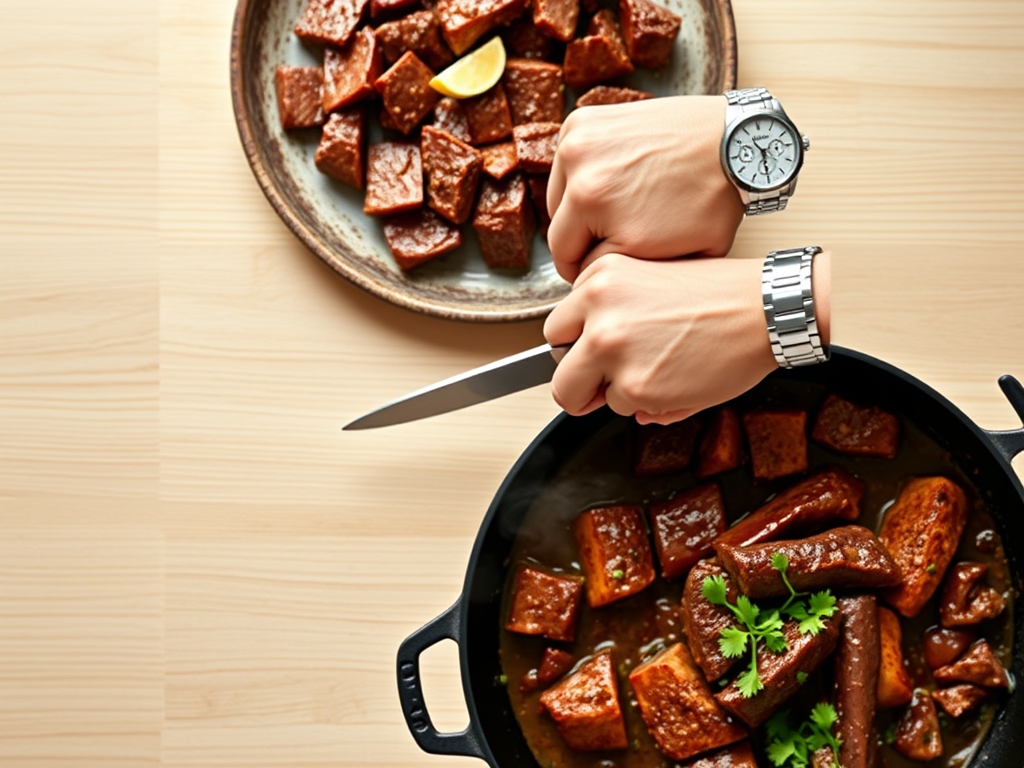
The Masterclass
1. The Temper and Dry
Remove your beef from the refrigerator 20 minutes before cooking and pat it thoroughly dry with paper towels. Moisture is the enemy of a good sear.
Pro Tip: This prevents evaporative cooling. If the meat is wet, the energy from the pan goes into boiling the surface water rather than browning the proteins, leading to grey, steamed meat instead of a crust.
2. The High-Heat Sear
Heat oil in a heavy-bottomed skillet or Dutch oven until it shimmers. Sear the beef in batches, ensuring each piece has space to breathe. Use tongs to flip them only once a deep brown crust forms.
Pro Tip: This is the Maillard reaction. It creates hundreds of different flavor compounds that do not exist in raw meat, providing the foundational "beefy" profile of your stew.
3. Deglazing the Fond
Once the meat is removed, you will see brown bits stuck to the bottom of the pan; this is "fond." Pour in your wine and use a wooden spoon to scrape it up.
Pro Tip: This process captures caramelized sugars and proteins that would otherwise be lost. The acid in the wine also helps balance the heavy fats of the beef.
4. Sweating the Aromatics
Add your onions, carrots, and celery to the pot. Cook them until the onions are translucent but not browned.
Pro Tip: This is called sweating, which draws out the moisture and softens the cellulose in the vegetables, allowing their natural sugars to infuse the base oil.
5. The Tomato Paste Bloom
Clear a small space in the center of the pot and add your tomato paste, stirring it directly against the heat for two minutes until it turns a rusty brick red.
Pro Tip: This is caramelization. Frying the paste removes the raw, metallic tin taste and deepens the lycopene flavors, adding a hidden layer of complexity.
6. The Flour Dusting
Sprinkle flour over the vegetables and stir constantly for one minute. This creates a blonde roux directly in the pot.
Pro Tip: Cooking the flour ensures the starch granules are coated in fat, which prevents clumping and eliminates the "pasty" raw flour taste in the finished gravy.
7. The Gentle Submerge
Slowly pour in your beef broth while whisking or stirring vigorously. Return the beef and its accumulated juices to the pot.
Pro Tip: Adding liquid slowly allows the starch to hydrate evenly, creating a smooth, emulsified sauce rather than a broken or lumpy one.
8. The Low-and-Slow Simmer
Bring the liquid to a bare simmer; then lower the heat to the absolute minimum. The surface should only show an occasional bubble.
Pro Tip: High heat causes muscle fibers to contract violently and squeeze out moisture. A low-temperature braise allows the fibers to relax while the connective tissue dissolves.
9. The Herb Infusion
Add your thyme sprigs and bay leaves during the last hour of cooking. Use a microplane to zest a tiny bit of lemon over the top at the very end.
Pro Tip: Volatile aromatics in herbs are delicate. Adding them too early can result in a bitter or muted flavor; adding them later preserves their bright, essential oils.
10. The Resting Period
Once the beef is tender, turn off the heat and let the stew sit for at least 15 minutes before serving.
Pro Tip: This allows for thermal equilibrium. As the temperature drops slightly, the meat reabsorbs some of the flavorful cooking liquid, making it even juicier.
The Deep Dive
Macro Nutrition: A standard serving provides approximately 35g of protein, 15g of fat, and 12g of carbohydrates. It is a nutrient-dense powerhouse rich in iron, zinc, and Vitamin B12.
Dietary Swaps:
- Keto: Omit the potatoes and flour; thicken the sauce at the end by whisking in a bit of heavy cream or cold butter (monter au beurre).
- Gluten-Free: Use a 1:1 GF flour blend or a cornstarch slurry added at the very end.
- Vegan: Replace beef with "meaty" king oyster mushrooms and use a rich mushroom dashi instead of beef broth.
The Fix-It:
- Too Salty: Add a peeled, halved potato and simmer for 10 minutes; it will act as a sponge for excess sodium.
- Too Thin: Remove a cup of liquid, whisk in a tablespoon of flour, and return it to the pot to boil for 2 minutes.
- Too Greasy: Use a wide spoon to skim the "fat cap" off the surface, or drag a cold piece of bread across the top to absorb the oil.
Meal Prep: Stew is notoriously better the next day. As it cools, the flavors continue to intermingle and mature. To reheat, use a saucier over medium-low heat and add a splash of water to loosen the gelatinized sauce without scorching the bottom.
The Wrap-Up
You have officially graduated from basic cooking to culinary science. By focusing on the Maillard reaction, the slow breakdown of collagen, and the delicate balance of acidity and fat, you have created a dish that transcends the ordinary. This beef stew is not just a meal; it is a testament to the beauty of patience and technique. Serve it with a crusty piece of sourdough and a sense of pride. You have mastered the art of the braise; now go forth and feed your soul!
The Kitchen Table
What is the best cut for stew beef recipes simple?
Chuck roast is the gold standard. It contains the perfect ratio of fat and connective tissue. As it cooks, the collagen melts into gelatin, creating a rich sauce and incredibly tender meat that leaner cuts like sirloin cannot match.
Why is my beef stew meat still tough?
Toughness usually means it has not cooked long enough. Connective tissue requires sustained heat to break down. If the meat is rubbery, give it another 30 to 45 minutes of simmering; time is the only cure for stubborn collagen.
Can I overcook beef in a stew?
Yes. While the connective tissue breaks down, the actual muscle fibers can eventually become dry and "stringy" if boiled for too long. Aim for the "fork-tender" stage where the meat yields easily but still holds its structural shape.
Do I have to brown the meat first?
Technically no, but you should. Browning creates a depth of flavor through the Maillard reaction that cannot be replicated by simmering alone. It is the difference between a flat, one-dimensional flavor and a complex, professional-grade savory profile.