
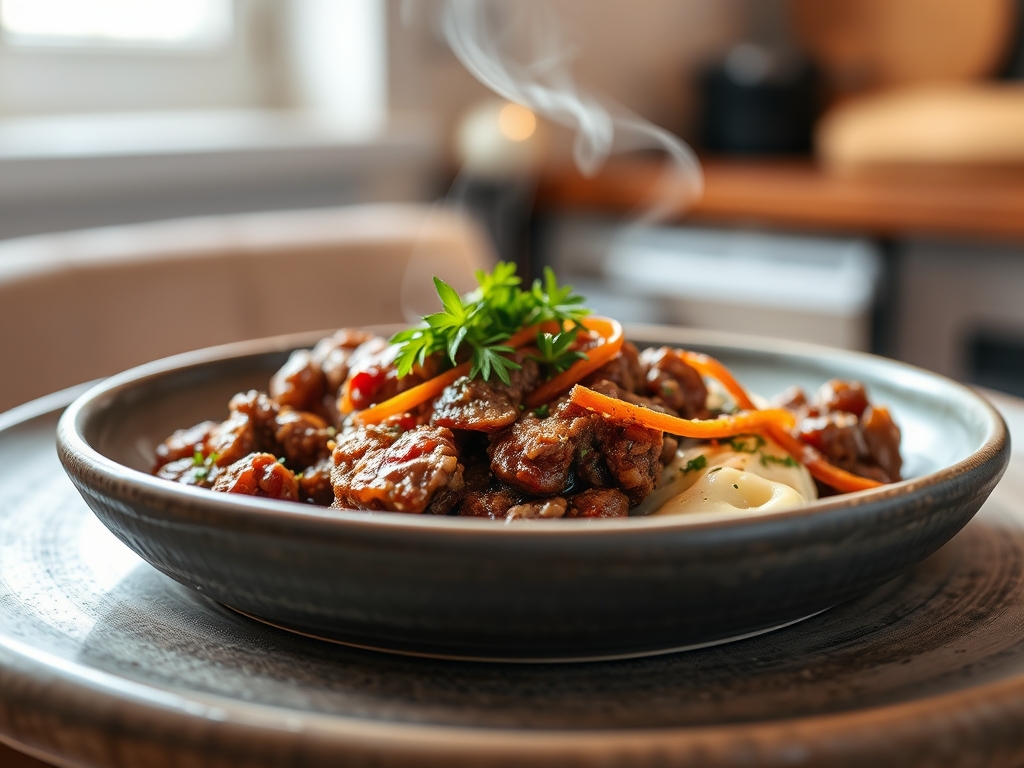
Imagine the sharp hiss of a heavy-bottomed skillet meeting cold protein; it is the sound of a Tuesday night being saved. You are standing in your kitchen, tired but hungry, staring at a pound of protein that holds infinite potential. When you master quick and easy ground beef recipes for dinner, you are not just cooking; you are conducting a symphony of heat and fat. We are moving past the basic burger and into a world where ten minutes of active prep yields a restaurant-quality result. This is about efficiency without sacrificing the soul of a home-cooked meal.
The magic of ground beef lies in its surface area. Because the meat is finely ground, we have maximum exposure for the Maillard reaction, that glorious chemical dance between amino acids and reducing sugars that creates a savory crust. We are going to harness that science to create six distinct flavor profiles, from a piquant Korean-inspired bowl to a viscous, velvety stroganoff that clings to your fork. Forget the long braises and the four-hour stews. We are working with high heat, fast evaporation, and strategic seasoning to get you from the pantry to the table in under twenty minutes.
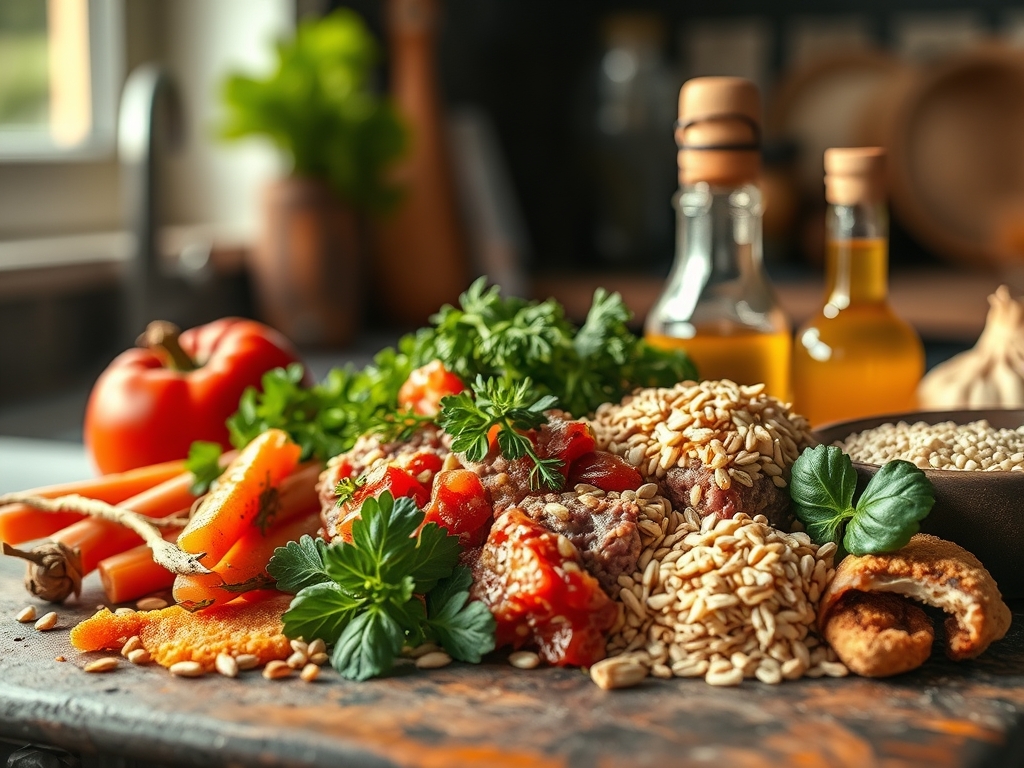
The Gathers:
To execute these quick and easy ground beef recipes for dinner, your mise-en-place must be tight. Start with 80/20 ground chuck; the 20 percent fat content is non-negotiable for flavor and moisture retention. You will need a high-smoke-point oil like avocado or grapeseed to avoid acrid flavors during the initial sear. For the aromatic base, keep yellow onions, garlic cloves, and fresh ginger on standby. Use a microplane to grate your aromatics directly into the pan; this increases the surface area and allows the flavors to infuse the rendered fat almost instantly.
Smart Substitutions are your best friend when the pantry looks bare. If you lack fresh ginger, a splash of rice vinegar and a pinch of ground turmeric can mimic that bright, earthy zing. No heavy cream for your stroganoff? A dollop of full-fat Greek yogurt added off the heat provides the necessary acidity and creamy mouthfeel without the risk of curdling. If you are aiming for a lighter profile, ground turkey or chicken can be swapped in, though you must add a teaspoon of Worcestershire sauce to compensate for the missing umami depth found in beef.
The Clock:
Efficiency in the kitchen is about "Chef's Flow," the art of overlapping tasks so no second is wasted. These recipes are designed for a 5-minute prep and a 12-to-15-minute cook time. While your heavy-bottomed skillet preheats, you should be dicing your aromatics. Never crowd the pan; if you drop a pound of meat into a lukewarm skillet, the temperature drops, the juices leak out, and you end up steaming the meat in a gray puddle instead of searing it.
The flow looks like this: Heat the pan until the oil shimmers. Add the beef in a single, flat layer and let it sit undisturbed for three minutes. This is the hardest part for most home cooks; stop stirring. That stillness is what allows the crust to form. While the beef sears, use your bench scraper to clear your cutting board of chopped herbs or vegetables. By the time the meat is browned and crumbled, your secondary ingredients should be ready to hit the pan.
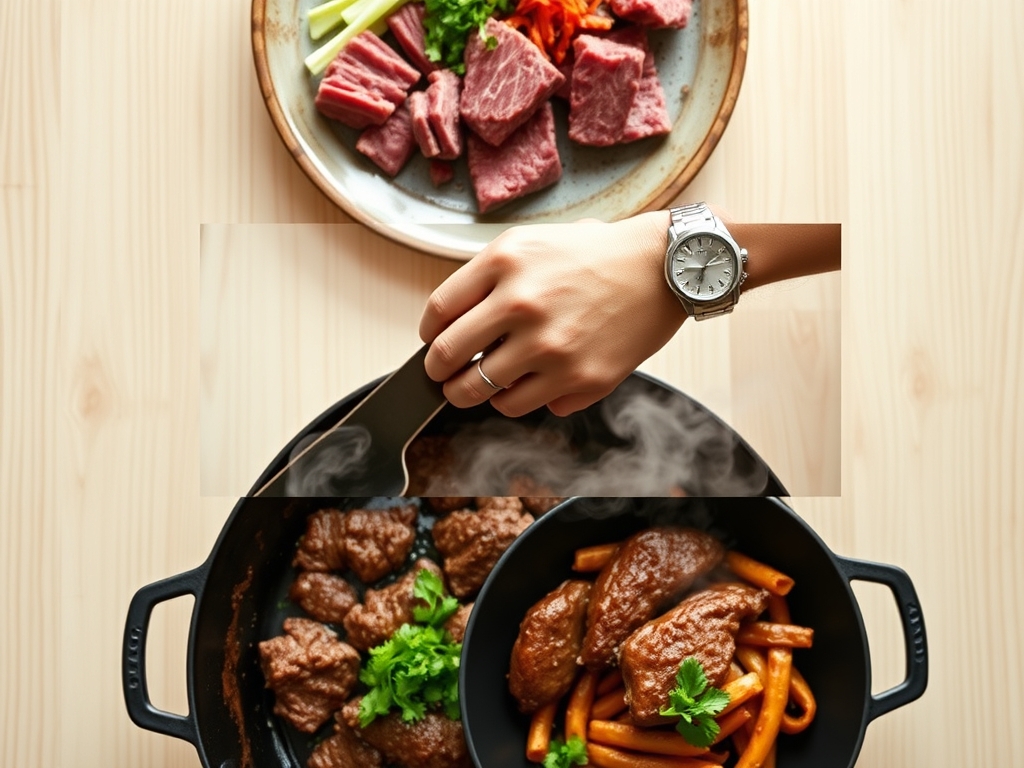
The Masterclass:
1. The High-Heat Sear
Place your beef in the smoking-hot skillet. Use a wooden spoon or a specialized meat masher to press the meat down, ensuring maximum contact with the metal surface. Do not break it up immediately.
Pro Tip: This stage relies on pyrolysis, where organic compounds break down under high heat to create complex flavor molecules. If you stir too early, you lose the heat energy required to trigger this transformation.
2. Deglazing the Fond
Once the meat is browned and removed, you will see brown bits stuck to the bottom of the pan. This is "fond," and it is pure gold. Pour in a splash of beef stock, wine, or even water, and use your tongs with a paper towel or a spatula to scrape those bits up.
Pro Tip: Deglazing uses solubility to incorporate caramelized proteins back into your sauce. This creates a deep, built-in flavor that tastes like it has been simmering for hours.
3. Aromatics and Infusion
Lower the heat slightly and add your onions, garlic, or spices. The fat rendered from the beef acts as a solvent, extracting fat-soluble flavor compounds from spices like cumin or chili powder.
Pro Tip: This is called "blooming" spices. The heat releases essential oils that are otherwise trapped in the dried plant matter, significantly increasing the aromatic impact of the dish.
4. Emulsifying the Sauce
Add your liquid components, whether it is soy sauce, tomato puree, or cream. Stir vigorously to combine the rendered beef fat with the aqueous liquids.
Pro Tip: You are creating a temporary emulsion. The proteins in the beef help bridge the gap between fat and water, resulting in a sauce that is silky and viscous rather than greasy.
5. The Final Fold
Return the beef to the pan along with any fresh herbs or quick-cooking greens like spinach. Toss everything together just until the greens wilt.
Pro Tip: This utilizes thermal carryover. The residual heat in the beef and the sauce is enough to cook delicate vegetables without turning them into mush, preserving their vibrant color and vitamin content.
6. Resting and Aeration
Turn off the heat and let the dish sit for two minutes before serving. This allows the muscle fibers in the beef to relax and reabsorb some of the sauce.
Pro Tip: Resting prevents the "bleeding" of juices onto the plate. It ensures that every bite is succulent and that the sauce stays perfectly clung to the meat.
The Deep Dive:
From a macro nutrition perspective, ground beef is a powerhouse of bioavailable iron, B12, and zinc. A standard 4-ounce serving provides roughly 21 grams of protein. To balance the dish, always aim for a 1:1 ratio of meat to vegetables. For those following specific diets, these recipes are incredibly flexible. For Keto, serve your beef over riced cauliflower or inside crisp lettuce cups. For Gluten-Free needs, ensure your soy sauce is replaced with tamari or liquid aminos, and use cornstarch or arrowroot powder as a thickener instead of flour.
The "Fix-It" guide for common pitfalls:
- The Meat is Greasy: If you find too much liquid fat in the pan, tilt the skillet and use a saucier spoon or a bulb baster to remove the excess. Never pour grease down the drain.
- The Beef is Tough: This usually happens from overworking the meat. Buy "coarse ground" if possible and break it into larger chunks rather than a fine sand texture.
- The Flavor is Flat: You likely need more acidity. A squeeze of fresh lime or a teaspoon of red wine vinegar at the very end will "brighten" the heavy fats and make the flavors pop.
For meal prep, ground beef is the ultimate candidate. When reheating, avoid the microwave if possible as it can make the proteins rubbery. Instead, use a small skillet with a tablespoon of water and cover it with a lid. This creates a steam chamber that rehydrates the meat, returning it to "day-one" quality in minutes.
The Wrap-Up:
Mastering quick and easy ground beef recipes for dinner is the ultimate kitchen hack for the modern, busy life. By understanding the chemistry of the sear and the importance of deglazing, you turn a humble package of meat into a sophisticated meal. You have the tools, the science, and the flow to conquer any weeknight craving. Now, get that skillet screaming hot and show that ground beef who is boss.
The Kitchen Table:
How do I keep ground beef from getting dry?
Avoid over-browning the meat into tiny, hard pebbles. Leave the beef in larger chunks to retain internal moisture and always finish the dish with a splash of liquid or sauce to coat the proteins and prevent evaporation.
Can I cook ground beef straight from the freezer?
It is not recommended for a quality sear. Frozen meat releases too much moisture as it thaws in the pan, which steams the beef instead of browning it. Thaw in a bowl of cold water for twenty minutes first.
What is the best way to drain fat?
Push the meat to one side of your heavy-bottomed skillet and tilt it so the fat pools. Use a large metal spoon to scoop the fat into a ceramic jar or use a folded paper towel held by tongs to absorb it.
Why does my ground beef turn gray instead of brown?
Your pan is either too crowded or not hot enough. The moisture escaping the meat cannot evaporate fast enough, causing the beef to boil in its own juices. Cook in batches or use a larger surface area skillet.