
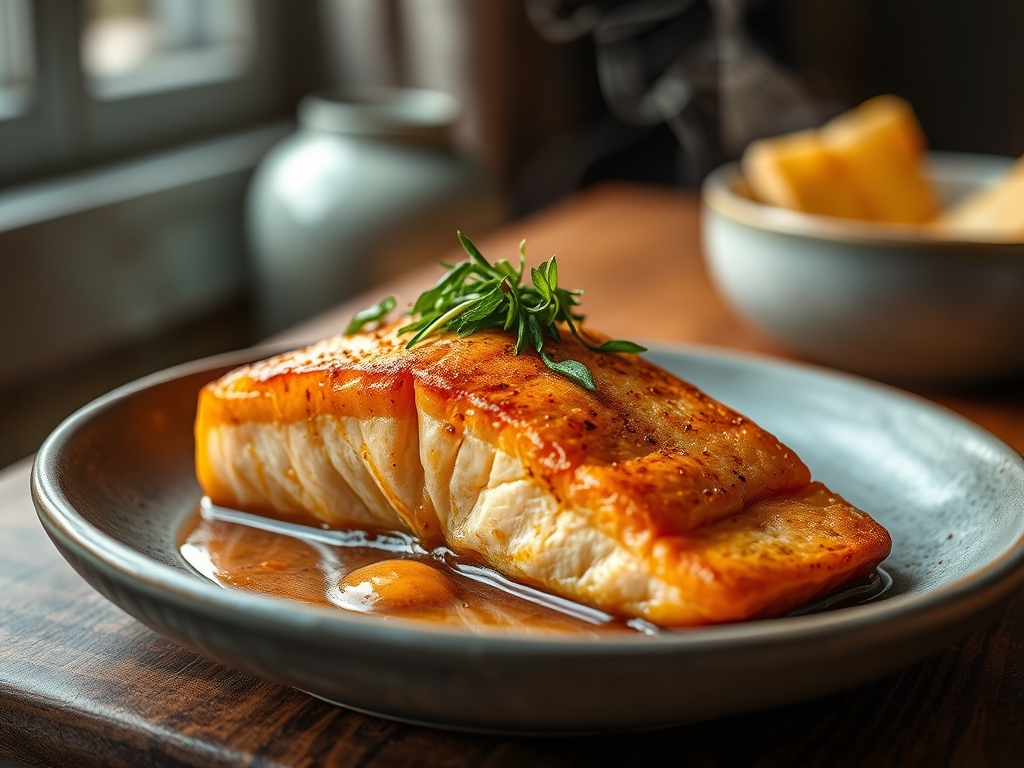
Picture the scene: a heavy-bottomed skillet hissing on the range, the air thick with the scent of caramelized sugars and sea salt. There is something undeniably magnetic about the way a glaze clings to a piece of fish, transforming a simple protein into a masterpiece of texture. If you are hunting for the ultimate collection of sweet salmon recipes, you have landed in the right kitchen. We are moving beyond basic honey-mustard territory into a world where high-viscosity glazes meet scientific precision. We are talking about that perfect, glass-like finish that shatters under a fork to reveal buttery, medium-rare flakes. This is not just cooking; it is an exploration of how heat, sugar, and fat perform a delicate dance on your palate.
The magic of sweet salmon recipes lies in the Maillard reaction, the chemical process that creates those complex, savory-sweet flavor compounds when proteins and sugars are exposed to high heat. When we apply a glaze, we are essentially creating a protective, flavor-dense lacquer that locks in moisture while providing a piquant contrast to the rich, fatty acids of the fish. Whether you prefer a bright apricot ginger finish or a deep, dark maple bourbon reduction, the goal remains the same: achieving a balanced equilibrium between acidity, sweetness, and salt. Get your apron ready; we are about to elevate your weeknight dinner into a five-star culinary event.
The Gathers:
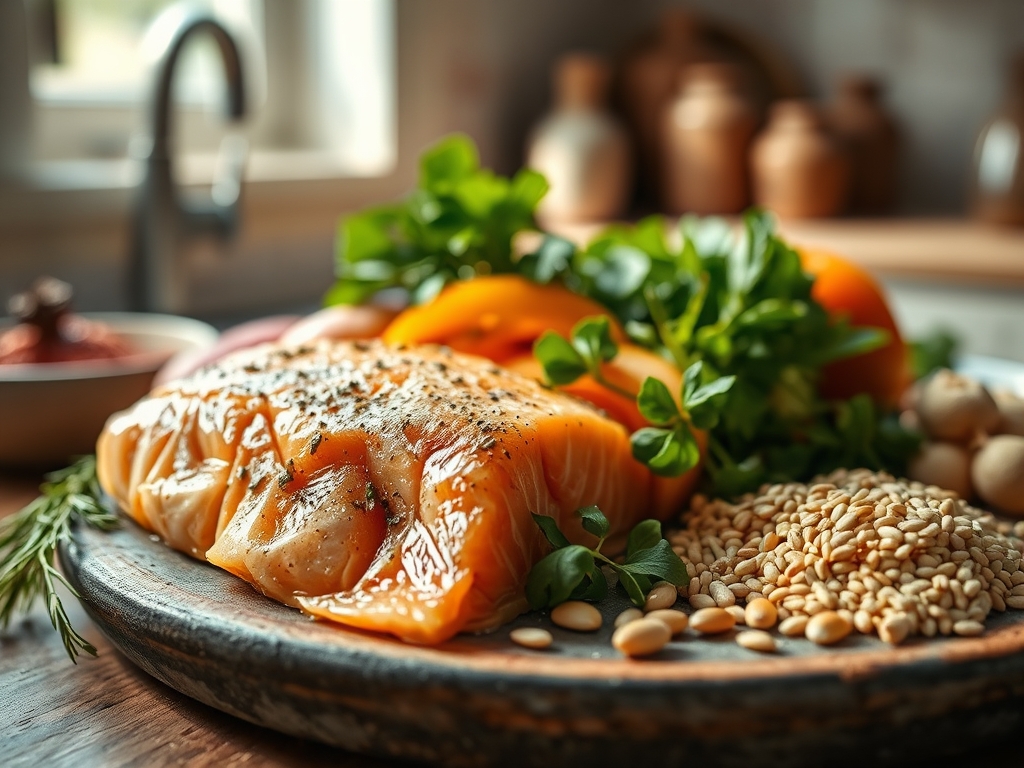
To execute these sweet salmon recipes with professional flair, your mise-en-place must be immaculate. Start with your protein: look for fillets with consistent intramuscular fat (marbling), as this fat will render during the cooking process to provide a silky mouthfeel. You will need a high-quality sweetener to act as the base for your glaze. Honey is a classic choice because its fructose content browns quickly, but maple syrup offers a more complex, earthy profile. For a more avant-garde approach, consider agave or even a reduced pomegranate molasses, which provides a viscous texture and a sharp, fruity bite.
Next, gather your aromatics. Use a microplane to zest fresh citrus and grate ginger into a fine paste; this increases the surface area, allowing the essential oils to infuse the glaze more effectively. You will also need a high-smoke-point oil, such as grapeseed or avocado oil, to ensure you can sear the fish without the oil breaking down and becoming bitter. For the "Smart Substitutions," if you are watching your refined sugar intake, reach for monk fruit syrup or a splash of orange juice reduction. If you lack fresh ginger, a pinch of ground galangal provides a similar peppery heat. Always keep a digital scale nearby to ensure your glaze ratios are exact; precision is the difference between a sauce that runs off the plate and one that coats the back of a spoon.
The Clock:
Mastering the "Chef's Flow" is all about temporal management. For most sweet salmon recipes, you are looking at a total time commitment of 25 minutes. The breakdown is simple: 10 minutes for prep (slicing, zesting, and whisking your glaze in a small saucier) and 12 to 15 minutes for active cooking and resting. The flow begins with tempering your fish; taking the salmon out of the refrigerator 15 minutes before cooking prevents a cold center and ensures even heat distribution.
While the fish tempers, you prepare the glaze. By the time your heavy-bottomed skillet is screaming hot, your glaze should be ready to go. The actual sear takes about 4 minutes per side, followed by a 2-minute glaze reduction phase. Finally, the most overlooked step: the rest. Allowing the fish to sit for 3 minutes after it leaves the heat allows the juices to redistribute through the muscle fibers. If you cut into it immediately, those precious juices will end up on your cutting board instead of in your mouth.
The Masterclass:
1. Prep and Temper the Protein
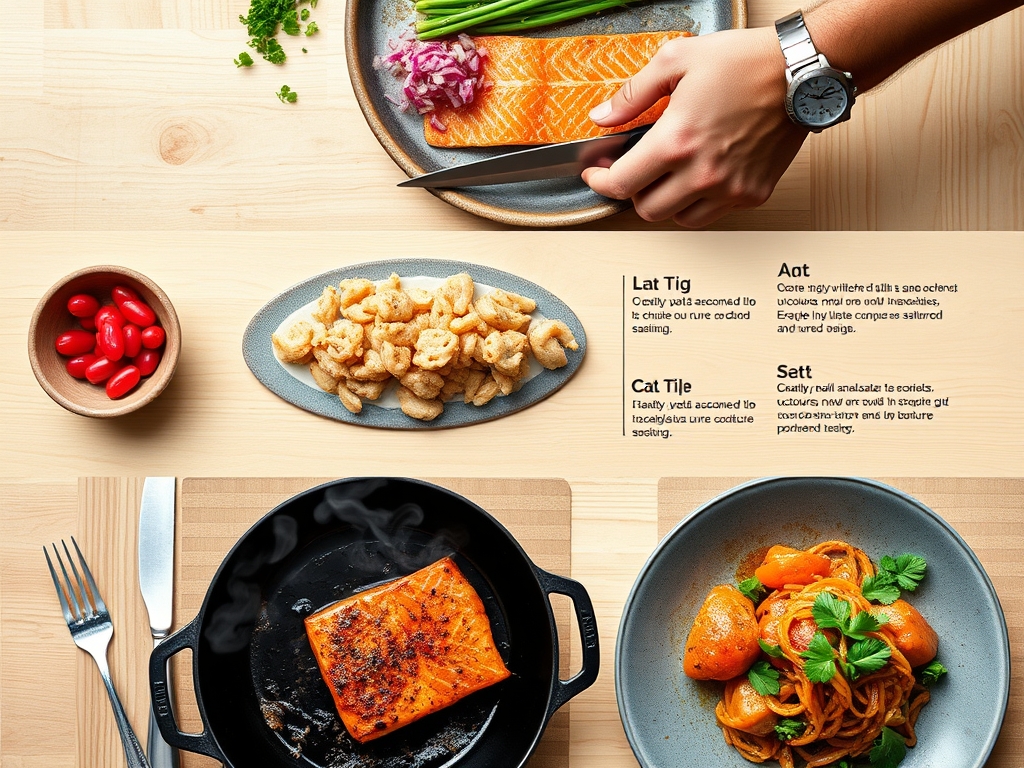
Remove your salmon fillets from the packaging and pat them bone-dry with paper towels. Moisture is the enemy of a good sear; if the surface is damp, the fish will steam rather than brown. Season generously with kosher salt but hold the pepper and sugar-based rubs for now, as they can burn during the initial high-heat phase.
Pro Tip: This is known as surface dehydration. By removing surface moisture, you allow the heat of the pan to immediately begin the Maillard reaction rather than wasting energy evaporating water.
2. The Initial High-Heat Sear
Place your heavy-bottomed skillet over medium-high heat and add your oil. Once the oil shimmers and just begins to reach its smoke point, use tongs to gently lay the fillets skin-side down. Press down lightly with a fish spatula to ensure full contact with the pan.
Pro Tip: This prevents the "protein curl." When fish hits a hot pan, the connective tissues contract. Firm pressure for the first 30 seconds ensures a flat, even crust and crispy skin.
3. The Flip and Emulsification
After about 4 minutes, the skin should be crispy and the flesh opaque halfway up the side. Flip the fillets carefully. Now is the time to add a knob of butter to the pan. As it melts and foams, it helps to baste the fish and adds a nutty depth.
Pro Tip: This is the "Arrosé" technique. Basting with hot fat ensures the top of the fish stays moist and cooks evenly through thermal conduction without overcooking the bottom.
4. Applying the Glaze
Lower the heat to medium and pour your prepared glaze into the skillet. Use a spoon to continuously coat the salmon as the liquid begins to bubble and reduce. The sugars will begin to concentrate, turning the liquid into a thick, clingy syrup.
Pro Tip: Watch for "large bubbles." As water evaporates, the bubbles in your glaze will get larger and slower. This indicates the sugar concentration is high enough to achieve a perfect glaze consistency.
5. The Final Rest and Carryover
Remove the fillets from the pan when they are about 5 degrees below your target internal temperature (usually 125F for medium). Place them on a warm plate and pour the remaining glaze from the skillet over the top.
Pro Tip: This accounts for thermal carryover. Residual heat trapped in the dense muscle fibers will continue to cook the fish even after it is removed from the flame, bringing it to a perfect 130F.
The Deep Dive:
When we look at the macro nutrition of these sweet salmon recipes, we see a powerhouse profile. Salmon is famous for its Omega-3 fatty acids, specifically EPA and DHA, which support heart health. While the glazes add carbohydrates, using natural sweeteners like maple syrup provides trace minerals like manganese and zinc. For those following specific diets, the swaps are easy. Keto followers can utilize allulose-based syrups to mimic the viscosity of honey without the glycemic impact. For a vegan alternative, the same glaze techniques work beautifully on thick slabs of "watermelon steak" or firm tofu.
The "Fix-It" guide for common pitfalls:
- The Glaze is Too Runny: Your pan wasn't hot enough or you didn't cook it long enough. Fix: Remove the fish and boil the sauce solo in the saucier until it coats a spoon.
- The Sugar Burnt: The heat was too high after the glaze was added. Fix: Deglaze the pan with a splash of water or citrus juice immediately to loosen the bitter bits and thin the sauce.
- The Skin is Soggy: You glazed the skin side. Fix: Only glaze the flesh side and keep the crispy skin side elevated and dry.
For meal prep, reheating salmon is a science. Avoid the microwave, which turns the fats rancid and the texture rubbery. Instead, use a toaster oven at 275F with a splash of water covered in foil. This creates a gentle steam environment that re-hydrates the glaze without overcooking the delicate protein.
The Wrap-Up:
Mastering sweet salmon recipes is a total game-changer for any home cook looking to impress. By understanding the relationship between heat and sugar, you move from following a recipe to commanding the kitchen. You now have the technical knowledge to sear with confidence, glaze with precision, and serve a meal that is as beautiful as it is delicious. Remember, the best dishes come from a place of curiosity and a willingness to experiment with flavors. So, grab your tongs, fire up that skillet, and let the caramelization begin. Your kitchen is about to smell like absolute heaven.
The Kitchen Table:
How do I prevent the honey from burning in my glaze?
Add the honey-based glaze during the final two minutes of cooking. Lower the heat to medium-low and use the "Arrosé" technique to baste the fish, ensuring the sugars thicken into a syrup without reaching the carbonization point.
Can I use frozen salmon for these recipes?
Yes, but you must thaw it completely in the refrigerator and pat it extremely dry. Frozen fish often releases more albumin (white protein), so a thorough drying process and a hot pan are essential for a professional finish.
What is the best way to store leftover glazed salmon?
Store leftovers in an airtight glass container for up to two days. Keep the extra glaze in a separate small jar to prevent the fish from becoming mushy, then re-apply the glaze during the gentle reheating process.
What side dishes pair best with sweet salmon?
Balance the sweetness with acidity or bitterness. Smashed cucumbers with rice vinegar, charred broccolini with lemon zest, or a wild rice pilaf with toasted almonds provide the perfect textural and flavor contrast to the rich, glazed fish.