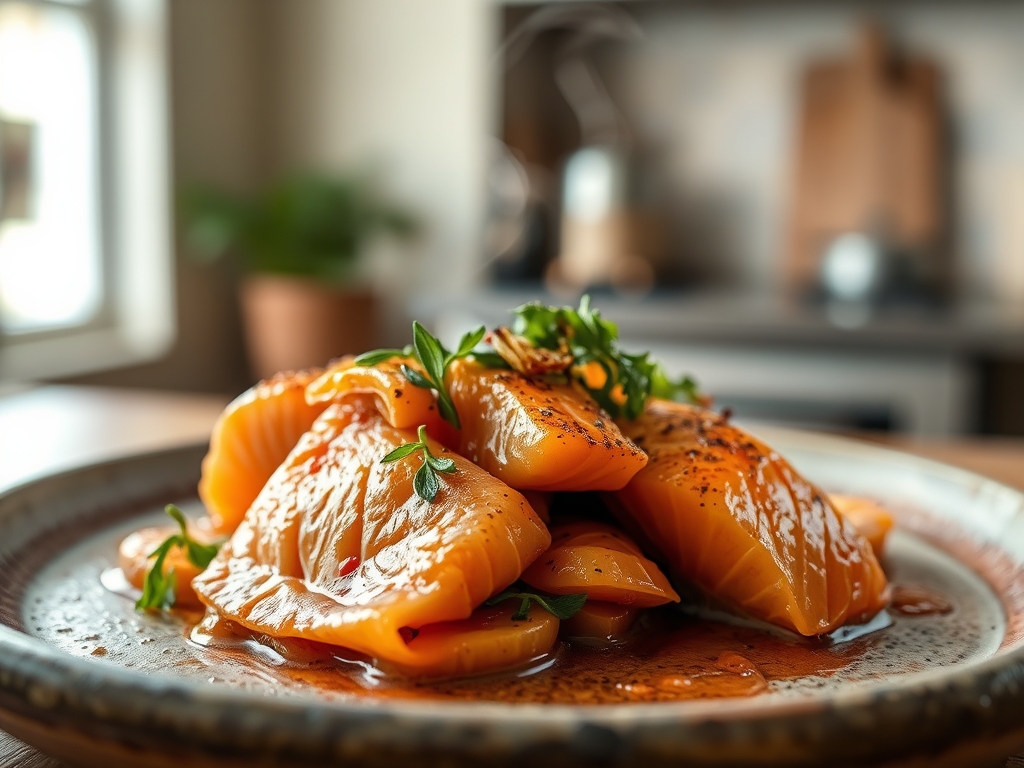
Imagine the first time you pull a cold, vacuum-sealed package of lox from the fridge; the way the light catches those translucent, coral-colored ribbons of fat. Smoked salmon is a miracle of food science. It represents the perfect marriage of salt-curing and cold-smoking, a process that denatures proteins while preserving a silky, melt-on-the-tongue texture. If you are tired of the same old bagel routine, diving into smoked salmon recipes salad options is the ultimate culinary pivot. We are talking about high-octane greens, zesty citrus vinaigrettes, and that specific, fatty richness that only a well-cured fish can provide. This is not just a light lunch; it is a masterclass in balancing salt, acid, and fat. Whether you are aiming for a classic Nicoise riff or a modern avocado-heavy bowl, these eight variations will transform your perception of "salad" from a side dish into a sophisticated, protein-dense main event. Let us get into the grit of the prep, the chemistry of the dressing, and the art of the assembly.
The Gathers:
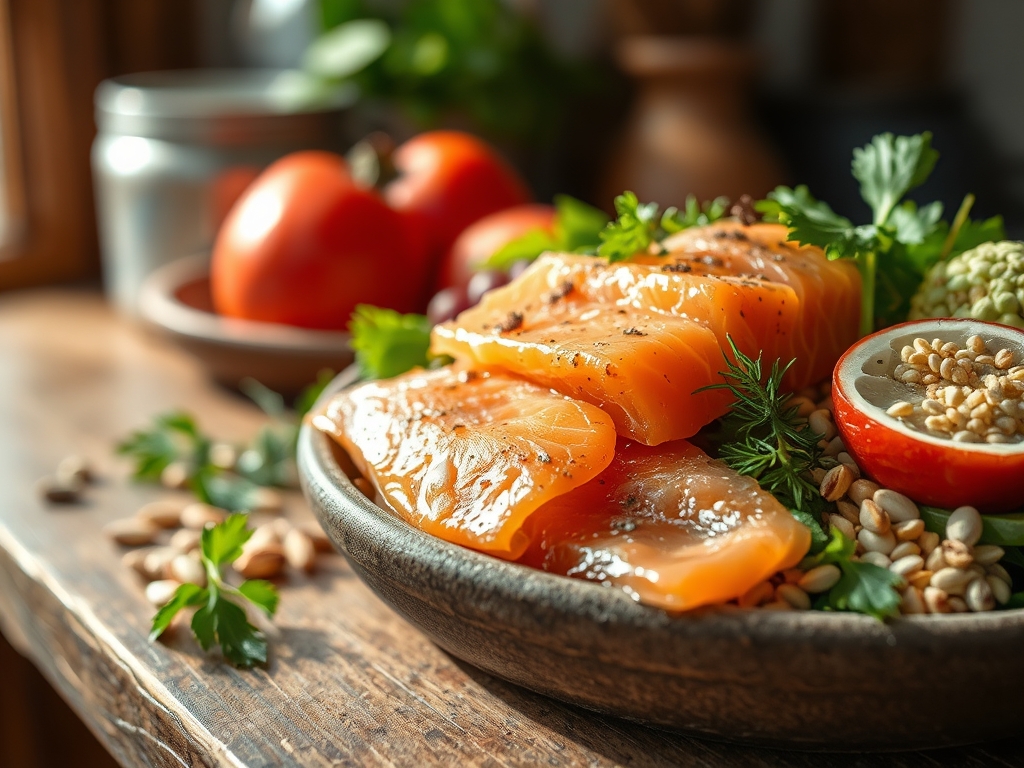
To execute these smoked salmon recipes salad variations, your mise-en-place must be surgical. Start with the star: 12 ounces of cold-smoked Atlantic salmon. Look for "dry-cured" labels to ensure a firmer texture. You will need a base of hydroponic butter lettuce or peppery arugula to provide a structural contrast to the soft fish. For the crunch factor, gather English cucumbers (lower water content means less dilution of your dressing) and quick-pickled red onions.
Your pantry needs to be stocked with high-quality lipids and acids. Grab a bottle of cold-pressed extra virgin olive oil and a bright white balsamic or champagne vinegar. To add depth, include capers for a piquant punch and fresh dill for those essential aromatic oils.
Smart Substitutions:
If you cannot find cold-smoked salmon, a "hot-smoked" variety offers a flakier, cooked texture that holds up well in grain-based salads. For a dairy-free creamy element, swap traditional creme fraiche for a viscous cashew cream infused with lemon zest. If you are avoiding nightshades, replace red pepper flakes with a dusting of toasted Aleppo pepper for a milder, earthy heat.
The Clock
Efficiency in the kitchen is about "Chef's Flow." For these salads, your total active time is roughly 15 minutes, with a total turnaround of 20 minutes if you are pickling onions from scratch.
The flow begins with the "Cold Prep." Since smoked salmon is a ready-to-eat protein, you are not fighting a ticking clock against heat. However, the science of osmosis means that once you salt your vegetables, they begin to weep water. To maintain a crisp bite, you must wash and spin your greens in a salad spinner until bone-dry, then chill them. Prepare your dressings in a small saucier or glass jar at least ten minutes ahead of time to allow the dry spices to infuse into the oil. The final assembly happens seconds before serving to prevent the delicate salmon fats from oxidizing or the greens from wilting under the weight of the dressing.
The Masterclass
1. The Foundation of Greens
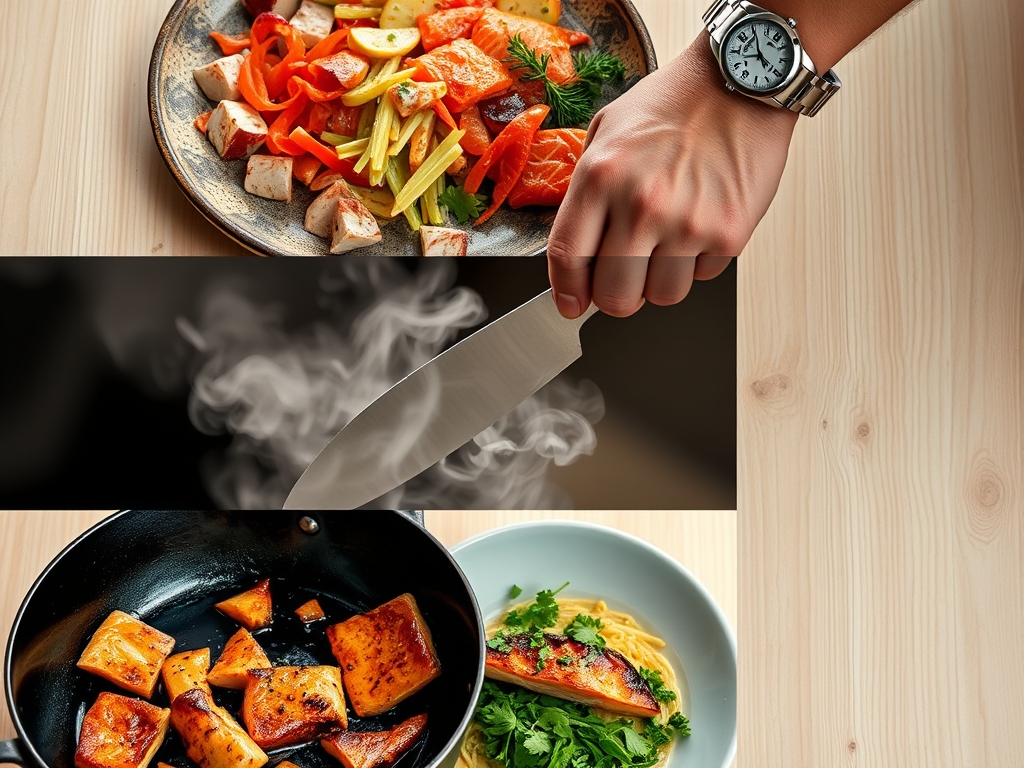
Start by selecting a mix of textures. Use a sharp chef knife to chiffonade larger leaves. Place them in a large stainless steel mixing bowl. Use tongs to gently toss the greens with a pinch of sea salt.
Pro Tip: This is called "seasoning the base." The salt draws out a microscopic amount of moisture, which helps the oil-based dressing adhere to the leaf surface rather than sliding off to the bottom of the bowl.
2. Emulsifying the Vinaigrette
In a small bowl, combine your acid, mustard, and aromatics. Slowly stream in your oil while whisking vigorously with a balloon whisk to create a stable emulsion. You want the dressing to be thick enough to coat the back of a spoon.
Pro Tip: Use a microplane to grate a clove of garlic directly into the acid. The low pH of the vinegar neutralizes the harsh enzymes in the garlic, preventing that bitter "garlic breath" afterburn.
3. Precision Protein Slicing
Lay your salmon flat on a clean cutting board. Use a bench scraper to move delicate pieces if they become too tacky. Slice the salmon into bite-sized ribbons or "roses" to maximize surface area for the dressing to cling to.
Pro Tip: Keep the salmon chilled until the very last second. Cold fats are more stable; if the salmon reaches room temperature too quickly, the healthy Omega-3 oils begin to render, resulting in a greasy mouthfeel rather than a silky one.
4. The Structural Layering
Add your "heavy" ingredients first; cucumbers, radishes, and blanched asparagus. Toss these with half of your dressing. This ensures every nook and cranny is seasoned before the delicate salmon is introduced.
Pro Tip: This prevents "mechanical bruising" of the tender salmon. By coating the hardy vegetables first, you reduce the amount of tossing required once the fish is added.
5. The Final Garnish and Aeration
Lay the salmon pieces on top of the dressed greens. Add your soft elements like avocado slices or soft-boiled eggs. Use your hands or large tongs to lift and drop the salad several times to aerate the mixture.
Pro Tip: Aeration prevents the salad from becoming a dense, soggy mass. It traps air between the leaves, giving the plate volume and making the flavors feel lighter on the palate.
The Deep Dive
Macro Nutrition:
Smoked salmon is a powerhouse of high-quality protein and essential fatty acids. A standard serving provides roughly 20g of protein and 10g of healthy fats. When paired with fibrous greens, you are looking at a low-glycemic meal that provides sustained energy without the insulin spike of a carb-heavy dish.
Dietary Swaps:
For a Keto version, double the avocado and omit any honey or sugar from the dressing. Vegan diners can replicate the "smoked" profile by using thinly sliced carrots marinated in liquid smoke, maple syrup, and soy sauce. If you are Gluten-Free, simply ensure your smoked salmon brand does not use barley malt as a sweetener in the curing process.
The Fix-It:
- Soggy Greens: If your salad is swimming in liquid, you likely salted the cucumbers too early. Fix: Add a handful of dry arugula to absorb the excess moisture.
- Overly Salty: Smoked salmon is inherently high in sodium. Fix: Increase the acid (lemon juice) or add a dollop of unsalted Greek yogurt to neutralize the salt perception.
- Broken Dressing: If the oil and vinegar separate, add a teaspoon of Dijon mustard and whisk again. The mustard acts as a natural emulsifier.
Meal Prep:
To maintain "day-one" quality, store the salmon, greens, and dressing in three separate airtight containers. Do not slice the avocado until you are ready to eat to prevent enzymatic browning. When ready, simply combine and toss.
The Wrap-Up
Mastering smoked salmon recipes salad is about more than just tossing things in a bowl; it is about respecting the delicate chemistry of the ingredients. You have the salt from the cure, the fat from the fish, and the crisp structure of the greens. By using professional tools like a microplane for your aromatics and a saucier for your dressings, you elevate a simple lunch into a gourmet experience. This dish is vibrant, sophisticated, and incredibly satisfying. Now, go grab your tongs and start tossing!
The Kitchen Table
How do I stop my smoked salmon from sticking together?
Place the salmon in the freezer for five minutes before slicing. The cold firms up the fats, making the ribbons easier to separate with a bench scraper or your fingers without tearing the delicate flesh.
Can I use frozen smoked salmon for salads?
Yes, but thaw it slowly in the refrigerator. To avoid a mushy texture, pat the thawed salmon dry with a paper towel to remove excess moisture before adding it to your aerated greens and dressing.
What is the best way to store leftover salad?
Unfortunately, fully dressed salads do not store well because of osmosis. For the best results, only dress the portion you plan to eat immediately. Store undressed components in separate airtight containers for up to two days.
Is smoked salmon actually "cooked"?
Cold-smoked salmon is cured in salt and then exposed to smoke at temperatures below 80 degrees Fahrenheit. It remains technically raw but is preserved. Hot-smoked salmon is cooked through and has a firm, flaky texture.