
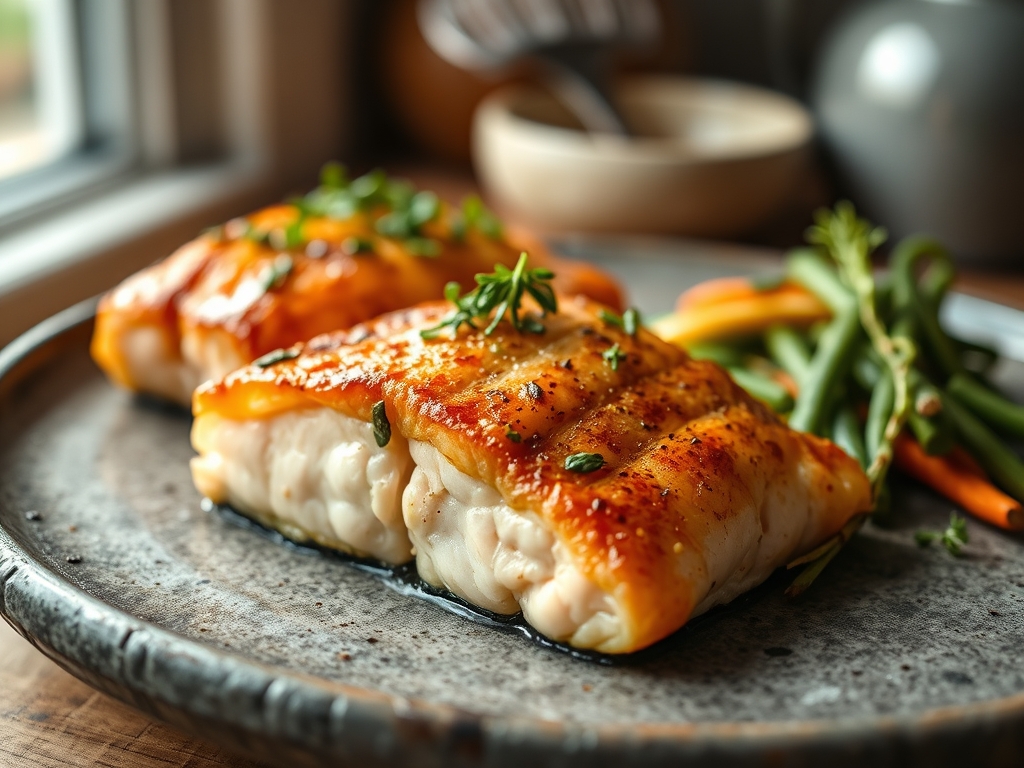
Imagine the sizzle of cold, fatty protein hitting a screaming hot cast iron surface while the verdant, earthy aroma of garden fresh squash fills your kitchen. It is the ultimate culinary marriage. When you master zucchini salmon recipes, you are not just making dinner; you are balancing the delicate, flaky lipids of the sea with the high water content of summer produce. This pairing is a masterclass in texture and temperature.
The secret lies in the contrast. Salmon offers a rich, buttery mouthfeel that requires a bright, crisp counterpoint to prevent the palate from becoming overwhelmed. Zucchini, with its neutral profile and ability to absorb flavors, acts as the perfect sponge for citrus, herbs, and healthy fats. Whether you are spiralizing them into noodles or slicing them into thin ribbons, these two ingredients are the backbone of a high performance kitchen. We are going to dive into the molecular mechanics of how to keep your fish moist and your vegetables snap-fresh every single time.
The Gathers:
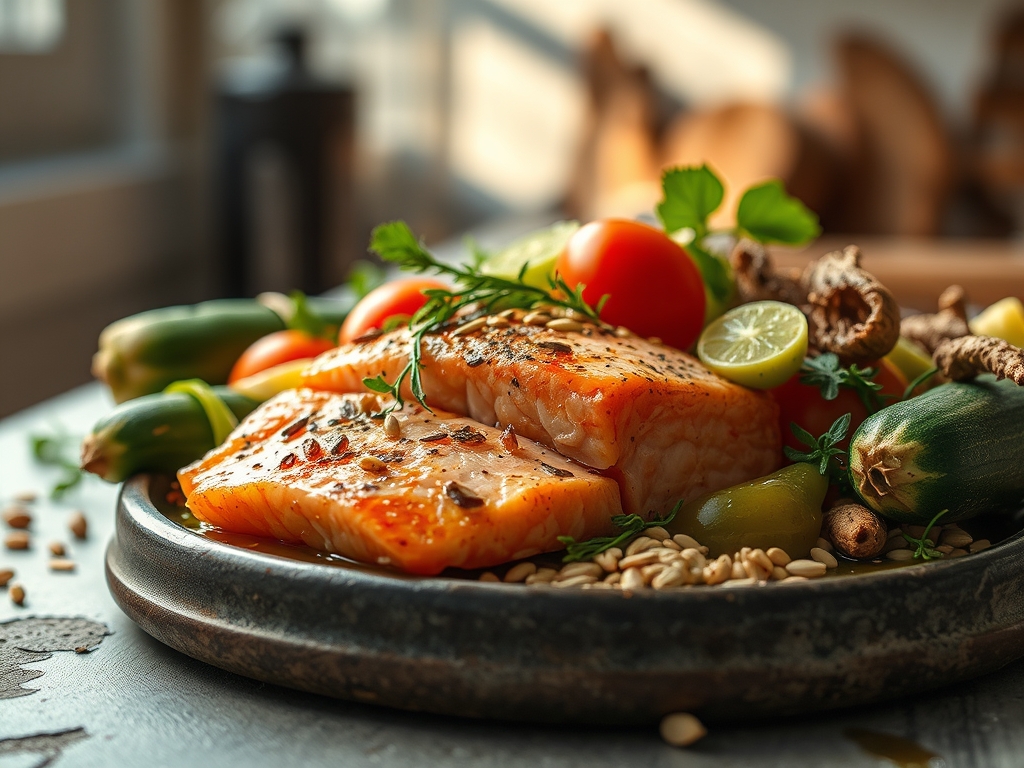
Before we ignite the burners, we must respect the mise-en-place. Your workstation should look like a laboratory. Start with high quality Atlantic or Sockeye salmon fillets; look for deep pigmentation and firm flesh that bounces back when pressed. You will need a digital scale to ensure even portioning, which is the first step toward consistent cooking times. For the zucchini, select medium specimens. Larger ones tend to be fibrous and hold too much water in their seed cavity, which can lead to a soggy mess.
Your pantry staples are just as vital. You will need a high smoke point oil, such as avocado or grapeseed oil, to facilitate the Maillard reaction without scorching. Grab your microplane for zesting lemons and grating garlic into a fine, aromatic paste. For seasoning, use flaky sea salt to provide a textural crunch and freshly cracked black pepper. Smart Substitutions: If you are out of zucchini, yellow summer squash is a botanical twin with a slightly sweeter profile. If salmon is unavailable, steelhead trout offers a nearly identical fat content and flavor profile that works beautifully with these techniques.
The Clock: Chef's Flow
Efficiency in the kitchen is about managing your "Chef's Flow." Total active preparation for most zucchini salmon recipes should take no more than 15 minutes, with a cooking window of 10 to 12 minutes. The goal is to synchronize the two components so they finish simultaneously.
Salmon requires a period of "tempering." Take the fish out of the refrigerator 20 minutes before cooking to take the chill off. This ensures the center reaches the target temperature without the exterior becoming overcooked and rubbery. While the fish tempers, use your bench scraper to organize your chopped zucchini. This prevents the vegetables from oxidizing and keeps your board clear for the final plating.
The Masterclass:
1. The Surface Prep
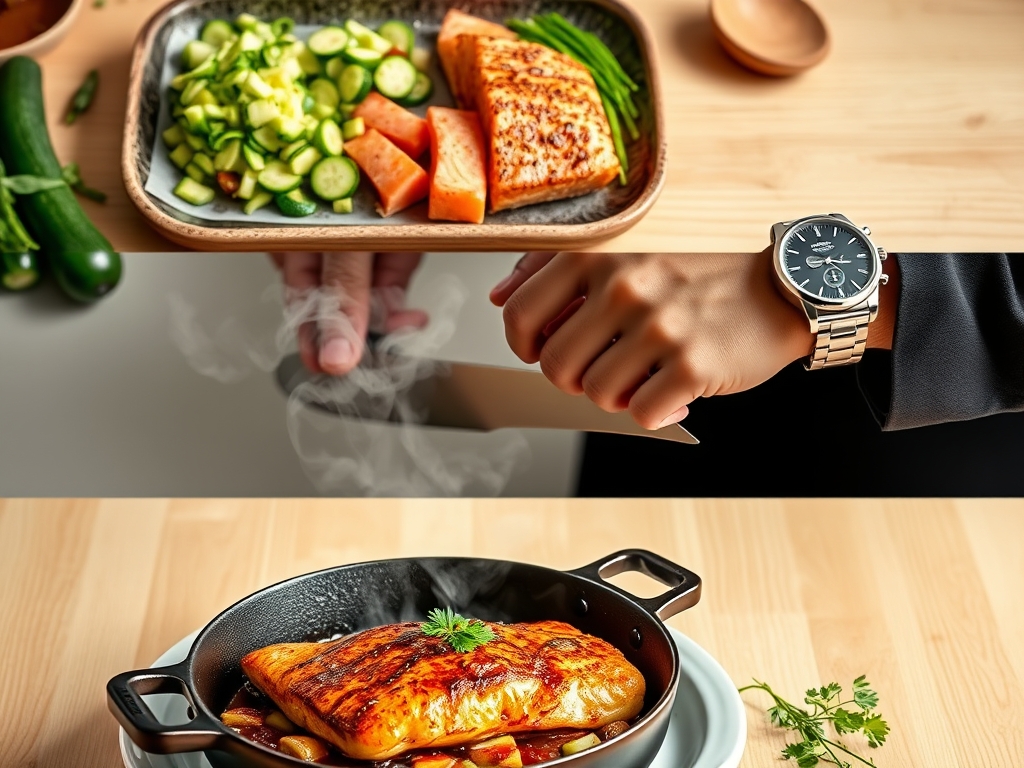
Dry your salmon fillets aggressively using paper towels. Moisture is the enemy of a crisp crust. If the skin is damp, it will steam rather than sear, resulting in a flabby texture. Use a sharp knife to score the skin slightly; this prevents the fillet from curling as the proteins contract under heat.
Pro Tip: This technique utilizes evaporative cooling principles. By removing surface moisture, the energy from your pan goes directly into browning the proteins rather than boiling away water.
2. The Sear
Heat a heavy-bottomed skillet over medium-high heat until the oil shimmers but does not smoke. Place the salmon skin-side down and press firmly with a flexible spatula for 30 seconds. This ensures total contact with the heat source. Leave it alone for about 5 to 6 minutes.
Pro Tip: Watch for the opacity crawl. You can see the heat moving up the side of the fish. When it reaches the halfway point, it is time to flip. This visual cue is more reliable than a timer.
3. The Zucchini Integration
Once you flip the fish, toss your zucchini ribbons into the same pan. The squash will deglaze the pan, picking up the rendered salmon fats and browned bits known as fond. Use tongs to keep the zucchini moving so it softens without losing its structural integrity.
Pro Tip: Zucchini contains a high percentage of water. By adding it late in the process, you utilize flash sautéing to soften the cellulose without turning the vegetable into a puree.
4. The Emulsion Finish
Turn off the heat and add a knob of cold butter and a squeeze of lemon juice. Swirl the pan to create a viscous sauce that coats both the fish and the vegetables. This is the moment to add your fresh herbs, like dill or parsley, so they infuse the oil without burning.
Pro Tip: This relies on carryover cooking. The internal temperature of the salmon will continue to rise by 5 to 10 degrees after you remove it from the heat. Pulling it at 125 degrees Fahrenheit ensures a perfect medium-rare finish.
The Deep Dive:
From a nutritional standpoint, this pairing is a powerhouse. You are looking at roughly 35 grams of protein and a significant dose of Omega-3 fatty acids per serving. Because zucchini is incredibly low in calories, you can eat a high volume of it, making this a staple for Keto and Paleo lifestyles. For a Vegan swap, firm tofu pressed and seared with the same lemon-herb profile mimics the experience, while Gluten-Free diners can rest easy as this is a naturally grain-free meal.
Let's talk about "The Fix-It." If your salmon is sticking to the pan, do not force it. This usually means the proteins have not finished the denaturation process; give it another 30 seconds and it will release naturally. If your zucchini is too watery, salt it in a colander for 10 minutes before cooking to draw out excess moisture. If the fish tastes "fishy," it likely sat in its own juices; a quick rinse and a thorough pat dry before cooking usually solves this.
For meal prep, the science of reheating is crucial. Never use a microwave for salmon; it vibrates the fat molecules too violently and ruins the texture. Instead, use a low oven (275 degrees) with a splash of water and a cover to create a gentle steam environment that restores the "day-one" flake.
The Wrap-Up:
Mastering zucchini salmon recipes is your ticket to being the most sophisticated cook in your friend group. It is fast, scientifically sound, and visually stunning. By focusing on the Maillard reaction for the fish and the delicate sauté of the squash, you create a balanced plate that feels indulgent yet light. Remember to trust your tools, watch your temperatures, and always finish with a hit of acid to make those flavors pop. Now, get that skillet hot and show that salmon who is boss!
The Kitchen Table:
How do I prevent my zucchini from getting soggy?
Salt your sliced zucchini and let it sit for ten minutes in a colander. This uses osmosis to pull out excess water. Pat the slices dry before hitting the hot pan to ensure a crisp, golden sear instead of steaming.
What is the best way to tell if salmon is done?
Use a digital thermometer to check for an internal temperature of 125 to 130 degrees Fahrenheit. Alternatively, press the top of the fillet; if the flakes begin to separate easily under light pressure, the connective tissue has dissolved.
Can I cook zucchini and salmon in one pan?
Yes, this is ideal for flavor. Sear the salmon first to develop a crust. Once flipped, add the zucchini to the perimeter. The vegetables will absorb the rendered fats from the fish, creating a cohesive and deeply flavorful dish.
How do I get crispy salmon skin every time?
Start with a cold pan or a very dry skin surface. Use a heavy-bottomed skillet and press the fish down with a spatula for the first thirty seconds. This prevents the skin from curling and ensures maximum surface contact for even browning.