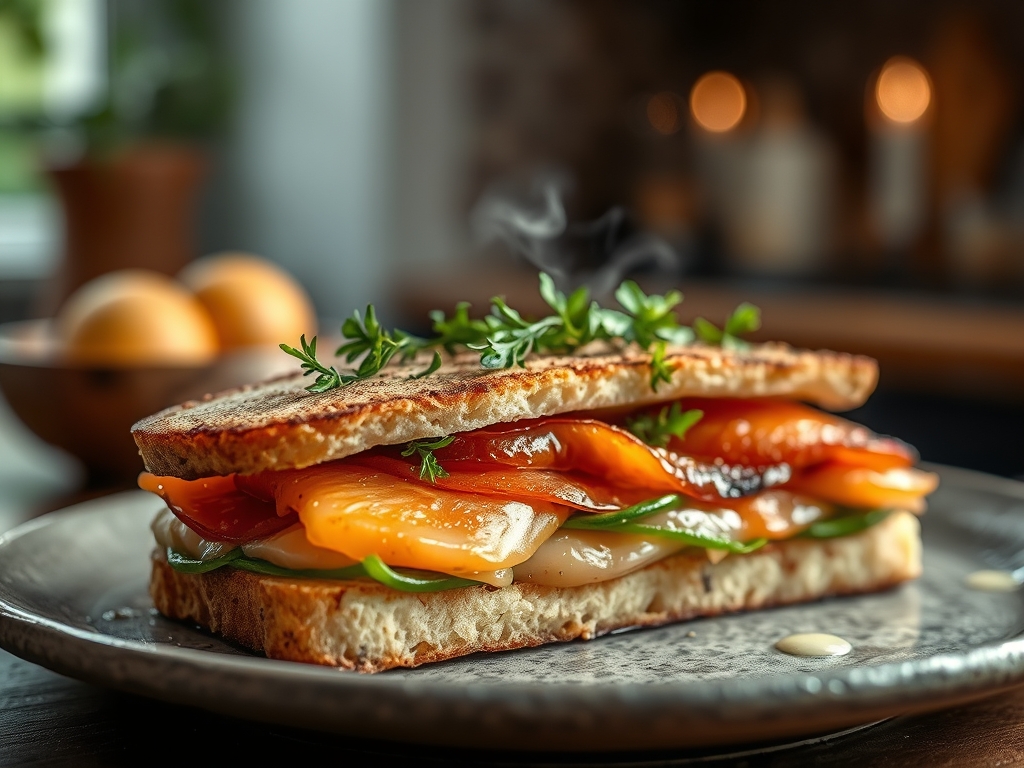
Imagine the scent of cold-smoked Atlantic salmon meeting the sharp, acidic zing of pickled shallots and the earthy warmth of toasted sourdough. It is a sensory collision that defines the perfect brunch. When you are hunting for the ultimate smoked salmon recipes sandwich, you are not just looking for a snack; you are looking for a masterclass in texture and lipid-balanced flavor profiles. We are going to build six of these masterpieces in under fifteen minutes. Whether you are hosting a frantic morning gathering or treating yourself to a high-protein lunch, the secret lies in the assembly. We are moving beyond the basic bagel and cream cheese. We are going to manipulate proteins and fats to create something truly transcendent. Grab your apron; we have some culinary physics to discuss.
The Gathers:
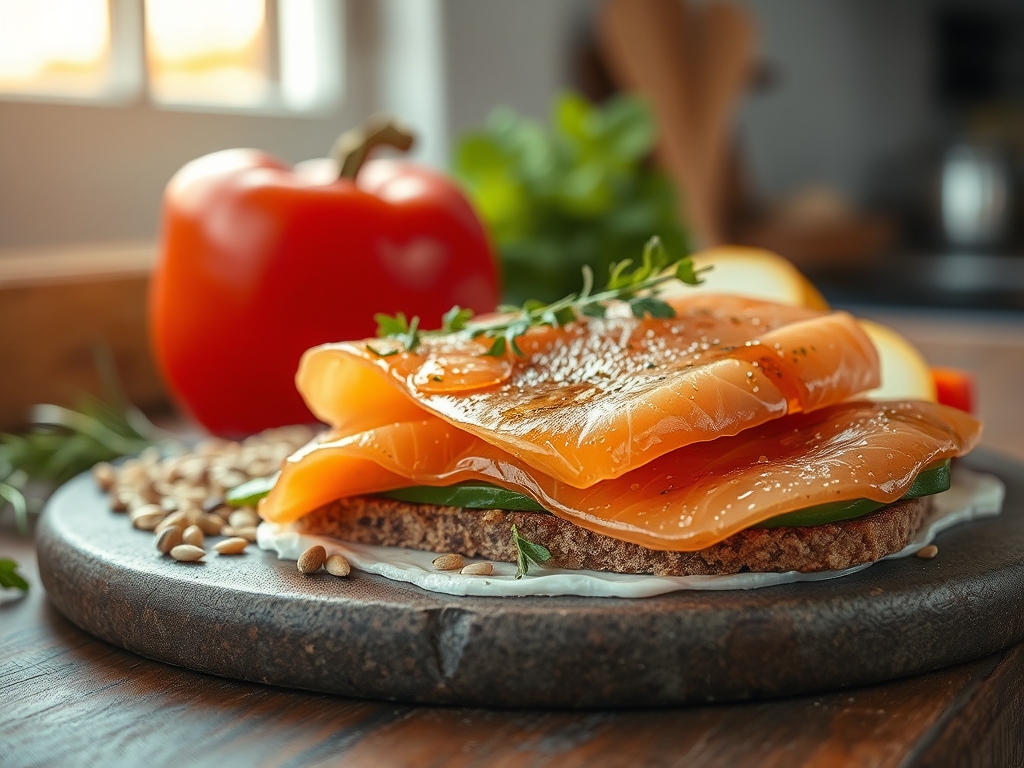
To execute these smoked salmon recipes sandwich variations, your mise-en-place must be precise. Start with 12 ounces of premium cold-smoked salmon. Look for "Lox" or "Nova" style, which offers a silken, viscous texture due to the low-temperature curing process. For the base, select a high-hydration sourdough or a dense rye. These breads provide the structural integrity needed to support moist fillings without becoming sodden.
You will need a high-fat dairy component to act as a moisture barrier. Use a full-fat cream cheese or a cultured creme fraiche. For the aromatics, gather fresh dill, capers, and red onions. The onions should be sliced into paper-thin translucent rounds using a mandoline to ensure they provide a piquant snap without overpowering the delicate fish.
Smart Substitutions:
If you are avoiding dairy, a whipped avocado mash seasoned with lemon juice and sea salt provides the necessary lipid density to mimic cream cheese. For those who find capers too aggressive, try chopped cornichons or a splash of white balsamic vinegar to provide that essential acid hit. If sourdough is unavailable, a toasted ciabatta offers a similar cellular structure that traps sauces effectively.
The Clock:
Efficiency in the kitchen is about the Chef's Flow. This is the art of overlapping tasks to minimize downtime.
Prep Time: 8 Minutes.
Assembly Time: 5 Minutes.
Total Time: 13 Minutes.
The flow begins with the bread. While your slices are under the broiler or in the toaster, you should be fine-tuning your spreads. By the time the bread has achieved the desired Maillard reaction (that golden-brown crust), your salmon should be tempered to room temperature. Cold salmon straight from the fridge can mute the flavor of the fats; letting it sit for five minutes allows the oils to soften, enhancing the mouthfeel.
The Masterclass:
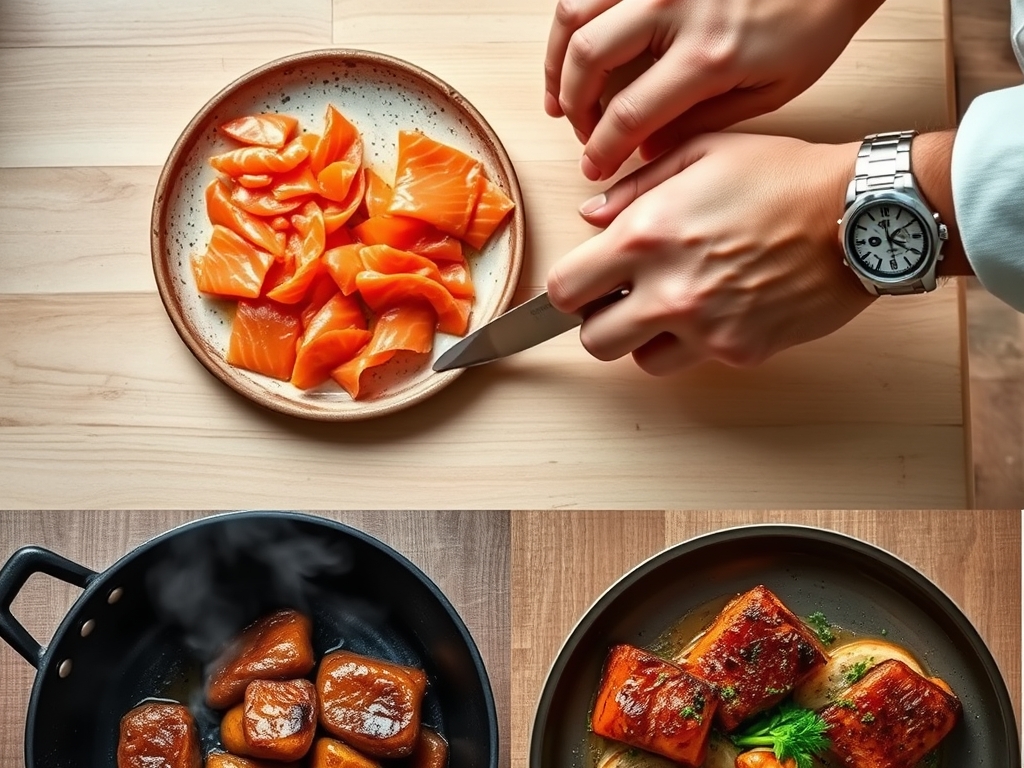
1. The Foundation Toast
Place your bread slices on a cooling rack rather than a flat plate. This prevents steam from being trapped underneath, which would otherwise turn your crisp crust into a soggy mess. Use a serrated bread knife to ensure clean edges without crushing the internal crumb structure.
Pro Tip: This prevents retrogradation, where starch molecules realign and toughen. By elevating the bread, you maintain a crisp exterior while keeping the interior soft and aerated.
2. The Lipid Barrier
Apply a generous layer of cream cheese or herbed butter from edge to edge. This is not just for flavor; it is a functional waterproof coating. Use an offset spatula to get a perfectly even distribution of the spread.
Pro Tip: This layer prevents the moisture from the salmon and vegetables from migrating into the bread. This scientific principle of hydrophobic barriers ensures your sandwich stays structural for hours.
3. The Protein Ribboning
Do not lay the salmon flat. Instead, fold and drape the slices to create height and air pockets. This "ribboning" technique increases the surface area that hits your palate, making the sandwich feel more substantial and luxurious.
Pro Tip: Creating air pockets allows for better aromatic release. As you bite down, the air trapped between the folds carries the scent of the smoke directly to your olfactory receptors.
4. The Acidic Counterpoint
Add your capers, thinly sliced onions, and a squeeze of fresh lemon juice. Use a microplane to zest a bit of lemon peel over the top for an intense hit of citrus oil without the bitterness of the pith.
Pro Tip: The acid in the lemon and capers works to denature the proteins slightly on the surface of the fish while cutting through the heavy fats of the salmon and cheese, creating a balanced pH on the palate.
5. The Herb Infusion
Top with fresh dill or chives. Do not chop them too finely; larger sprigs of dill provide a structural element and a burst of freshness.
Pro Tip: Fresh herbs contain volatile oils that dissipate quickly. By keeping the leaves larger, you delay the evaporative loss of these flavors until the moment you actually chew the sandwich.
6. The Final Seasoning
A pinch of flaky sea salt and cracked black pepper is the finishing touch. Use a digital scale if you are prepping in bulk to ensure consistency, though a pinch by hand is usually sufficient for six sandwiches.
Pro Tip: Salt acts as a flavor enhancer by suppressing bitterness and highlighting the sweetness of the salmon. Flaky salt provides a textural contrast that fine table salt cannot match.
The Deep Dive:
Macro Nutrition: Each sandwich typically contains 320 calories, 18g of protein, 12g of healthy fats (Omega-3s), and 25g of carbohydrates. It is a powerhouse of brain-boosting nutrients.
Dietary Swaps:
- Vegan: Substitute salmon with thinly sliced, marinated, and smoked carrots. Use a cashew-based cream cheese.
- Keto: Replace the bread with large cucumber slices or "chaffles" made from egg and cheese.
- Gluten-Free: Use a high-quality GF seeded bread or a sturdy grain-free wrap.
The Fix-It:
- The Soggy Bottom: Your bread was too warm when you applied the spread. Let it cool for 30 seconds first.
- Overpowering Onion: Soak your sliced onions in ice water for five minutes to leach out the harsh sulfur compounds.
- Fishy Aftertaste: This usually means the salmon is too warm. Ensure it stays chilled until right before the assembly flow begins.
Meal Prep: If you are making these ahead of time, do not add the lemon juice or salt until the moment of consumption. Salt draws out moisture via osmosis, which will make the salmon weep and the bread soft. Wrap tightly in parchment paper rather than plastic to allow the sandwich to breathe.
The Wrap-Up:
Creating the perfect smoked salmon recipes sandwich is an exercise in balancing the heavy with the bright. By understanding the physics of the lipid barrier and the chemistry of acid, you have transformed a simple toast into a gourmet experience. These six sandwiches are proof that "fast food" can be sophisticated, nutrient-dense, and visually stunning. Now, take that offset spatula, trust your instincts, and go dominate your kitchen.
The Kitchen Table:
How do I keep the bread from getting soggy?
Apply a thick layer of high-fat spread like cream cheese or butter from edge to edge. This creates a hydrophobic barrier that prevents moisture from the salmon from soaking into the bread fibers.
What is the best bread for smoked salmon?
A sturdy sourdough or a dense rye is ideal. These breads have a strong cellular structure and high acidity, which complements the rich fats in the salmon and stands up to the moisture of the toppings.
Can I make these sandwiches the night before?
It is best to assemble them fresh. However, you can prep the ingredients ahead of time. If you must assemble, wrap them in parchment paper to manage moisture migration and wait to add lemon juice until serving.
Why does my smoked salmon taste too salty?
The saltiness is often intensified by the capers or the bread. To fix this, add a "fatty" buffer like avocado or extra cream cheese, which coats the tongue and dulls the sodium perception.