
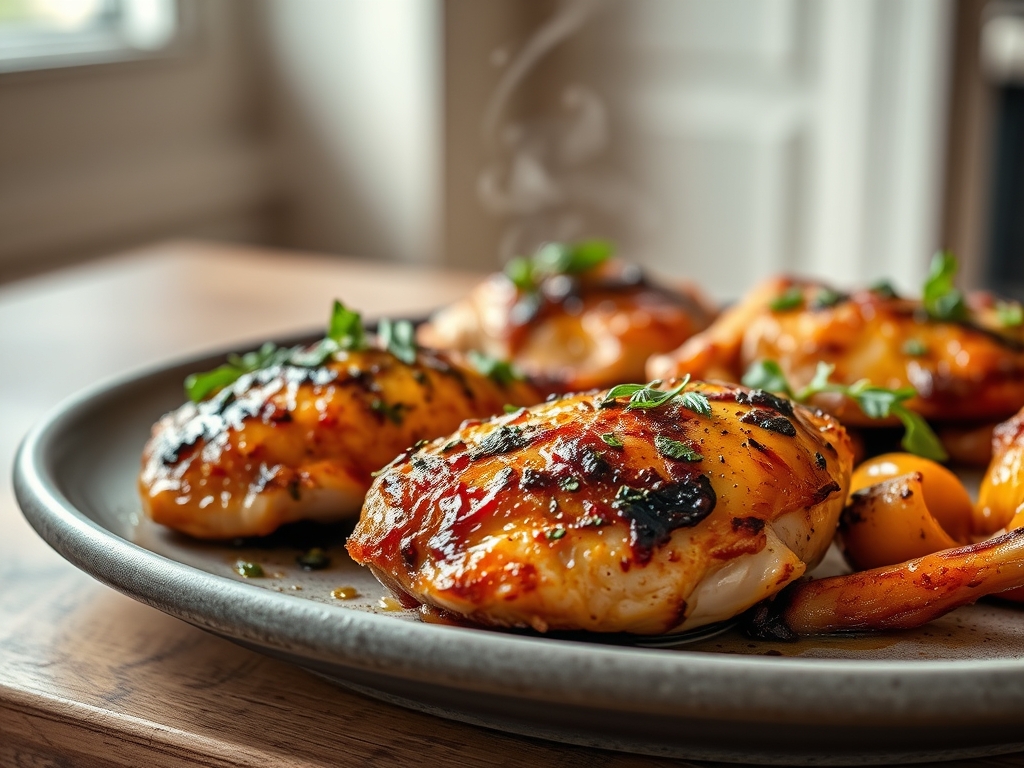
Imagine the sound of a heavy rimmed baking sheet sliding into a preheated oven; it is the definitive click of a successful evening. There is a specific, intoxicating perfume that fills a kitchen when poultry fat begins to render alongside aromatics. These sheet pan chicken recipes are not just about convenience; they are about mastering the elegant physics of a single heat source.
The beauty of a one-pan meal lies in the communal bath of flavors. When you roast protein and vegetables together, you are creating a self-basting ecosystem. The juices from the chicken infuse the produce, while the dry heat of the oven dehydrates the skin to a shatter-crisp finish. It is the ultimate weeknight strategy for the modern, busy epicurean who refuses to sacrifice the integrity of a well-composed plate.
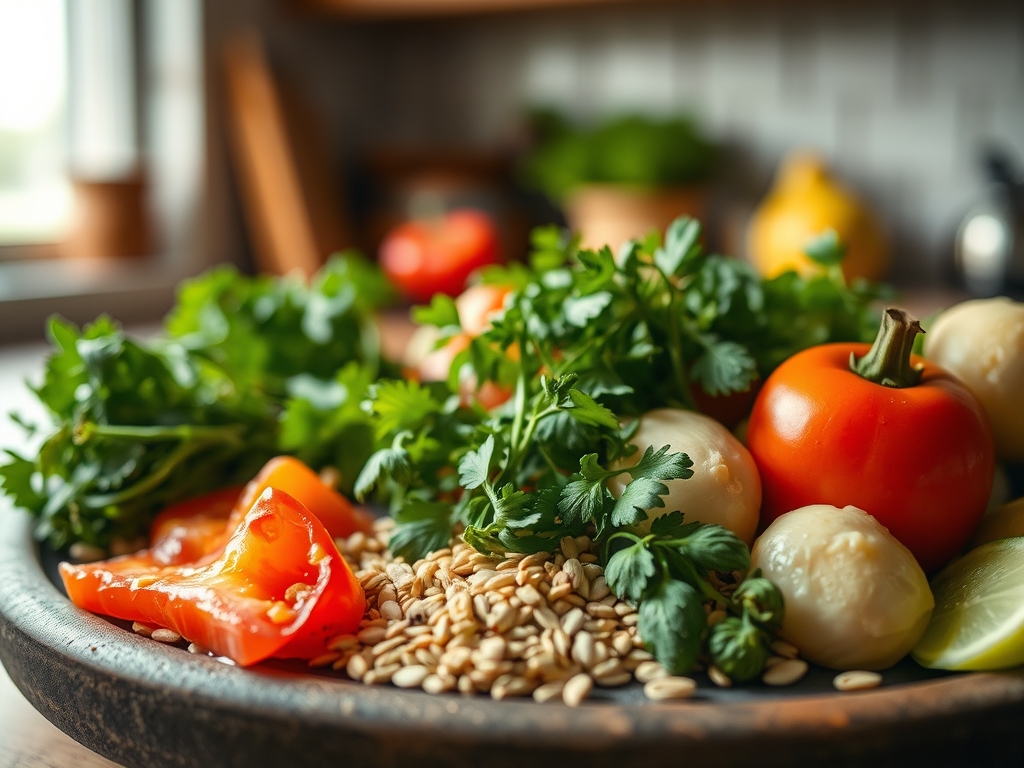
The Gathers:
Before we ignite the flame, we must respect the mise-en-place. Your station should be a landscape of textures. Start with high-quality poultry; organic, air-dried thighs are the gold standard for sheet pan chicken recipes because their higher fat content prevents desiccation during long roasts. You will need a viscous fat, such as cold-pressed olive oil or avocado oil, to act as a heat conductor.
Gather your aromatics: piquant cloves of garlic, woody rosemary sprigs, and perhaps some shallots for a mellow, jammy sweetness. Use a digital scale to ensure your vegetable cuts are uniform; this is not just for aesthetics but for synchronized cooking times. A microplane is essential here for zesting citrus or grating ginger into your marinades, ensuring the essential oils are released without the bitterness of the pith.
Smart Substitutions:
If you are out of traditional starches like fingerling potatoes, try using cauliflower florets or halved radishes. When roasted, radishes lose their peppery bite and transform into tender, succulent morsels that mimic the texture of a potato with a fraction of the carbohydrates. If chicken thighs are unavailable, use bone-in, skin-on breasts, but be prepared to pull them from the oven earlier to avoid the dreaded sawdust texture.
The Clock
Efficiency in the kitchen is governed by what I call the Chef's Flow. For these sheet pan chicken recipes, expect a total commitment of 45 to 55 minutes. The active prep takes a mere 15 minutes if your knife skills are sharp and your bench scraper is handy. The remaining 30 to 40 minutes belong to the oven.
The Chef's Flow dictates that you prep your densest ingredients first. While the oven preheats to a blistering 425 degrees Fahrenheit, chop your root vegetables. By the time the oven chime sounds, your tray should be loaded and ready. This eliminates "dead air" in the kitchen and ensures you are sipping a glass of dry Riesling while the Maillard reaction does the heavy lifting for you.
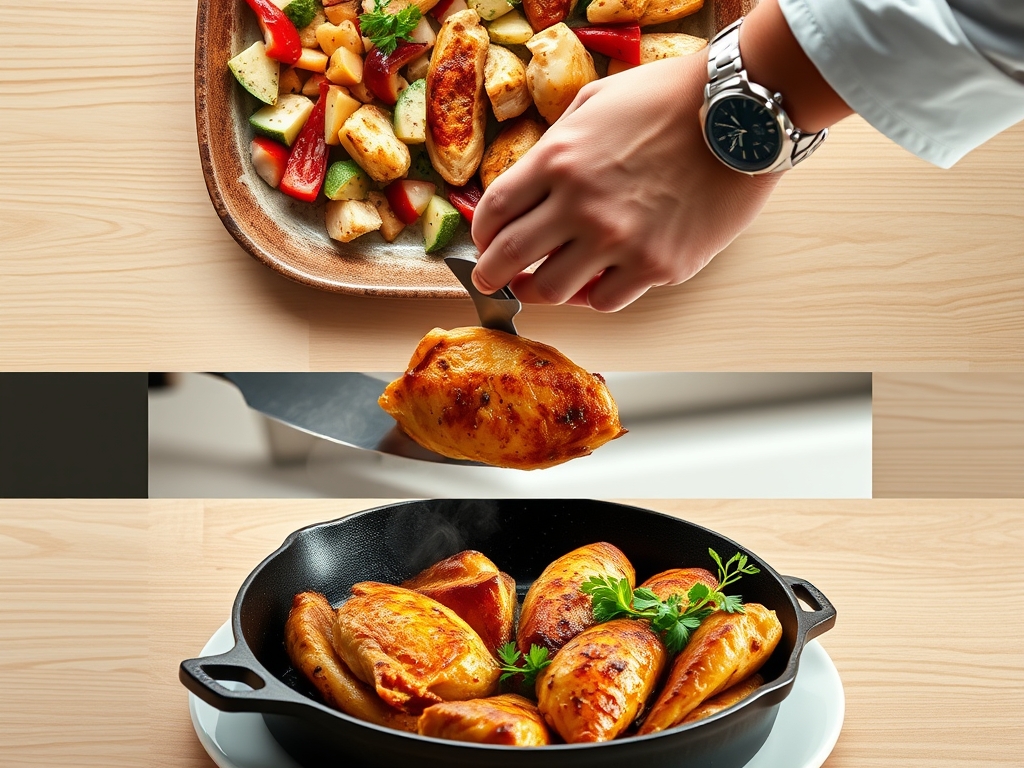
The Masterclass
1. The Surface Preparation
Dry your chicken thoroughly with paper towels. Moisture is the enemy of the Maillard reaction; if the skin is damp, the meat will steam rather than sear. Use your tongs to move the pieces around, ensuring every inch of the skin is coated in a thin, even layer of oil and salt.
Pro Tip: This is about thermal conductivity. Water evaporates at 212 degrees, but browning happens above 300 degrees. By removing surface moisture, you allow the chicken to hit those high temperatures instantly.
2. The Vegetable Foundation
Toss your vegetables in a separate bowl before adding them to the pan. This ensures every crevice is seasoned. Spread them in a single layer around the chicken. If the pan is overcrowded, the vegetables will release steam, which softens the chicken skin you worked so hard to dry.
Pro Tip: This prevents evaporative cooling. When vegetables are piled high, the trapped steam lowers the surface temperature of the food, resulting in a soggy texture rather than a caramelized one.
3. The High-Heat Roast
Slide the tray onto the center rack. The ambient heat must circulate freely. If you are making multiple batches, do not crowd the oven racks, as this disrupts the convection currents.
Pro Tip: Utilize infrared radiation. The dark metal of a well-seasoned sheet pan absorbs and radiates heat more efficiently than shiny new pans, leading to better browning on the bottom of your ingredients.
4. The Mid-Point Agitation
Halfway through the cooking time, use a wide spatula to toss the vegetables. This ensures even exposure to the heating elements and prevents the side touching the pan from scorching while the top remains pale.
Pro Tip: This manages enzymatic browning. By moving the vegetables, you ensure the sugars are caramelizing evenly rather than carbonizing in one spot.
5. The Internal Temperature Check
Use a digital thermometer to probe the thickest part of the thigh. You are looking for 165 degrees Fahrenheit, but you can pull the pan at 160 degrees.
Pro Tip: This accounts for thermal carryover. The internal temperature will continue to rise by 5 degrees after the chicken is removed from the oven as the exterior heat migrates toward the center.
6. The Rest Period
Transfer the chicken to a warm plate and let it rest for five minutes. This allows the muscle fibers to relax and reabsorb the juices. If you cut into it immediately, the liquid will pool on the plate, leaving the meat dry.
Pro Tip: This is the science of protein denaturation. Resting allows the pressure inside the meat to equalize, ensuring a succulent bite.
7. The Final Acid Brightening
Before serving, squeeze fresh lemon juice over the entire tray or drizzle with a splash of sherry vinegar. Use your microplane to add a final dusting of zest.
Pro Tip: Acid acts as a flavor potentiator. It cuts through the heavy fats and "wakes up" the taste buds, making the savory notes of the chicken more pronounced.
The Deep Dive
From a macro perspective, sheet pan chicken recipes are a nutritional powerhouse. A standard serving provides approximately 35 grams of high-quality protein and a spectrum of vitamins from the roasted produce. To keep it Keto, omit the potatoes and double down on cruciferous greens. For a Vegan twist, replace the chicken with thick slabs of cauliflower "steak" or firm tofu, though you must reduce the roasting time to 20 minutes to avoid burning the soy proteins.
The Fix-It:
- Soggy Skin: Your oven temperature was too low or the pan was overcrowded. Next time, use two pans or crank the heat to 450 degrees for the final five minutes.
- Burnt Garlic: You added the aromatics too early. Garlic burns quickly; toss it in during the last 10 minutes of roasting for a sweet, nutty flavor.
- Dry Meat: You relied on a timer instead of a thermometer. Invest in a digital probe to stop the cooking process at the exact moment of safety.
Meal Prep:
To reheat and maintain "day-one" quality, avoid the microwave. The microwave agitates water molecules, which turns the skin rubbery. Instead, use a toaster oven at 350 degrees for 8 minutes. This re-activates the fats and restores the crisp texture.
The Wrap-Up
Mastering sheet pan chicken recipes is like learning a favorite song on the guitar; once you know the chords, you can improvise forever. Whether you are leaning into Mediterranean flavors with olives and feta or going bold with harissa and honey, the technical foundation remains the same. It is efficient, it is scientifically sound, and it is undeniably delicious. Now, grab your tongs and get roasting!
The Kitchen Table
How do I prevent my vegetables from getting mushy?
Ensure you do not overcrowd the pan. Space allows steam to escape, which is vital for roasting. If the vegetables are touching, they will steam each other. Also, cut denser vegetables smaller and softer ones larger for even cooking.
Can I use frozen chicken for sheet pan recipes?
It is not recommended. Frozen chicken releases significant amounts of moisture as it thaws in the oven, which prevents browning and results in a watery sauce. Always thaw completely and pat dry before seasoning for the best results.
What is the best oil for high-heat roasting?
Use oils with a high smoke point, such as avocado oil or refined olive oil. Extra virgin olive oil has a lower smoke point and can turn bitter or smoke excessively at temperatures above 400 degrees Fahrenheit.
Why is my chicken sticking to the sheet pan?
This usually happens if the pan wasn't properly preheated or if there wasn't enough fat used. A light coating of oil on the pan or using parchment paper can provide a non-stick surface while still allowing for browning.