
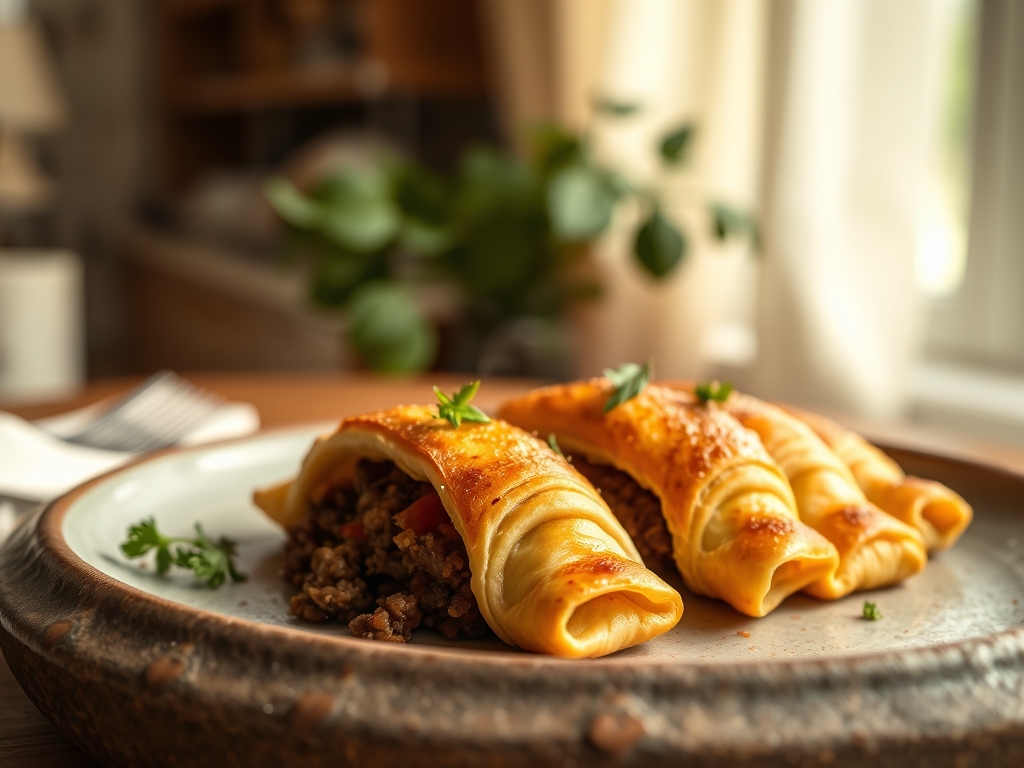
Picture this: it is 6:00 PM on a Tuesday, and your kitchen smells like a high-end French bistro collided with a classic American diner. You are standing over a heavy-bottomed skillet, watching as fat begins to render from premium chuck. This is the magic of ground beef recipes crescent rolls; a culinary marriage of flaky, laminated pastry and savory, umami-rich protein that saves your sanity without sacrificing your palate.
The secret to this weeknight wizardry lies in the contrast of textures. You have the buttery, airy layers of the dough meeting the dense, seasoned bite of the beef. Whether you are craving a spicy taco ring or a sophisticated beef Wellington-lite, these hacks transform humble ingredients into a centerpiece. We are moving beyond basic "meat in a tube" and diving into the molecular mechanics of why this combination works so well. Grab your apron; we are about to turn your kitchen into a flavor laboratory where the results are always delicious.
The Gathers:
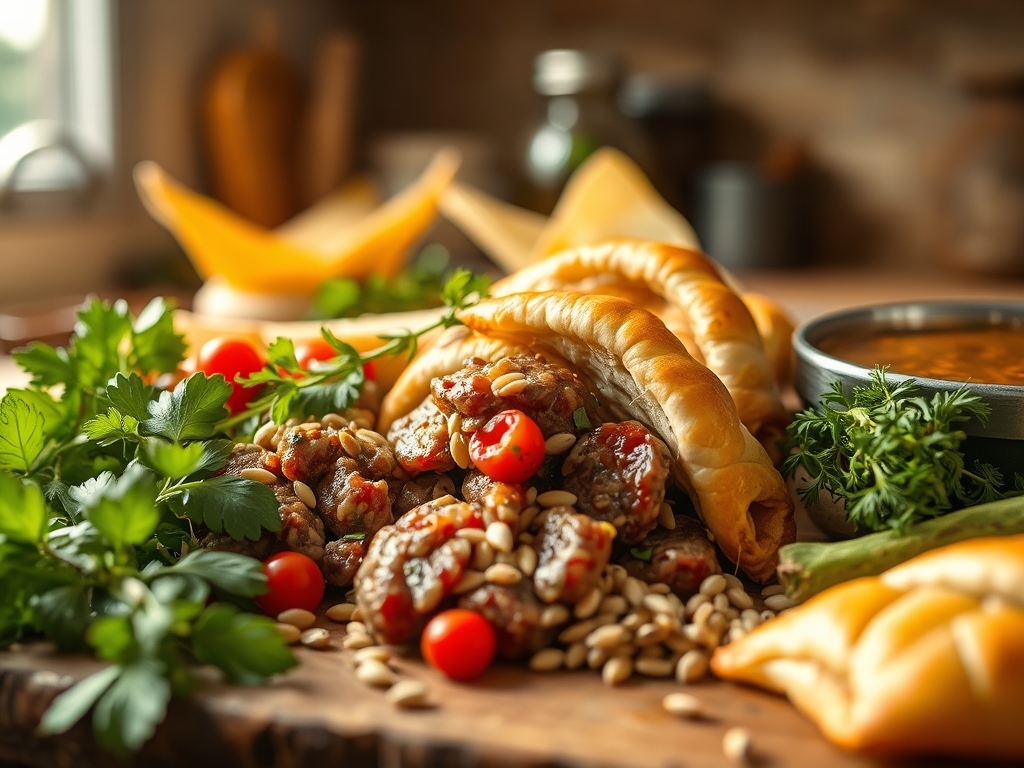
To achieve professional results, your mise-en-place must be precise. Start with one pound of 80/20 ground beef. This specific ratio is vital because the 20 percent fat content provides the moisture necessary to prevent the meat from becoming desicated during the secondary bake inside the pastry. You will also need two cans of refrigerated crescent roll dough; look for the "seamless sheet" variety if available to avoid unwanted leakage.
For the aromatics, gather a large yellow onion and three cloves of garlic. Use a microplane to grate the garlic into a fine paste; this increases the surface area and allows the pungent allicin to infuse the fat more efficiently. You will also need a viscous binder, such as a sharp cheddar or a smooth cream cheese, to create an emulsion that holds the filling together.
Smart Substitutions: If you are looking to lighten the profile, swap the beef for ground turkey but add a tablespoon of Worcestershire sauce to mimic the deep umami of bovine protein. For a dairy-free alternative, use a cashew-based "cheese" spread to maintain that creamy mouthfeel without the lactose. Always keep a bench scraper handy to manage the delicate dough without tearing the gluten structure.
The Clock:
Efficiency in the kitchen is all about "Chef's Flow." This refers to the synchronization of tasks to minimize downtime. The active prep for these hacks takes exactly 15 minutes. This includes the time to finely dice your aromatics and brown the meat. The cooking phase is split into two parts: the initial 8-minute sear to achieve the Maillard reaction and the 12 to 15-minute bake to aerate the pastry.
Total time from fridge to table is roughly 30 minutes. While the meat is cooling (a crucial step to prevent the dough from melting prematurely), use those five minutes to prepare a piquant dipping sauce or a fresh side salad. This ensures that every component of the meal reaches the table at its peak thermal state.
The Masterclass:
1. The Maillard Sear
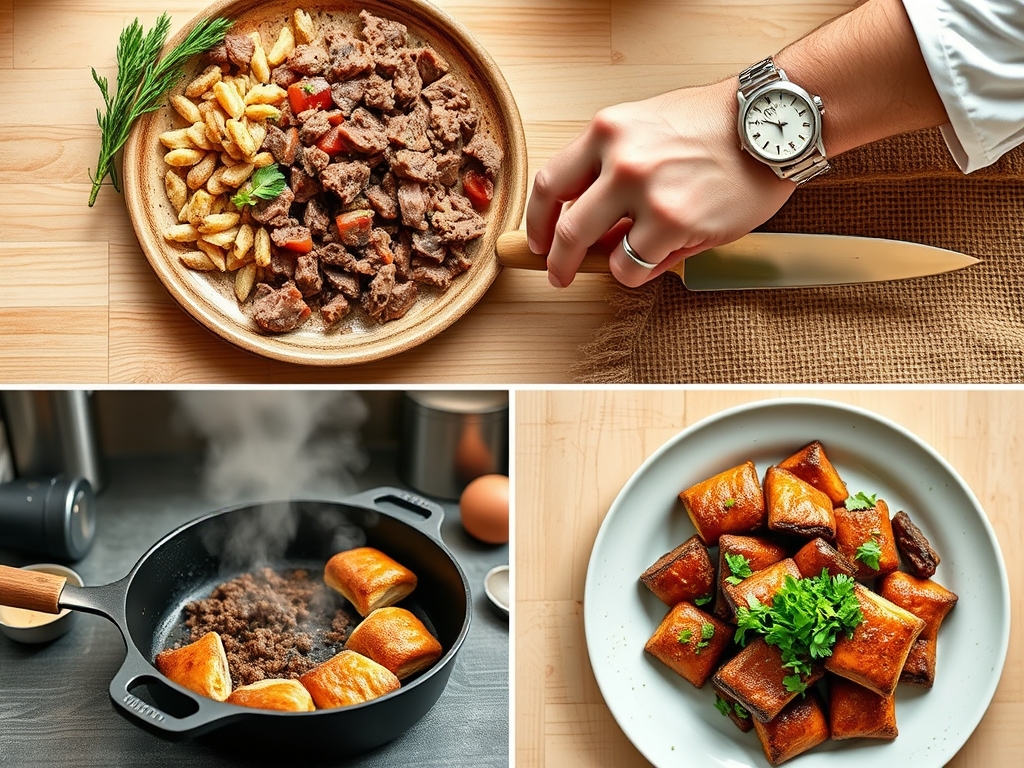
Place your ground beef in a preheated heavy-bottomed skillet. Do not crowd the pan; you want the moisture to evaporate quickly so the meat fries in its own fat rather than steaming. Use a stiff spatula to break the meat into small, uniform crumbles.
Pro Tip: This is the process of enzymatic browning. By allowing the meat to develop a dark crust, you are creating hundreds of new flavor compounds that do not exist in raw or steamed meat.
2. Deglaze and Infuse
Once the meat is browned, add your onions and garlic. Use a splash of beef stock or dry red wine to deglaze the pan, scraping up the "fond" (those little brown bits stuck to the bottom). This incorporates concentrated flavor back into the mixture.
Pro Tip: Deglazing lowers the temperature of the pan slightly, preventing the garlic from burning while simultaneously creating a concentrated jus that keeps the filling moist.
3. The Cooling Phase
Transfer the beef mixture to a shallow bowl and let it sit for five minutes. If you place hot meat directly onto cold crescent dough, the fat in the pastry will melt instantly, resulting in a "soggy bottom" rather than a crisp, flaky crust.
Pro Tip: This is a lesson in thermal equilibrium. You want the filling to be warm enough to handle but cool enough to maintain the structural integrity of the dough's solid fat layers.
4. Lamination and Assembly
Unroll your crescent sheets on a cool surface. For the "Taco Ring" hack, overlap the wide ends of the triangles in a circle. For "Beef Pockets," use a bench scraper to cut the dough into even squares. Place a measured scoop of filling in the center, ensuring you leave a border for sealing.
Pro Tip: Avoid overhandling the dough. The heat from your hands can soften the butter or shortening in the dough, which prevents the "lift" or aeration during the baking process.
5. The Egg Wash Seal
Whisk one egg with a teaspoon of water and brush it over the edges of the dough before folding. Once the hack is shaped, brush the entire exterior with the remaining wash. This acts as a protein-based glue and provides a glossy finish.
Pro Tip: The egg wash facilitates a more intense Maillard reaction on the crust, resulting in that professional, golden-brown aesthetic and a satisfying crunch.
6. The Precision Bake
Slide your tray into a preheated oven at 375 degrees Fahrenheit. Position the rack in the center to ensure even heat distribution. Bake until the pastry has puffed significantly and the color is a deep amber.
Pro Tip: Use a digital thermometer to ensure the internal temperature of the filling reaches 165 degrees Fahrenheit, even though the meat was pre-cooked. This ensures food safety and optimal melt for any included cheese.
7. The Rest and Carryover
Remove the tray from the oven and let the rolls rest for three minutes on a wire rack. This allows the steam inside to redistribute, preventing the filling from spilling out when you take your first bite.
Pro Tip: This utilizes thermal carryover. The internal temperature will continue to rise slightly even after the heat source is removed, perfecting the texture of the innermost dough layers.
The Deep Dive:
When we look at the macro nutrition, a single serving (approximately two rolls) provides roughly 18 grams of protein and 22 grams of carbohydrates. To optimize this for a balanced diet, pair your crescent hacks with a high-fiber vegetable like roasted broccoli or a kale slaw.
Dietary Swaps: For a gluten-free version, look for specialized GF puff pastry sheets, though you may need to adjust bake times as these often contain different starch densities. For a Keto-friendly "hack," skip the dough and use the seasoned beef filling to stuff hollowed-out bell peppers or large mushrooms.
The Fix-It:
- Soggy Bottoms: If your pastry is wet, you likely didn't drain the beef fat well enough. Use a slotted spoon next time or add a teaspoon of breadcrumbs to the meat to absorb excess moisture.
- Burst Seams: This happens when there is too much steam. Prick the top of the dough with a fork before baking to allow steam to escape.
- Pale Crust: Your oven may be running cold. Use an oven thermometer to verify the temp, or increase the egg wash concentration by using only the yolk.
Meal Prep: To reheat, avoid the microwave at all costs; it turns the pastry into rubber. Instead, use an air fryer or toaster oven at 350 degrees for four minutes. This re-crisps the outer layers while gently warming the interior, maintaining that "day-one" quality.
The Wrap-Up:
Mastering ground beef recipes crescent rolls is about more than just a quick dinner; it is about understanding the chemistry of your ingredients to produce a superior result every time. By focusing on the sear, managing your temperatures, and respecting the pastry, you have transformed a pantry staple into a gourmet experience. These seven hacks are just the beginning. Once you understand the "why" behind the "how," the variations are limited only by your imagination. Now, get into that kitchen and start creating!
The Kitchen Table:
Can I make these ground beef recipes crescent rolls ahead of time?
Yes. You can assemble the rolls and refrigerate them for up to four hours before baking. Do not add the egg wash until immediately before sliding them into the oven to prevent the dough from becoming tacky.
Why did my crescent rolls shrink during baking?
Shrinkage usually occurs when the dough is stretched too tightly or worked while it is too cold. Let the dough sit at room temperature for five minutes before shaping, and avoid pulling it thin during the assembly process.
What is the best way to drain grease from the beef?
Tilt your heavy-bottomed skillet and use a crumpled paper towel held by tongs to soak up the excess lipids. This is safer and more efficient than trying to pour hot grease into a separate container.
Can I freeze these after they are baked?
Absolutely. Allow them to cool completely on a wire rack to prevent condensation. Wrap them individually in foil and store in a freezer bag. Reheat directly from frozen in a 350-degree oven for ten minutes.