
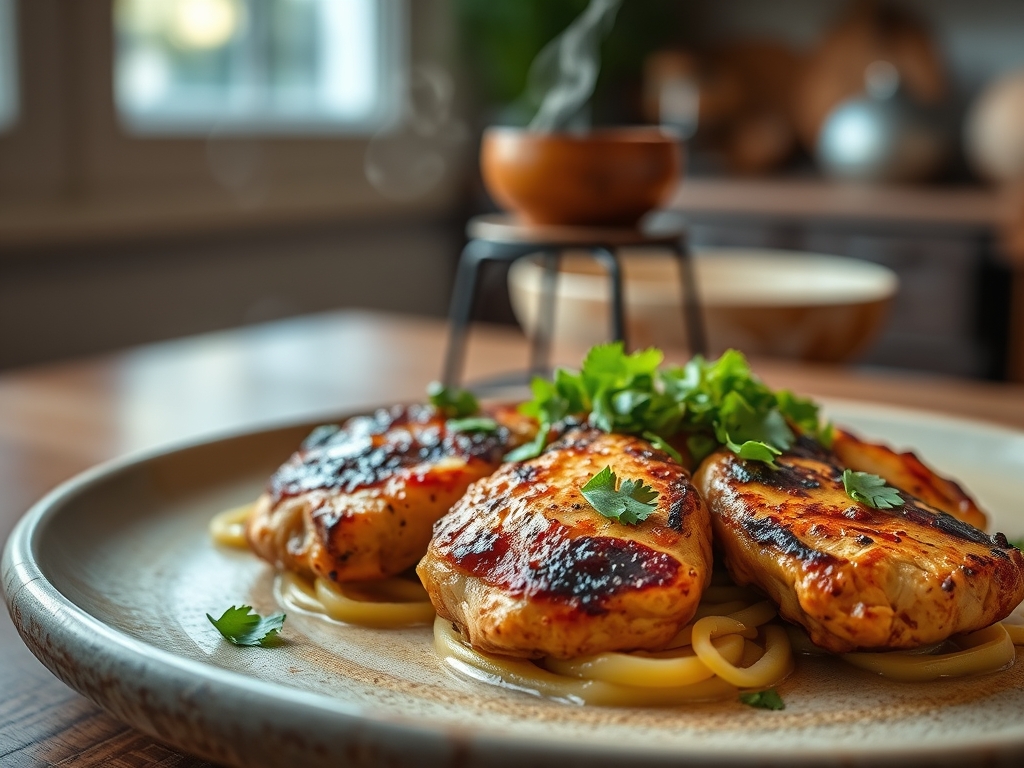
The first sound that signals a great chicken tinga is the snap of tomatillos hitting a smoking-hot comal, charring to black blisters that will dissolve into a sauce with enough acidity to cut through shredded dark meat. Mexican chicken preparation thrives on layers: char, fat, acid, and the slow coax of collagen into gelatin. These chicken recipes mexican cooks have perfected over centuries rely not on complexity but on precision, timing, and respect for how proteins behave under heat. Whether you're browning bone-in thighs for mole or flash-searing pounded breasts for tacos al carbon, the techniques share a common thread: controlled Maillard browning, strategic moisture management, and bold, unapologetic seasoning. This collection spans seven distinct preparations, each showcasing a different aspect of Mexican poultry craft, from the slow braise to the high-heat sear, from the tangy escabeche to the smoky adobo.
The Gathers
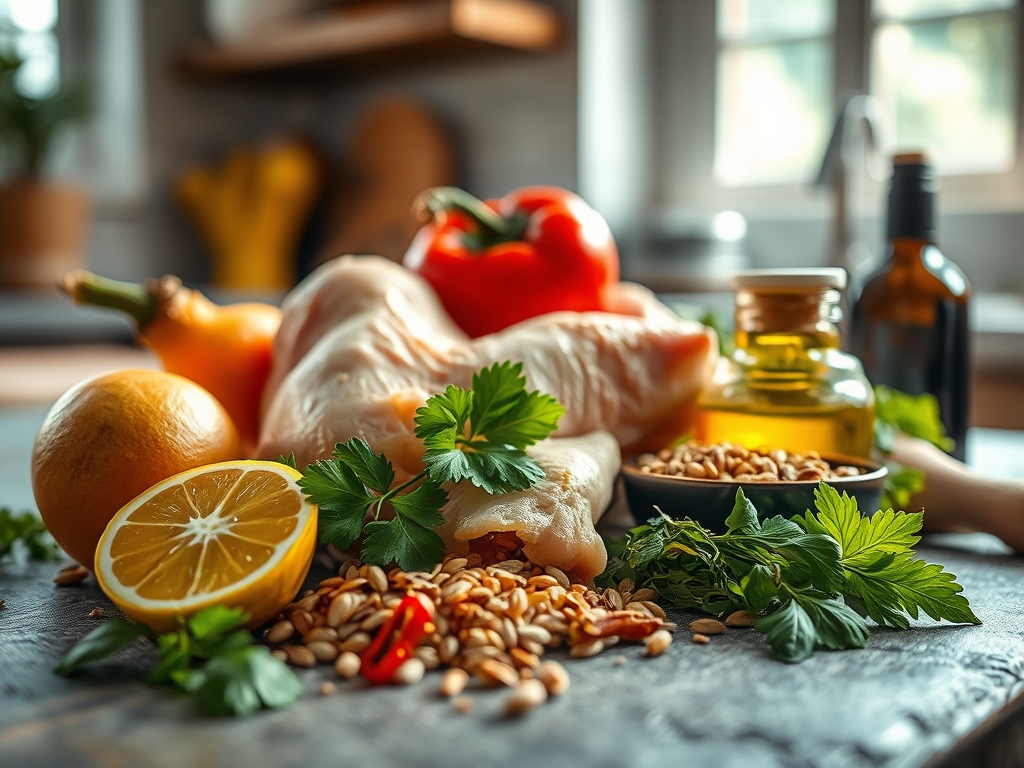
As you see in the ingredient spread below, the backbone of these dishes is bone-in, skin-on chicken thighs (1.8 kg), which offer superior fat content and connective tissue for braising applications. You'll need dried guajillo chiles (12 pieces, stems and seeds removed), ancho chiles (6 pieces), and chipotle in adobo (1 small can). Fresh produce includes white onions (3 large), Roma tomatoes (6), tomatillos (8, husked), garlic (2 full heads), and cilantro (2 bunches). For acidity and brightness, stock Mexican limes (10), Mexican crema (250 ml), and Cotija cheese (200 g, crumbled). Dried spices: Mexican oregano (not Mediterranean), cumin seeds (toast whole, then grind), cinnamon stick (1, for mole base), and whole cloves (4). Fats include lard (100 g, preferred) or neutral oil, plus unsalted butter (50 g) for finishing.
Smart Substitutions: Chicken breasts work for tacos dorados or milanese but require shorter cook times and lower temps (165°F/74°C internal, not 185°F/85°C like thighs). Swap lard for avocado oil in a 1:1 ratio. If guajillos are unavailable, use New Mexico chiles with a pinch of smoked paprika. Greek yogurt can replace crema; add a squeeze of lime to mimic tang.
The Clock
Prep Time: 35 minutes (toasting and rehydrating chiles, 12 minutes; blending sauces, 8 minutes; butchering and trimming chicken, 15 minutes).
Cook Time: 90 minutes (varies by dish: pollo en mole, 2 hours low simmer; tinga, 45 minutes; tacos al carbon, 8 minutes high heat per batch).
Total Time: 2 hours 5 minutes.
Chef's Flow: While chiles rehydrate in hot water (not boiling, which turns them bitter), season and sear chicken in batches. During the first braise phase, prep garnishes and warm tortillas on a separate burner. This parallel tasking cuts idle time by 20 minutes and ensures every component hits the table hot.
The Masterclass
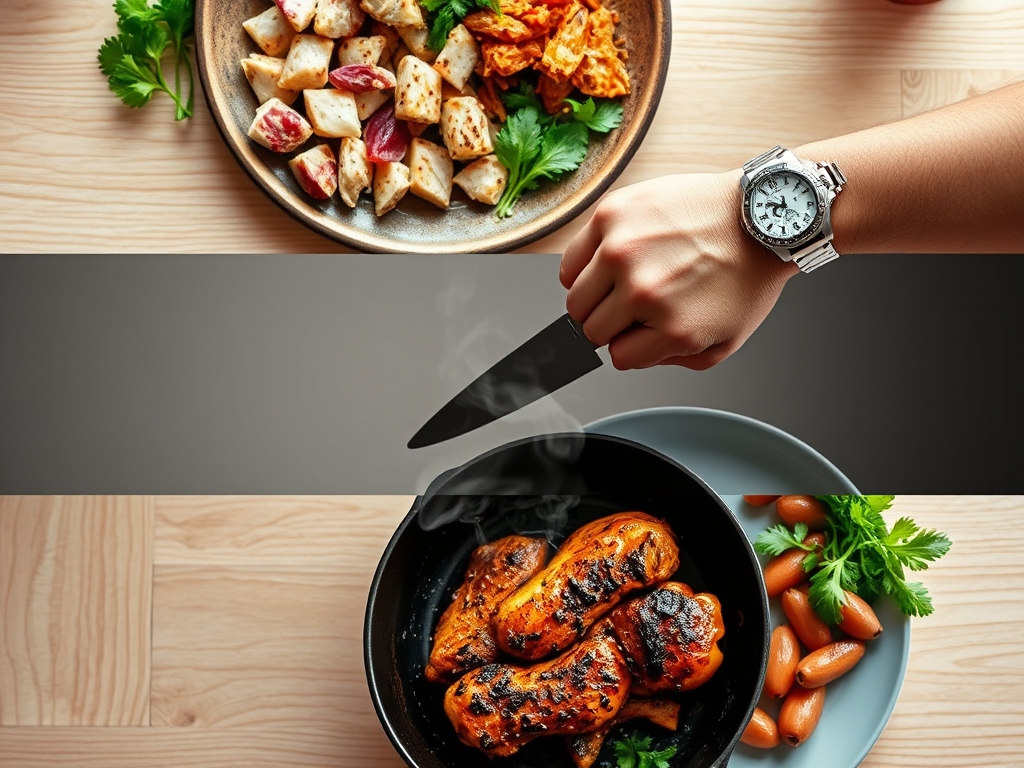
Step 1: Toast and Rehydrate Chiles
Heat a dry cast-iron skillet to medium (300°F/150°C). Press each guajillo and ancho flat for 10 seconds per side until fragrant and pliable, not blackened. Submerge in 160°F/71°C water for 15 minutes.
Why It Works: Toasting wakes up dormant volatile oils (capsaicin, fruity esters), while moderate-temp rehydration prevents pectin breakdown that leads to slimy texture.
Step 2: Char Aromatics
Blacken halved onions, whole garlic cloves (skin on), and tomatoes directly over a gas flame or under a broiler set to high. Rotate every 90 seconds until 40% of the surface is carbonized.
Chef's Secret: The char isn't cosmetic. Pyrolysis creates bitter-sweet compounds (furans, phenols) that add depth impossible to achieve with raw alliums.
Step 3: Blend the Base
Combine rehydrated chiles (drained, stems removed), charred vegetables (peeled garlic, roughly chopped onion and tomato), 1 tsp cumin, 1 tsp oregano, 2 cloves, and 200 ml chicken stock. Blitz on high for 90 seconds until velvety. Strain through a medium-mesh sieve.
Why It Works: Straining removes chile skins (cellulose) that never fully break down, yielding a sauce that clings rather than separates.
Step 4: Sear the Chicken
Pat thighs bone-dry with paper towels. Season aggressively with kosher salt (1% of meat weight). Heat lard in a heavy Dutch oven to 375°F/190°C. Sear skin-side down for 5 minutes without moving. Flip, sear 3 minutes. Remove and reserve.
Chef's Secret: Moisture is the enemy of the Maillard reaction. Dry surfaces brown in half the time and develop a crust that locks in juices during braising.
Step 5: Build the Braise
Pour off all but 2 Tbsp fat. Add strained chile sauce to the hot pot; it will sputter and reduce by 30% in 4 minutes, concentrating sugars. Nestle seared chicken back in, skin up. Add stock to come halfway up the sides. Cover, transfer to a 325°F/163°C oven for 75 minutes.
Why It Works: Oven heat surrounds the pot evenly, preventing scorching and maintaining the sweet spot (180-190°F/82-88°C) where collagen converts to gelatin without drying out muscle fibers.
Step 6: Shred and Finish
Remove chicken, let rest 10 minutes. Shred meat, discarding bones and cartilage. Skim fat from sauce, reduce on stovetop to nappe consistency (coats the back of a spoon). Toss shredded chicken with sauce, fold in 2 Tbsp butter off heat for gloss.
Chef's Secret: Butter added off heat emulsifies into the sauce via residual heat, creating a luxurious mouthfeel without breaking (which happens above 160°F/71°C).
Step 7: Plate and Garnish
Note the texture shown in the step-by-step photos: glossy, not wet; shreds that hold together but pull apart cleanly. Serve in warmed corn tortillas, topped with crumbled Cotija, pickled red onions, cilantro, and a wedge of lime.
Why It Works: Warm tortillas (30 seconds per side on a comal) develop char spots that add textural contrast and a toasted-corn aroma that complements the sauce's smokiness.
Nutritional Info
Per serving (1 thigh with 60 ml sauce, 2 tortillas, garnishes): 485 kcal, 28 g fat (9 g saturated), 38 g protein, 22 g carbohydrate (4 g fiber), 620 mg sodium. Dark meat delivers higher iron (2.1 mg) and zinc (3.4 mg) than breast. Chile-based sauces add vitamin A (1200 IU from carotenoids) and capsaicin, which may boost metabolic rate by 5-8% temporarily.
Dietary Swaps
Keto: Replace tortillas with butter lettuce wraps or jicama slices. Increase fat by finishing with 1 Tbsp avocado oil per serving. Net carbs drop to 6 g.
Gluten-Free: Corn tortillas are naturally compliant. Verify chipotle in adobo contains no wheat-based thickeners (most brands are clean).
Vegan: Substitute chicken with king oyster mushrooms (slice lengthwise, score, sear). Use vegetable stock and coconut oil. Nutritional yeast mimics Cotija's umami.
Serving & Presentation
Rustic Family Style: Arrange shredded chicken in a wide, shallow cazuela. Encircle with warm tortillas wrapped in a linen towel. Serve garnishes in small bowls for DIY assembly.
Modern Plated: Place a mound of chicken off-center on a warm plate. Drizzle reduced sauce in a crescent arc. Add a single, perfectly charred tortilla quarter standing upright. Microplane Cotija over the top.
Taco Bar Spread: Use enameled cast iron to keep chicken hot. Offer three salsas (verde, roja, habanero), pickled vegetables, and lime wedges in separate vessels. Label each with small chalkboard signs.
The Pro-Dodge
Pitfall 1: Wet Chicken, No Crust. Fix: Air-dry thighs uncovered in the fridge for 2 hours before cooking. Pat again before searing.
Pitfall 2: Bitter Sauce. Fix: You scorched the chiles or boiled the rehydration water. Start over; there's no rescue.
Pitfall 3: Dry, Stringy Meat. Fix: You braised above 200°F/93°C or used breasts. Lower oven temp, switch to thighs, and monitor internal temp with a probe thermometer.
The Meal Prep Corner
Storage: Cool shredded chicken and sauce separately within 2 hours. Refrigerate in airtight containers for up to 4 days. Freeze for 3 months in vacuum-sealed bags.
Reheating for Day-One Quality: Thaw overnight in the fridge. Reheat in a covered skillet over medium-low with 2 Tbsp stock or water, stirring every 2 minutes until 165°F/74°C. Finish with a knob of butter. Microwave reheating steams the chicken, turning it mushy; avoid it.
Tortilla Hack: Wrap tortillas in damp paper towels, microwave for 20 seconds, then transfer directly to a dry skillet for char. They'll taste fresh-pressed.
The Wrap-Up
Seven dishes, one unifying principle: Mexican chicken cooking is a lesson in respecting time, temperature, and the transformative power of smoke and acid. Whether you're spooning mole over a bone-in thigh or filling a tortilla with tinga that's been braised into silk, these techniques will recalibrate your understanding of what poultry can be. Make one, make all seven, and invite neighbors. Food this bold demands a crowd. Tag your plating experiments, share your favorite regional twists, and let's build a library of real-world results.
The Kitchen Table
Can I use boneless, skinless thighs?
Yes, but reduce braising time to 45 minutes and expect less body in the sauce. Skin and bones contribute collagen and fat that create richness.
Why is my sauce watery?
You didn't reduce it enough after blending, or the chicken released too much liquid. Simmer uncovered for 10 minutes, or whisk in a slurry (1 tsp masa harina + 2 Tbsp water).
What's the difference between guajillo and ancho chiles?
Guajillos are tangy and bright, with moderate heat (2,500 Scoville). Anchos are sweet, almost raisin-like, and milder (1,000 Scoville). Together, they balance fruit and smoke.
How do I prevent tortillas from cracking?
Steam them first in a damp towel, then char briefly on a dry surface. Cold, straight-from-the-package tortillas will always crack.
Can I make this in a slow cooker?
Sear the chicken first in a skillet, then transfer to the slow cooker with sauce. Cook on low for 4 hours. The oven method yields better texture, but slow cookers work for convenience.