
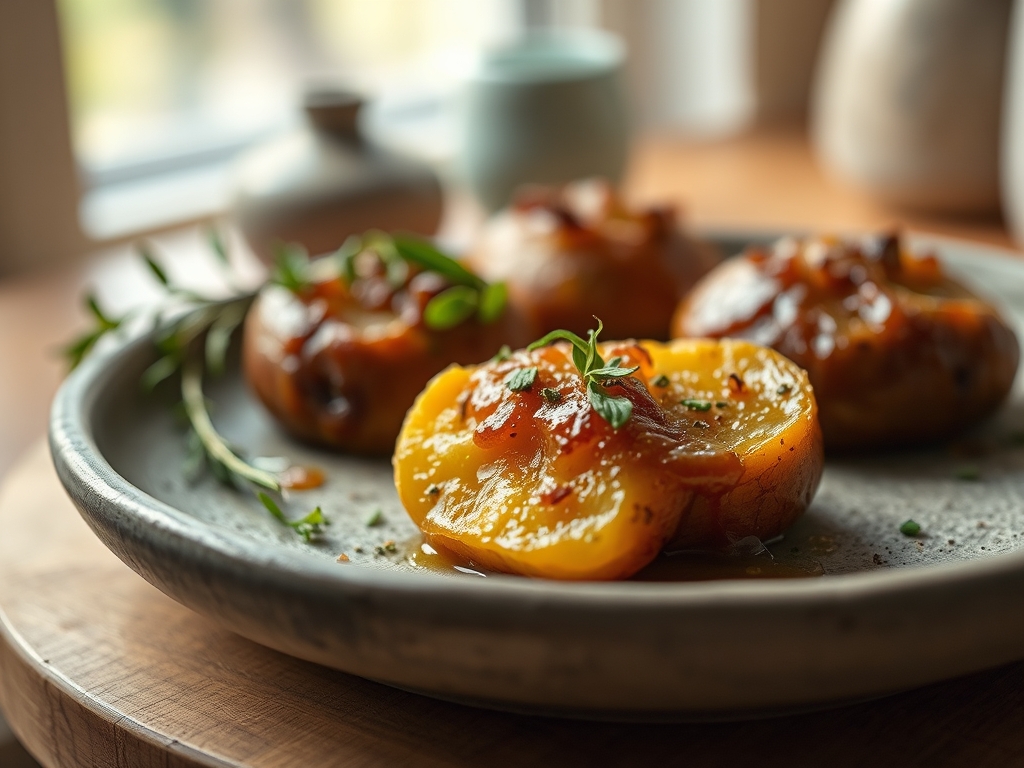
Imagine walking into a Philadelphia confectionery in mid-March; the air is thick with the scent of toasted cinnamon and cream cheese. You reach for a small, tan nugget that looks exactly like a miniature spud plucked from a garden, but as you bite down, it dissolves into a velvet cloud of coconut and sugar. This is the paradox of the Irish Potato. Despite the name, these treats are a proud Philly tradition, and mastering authentic irish potato recipes candy requires a delicate balance of moisture control and spice suspension. We are not just making candy; we are engineering a shelf-stable emulsion that mimics the appearance of a root vegetable while delivering a high-end truffle experience.
The magic lies in the contrast between the gritty, earthy exterior and the silky, ivory interior. To the uninitiated, it looks like a simple mix-and-roll job. To the culinary scientist, it is a lesson in lipid stabilization and hygroscopic sugar management. We are going to manipulate the crystalline structure of powdered sugar to ensure these candies do not weep or lose their shape. Grab your apron and your favorite silicone spatula; we are about to dive into the sweet, starchy deception that has fueled St. Patrick's Day celebrations for over a century.
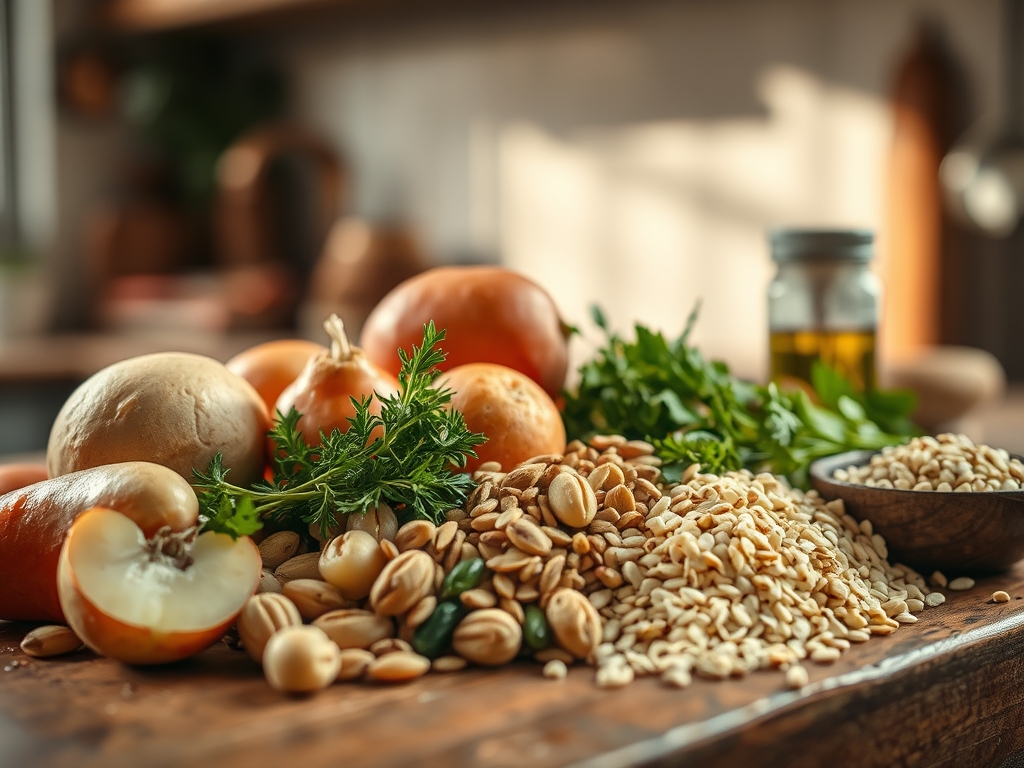
The Gathers:
To achieve the perfect "tuber" aesthetic, your mise-en-place must be precise. We are looking for high-fat solids to provide structure.
- The Lipid Base: 4 ounces of full-fat brick cream cheese, softened to exactly 68 degrees Fahrenheit, and 1/4 cup of unsalted European-style butter. The higher butterfat content in European butter ensures a more viscous mouthfeel.
- The Sweetener: 4 cups of 10x powdered sugar, sifted through a fine-mesh sieve to prevent aeration pockets.
- The Texture: 2.5 cups of sweetened shredded coconut. For a more refined texture, pulse this in a food processor for five seconds to break down the long fibers.
- The Aromatics: 1 teaspoon of pure Madagascar bourbon vanilla extract and a pinch of fine sea salt to balance the glucose spike.
- The Coating: 2 tablespoons of ground Saigon cinnamon. This variety has a higher oil content and a more piquant punch than standard cassia.
Smart Substitutions: If you are avoiding dairy, a high-quality vegan cream cheese (almond or cashew-based) works well, provided you increase the coconut content by 10 percent to compensate for the lower protein stability. For a "grown-up" version, replace the vanilla with an Irish cream liqueur to infuse the center with a subtle boozy warmth.
The Clock
Prep Time: 20 minutes of active manipulation.
Chill Time: 1 hour (non-negotiable).
Total Time: 1 hour 20 minutes.
The "Chef's Flow" here is all about temperature management. You want to work quickly once the base is mixed so the friction of your hands does not render the fats too liquid. If the dough becomes tacky, a quick ten-minute shock in the blast chiller or freezer will restore the necessary plasticity for rolling.
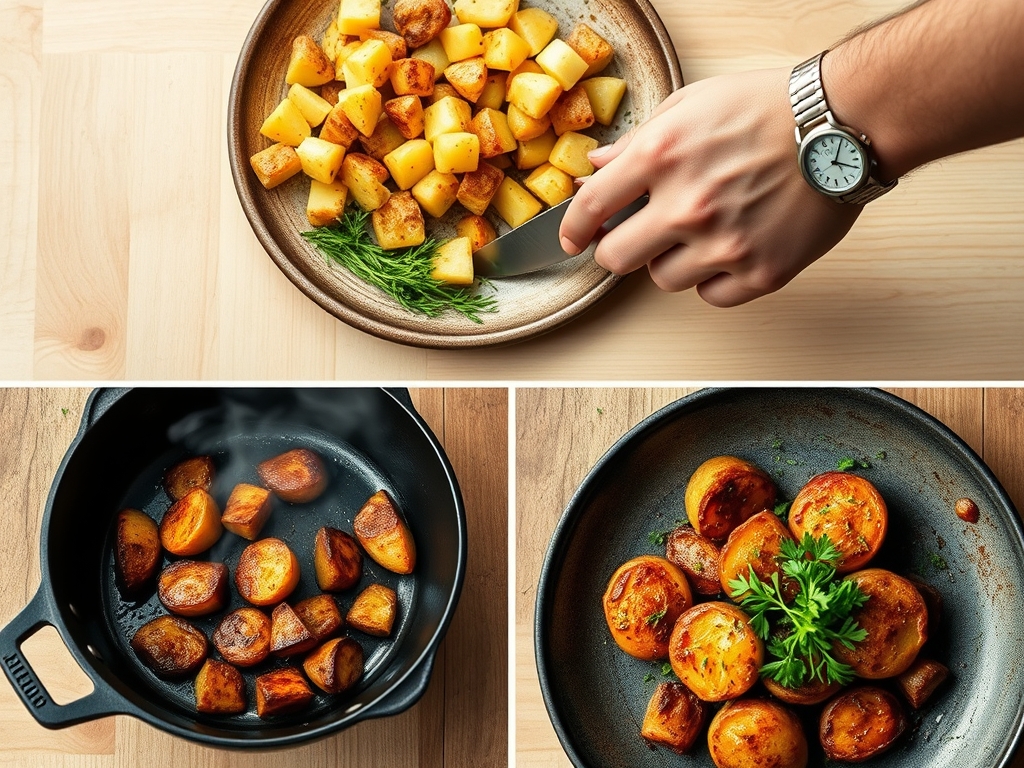
The Masterclass
1. Creaming the Foundation
In a stand mixer fitted with the paddle attachment, beat the cream cheese and butter until they are perfectly homogenous. You are looking for a smooth, pale yellow paste with no visible lumps.
Pro Tip: This step is about emulsification. By beating the fats together before adding sugar, you create a stable matrix that prevents the candy from "sweating" moisture later on.
2. The Sugar Integration
Gradually add the powdered sugar one cup at a time on low speed. Once incorporated, increase the speed to medium to aerate the mixture slightly, giving it a lighter, fudge-like consistency.
Pro Tip: Adding sugar in stages prevents "sugar bloom." If you dump it all in at once, the moisture in the cream cheese will struggle to hydrate the crystals evenly, leading to a grainy texture.
3. Folding the Coconut
Add the vanilla, salt, and shredded coconut. Use a bench scraper or a stiff silicone spatula to fold these in by hand. This ensures the coconut fibers are evenly distributed without being pulverized by the mixer.
Pro Tip: The coconut acts as a structural reinforcement. Its insoluble fiber provides the "snap" that prevents the candy from feeling like a blob of frosting.
4. The Firming Phase
Transfer the dough to a shallow glass dish and flatten it out. Cover with plastic wrap, pressing it directly onto the surface to prevent a crust from forming. Chill for at least 30 minutes.
Pro Tip: This is the hydration phase. The sugar needs time to fully bond with the fats and moisture, which makes the dough much easier to handle and less likely to stick to your palms.
5. Precision Portioning
Using a small cookie scoop or a digital scale, portion out 1/2-ounce balls of dough. Roll them between your palms into slightly irregular ovals to mimic the natural shape of a small potato.
Pro Tip: Use a digital scale for consistency. Uniform size ensures that each bite has the same ratio of cinnamon coating to creamy center, which is vital for flavor balance.
6. The Cinnamon Dusting
Place your cinnamon in a small bowl. Toss two or three "potatoes" at a time in the spice until they are completely coated. Shake off the excess using a small wire strainer.
Pro Tip: Cinnamon is naturally hydrophobic. It creates a protective barrier around the candy that keeps the moist interior from drying out while providing that iconic "dirty" potato look.
7. The Final Sculpt
For an ultra-realistic look, use a toothpick to poke two or three small "eyes" into each potato. You can even press a tiny piece of pine nut or a sliver of almond into the hole to simulate a sprout.
Pro Tip: This is purely aesthetic, but the indentations also provide tiny pockets for extra cinnamon to settle, enhancing the visual depth and mimicry of the candy.
The Deep Dive
Macro Nutrition: One Irish Potato candy typically contains about 90 calories, 4 grams of fat, and 13 grams of sugar. They are high-energy treats, so moderation is key.
Dietary Swaps:
- Vegan: Use plant-based butter and cream cheese. Ensure your powdered sugar is certified vegan (processed without bone char).
- Keto: This is tricky but possible. Use a powdered erythritol/monk fruit blend and unsweetened coconut. The texture will be slightly more brittle.
- Gluten-Free: Naturally, these are GF, but always check your vanilla extract and powdered sugar labels for cross-contamination.
The Fix-It:
- Too Soft: If the dough won't hold a shape, you likely have too much moisture. Add more coconut or a tablespoon of coconut flour to absorb the excess liquid.
- Too Sweet: Increase the salt or add a teaspoon of lemon juice to provide an acidic counterpoint to the sugar.
- Cinnamon is Clumping: This happens in high humidity. Sift your cinnamon with a teaspoon of cornstarch to keep it free-flowing.
Meal Prep: These candies actually improve after 24 hours in the fridge as the flavors infuse. Store them in an airtight container with parchment paper between layers. They can be frozen for up to three months; just thaw them in the fridge to prevent condensation from ruining the cinnamon coating.
The Wrap-Up
Mastering irish potato recipes candy is a rite of passage for any serious home confectioner. It is a whimsical, low-bake project that relies on high-quality ingredients and a bit of scientific finesse. Whether you are serving them at a festive gathering or gifting them in little burlap sacks, these "spuds" are guaranteed to spark conversation and satisfy the most intense sugar cravings. Now that you have the secrets of fat stabilization and spice application, go forth and roll some delicious deception!
The Kitchen Table
Can I use real potatoes in this recipe?
While some historical versions use mashed potatoes as a thickener, modern Philadelphia-style recipes favor cream cheese for a richer, more shelf-stable result. Real potato versions are much denser and less sweet.
How do I prevent the cinnamon from getting messy?
Use a saucier or a deep bowl for tossing, and always use a small sieve to shake off excess spice. This ensures a thin, even coat that stays on the candy rather than your fingers.
Why did my candies melt at room temperature?
This usually happens if the cream cheese wasn't fully emulsified or if the room is too warm. Keep them refrigerated until 15 minutes before serving to maintain their structural integrity and "snap."
Can I toast the coconut first?
Absolutely. Toasting the coconut adds a nutty, caramelized depth to the flavor profile. Just ensure the coconut is completely cooled before folding it into the cream cheese base to avoid melting the fats.