
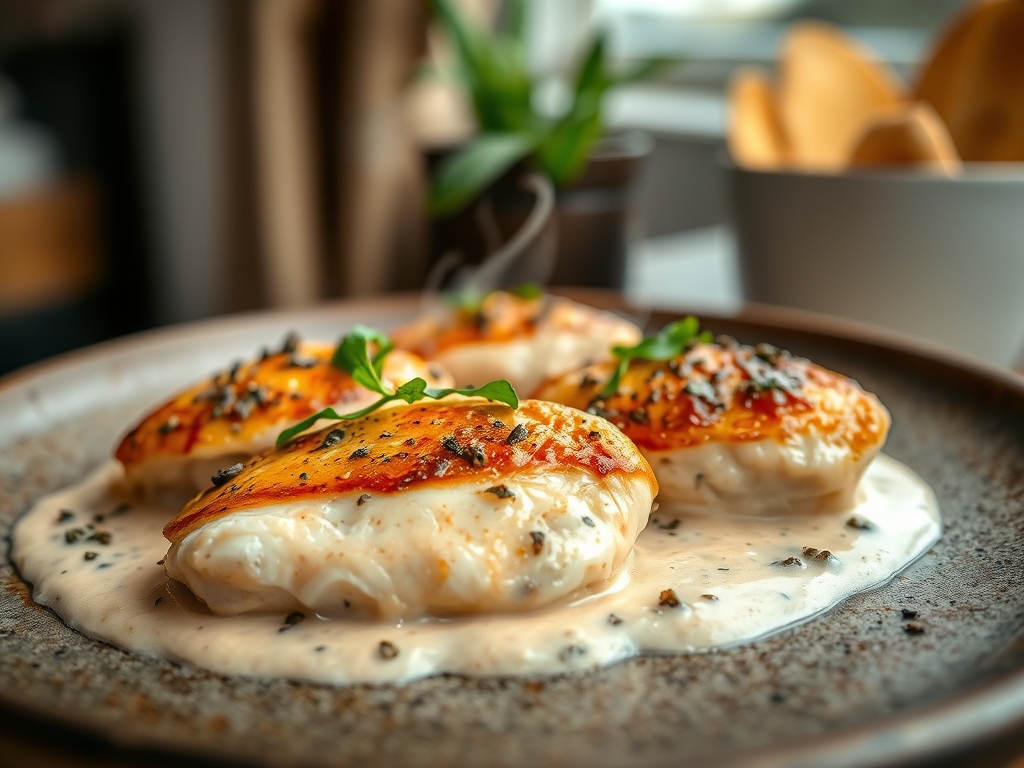
Imagine the scent of slow-simmered thyme and golden-seared poultry wafting through your kitchen on a rainy Tuesday. There is a specific kind of culinary magic found in chicken recipes with cream of mushroom soup; it is the ultimate comfort hack that bridges the gap between a frantic weeknight and a gourmet experience. We are not just opening a can; we are engineering a masterpiece of salt, fat, and umami.
This soup serves as a concentrated flavor base, a shortcut to a velvety veloute without the stress of whisking a temperamental roux for twenty minutes. By understanding the molecular structure of these ingredients, you can transform a pantry staple into a dish that tastes like it spent six hours on a French bistro stove. We are going to elevate the humble bird and the earthy fungus into something truly transcendent.
The Gathers:
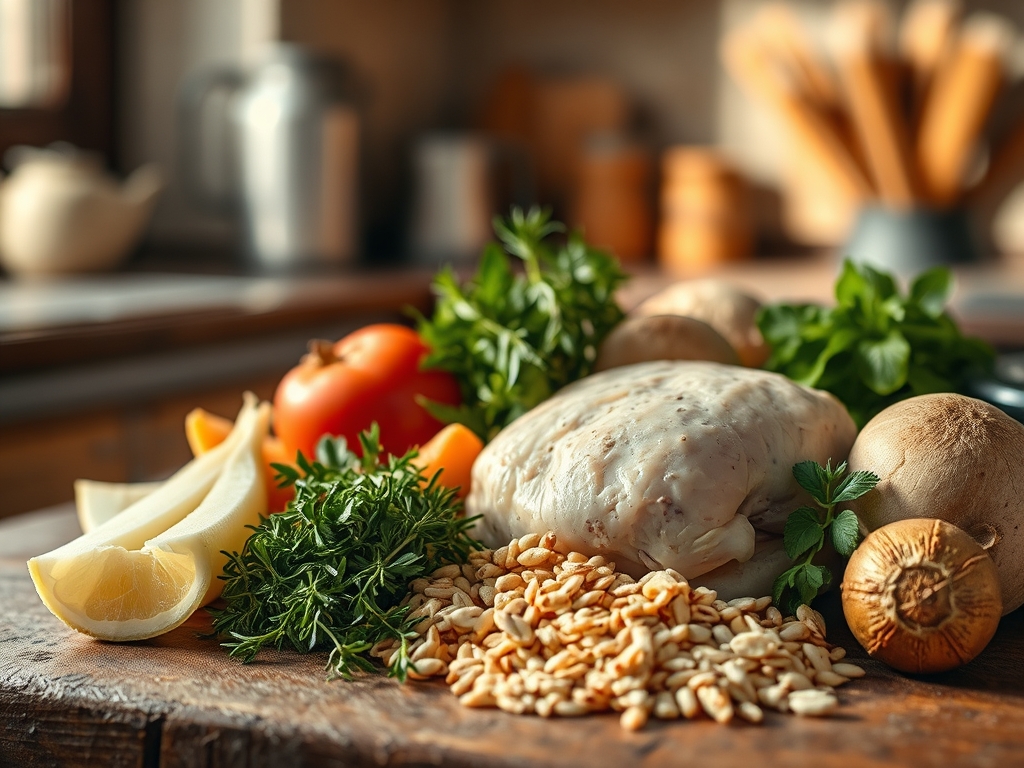
Before we ignite the burner, let us assemble our mise-en-place. Precision is the soul of great cooking. You will need high-quality chicken thighs because their higher lipid content ensures they remain succulent during the simmering process. For the mushrooms, do not settle for just the white buttons. Grab some cremini or shiitake for a deeper, woodier profile. Use a digital scale to ensure your ratios are exact; precision leads to repeatability.
Your toolkit should include a heavy-bottomed skillet or a saucier to prevent localized hotspots that cause scorching. You will also need a microplane for grating fresh garlic and a pair of silicone-tipped tongs for precise protein manipulation. If you are looking for smart substitutions, swap the heavy cream for full-fat coconut milk for a piquant, tropical undertone, or use Greek yogurt to add a bright acidity and a boost of probiotics. Always remember that the quality of your stock defines the ceiling of your dish.
The Clock:
Efficiency in the kitchen is about mastering the "Chef's Flow." This is the rhythmic sequence where prep and cooking overlap seamlessly. Total active prep time should clock in at fifteen minutes, while the thermal transformation takes approximately twenty-five minutes.
Start by dicing your aromatics while the skillet preheats. This allows the pan to reach the optimal temperature for the Maillard reaction. While the chicken renders its fat, you can slice your mushrooms. By the time the protein is seared, your vegetables are ready to hit the pan. This overlapping workflow ensures that no heat is wasted and every minute contributes to the development of complex flavor compounds.
The Masterclass:
1. The Sear and Render
Begin by patting your chicken bone-dry with paper towels. Moisture is the enemy of a good crust. Place the chicken skin-side down in your preheated skillet. Render the fat slowly until the skin is a deep, architectural gold.
Pro Tip: This is the science of enzymatic browning. By removing surface moisture, you allow the surface temperature to exceed 300 degrees Fahrenheit, triggering the Maillard reaction which creates hundreds of new flavor compounds.
2. The Mushroom Sauté
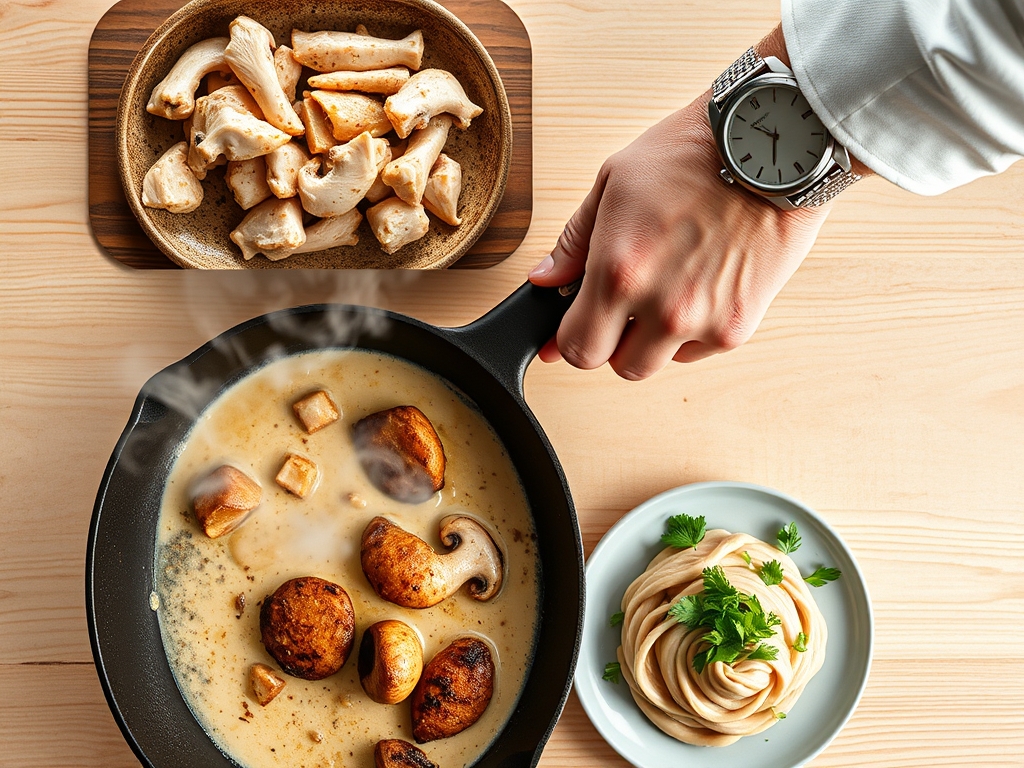
Remove the chicken and add your sliced mushrooms to the residual fat. Do not crowd the pan. If you add too many at once, they will steam in their own released moisture rather than browning.
Pro Tip: Mushrooms are cellular sponges. Waiting to salt them until they have already browned prevents osmotic withdrawal, which keeps them plump and prevents them from becoming rubbery.
3. Deglazing the Fond
Once the mushrooms are golden, use a splash of dry white wine or chicken stock to deglaze the pan. Use a wooden spoon or bench scraper to lift the "fond"—those brown bits stuck to the bottom.
Pro Tip: The fond contains concentrated amino acids and sugars. Dissolving these back into the liquid creates a viscous sauce with incredible depth and complexity.
4. Integrating the Base
Whisk in your cream of mushroom soup. This is where we create a stable emulsion. Slowly incorporate the soup into the deglazing liquid to ensure a smooth, velvety texture without lumps.
Pro Tip: The starch in the soup acts as a stabilizer. It prevents the fats from separating, ensuring the sauce remains cohesive even as it reaches a simmer.
5. Aromatics and Infusion
Add your microplaned garlic, fresh thyme, and a hint of nutmeg. Nutmeg contains myristicin, which chemically enhances the earthy notes of the mushrooms.
Pro Tip: Adding herbs at the end of the cooking process preserves their volatile oils. These oils provide the piquant aroma that hits your nose before the first bite.
6. The Braise
Return the chicken to the pan, nestling it into the sauce. Cover and reduce the heat. This slow simmer allows the flavors to infuse into the meat while breaking down connective tissues.
Pro Tip: Use a digital meat thermometer to pull the chicken at 160 degrees Fahrenheit. Thermal carryover will bring it to the perfect 165 degrees while it rests, preventing overcooking.
7. Aerating the Sauce
Before serving, give the sauce a final whisk to aerate it. This incorporates tiny air bubbles that lighten the mouthfeel, making the heavy cream feel less cloying on the palate.
Pro Tip: Aeration changes the surface area of the liquid on your tongue, which can actually make the flavors seem more intense and vibrant.
8. The Final Garnish
Finish with a squeeze of fresh lemon juice and a sprinkle of parsley. The citric acid cuts through the richness of the fats, providing a necessary balance to the dish.
Pro Tip: Acid acts as a flavor brightener. It interacts with your taste buds to lower the threshold for sensing salt, making the entire dish pop without adding extra sodium.
The Deep Dive:
From a nutritional perspective, this dish is a powerhouse of protein and vitamin D. To keep it Keto-friendly, ensure your soup base has no added sugars or thickeners like cornstarch. For a Gluten-Free version, use a certified GF cream of mushroom soup or make a quick scratch version using heavy cream and xanthan gum.
If you encounter "The Fix-It" moments, do not panic. If your sauce is too thick, whisk in a tablespoon of bone broth to reach the desired consistency. If it is too salty, add a splash of heavy cream or a peeled potato to absorb the excess sodium. If the sauce breaks, a quick blitz with an immersion blender can re-emulsify the fats. For meal prep, remember that reheating should be done low and slow. High heat will cause the proteins in the dairy to tighten and squeeze out moisture, resulting in a grainy texture.
The Wrap-Up:
You have officially graduated from basic cooking to culinary engineering. By focusing on the science of the sear, the chemistry of the deglaze, and the physics of the emulsion, you have turned a simple pantry staple into a five-star meal. Chicken recipes with cream of mushroom soup are no longer just a fallback; they are a canvas for your kitchen creativity. Now, grab your favorite bowl, find a cozy spot, and enjoy the fruits of your delicious labor.
The Kitchen Table:
Can I use chicken breasts instead of thighs?
Yes, but decrease the simmering time. Breasts have less fat and can become dry if overcooked. Use a thermometer to ensure they reach exactly 165 degrees Fahrenheit for the best texture and safety.
How do I prevent the cream soup from curdling?
Avoid boiling the sauce vigorously. High heat causes dairy proteins to denature and clump. Keep the sauce at a gentle simmer and stir frequently to maintain a smooth, stable emulsion throughout the process.
What are the best mushrooms for this recipe?
Cremini or "Baby Bellas" are ideal for their firm texture and savory flavor. For a more luxurious profile, add dried porcini mushrooms that have been reconstituted in warm water to deepen the umami.
How long does this soup stay fresh in the fridge?
Stored in an airtight container, it lasts three to four days. When reheating, add a splash of water or milk to loosen the sauce, as the starches will thicken significantly once cooled.