
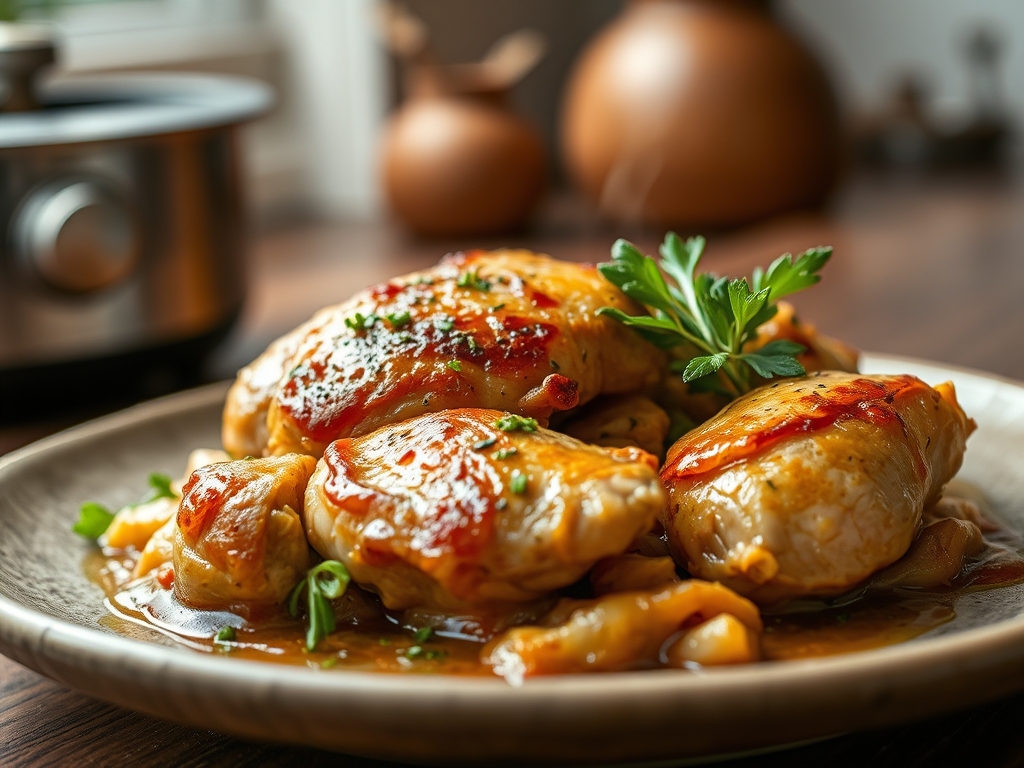
Imagine the scent of slow-simmered aromatics greeting you the moment you turn the deadbolt after a long day. There is a specific kind of domestic magic found in the low and slow hum of a ceramic vessel. When we talk about crock pot healthy chicken recipes, we are not just discussing convenience; we are mastering the art of moisture retention and collagen breakdown. This is where high-quality protein meets effortless nutrition. We are moving far beyond the watery, bland stews of the past. Instead, we are focusing on bold spices, bright acids, and textures that feel like a luxury restaurant meal but require about twenty minutes of actual labor.
The secret to a truly transformative slow cooker meal lies in the chemistry of the ingredients. By selecting lean cuts like breast or thigh and pairing them with high-fiber vegetables and complex carbohydrates, we create a metabolic powerhouse. These six recipes are designed to maximize flavor through long-term infusion. We will use the gentle, indirect heat of the crock pot to coax out every molecule of sweetness from onions and every piquant note from fresh ginger. Whether you are craving a velvety Thai green curry or a robust Mediterranean ragu, these meals prove that "healthy" and "indulgent" are not mutually exclusive terms. Grab your apron and your favorite wooden spoon; we are about to redefine your weeknight routine.
The Gathers:
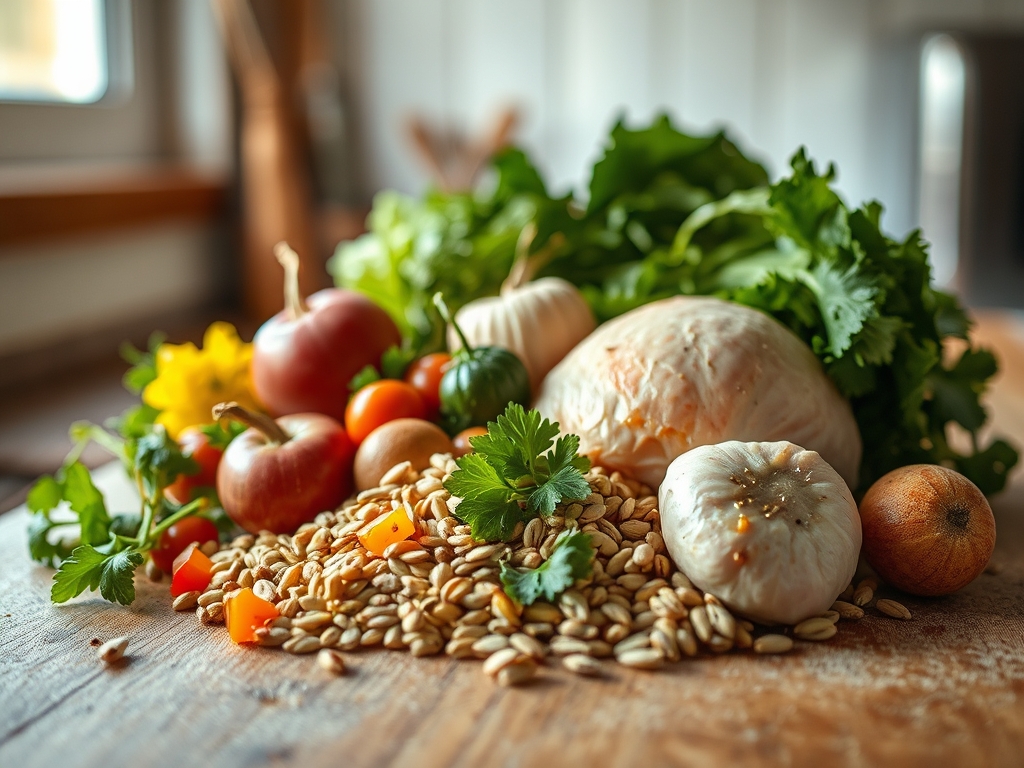
To execute these crock pot healthy chicken recipes with precision, your mise-en-place must be intentional. Start with your protein. I recommend organic, air-chilled chicken. Air-chilled poultry has not been bloated with water weight, meaning the meat will better absorb your cooking liquid rather than diluting it. You will need a digital scale to ensure your macros are exact; aim for 1.5 to 2 pounds of chicken per batch.
Next, focus on the aromatics. Use a microplane to grate fresh garlic and ginger directly into the pot. This creates a fine paste that distributes flavor more evenly than chunky knife cuts. For the base, gather colorful fibrous vegetables: bell peppers, lacinato kale, and sweet potatoes. These provide the structural integrity needed to withstand long cook times without turning into mush.
Smart Substitutions:
If you are watching your sodium, swap traditional soy sauce for coconut aminos; it provides that same umami depth with a fraction of the salt. Instead of heavy cream to thicken your sauces, use a blended can of white cannellini beans or a splash of full-fat coconut milk. These swaps provide a viscous mouthfeel while adding fiber and healthy fats. Finally, always keep a high-quality sea salt and a pepper mill nearby. Freshly cracked peppercorns contain volatile oils that pre-ground pepper simply lacks.
The Clock:
Efficiency in the kitchen is all about the Chef's Flow. For these six meals, expect a total active prep time of 15 to 20 minutes per dish. This includes the time spent using a bench scraper to clear your board and a microplane for your zests.
The cooking window is flexible. On the "Low" setting, most of these recipes require 6 to 8 hours. This is the gold standard for chicken thighs, as it allows the connective tissue to render into gelatin, resulting in a melt-in-your-mouth texture. If you are using chicken breasts, aim for 3 to 4 hours on "High" to prevent the lean fibers from becoming stringy and dry. Use a digital thermometer to pull the meat the moment it hits 165 degrees Fahrenheit. This prevents overcooking and ensures the protein remains succulent.
The Masterclass:
1. The Sear and Deglaze
Before the chicken ever touches the ceramic pot, heat a heavy-bottomed skillet over medium-high heat. Add a teaspoon of avocado oil and sear the chicken for 2 minutes per side. Once removed, pour a splash of chicken stock into the pan to deglaze the brown bits.
Pro Tip: This process is known as the Maillard reaction. By browning the meat first, you create complex flavor compounds that a slow cooker cannot produce on its own due to the lack of high, dry heat.
2. Layering the Aromatics
Place your "hard" vegetables like carrots and onions at the very bottom of the crock pot. These act as a natural roasting rack for the chicken, preventing the meat from sitting directly on the heat source and toughening.
Pro Tip: Vegetables at the bottom undergo enzymatic browning more effectively because they are in direct contact with the heat, which intensifies the natural sugars in the produce.
3. The Liquid Ratio
Add your liquids, such as crushed tomatoes, broth, or citrus juices. You only need enough to cover the bottom third of the chicken. Unlike boiling, slow cooking creates its own moisture as the chicken releases juices.
Pro Tip: Using too much liquid leads to a diluted sauce. By keeping the liquid low, you allow the steam to infuse the meat while maintaining a concentrated, flavorful base.
4. The Low and Slow Phase
Cover the pot and resist the urge to peek. Every time you lift the lid, you release a significant amount of heat and steam, which can add 20 minutes to your total cook time.
Pro Tip: Maintaining a consistent internal temperature is crucial for thermal carryover. When the heat stays trapped, the fibers of the meat relax uniformly, ensuring a tender finish.
5. The Fresh Finish
In the final 15 minutes of cooking, stir in your "soft" greens like spinach or herbs like cilantro. This is also the time to add a splash of acid, such as lime juice or apple cider vinegar.
Pro Tip: Acid acts as a flavor brightener. It cuts through the richness of the rendered fats and "wakes up" the palate, making the healthy ingredients taste more vibrant.
6. The Rest and Shred
Remove the chicken and let it rest on a cutting board for 5 minutes before using tongs to shred it. This allows the juices to redistribute back into the muscle fibers.
Pro Tip: If you shred meat while it is piping hot, the steam escapes instantly, leaving the chicken dry. Resting ensures the moisture stays exactly where you want it.
The Deep Dive:
When analyzing the macro nutrition of these crock pot healthy chicken recipes, we are looking at a balanced profile. Each serving typically yields 30 to 40 grams of protein, 15 grams of complex carbohydrates, and 8 to 12 grams of healthy fats.
Dietary Swaps:
For a Keto version, omit root vegetables and sub in cauliflower or zucchini. For a Vegan alternative, replace the chicken with chickpeas or firm tofu; however, reduce the cook time to 4 hours to avoid over-softening. All these recipes are naturally Gluten-Free as long as you use tamari instead of soy sauce.
The Fix-It:
- Too Watery: If your sauce is thin, whisk a teaspoon of arrowroot powder with cold water and stir it in for the last 10 minutes to create a viscous glaze.
- Bland Flavor: You likely need more acid. Add a teaspoon of lemon juice or a splash of red wine vinegar to balance the salts.
- Dry Meat: This usually happens with chicken breasts. Next time, use a saucier to spoon the cooking liquid over the meat every hour if you are home, or switch to thighs.
Meal Prep:
To maintain "day-one" quality, store the chicken and sauce together. When reheating, use the microwave at 70% power. This prevents the protein from "popping" and drying out, keeping the texture supple.
The Wrap-Up:
Mastering these crock pot healthy chicken recipes is like giving a gift to your future self. You are leveraging the science of slow-heat conduction to create meals that nourish your body without draining your energy. By focusing on the Maillard reaction, proper layering, and the final hit of acidity, you elevate simple ingredients into a culinary experience. Remember, the crock pot is a tool; your technique is what makes the meal. Now, go fill that ceramic pot with something incredible and enjoy the extra time you just won back in your day!
The Kitchen Table:
Can I put frozen chicken in the crock pot?
It is not recommended for safety. Frozen meat stays in the "danger zone" temperature range for too long, risking bacterial growth. Always thaw your chicken completely in the refrigerator before adding it to the slow cooker for even heat distribution.
How do I prevent my chicken from getting tough?
Toughness usually results from overcooking or using high heat for too long. For the best results, use chicken thighs on the "Low" setting. If using breasts, use a digital thermometer to ensure they do not exceed 165 degrees Fahrenheit.
Can I add dairy like Greek yogurt to the pot?
Do not add dairy at the beginning, as the long heat cycle will cause it to curdle and separate. Instead, stir in your yogurt, sour cream, or heavy cream during the last ten minutes of cooking to maintain a smooth texture.
What is the best way to thicken a slow cooker sauce?
The most effective way is to create a slurry. Mix one tablespoon of cornstarch or arrowroot powder with two tablespoons of cold water. Stir this into the bubbling liquid during the final 20 minutes of cooking until it becomes glossy.