
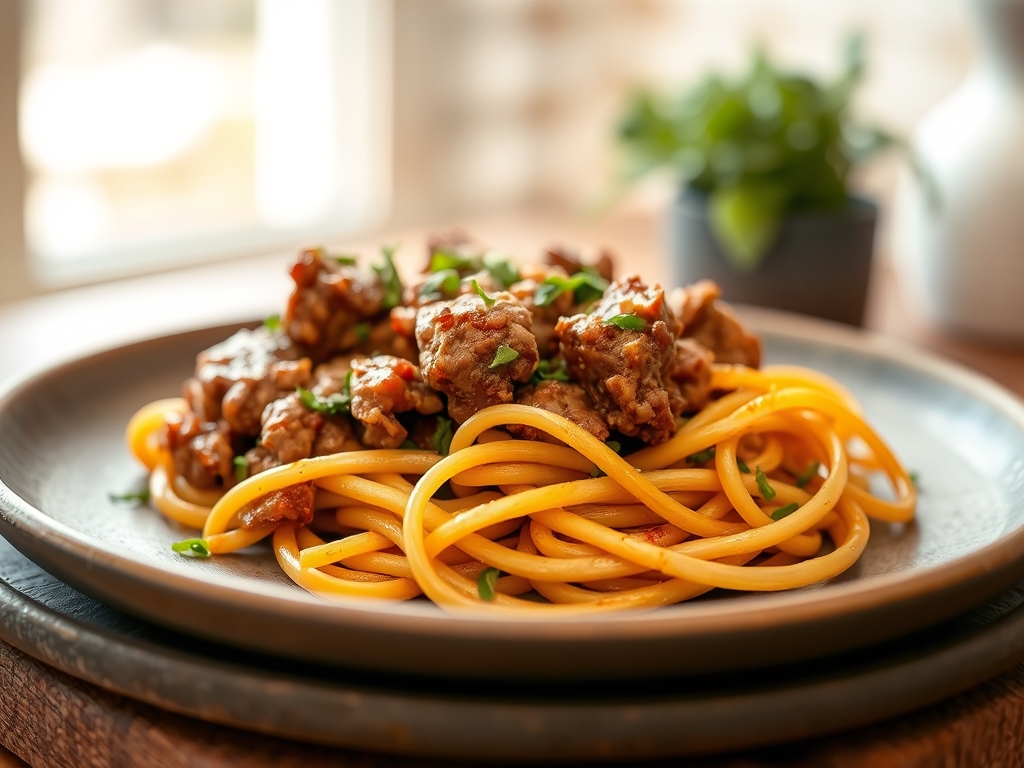
The sizzle of cold fat hitting a preheated heavy-bottomed skillet is the universal siren song of a home cook who needs results now. We have all been there; it is 6:00 PM, the fridge is a void of inspiration, and your appetite is demanding something more substantial than a protein bar. This is where the humble pound of chuck becomes your culinary hero. By mastering a few foundational techniques, you can transform basic ingredients into easy quick ground beef recipes for dinner that taste like they required a full afternoon of labor. We are talking about deep umami, crispy edges, and sauces that cling to every curve of a noodle. This guide is not just about feeding yourself; it is about reclaiming your evening with efficiency and flair. We are going to dive into the chemistry of browning and the art of the quick sauce so you can go from "starving" to "satisfied" in under twenty minutes. Grab your favorite wooden spoon and let us get to work.
The Gathers:
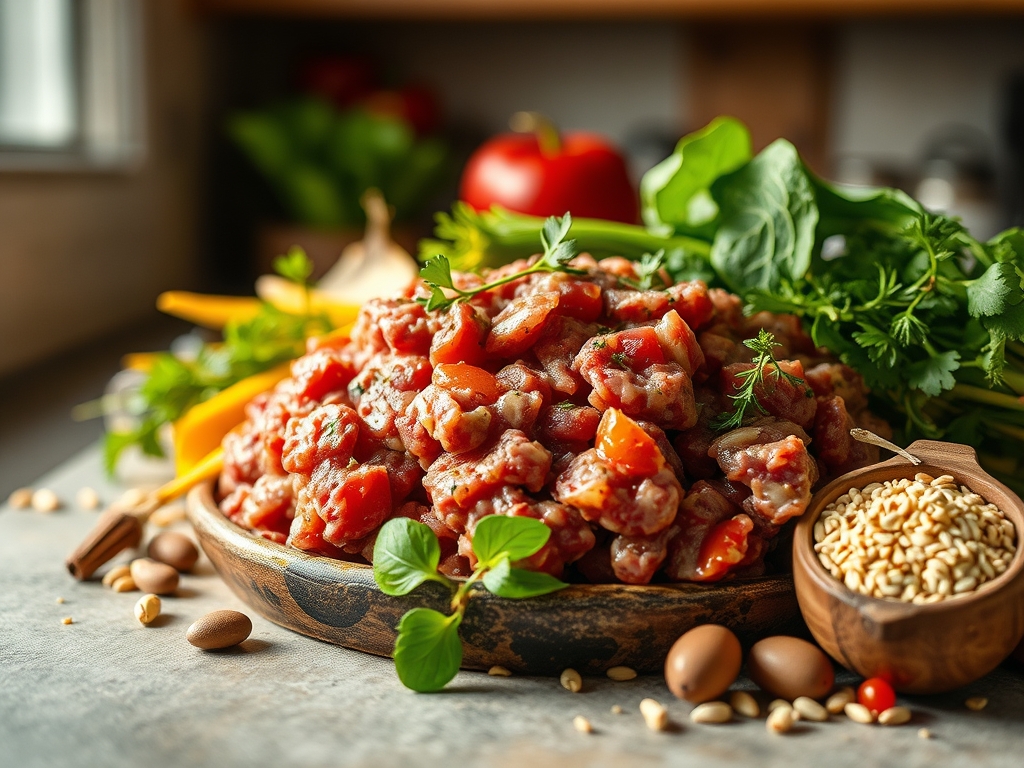
To execute these recipes with precision, your mise-en-place must be tight. Start with high-quality ground beef, ideally an 80/20 blend. This ratio ensures enough intramuscular fat to render out, providing the conductive medium necessary for the Maillard reaction. You will need aromatic foundations: cloves of garlic ready for the microplane, shallots for a delicate piquancy, and fresh ginger if we are heading toward a stir-fry profile.
Your pantry should be stocked with "flavor bombs." Keep high-viscosity soy sauce, toasted sesame oil, and a tube of concentrated tomato paste on hand. For acidity, have rice vinegar or a bright lemon nearby to cut through the richness of the beef fat.
Smart Substitutions: If you are out of fresh aromatics, do not reach for the dusty garlic powder. Instead, use a dollop of chili crisp or a splash of Worcestershire sauce to provide that savory depth. If you find your beef is too lean (90/10), whisk a teaspoon of cornstarch into a tablespoon of water and massage it into the meat before cooking. This technique, known as velveting, protects the proteins from tightening and becoming tough during high-heat exposure.
The Clock
Efficiency in the kitchen is governed by the "Chef's Flow." This means identifying tasks that can happen simultaneously without compromising quality. For these easy quick ground beef recipes for dinner, the total active time is usually fifteen minutes, with a five-minute rest.
The flow works like this: The skillet heats while you prep aromatics. The beef sears while you whisk your sauce components in a small saucier. By the time the meat is browned, your sauce is ready to deglaze the pan. This overlapping timeline eliminates dead air and ensures that every component reaches its peak temperature at the exact moment of plating. Remember, heat is a fleeting ingredient; managing the clock is just as important as managing the seasoning.
The Masterclass
1. The High-Heat Sear
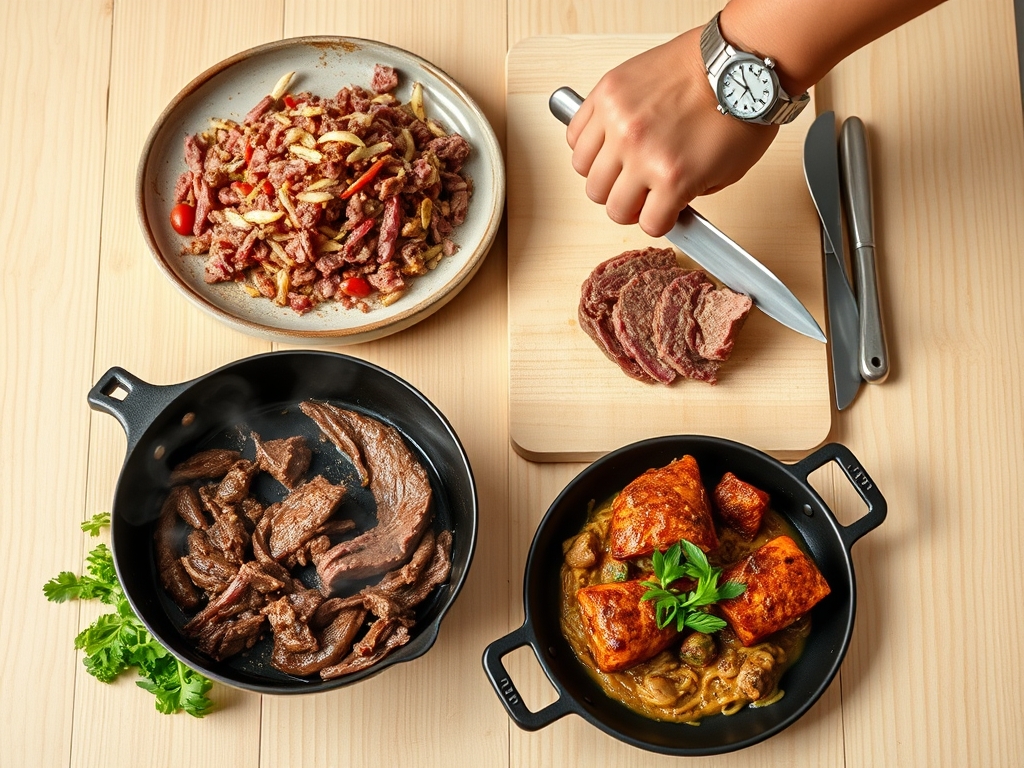
The secret to flavor is not in the spice cabinet; it is in the crust. Place your beef in a wide, flat skillet and resist the urge to stir. Let it sit undisturbed for three minutes to develop a deep brown crust.
Pro Tip: This is the Maillard reaction, a chemical dance between amino acids and reducing sugars. Stirring too early introduces steam, which leads to gray, boiled meat instead of savory, caramelized perfection.
2. Deglazing the Fond
Once the beef is browned, you will notice brown bits stuck to the bottom of the pan. This is called fond. Pour in a splash of liquid—broth, wine, or even water—and use a firm spatula to scrape those bits up.
Pro Tip: Deglazing uses solvent extraction to pull concentrated flavor compounds off the pan and into your sauce, creating a complex flavor profile in seconds.
3. Emulsifying the Sauce
If you are making a pasta or a stir-fry, the sauce needs to be viscous enough to coat the meat. Add a splash of starchy pasta water or a cornstarch slurry and toss vigorously over high heat.
Pro Tip: The starch acts as an emulsifier, binding the rendered beef fat and the liquid together into a glossy, unified sauce that won't separate on the plate.
4. Infusing Aromatics
Add your garlic, ginger, or herbs during the last sixty seconds of cooking. Pushing the meat to the edges and dropping the aromatics into the center allows them to bloom in the hot fat.
Pro Tip: Many flavor compounds in aromatics are fat-soluble. By "blooming" them in the rendered tallow, you distribute the scent and taste more effectively throughout the entire dish.
5. Managing Thermal Carryover
Remove the pan from the heat when the beef looks just slightly underdone. The internal temperature will continue to rise even after the flame is off.
Pro Tip: This is thermal carryover. If you cook the meat until it looks "perfect" in the pan, it will be dry and over-coagulated by the time it reaches the table.
6. Balancing with Acidity
Just before serving, add a squeeze of lime or a dash of vinegar. This is the final "brightening" step that elevates the dish from heavy to professional.
Pro Tip: Acid lowers the pH of the dish, which triggers salivation and makes the savory umami flavors of the beef taste more intense and defined.
7. Aerating the Garnish
When adding fresh herbs like cilantro or scallions, toss them in at the very end and give the pan a few good shakes to incorporate air.
Pro Tip: Aeration helps release the volatile aromatic oils in the fresh greens, ensuring the first thing your guests smell is freshness rather than cooked fat.
8. The Rest Phase
Even a quick stir-fry benefit from a two-minute rest before serving. This allows the protein fibers to relax and reabsorb some of the juices.
Pro Tip: This prevents purge, which is the unappealing pool of liquid that forms at the bottom of the plate when meat is cut or served too quickly after high-heat exposure.
The Deep Dive
From a nutritional standpoint, ground beef is a powerhouse of bioavailable iron and B12. To keep things balanced, aim for a 1:2 ratio of beef to fibrous vegetables.
Dietary Swaps: For a Keto version, ditch the cornstarch and use a pinch of xanthan gum to thicken sauces. For Vegan guests, crumbled tempeh or "bleeding" plant-based proteins work well, though you will need to add extra oil since they lack natural tallow. Gluten-Free cooks should swap soy sauce for tamari or coconut aminos.
The Fix-It:
- Too Greasy? Tilt the pan and use a folded paper towel held with tongs to blot excess fat before adding your sauce.
- Too Salty? Do not add water; add a splash of cream or a spoonful of unsweetened yogurt to buffer the sodium.
- Meat is Tough? You likely over-crowded the pan. Next time, cook in two batches to ensure the temperature stays high enough to sear rather than steam.
Meal Prep: When reheating, add a teaspoon of water and cover the dish tightly. This creates a steam chamber that prevents the proteins from becoming "rubbery" in the microwave.
The Wrap-Up
Dinner does not have to be a chore when you have the right tools and a little bit of science on your side. These easy quick ground beef recipes for dinner are designed to get you in and out of the kitchen with a meal that feels like a victory. By focusing on the sear, the deglaze, and the final acidic pop, you are applying professional standards to a weeknight staple. Now, get that skillet screaming hot and show that pound of beef who is boss!
The Kitchen Table
How do I prevent ground beef from sticking to the pan?
Ensure the skillet is properly preheated before adding the meat. Use a high-smoke-point oil and let the beef develop a crust before attempting to flip it; the meat will naturally release from the surface once the Maillard reaction occurs.
Can I cook ground beef straight from the freezer?
It is not recommended for a quality sear. Frozen beef releases too much moisture as it thaws in the pan, leading to steaming. For the best texture, thaw it in a bowl of cool water for twenty minutes first.
What is the best way to drain excess fat?
Carefully tilt your heavy-bottomed skillet and use a spoon to ladle out the liquid fat into a heat-safe container. Never pour grease down the sink, as it solidifies and causes major plumbing blockages once it cools.
How long does cooked ground beef stay fresh?
When stored in an airtight container, cooked beef remains safe and flavorful for three to four days in the refrigerator. For longer storage, freeze it for up to three months and reheat with a splash of broth to maintain moisture.