
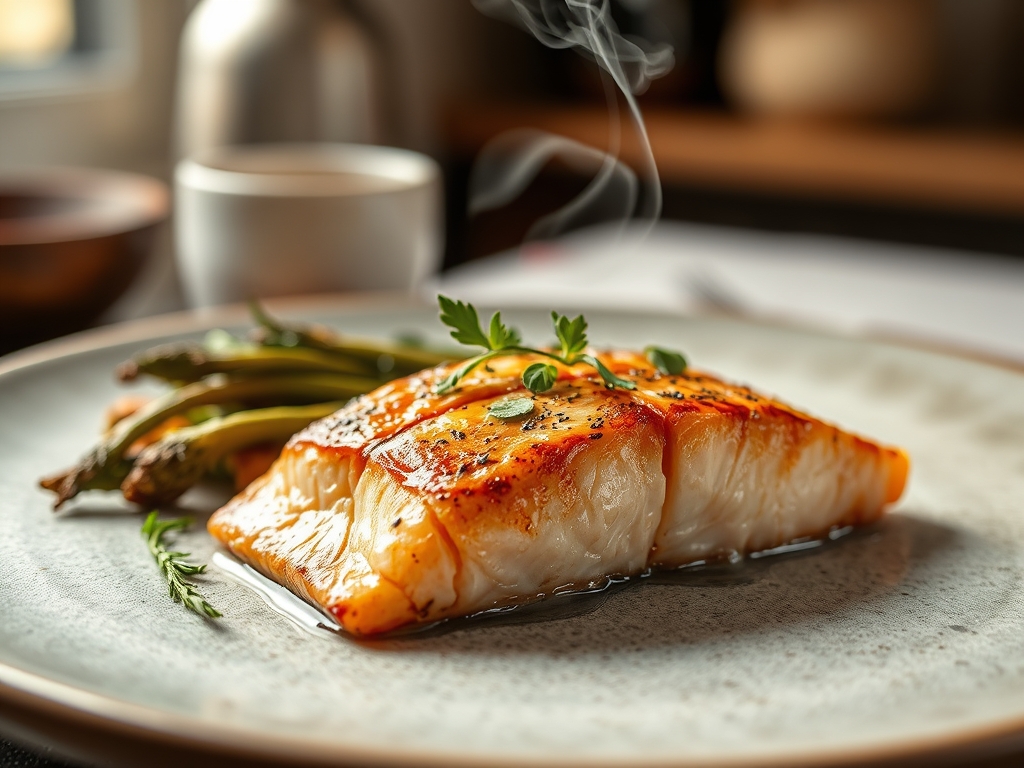
Imagine the sound of a heavy-bottomed stainless steel skillet meeting a high-heat flame; it is a rhythmic, metallic promise of the dinner to come. Within seconds, the kitchen fills with the piquant aroma of cold-pressed olive oil reaching its shimmer point. When that ruby-pink fillet hits the pan, the hiss is instantaneous. This is the sensory overture to discovering the best salmon recipes, where the goal is a glass-like skin and a center that yields like butter. We are moving beyond the dry, overcooked flakes of the past. We are entering a territory where culinary science meets pure comfort, ensuring your family asks for seconds before the first plate is even cleared. This guide is your masterclass in texture, temperature, and taste. We will explore how to harness the Maillard reaction to create a savory crust while maintaining the delicate, omega-3-rich interior that makes this fish a nutritional powerhouse. Whether you are a seasoned home cook or a nervous beginner, these techniques will transform your kitchen into a high-end bistro.
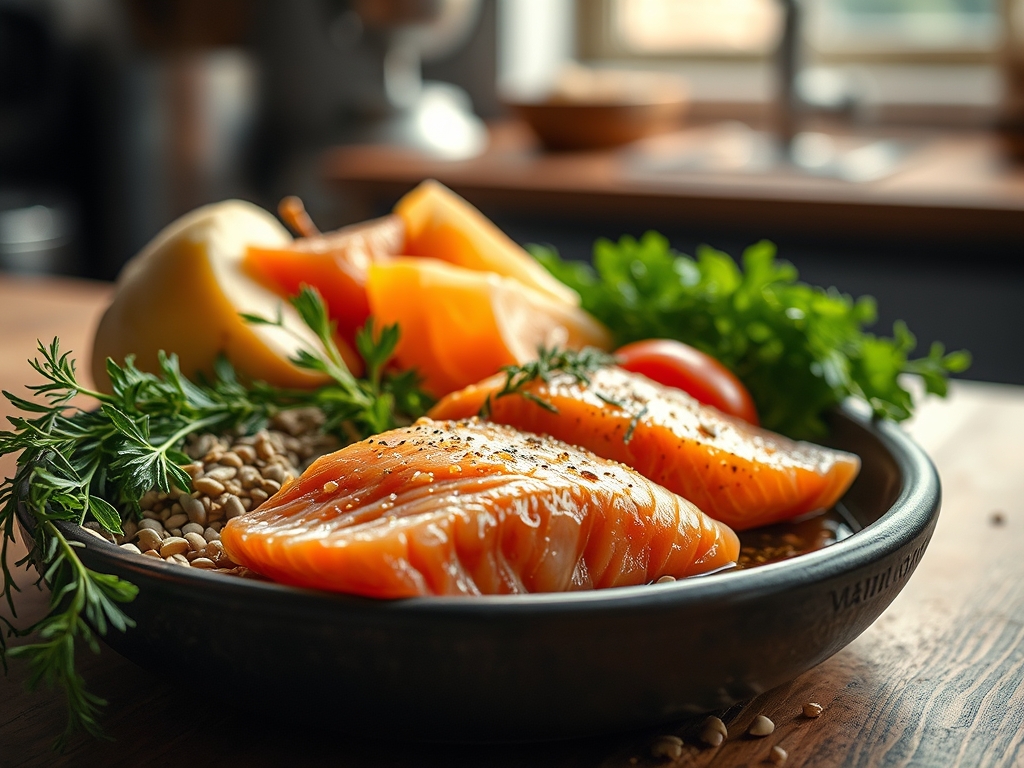
The Gathers:
To execute the best salmon recipes, your mise-en-place must be precise. Start with high-quality fillets, preferably center-cut for uniform thickness. You will need coarse kosher salt; the larger grains allow for better tactile control and even distribution. Fresh aromatics are non-negotiable. Gather a bunch of dill, flat-leaf parsley, and a bulb of garlic. Use a microplane to zest two lemons, releasing the volatile oils trapped in the flavedo without hitting the bitter white pith. For the fats, keep unsalted European-style butter and a high-smoke-point oil, like avocado or grapeseed, within reach.
Smart Substitutions: If you are avoiding dairy, a high-quality ghee offers the same nutty depth without the lactose. For those watching sodium, a splash of coconut aminos provides a viscous, savory punch that mimics the depth of soy sauce. If fresh herbs are unavailable, use one-third the amount of dried herbs, as their oils are more concentrated. Always ensure your fish is patted bone-dry with paper towels before you begin; moisture is the enemy of a crisp sear.
The Clock
The "Chef's Flow" is all about timing and thermal management. Total preparation time for these classics usually hovers around 15 minutes, with active cooking time spanning 8 to 12 minutes depending on the thickness of the fillet. The key is to allow the salmon to sit at room temperature for at least 10 minutes before it touches the heat. This prevents the muscle fibers from seizing up, which often results in the unappealing white albumin (protein) leaking out of the sides.
While the fish rests, use those 10 minutes to prepare your side dishes or whisk together a bright vinaigrette in a saucier. Once the pan is hot, the process moves quickly. You will spend about 6 minutes on the skin side to render the fat and 2 to 4 minutes on the flesh side. Always factor in 3 minutes of resting time off the heat. This allows the internal juices to redistribute, ensuring every bite is succulent rather than dry.
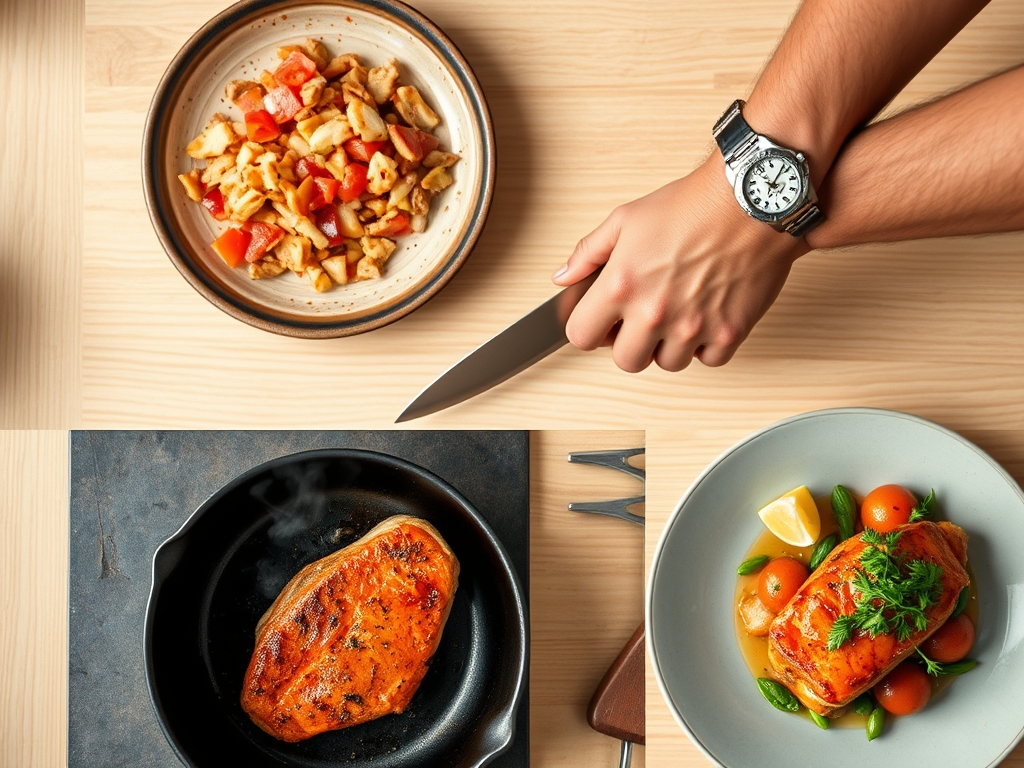
The Masterclass
1. The Surface Prep
Before the heat even enters the equation, use a bench scraper to clear your workspace and lay out your fillets. Pat the skin and flesh until they are completely dry. Season generously from about ten inches above the fish to ensure an even "snowfall" of salt and pepper.
Pro Tip: This step utilizes the science of surface tension. By removing moisture, you prevent the formation of steam, which allows the proteins to undergo the Maillard reaction immediately upon contact with the pan.
2. The Sear and Render
Heat your skillet until the oil is shimmering but not smoking. Place the salmon skin-side down using tongs, pressing gently with a flexible spatula for the first 30 seconds. This prevents the skin from curling as the collagen fibers contract.
Pro Tip: Pressing the fish ensures maximum surface contact. This facilitates efficient heat transfer, leading to a perfectly rendered, cracker-thin skin that acts as an insulating layer for the delicate meat above.
3. The Butter Baste
Once the skin is crisp, flip the fillet. Drop a knob of butter, a smashed garlic clove, and a sprig of thyme into the pan. As the butter foams, tilt the pan and use a large spoon to continuously bathe the salmon in the hot, flavored fat.
Pro Tip: This is known as "arrosage." The hot butter creates a convection effect, gently finishing the interior while the milk solids in the butter undergo enzymatic browning, adding a toasted, nutty flavor profile.
4. The Thermal Finish
Remove the salmon when a digital scale or meat thermometer reads 125 degrees Fahrenheit for medium-rare. Transfer the fish to a warm plate and let it rest. Do not tent it tightly with foil, as this will trap steam and soften that hard-earned crispy skin.
Pro Tip: This accounts for "thermal carryover." The internal temperature will continue to rise by 5 to 7 degrees after removal from the heat. Pulling it early prevents the proteins from over-coagulating and becoming rubbery.
The Deep Dive
Salmon is a nutritional titan, boasting high levels of Vitamin B12, Potassium, and Selenium. From a macro perspective, a 6-ounce fillet provides roughly 34 grams of high-quality protein and 18 grams of healthy fats. For those on a Keto diet, salmon is a foundational staple due to its zero-carb profile. Vegan guests can enjoy the same flavor profiles by using "watermelon steaks" or firm tofu pressed and marinated in seaweed and soy to mimic the oceanic salinity.
The Fix-It: If your skin is sticking, you likely tried to flip it too early; wait for the proteins to naturally release from the pan. If the fish is "bleeding" white gunk, your heat was too high, causing the protein strands to contract too violently. Simply scrape it off; it is harmless but indicates a need for lower heat next time. If the interior is raw but the outside is charred, finish the fillets in a 300-degree oven to allow for slower heat penetration.
For meal prep, reheating is a delicate art. Avoid the microwave, which turns fats rancid and proteins tough. Instead, place the salmon in a covered pan with a tablespoon of water over low heat for 5 minutes. This creates a gentle steam bath that restores moisture without overcooking the core.
The Wrap-Up
Mastering the best salmon recipes is a gateway to culinary confidence. Once you understand the relationship between moisture, heat, and resting time, you can pivot between citrus-glazed fillets and herb-crusted masterpieces with ease. This fish is forgiving if you respect the science behind it. So, grab your skillet, trust your senses, and get ready to serve a meal that feels like a celebration of good food and better company. Your kitchen is now a place of precision and passion.
The Kitchen Table
How do I tell if salmon is cooked without a thermometer?
Use a cake tester or a thin metal skewer. Insert it into the thickest part of the fillet for five seconds, then touch it to your bottom lip. If it feels warm, the fish is perfectly medium-rare.
Why does my salmon always turn out dry?
Dryness usually results from omitting the resting period or ignoring carryover cooking. Remember that the internal temperature rises significantly after the fish leaves the pan. Always pull the salmon off the heat 5 degrees before your target temperature.
Can I cook salmon directly from the freezer?
It is not recommended. Cooking frozen salmon leads to uneven textures, where the outside becomes overcooked and "mushy" before the center thaws. For the best results, thaw overnight in the refrigerator to maintain the integrity of the cellular structure.
What is the best way to get crispy skin?
The secret is a bone-dry surface and a hot, heavy pan. Use a paper towel to remove every trace of moisture, then sear skin-side down without moving the fish until the skin naturally releases from the cooking surface.