
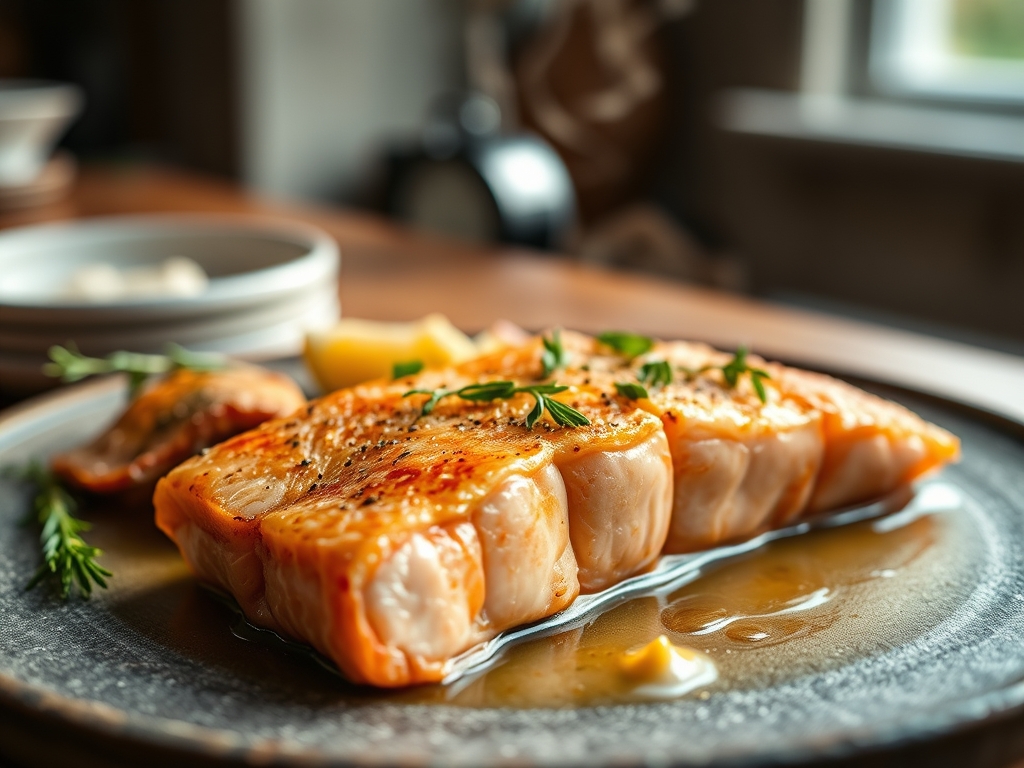
Imagine a cold, heavy-bottomed skillet meeting a vibrant fillet of Atlantic fish. As the heat rises, the skin begins to sizzle and curl, releasing a nutty aroma that fills your kitchen. We are not just cooking dinner; we are engineering a masterpiece of texture and fat. When you search for the most decadent salmon recipes butter is the secret weapon that bridges the gap between a simple protein and a restaurant-quality indulgence. It provides a viscous mouthfeel that olive oil simply cannot replicate. We are looking for that perfect shatter-crisp skin paired with a center so tender it practically melts upon contact with your tongue. This is about more than just heat; it is about the chemistry of lipids and the delicate structure of fish proteins. By the time we are finished, you will understand exactly why fat is the ultimate flavor carrier. Grab your apron and your favorite tongs. We are about to transform a humble piece of seafood into a buttery, golden-brown triumph that will make you the undisputed hero of your dining room table.
The Gathers:
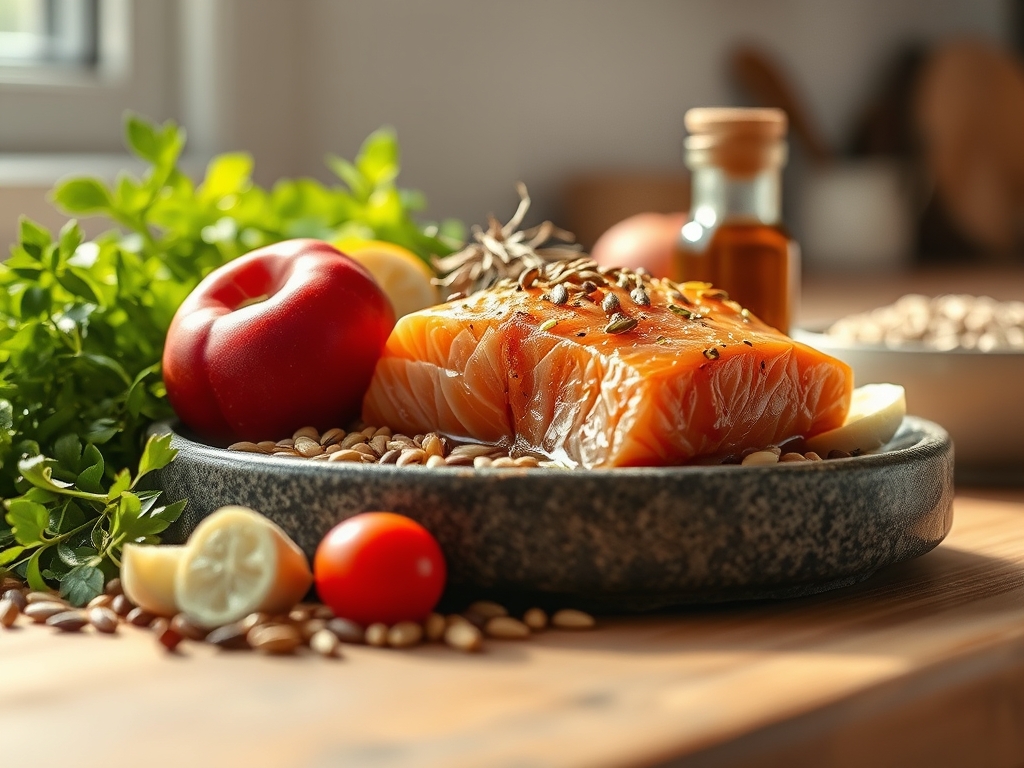
Before we ignite the burner, we must assemble our mise-en-place with precision. You will need high-quality center-cut fillets, preferably with the skin intact to act as a thermal barrier. For the fat component, reach for unsalted European-style butter. These varieties have a higher butterfat content and lower water percentage, which translates to better browning and less splattering in the pan. You will also need aromatics: fresh thyme sprigs, crushed garlic cloves, and a bright lemon for zest. Use a microplane to harvest the zest without hitting the bitter white pith. For seasoning, skip the table salt and use flaky sea salt or kosher salt to ensure an even distribution of salinity.
Smart Substitutions are essential for the modern kitchen. If you are avoiding dairy, a high-quality vegan butter made from avocado or olive oil can mimic the richness, though it may brown more quickly due to different solid contents. For a piquant twist, swap the lemon for lime or even a splash of dry white wine to deglaze the pan. If you find yourself without fresh herbs, a pinch of dried tarragon can offer a similar earthy profile, though you should use a lighter hand as dried herbs are more concentrated in flavor.
The Clock
Efficiency in the kitchen is dictated by the Chef's Flow. This entire process takes approximately 20 minutes from start to finish. Spend the first 5 minutes on preparation: patting the fish dry, portioning, and gathering your tools. The actual cooking time is roughly 10 to 12 minutes. This includes a 6-minute sear on the skin side to render the subcutaneous fat and a 4-minute finish on the flesh side with active basting. Allow for a 3-minute rest period. This resting phase is non-negotiable; it allows the muscle fibers to relax and reabsorb the internal juices, ensuring your first bite is succulent rather than dry.
The Masterclass
1. The Moisture Purge
Use a paper towel to aggressively pat the salmon skin dry. Moisture is the enemy of the Maillard reaction. If the surface is damp, the heat will be spent evaporating water rather than browning the proteins.
Pro Tip: This is known as surface desiccation. By removing water, you allow the surface temperature to rise rapidly above 285 degrees Fahrenheit, which is the threshold for complex flavor development and crisping.
2. The Cold Pan Start
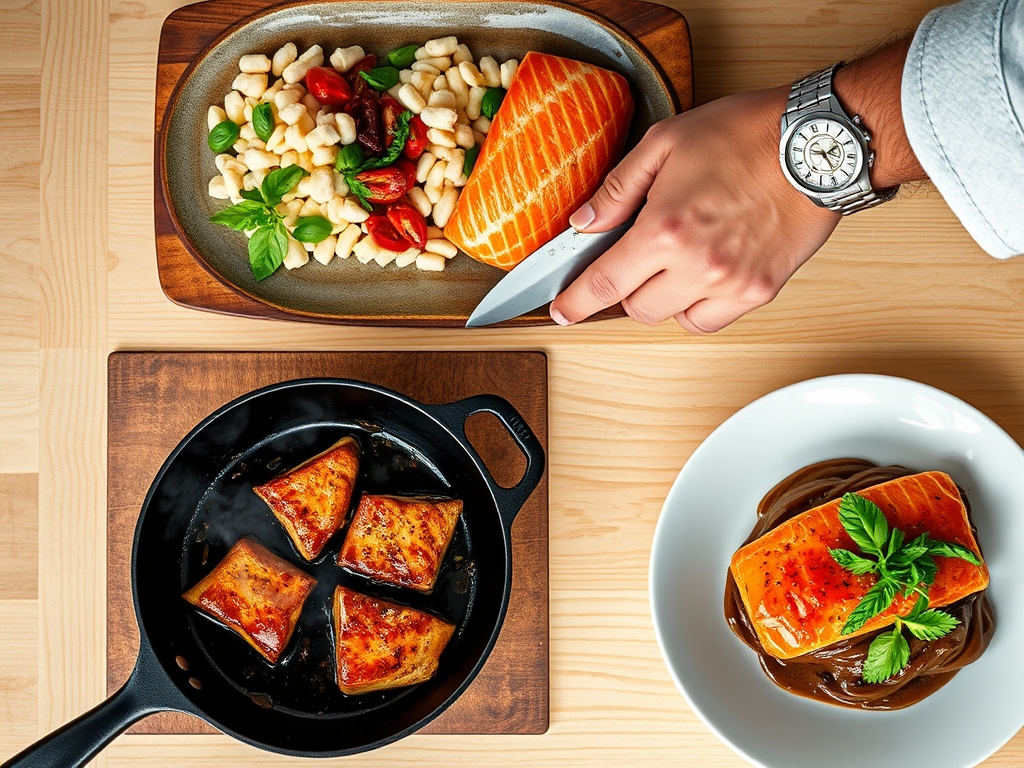
Place your salmon skin-side down in a cold, heavy-bottomed skillet before turning the heat to medium-high. This allows the fat under the skin to render slowly and evenly, preventing the skin from shrinking too fast and curling away from the heat source.
Pro Tip: Gradual heat prevents "protein snap." When fish hits a scorching pan instantly, the fibers contract violently, squeezing out moisture. A gradual start keeps the fillet flat and the interior juicy.
3. The Weight Technique
As the pan heats up, use a flexible fish spatula to press down firmly on each fillet for about 30 seconds. This ensures maximum contact between the skin and the metal surface, creating an even, golden crust across the entire bottom.
Pro Tip: This technique overcomes the natural tendency of fish skin to buckle. Uniform contact ensures even thermal conduction, leading to a consistent crunch without burnt spots.
4. The Butter Infusion
Once the skin is crisp and the flesh is cooked about three-quarters of the way up the side, flip the fillets. Immediately drop two tablespoons of butter, the garlic, and the thyme into the pan. As the butter melts and begins to foam, tilt the pan slightly.
Pro Tip: This is the "Arrosé" technique. The foaming action indicates that the water in the butter is evaporating, allowing the milk solids to toast. This creates a nutty, brown-butter flavor profile known as beurre noisette.
5. The Basting Ritual
Use a large spoon to continuously pour the hot, flavored butter over the salmon. This gentle method finishes the cooking process without toughening the delicate top layers of the fish.
Pro Tip: Basting utilizes convective heat transfer. The hot fat surrounds the protein, cooking it from the top down while simultaneously infusing it with the aromatics of garlic and thyme.
6. The Zest and Deglaze
Just before removing the pan from the heat, squeeze a fresh lemon wedge into the bubbling butter. The acidity will cut through the richness of the fat and create a light, emulsified sauce in seconds.
Pro Tip: This is a quick deglaze. The acid unbinds the flavorful browned bits (fond) from the bottom of the pan, incorporating them back into the butter for a more complex sauce.
7. The Thermal Check
Use a digital thermometer to check the internal temperature. For a perfect medium-rare, aim for 125 degrees Fahrenheit. The temperature will continue to rise during the rest.
Pro Tip: This is called thermal carryover. The residual heat on the exterior of the fish continues to move toward the center even after it leaves the pan, typically adding another 5 degrees.
8. The Final Rest
Transfer the salmon to a warm plate and let it sit for at least three minutes. Do not tent it with foil, as the trapped steam will soften that beautiful skin you worked so hard to crisp.
Pro Tip: Resting allows the internal pressure of the fish to equalize. If you cut into it immediately, the pressurized juices will escape, leaving the meat fibers stringy and dry.
The Deep Dive
From a nutritional standpoint, salmon is a powerhouse of Omega-3 fatty acids, which are essential for brain health and reducing inflammation. A standard 6-ounce portion provides roughly 34 grams of protein. While the butter adds saturated fat, it also aids in the absorption of fat-soluble vitamins like Vitamin D, which salmon has in abundance. For those on a Keto diet, this recipe is a holy grail of high-fat, moderate-protein macros. If you are following a Gluten-Free lifestyle, this method is naturally safe as it relies on whole ingredients rather than thickeners.
Even the best chefs encounter pitfalls. If your skin is sticking to the pan, you likely tried to flip it too early; the fish will naturally release once the crust is fully formed. If the butter is burning or turning black, your heat is too high; simply add a splash of cold oil to lower the temperature instantly. If the interior is raw while the outside is dark, lower your flame and finish the fish in a 300-degree oven for three minutes. For meal prep, reheat your salmon in a low-temperature oven (275 degrees) with a teaspoon of water covered in foil to prevent the proteins from becoming rubbery.
The Wrap-Up
Mastering salmon recipes butter style is a fundamental skill that elevates your home cooking from basic to brilliant. By focusing on the science of heat transfer and the beauty of emulsification, you create a dish that is both sophisticated and deeply comforting. Remember to trust your senses: listen for the sizzle, watch for the foam, and smell the transformation of the garlic. Cooking is an art, but it is powered by the logic of chemistry. Now, take these secrets, fire up your skillet, and enjoy the most luxurious meal of your week.
The Kitchen Table
How do I prevent salmon from smelling "fishy" during cooking?
Always use fresh, high-quality fillets and pat them dry. The "fishy" odor comes from Trimethylamine (TMA) which develops as fish ages. Fresh fish should smell like the ocean. Acidic components like lemon also help neutralize these odors during the cooking process.
Can I use salted butter for this recipe?
You can, but it is harder to control the final seasoning. Professional chefs prefer unsalted butter so they can precisely manage the salinity with high-quality sea salt. If using salted butter, reduce the amount of additional salt you sprinkle on the fish.
What is the white stuff that sometimes seeps out of salmon?
That white substance is called albumin. It is a harmless protein that coagulates and pushes to the surface when the fish is cooked too quickly or overcooked. Cooking the fish gently and using a thermometer helps minimize its appearance.
Why is my salmon skin not getting crispy?
The most common culprit is moisture on the skin or a pan that isn't hot enough. Ensure the skin is bone-dry before it hits the pan and avoid overcrowding the skillet, which can drop the temperature and cause steaming.
Is it better to cook salmon with the skin on or off?
Always cook with the skin on. The skin acts as a protective heat shield, preventing the delicate flesh from overcooking. Even if you do not plan to eat the skin, it helps maintain the moisture and structural integrity of the fillet.