
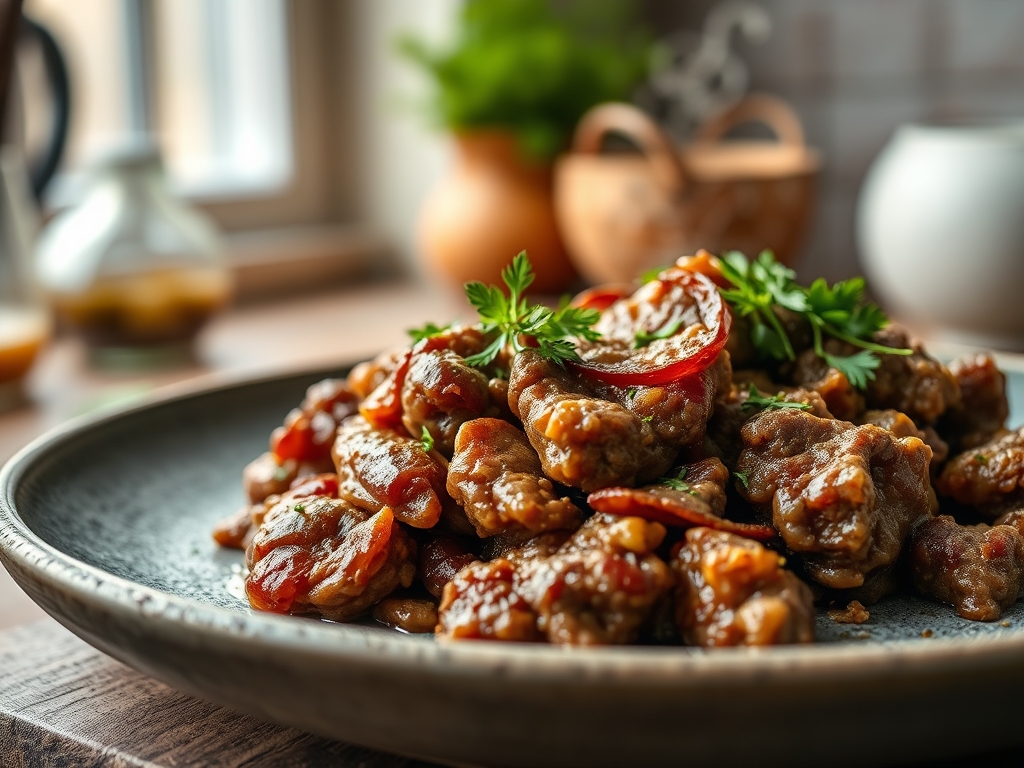
Imagine the sizzle of a heavy-bottomed skillet as it meets a cold, marbled protein blend. This is the sensory peak of home cooking; the moment where fat renders into a golden liquid and the air fills with the scent of caramelizing amino acids. Mastering ground pork and beef recipes is your secret weapon for achieving a depth of flavor that single-protein dishes simply cannot touch. By marrying the lean, iron-rich structure of beef with the succulent, high-fat profile of pork, you create a culinary synergy that transforms humble dinners into restaurant-quality experiences.
The magic lies in the ratios. While beef provides the savory backbone and "bite," pork acts as the moisture-retaining agent that prevents your meatballs or meatloaves from turning into dry, crumbly pucks. We are talking about a 50/50 or 70/30 split that ensures every forkful is velvety and rich. Whether you are folding these meats into a slow-simmered ragu or forming them into charred smash burgers, the combination relies on the Maillard reaction to develop those complex, nutty notes we crave. Grab your favorite apron and a glass of wine; we are about to elevate your kitchen game with technical precision and a lot of heart.
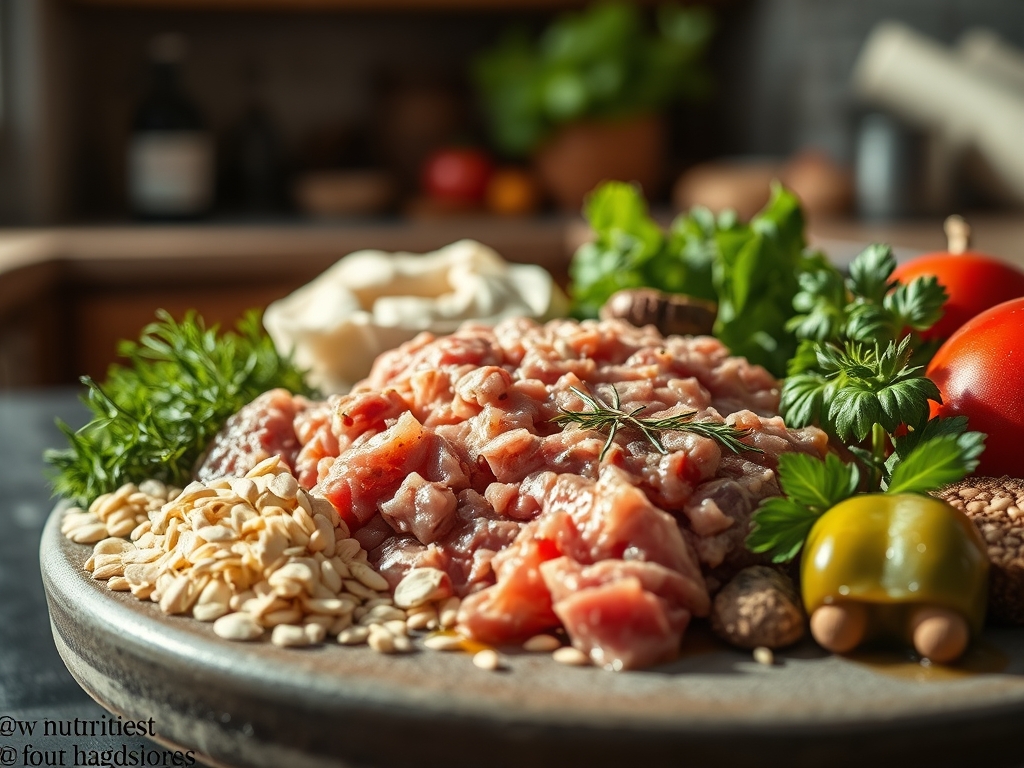
The Gathers:
To execute these ground pork and beef recipes with finesse, your mise-en-place must be intentional. Start with high-quality proteins. Look for an 80/20 ground chuck for the beef component to ensure enough intramuscular fat for flavor. For the pork, a standard ground shoulder provides the necessary collagen to create a silky mouthfeel. You will also need aromatics like shallots and garlic, which should be processed with a microplane to ensure they melt into the meat rather than creating chunky voids.
Fresh herbs like rosemary and thyme are non-negotiable; they contain volatile oils that infuse the fat as it renders. For acidity, keep a bottle of dry red wine or balsamic vinegar nearby to deglaze your pan. If you find yourself missing an ingredient, don't panic. Smart substitutions are your best friend. Swap breadcrumbs for panko to achieve a lighter, more aerated texture, or use a splash of heavy cream instead of milk for a more viscous, luxurious binder. If you are out of fresh garlic, a high-quality garlic oil can provide that piquant punch without the risk of burning the delicate cloves.
The Clock
Efficiency in the kitchen is all about the "Chef's Flow." For most of these ground pork and beef recipes, you are looking at a 15-minute prep window and a 20 to 45-minute cook time, depending on the application. The flow begins with the cold prep: dicing, grating, and measuring while your skillet preheats. Never drop meat into a lukewarm pan. You want that immediate sear to lock in juices.
While the meat browns, use that time to prep your secondary components like sauces or garnishes. This overlapping technique ensures that by the time your protein is resting, your sides are ready to plate. Remember that ground meat benefits from a short rest period of about five minutes. This allows the muscle fibers to relax and reabsorb the rendered fats, ensuring your first bite is just as juicy as the last.
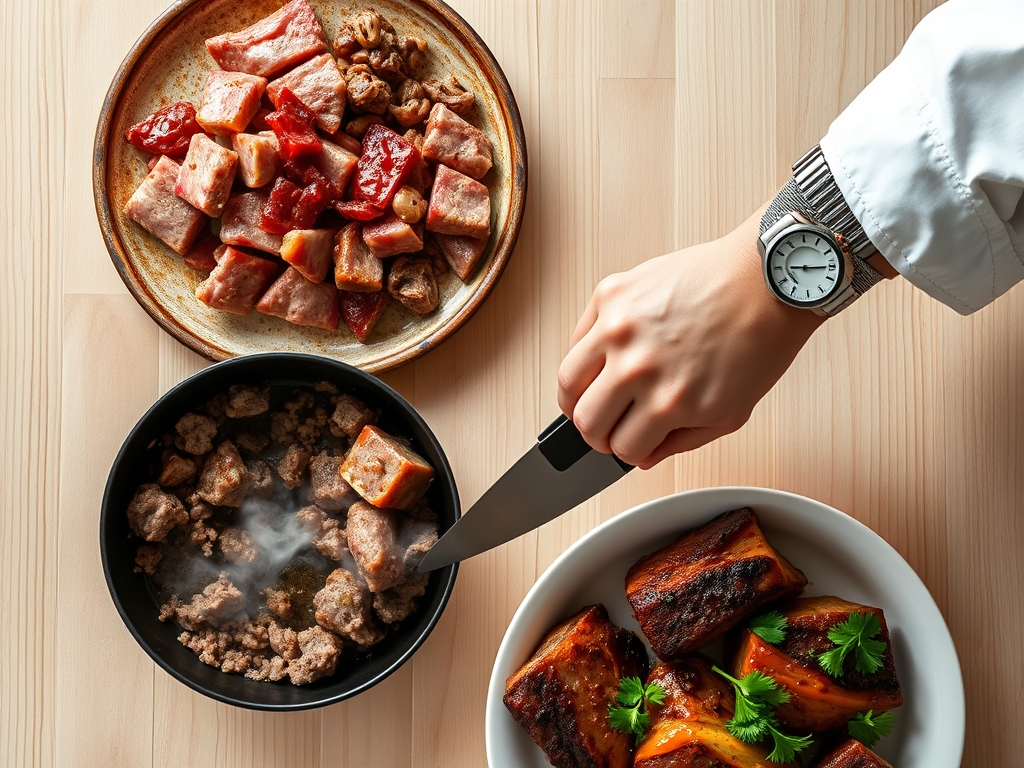
The Masterclass
1. Tempering and Seasoning
Before the meat touches the heat, take it out of the refrigerator for ten minutes to take the chill off. Use a digital scale to ensure your pork-to-beef ratio is exact. Season aggressively with kosher salt and cracked black pepper from a height to ensure even distribution across the surface area.
Pro Tip: This is known as protein tempering. Reducing the temperature bridge between the fridge and the pan prevents the meat from "shocking," which can cause excessive moisture loss and a rubbery texture.
2. The High-Heat Sear
Place your heavy-bottomed skillet over medium-high heat until a drop of water flicked onto the surface dances and evaporates instantly. Add a high-smoke-point oil and then the meat. Use a sturdy metal spatula or a bench scraper to break the meat into uniform crumbles, ensuring maximum surface area contact with the hot metal.
Pro Tip: Achieving a deep brown crust is the result of enzymatic browning. Do not overcrowd the pan; if you add too much meat at once, the temperature drops and the meat steams in its own juices rather than searing.
3. Deglazing the Fond
Once the meat is browned and removed, you will notice brown bits stuck to the bottom of the pan. This is "fond," and it is concentrated flavor gold. Pour in a splash of stock or wine and use a wooden spoon to scrape those bits up as the liquid simmers.
Pro Tip: Deglazing utilizes the solvent properties of liquids to lift caramelized proteins. This creates a built-in sauce base that carries the "roasty" notes of the meat throughout the entire dish.
4. Emulsifying the Binder
If you are making meatballs or loaf, fold in your binders (eggs, crumbs, or panade) gently. Use your hands or a silicone spatula to combine until just incorporated. Overworking the meat at this stage will develop too much myosin, leading to a dense, bouncy texture.
Pro Tip: A panade (a paste of bread and milk) acts as a physical barrier between protein strands. This prevents them from knitting together too tightly during the cooking process, ensuring a tender "short" crumb.
The Deep Dive
From a macro nutrition perspective, this blend is a powerhouse. You are getting high-density protein along with essential B-vitamins and zinc. While the fat content is higher than lean turkey, the satiety levels are significantly increased, meaning you will likely eat smaller portions. For those on specific diets, the swaps are simple. Keto followers can replace breadcrumbs with crushed pork rinds or almond flour. For a gluten-free version, use certified GF oats or a cooked quinoa binder to maintain structure.
Even the best cooks hit snags. If your meat is releasing too much liquid (the "gray meat" syndrome), your heat is too low; drain the excess fluid and crank the flame. If the blend is too salty, add a splash of lemon juice or vinegar; the acidity will balance the sodium perception on your palate. If the meat is sticking, leave it alone. It will naturally release from the pan once a proper crust has formed.
For meal prep, the science of reheating is vital. To maintain "day-one" quality, reheat your ground pork and beef recipes in a covered dish with a tablespoon of water or stock. This creates a steam chamber that re-hydrates the proteins without overcooking them. Avoid the microwave if possible; a low oven or a quick toss in a saucier over medium heat is far superior.
The Wrap-Up
You are now equipped with the technical knowledge to turn a simple pack of ground meat into a culinary masterpiece. By understanding the relationship between fat, heat, and binders, you have moved past following a recipe and into the realm of true kitchen intuition. Ground pork and beef recipes are the ultimate comfort food, offering a canvas for global flavors ranging from Italian ragu to spicy Thai basil stir-fry. Go forth, use your tools with confidence, and remember that the best ingredient you can add to any dish is a little bit of scientific curiosity.
The Kitchen Table
Why combine pork and beef instead of using just one?
Beef provides a robust, savory structure and iron-rich flavor, while pork adds essential fat and collagen. Together, they create a superior texture that is more moist and tender than beef alone, especially in high-heat or long-simmered applications.
What is the best fat ratio for ground meat recipes?
A 70/30 or 80/20 ratio of lean meat to fat is ideal. This ensures there is enough rendered fat to lubricate the muscle fibers during cooking, preventing the dish from becoming dry, tough, or flavorless after the searing process.
How do I prevent my meatballs from falling apart?
Use a binder like a panade (bread soaked in milk) or eggs. These ingredients act as a "glue" that holds the protein fibers together while adding moisture. Avoid over-mixing, which can make the meat too dense and difficult to bind.
Can I freeze ground pork and beef blends?
Yes, you can freeze raw or cooked blends for up to three months. For best results, vacuum seal the meat or wrap it tightly in plastic wrap and foil to prevent freezer burn and oxidative rancidity of the fats.
How do I know when ground meat is safely cooked?
Use a digital meat thermometer to ensure the internal temperature reaches 160 degrees Fahrenheit. This is the USDA-recommended threshold to neutralize harmful bacteria while still maintaining the juicy, palatable qualities of the pork and beef mixture.