
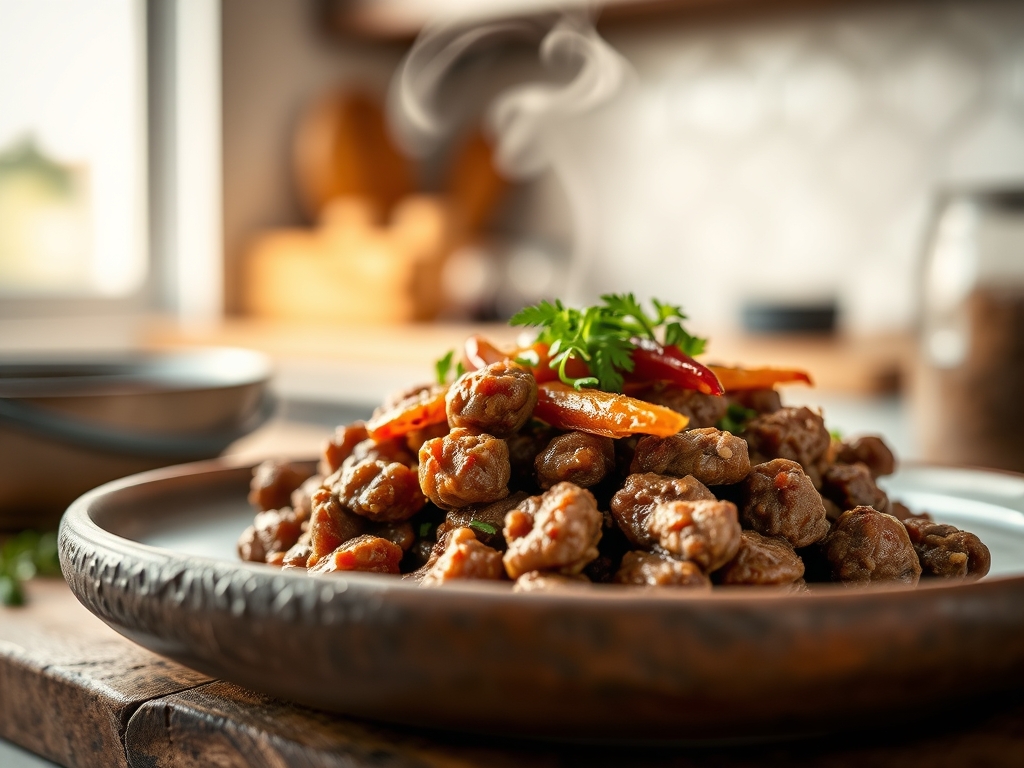
Picture the sound of a heavy bottomed skillet hitting a gas burner; it is a resonant, metallic thud that signals the start of something incredible. You drop a portion of protein onto the hot surface and the room fills with that unmistakable, savory perfume of searing fat. Finding lean ground beef recipes that actually taste like a luxury indulgence rather than a fitness chore is the ultimate kitchen win. We are moving past the days of dry, crumbly patties and into a world where moisture retention and bold aromatics take center stage. This is about working smarter, not harder, to achieve that perfect Maillard reaction while keeping your macros tight and your palate thrilled.
The secret to mastering lean ground beef recipes lies in the physics of the sear. Because lean beef has less intramuscular fat to buffer the heat, we have to be intentional about how we introduce moisture and flavor. We are going to use high heat to create a crust, then use liquids like bone broth or piquant acids to deglaze the pan and build a silky sauce. Whether you are prepping for a busy week or hosting a last minute dinner, these six variations will prove that "lean" does not mean "lackluster." Let us get the mise en place ready and dive into the chemistry of the perfect meal.
The Gathers:
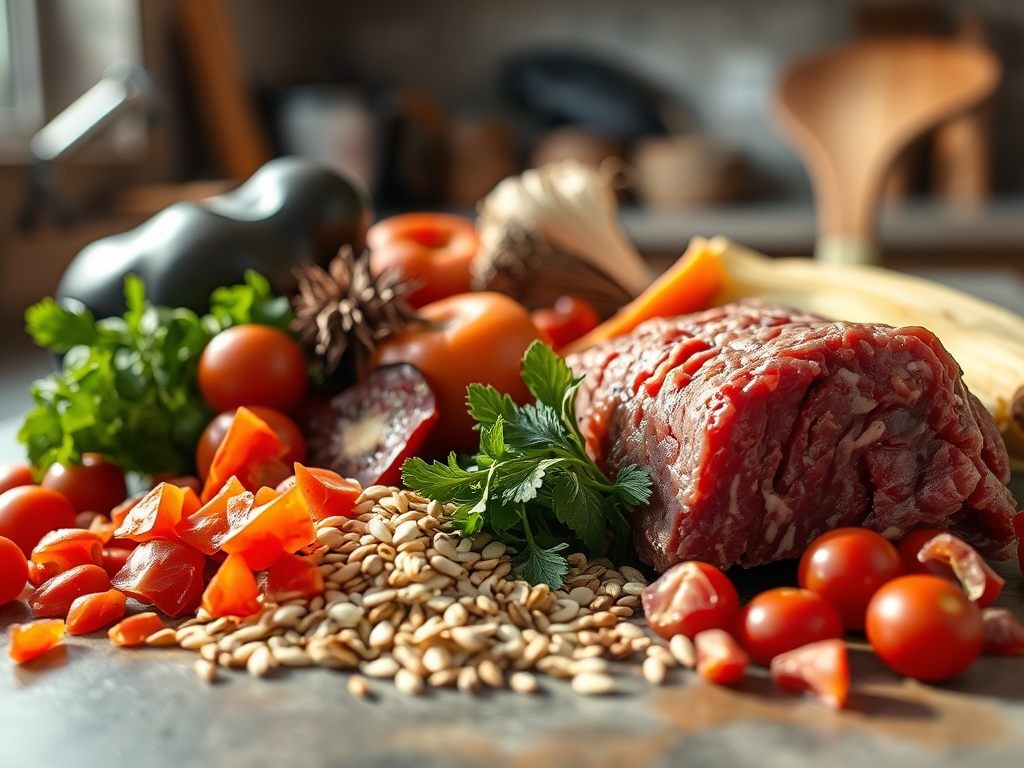
To execute these lean ground beef recipes with precision, your counter should look like a curated laboratory of flavor. Start with 93/7 or 96/4 lean ground beef, ensuring it is at room temperature before it touches the pan to prevent the muscle fibers from seizing. You will need a high smoke point oil, such as avocado or grapeseed oil, to facilitate even heat distribution without scorching.
For the aromatics, gather fresh garlic, shallots, and ginger. Using a microplane to grate these ingredients ensures they melt into the beef, creating a more viscous and integrated sauce. You will also want a variety of textures: crisp bell peppers, earthy shiitake mushrooms, and snappy green beans. For the liquids, keep a bottle of low sodium soy sauce, apple cider vinegar, and a rich beef bone broth nearby.
Smart Substitutions:
If you are looking to increase the volume without adding significant calories, use a bench scraper to finely mince mushrooms and "cut" them into the beef. This is known as "the blend" technique; it adds moisture and umami while reducing the overall caloric density. If you need a gluten free thickener, swap traditional flour for arrowroot powder or cornstarch to create a glossy, translucent finish on your sauces.
The Clock
Efficiency in the kitchen is all about the "Chef's Flow." These lean ground beef recipes are designed to move from fridge to table in under 25 minutes. Total prep time is approximately 10 minutes, mostly focused on dicing vegetables and whisking together your sauce bases. The actual cook time per dish is a swift 10 to 12 minutes.
The "Flow" dictates that you should always preheat your heavy bottomed skillet for at least three minutes before adding oil. While the pan reaches the target temperature, use your digital scale to portion the beef. By the time the oil begins to shimmer, your aromatics should be prepped and ready to hit the heat. This prevents the beef from steaming in its own juices, which is the primary cause of that unappealing gray color often found in amateur cooking.
The Masterclass
1. The High Heat Sear
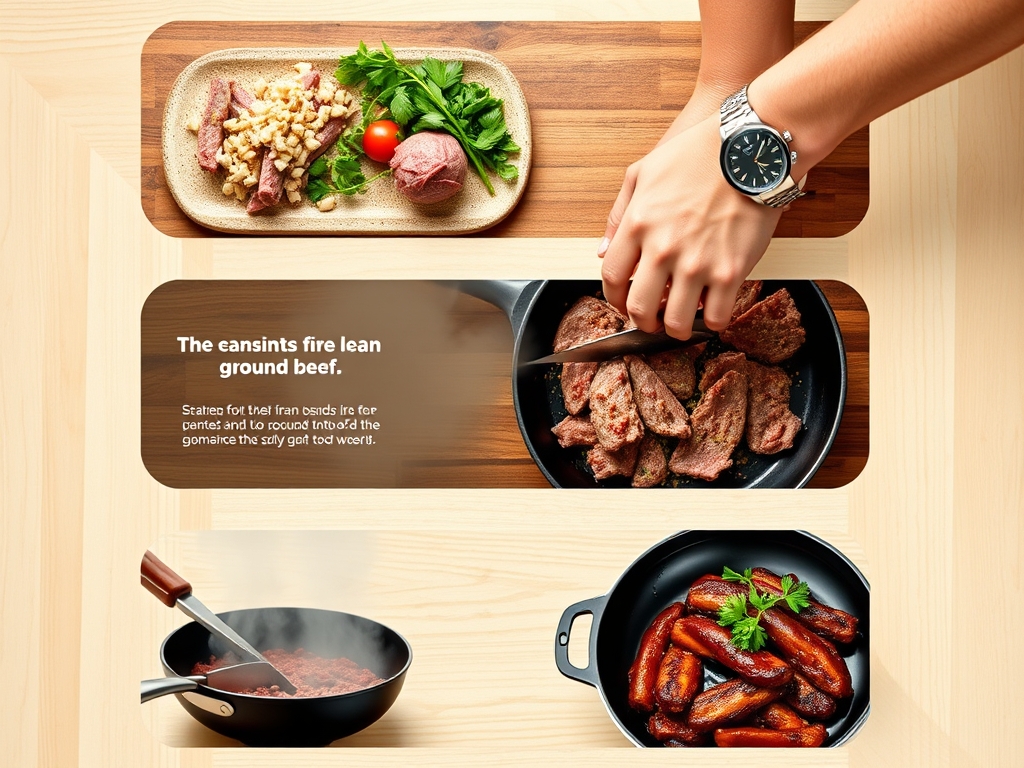
Place your beef in the hot skillet and resist the urge to move it immediately. Use a stiff spatula or tongs to press the meat into the surface of the pan. This maximizes contact for the Maillard reaction, the chemical process where amino acids and reducing sugars create a complex, browned crust.
Pro Tip: This is called enzymatic browning. By leaving the meat undisturbed for the first 3 minutes, you develop a deep flavor profile that cannot be replicated by seasoning alone.
2. The Aromatic Infusion
Once the beef is browned, push it to the perimeter of the pan and drop your minced garlic and shallots into the center. Allow them to bloom in the small amount of rendered fat until they become translucent and fragrant.
Pro Tip: Fat is a flavor carrier. Infusing the aromatics directly into the fat before mixing them with the meat ensures the flavor is distributed at a molecular level rather than just sitting on the surface.
3. Deglazing the Foundation
Pour your liquid components, such as broth or vinegar, into the pan. Use your spatula to scrape up the "fond," which are the brown bits stuck to the bottom. These bits are concentrated umami gold.
Pro Tip: Deglazing is a thermal shock process. It releases the caramelized proteins from the pan and incorporates them into a viscous sauce, ensuring no flavor is wasted.
4. Aerating the Vegetables
Toss in your vegetables and turn the heat up slightly. You want to flash cook them so they retain their vibrant color and "snap." Overcooking vegetables leads to cellulose breakdown, making them mushy and dull.
Pro Tip: Using high heat for a short duration preserves the water soluble vitamins within the vegetables, maintaining both nutritional integrity and aesthetic appeal.
5. The Emulsification Finish
Turn off the heat and stir in a cold pat of butter or a splash of heavy cream if your macros allow. If staying strictly lean, a squeeze of lime or lemon juice will suffice. Stir vigorously to create a cohesive, glossy finish.
Pro Tip: This is called mounting with fat. Even a tiny amount of fat added at the end creates a temporary emulsion that coats the palate and provides a luxurious mouthfeel.
6. Resting and Carryover
Transfer the meal to a plate and let it sit for two minutes before serving. This allows the internal juices to redistribute through the muscle fibers.
Pro Tip: Thermal carryover means the meat continues to cook for a few degrees after being removed from the heat. Pulling the beef off the stove just before it looks "done" prevents it from becoming tough.
The Deep Dive
Macro Nutrition: Lean ground beef is a nutritional powerhouse. A 4 ounce serving of 95% lean beef provides roughly 24 grams of protein and only 6 grams of fat. It is rich in Vitamin B12, Zinc, and Iron, making it an ideal choice for muscle recovery and metabolic health.
Dietary Swaps:
- Vegan: Swap the beef for a walnut and mushroom crumble or a high quality soy based ground.
- Keto: Serve these recipes over cauliflower rice or shredded cabbage instead of grains.
- GF: Ensure your soy sauce is replaced with tamari or coconut aminos.
The Fix-It:
- The Meat is Gray: Your pan wasn't hot enough or you overcrowded it. Fix: Cook in smaller batches next time and ensure the oil is shimmering.
- Too Much Liquid: If the dish looks like soup, remove the meat and veggies and boil the liquid down in a saucier until it reduces by half.
- The Beef is Tough: You likely overmixed the meat before cooking. Fix: Handle the raw beef as little as possible to keep the protein strands loose.
Meal Prep Science: To maintain "day one" quality, undercook your vegetables slightly if you plan to reheat them. When reheating, add a tablespoon of water or broth to the container and cover it loosely. This creates a steam chamber that prevents the beef from drying out in the microwave.
The Wrap-Up
Mastering lean ground beef recipes is like having a secret weapon in your culinary arsenal. It is the perfect marriage of high performance nutrition and soulful, savory flavor. By understanding the science of the sear and the importance of deglazing, you have transformed a humble ingredient into a gourmet experience. Now, grab your favorite bowl, find a cozy spot, and enjoy the fruits of your scientific labor. You have officially leveled up your kitchen game.
The Kitchen Table
How do I keep lean beef from getting dry?
The key is adding moisture through "the blend" method with mushrooms or deglazing with broth. Also, never overcook the meat; pull it off the heat as soon as the pink disappears to account for carryover cooking.
What is the best way to store leftovers?
Store in airtight glass containers for up to four days. To reheat, use a damp paper towel over the top to create steam, which rehydrates the protein fibers and keeps the texture supple and tender.
Can I freeze these meals?
Yes, these recipes freeze beautifully. Ensure the meal is completely cool before sealing to prevent ice crystals. Thaw in the refrigerator overnight before reheating in a skillet to restore the original texture and flavor profile.
What is the best pan for browning beef?
A cast iron or stainless steel heavy bottomed skillet is superior. These materials retain heat more effectively than nonstick pans, allowing for a better sear and the development of the flavorful "fond" necessary for deglazing.