
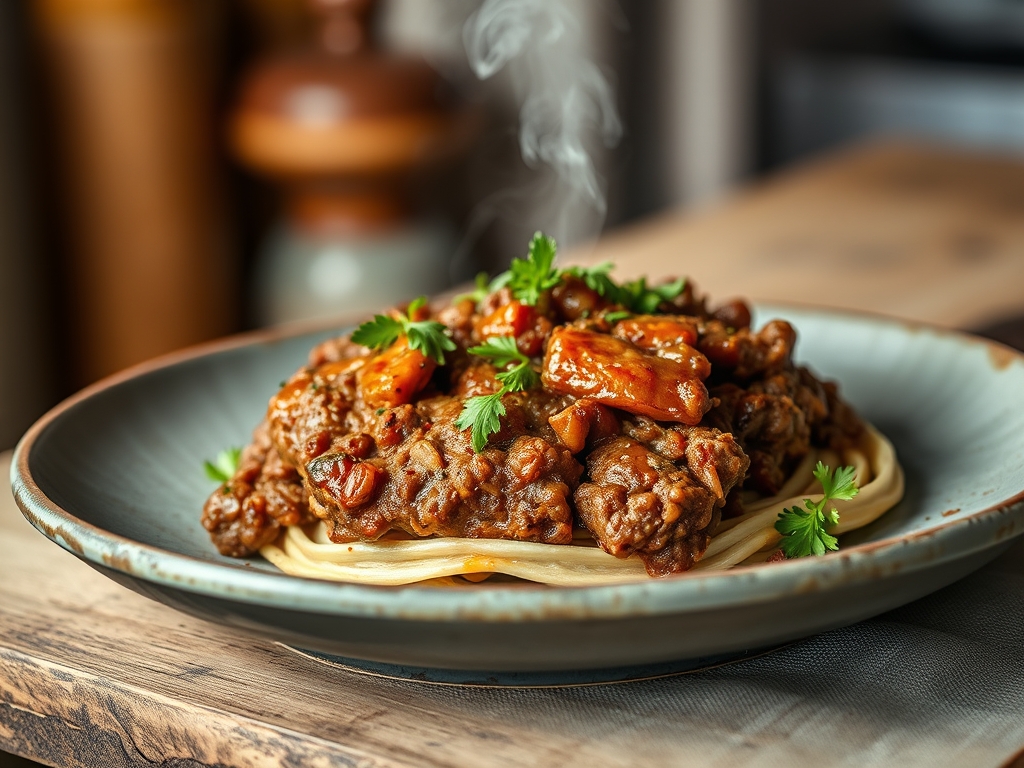
Picture the sound of a heavy bottomed skillet hitting the burner; a resonant, metallic ring that signals the start of something incredible. As the heat climbs, you drop in the protein and hear that immediate, aggressive hiss. This is the foundation of the best gluten free ground beef recipes. It is about more than just a meal; it is about mastering the alchemy of fat, fire, and flavor without ever touching a grain of wheat. We are diving into a world where texture is king and every bite is a calculated explosion of savory satisfaction. Forget the bland, crumbly stereotypes of gluten free cooking. We are using molecular precision to ensure your meatballs stay tender and your sauces remain perfectly viscous. Whether you are craving a piquant Korean beef bowl or a classic, rich Bolognese, these techniques will elevate your weeknight rotation into a high end culinary experience. Grab your favorite apron and let us get technical with your dinner.
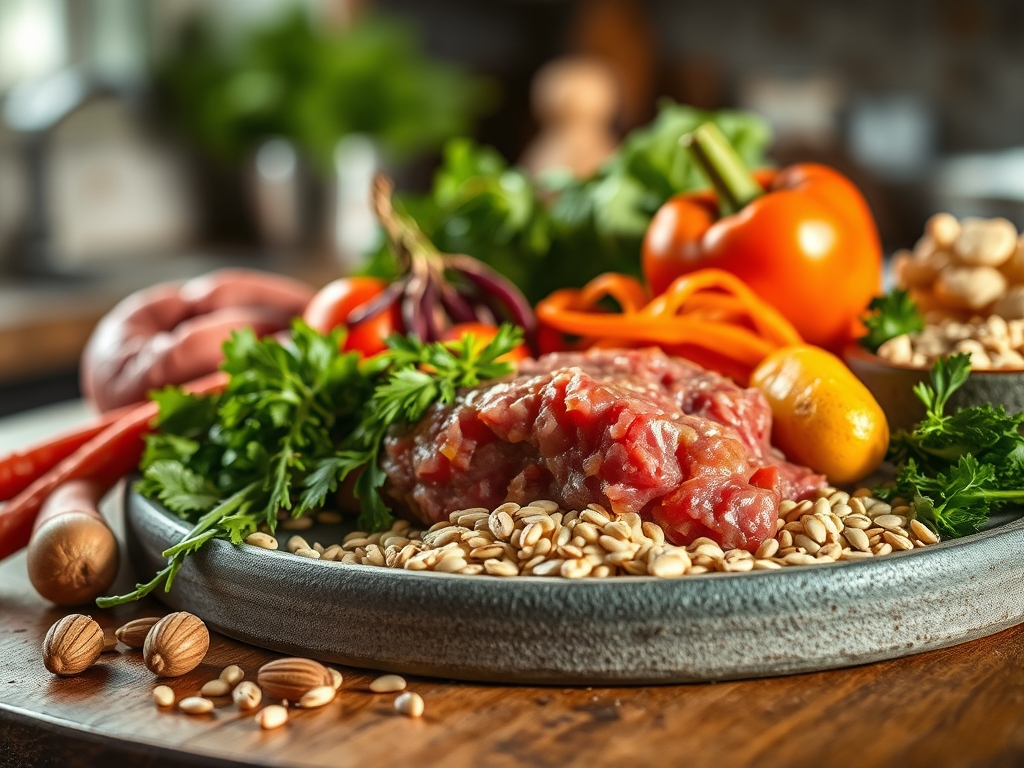
The Gathers:
To execute these gluten free ground beef recipes with professional finesse, your mise-en-place must be impeccable. Start with the beef itself; look for an 80/20 lean to fat ratio. This specific percentage is crucial because the intramuscular fat provides the moisture that gluten-containing binders usually help retain. You will need a high quality digital scale to measure your aromatics. Finely diced shallots and garlic should be uniform to ensure even caramelization.
For smart substitutions, we swap traditional breadcrumbs for almond flour or crushed pork rinds. Almond flour provides a nutty complexity and healthy fats, while pork rinds offer a collagen boost that mimics the "chew" of gluten. If a recipe calls for soy sauce, reach for tamari or liquid aminos to keep the profile savory and wheat-free. Use a microplane to zest fresh ginger or grate hard cheeses; this increases the surface area, allowing flavors to infuse into the meat almost instantly. Finally, keep a bottle of dry red wine or beef bone broth nearby to deglaze your pan. This process captures the fond, those browned bits of protein stuck to the bottom, which are concentrated flavor bombs.
The Clock:
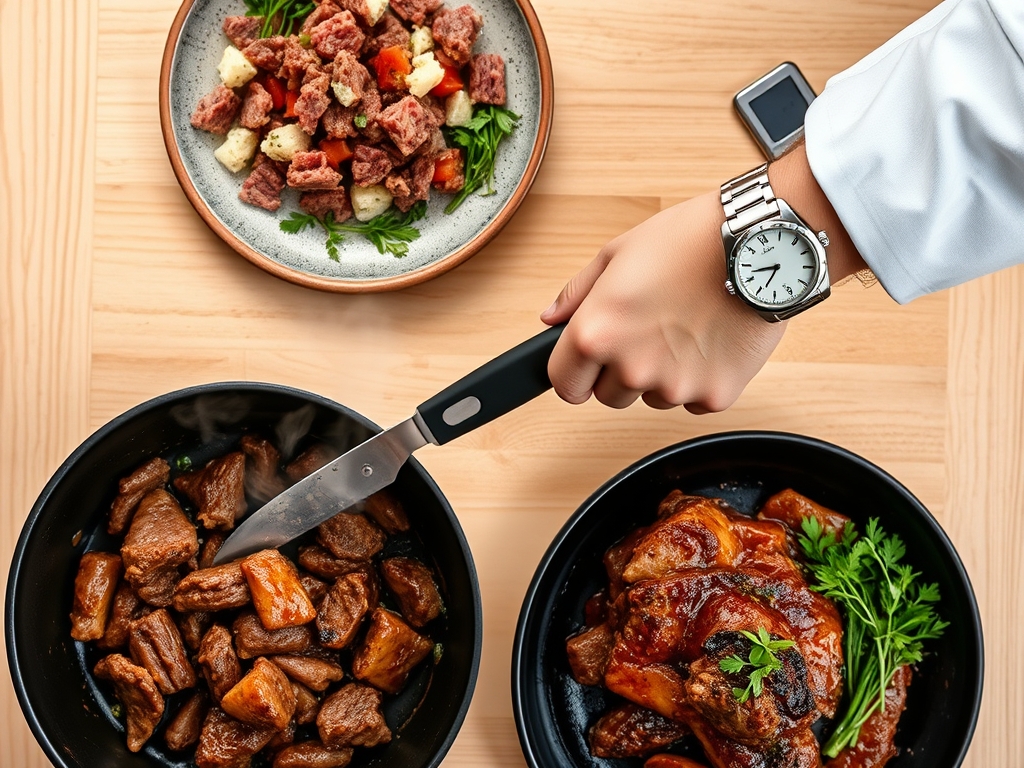
Efficiency in the kitchen is governed by what I call the Chef's Flow. For most ground beef preparations, you are looking at a 15 minute prep window followed by a 20 to 30 minute cook time. The secret to speed is parallel processing. While your heavy bottomed skillet preheats, use a bench scraper to organize your chopped vegetables.
Never crowd the pan. If you are making a large batch, brown the meat in stages. Overcrowding drops the surface temperature of the skillet, causing the meat to steam in its own juices rather than sear. Steaming results in a gray, rubbery texture, while searing triggers the Maillard reaction. By allowing five minutes of "dead time" for the meat to rest after cooking, you allow the muscle fibers to relax and reabsorb juices, ensuring a succulent finish every time.
The Masterclass:
1. The High Heat Sear
Place your skillet over medium-high heat until a drop of water flicked onto the surface dances and evaporates instantly. Add a high smoke point oil like avocado oil, then add the beef in a single layer. Resist the urge to stir immediately.
Pro Tip: This patience facilitates the Maillard reaction, a chemical reaction between amino acids and reducing sugars that creates the complex, savory crust essential for deep flavor.
2. Deglazing for Depth
Once the meat is browned and removed, you will see a brown film on the pan. Pour in a splash of acidic liquid, such as red wine vinegar or verjuice, and use a wooden spoon to scrape the bottom.
Pro Tip: This technique uses solvent extraction to pull flavorful compounds back into your sauce, ensuring no aromatic nuances are lost to the sink.
3. Emulsifying the Sauce
If you are making a sauce-based dish like Sloppy Joes or Chili, add your liquid base slowly. Whisk in a cold pat of butter or a teaspoon of tomato paste at the very end to tighten the texture.
Pro Tip: This creates a stable emulsion, where fat droplets are suspended in liquid, resulting in a glossy, velvet-like mouthfeel without the need for flour-based roux.
4. Aerating the Mix
When forming patties or meatballs, do not pack the meat tightly. Use your fingers to gently toss the seasonings through the meat as if you were fluffing a pillow.
Pro Tip: Aeration prevents the proteins from knitting together too tightly, which can lead to a dense, hockey-puck texture once the proteins denature during cooking.
5. Managing Thermal Carryover
Remove your beef from the heat when it is about five degrees below your target internal temperature. Use a digital probe thermometer for absolute accuracy.
Pro Tip: Thermal carryover means the internal temperature will continue to rise even after the heat source is removed, preventing the overcooking that leads to dry, grainy meat.
The Deep Dive:
From a macro nutrition perspective, ground beef is a powerhouse of bioavailable iron, zinc, and Vitamin B12. By focusing on gluten free ground beef recipes, you are naturally leaning into a higher protein, lower carbohydrate profile. To keep it keto, serve your beef over riced cauliflower; for a vegan twist, lentils can be seasoned with the same spices to mimic the earthy depth of beef.
If you encounter the "Greasy Skillet" pitfall, simply tilt the pan and use a bulb baster to remove excess rendered fat before seasoning. If your meat is too dry, "The Fix-It" is to stir in a tablespoon of bone broth or a dollop of Greek yogurt to restore moisture. For the "Bland Bite" syndrome, increase the acidity with a squeeze of fresh lime; acid acts as a flavor megaphone.
When it comes to meal prep, reheating is a science. Avoid the microwave if possible, as it vibrates water molecules too violently, toughening the protein. Instead, reheat in a saucier over low heat with a teaspoon of water and a lid. This creates a gentle steam environment that restores "day-one" tenderness.
The Wrap-Up:
Mastering gluten free ground beef recipes is your ticket to becoming a weeknight hero. By understanding the chemistry of the sear and the importance of high quality tools like the bench scraper and digital scale, you have moved beyond following instructions into true culinary artistry. These dishes are bold, vibrant, and incredibly satisfying. Now, go forth and turn that humble pound of beef into a masterpiece that just happens to be gluten free. Your kitchen is your laboratory; make it delicious!
The Kitchen Table:
How do I keep gluten free meatballs from falling apart?
Use a binder like almond flour or an extra egg yolk. The fats and proteins act as a biological glue, replacing the structural network usually provided by wheat gluten to keep the meatball intact during the simmering process.
What is the best way to brown ground beef?
Pat the meat dry with paper towels to remove surface moisture. Use a preheated heavy-bottomed skillet and avoid overcrowding. This ensures the temperature stays high enough to trigger the Maillard reaction for a rich, savory crust.
Can I freeze these ground beef dishes?
Yes, ground beef dishes freeze exceptionally well. Ensure the food reaches room temperature before sealing in airtight containers. This prevents ice crystal formation, which can damage the cellular structure of the meat and lead to a mushy texture.
Why does my gluten free beef sauce look thin?
Without flour, you must rely on reduction or natural thickeners. Simmer the sauce longer to evaporate excess water, or whisk in a small amount of tomato paste or cold butter to create a thick, glossy, and stable emulsion.